
Portion Control Techniques for Young Diabetics
Managing diabetes at a young age can be challenging, but mastering portion control techniques for young diabetics is a powerful way to take charge of blood sugar levels and overall health. For young people living with diabetes, whether type 1 or type 2, understanding how to balance meals through effective portioning can prevent spikes in glucose, support weight management, and promote long-term well-being. In this comprehensive guide, we’ll explore practical portion control techniques for young diabetics that are easy to implement, backed by expert advice, and tailored to the unique needs of adolescents and teens.
Young diabetics often face unique hurdles, such as busy school schedules, peer pressure around food, and the temptation of snacks high in carbs. However, by adopting portion control techniques for young diabetics, they can enjoy their favorite foods without compromising their health. These methods not only help in stabilizing blood sugar but also foster habits that last a lifetime. Let’s dive into why these techniques are essential and how to apply them effectively.

Understanding Diabetes in Young People
Diabetes in youth is on the rise, with type 1 diabetes being more common in children and adolescents, while type 2 is increasingly diagnosed due to lifestyle factors like poor diet and lack of exercise. For young diabetics, the body either doesn’t produce enough insulin or resists it, leading to elevated blood sugar levels. This can result in fatigue, frequent urination, and long-term complications if not managed properly.
One of the cornerstones of diabetes management for this age group is dietary control, specifically through portion control techniques for young diabetics. Unlike adults, young people are still growing, so their nutritional needs include adequate calories for development, but with a focus on balanced intake to avoid blood sugar fluctuations. Parents, caregivers, and educators play a key role in teaching these techniques, making them fun and engaging to encourage adherence.
Common challenges for young diabetics include overeating at parties, skipping meals due to school activities, or underestimating carb content in snacks. By learning portion control techniques for young diabetics, they can navigate these scenarios confidently. For instance, using visual aids helps teens quickly assess portions without needing constant supervision.
Why Portion Control Matters for Young Diabetics
Portion control is crucial because it directly impacts carbohydrate intake, which is the primary driver of blood sugar levels. For young diabetics, oversized portions can lead to hyperglycemia, while too-small portions might cause hypoglycemia, especially if on insulin. Effective portion control techniques for young diabetics help maintain stable glucose, reduce the risk of obesity, and improve energy levels for school and play.
Research shows that portion control can aid in weight management, which is vital since excess weight exacerbates insulin resistance in type 2 diabetes. Young diabetics who practice these techniques often report better mood, fewer mood swings from sugar crashes, and improved academic performance. Moreover, it empowers them to make independent choices, building self-confidence.
In a world of supersized meals, teaching portion control techniques for young diabetics early prevents habits that could worsen the condition. It’s not about restriction but balance—ensuring meals include proteins, veggies, and carbs in appropriate amounts.
Key Portion Control Techniques for Young Diabetics
Here are several evidence-based portion control techniques for young diabetics that are simple, effective, and adaptable to daily life.
The Plate Method: A Visual Guide
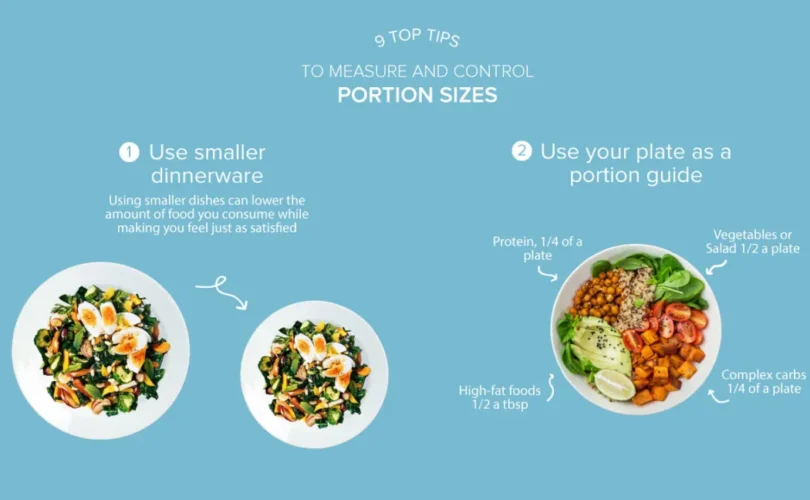
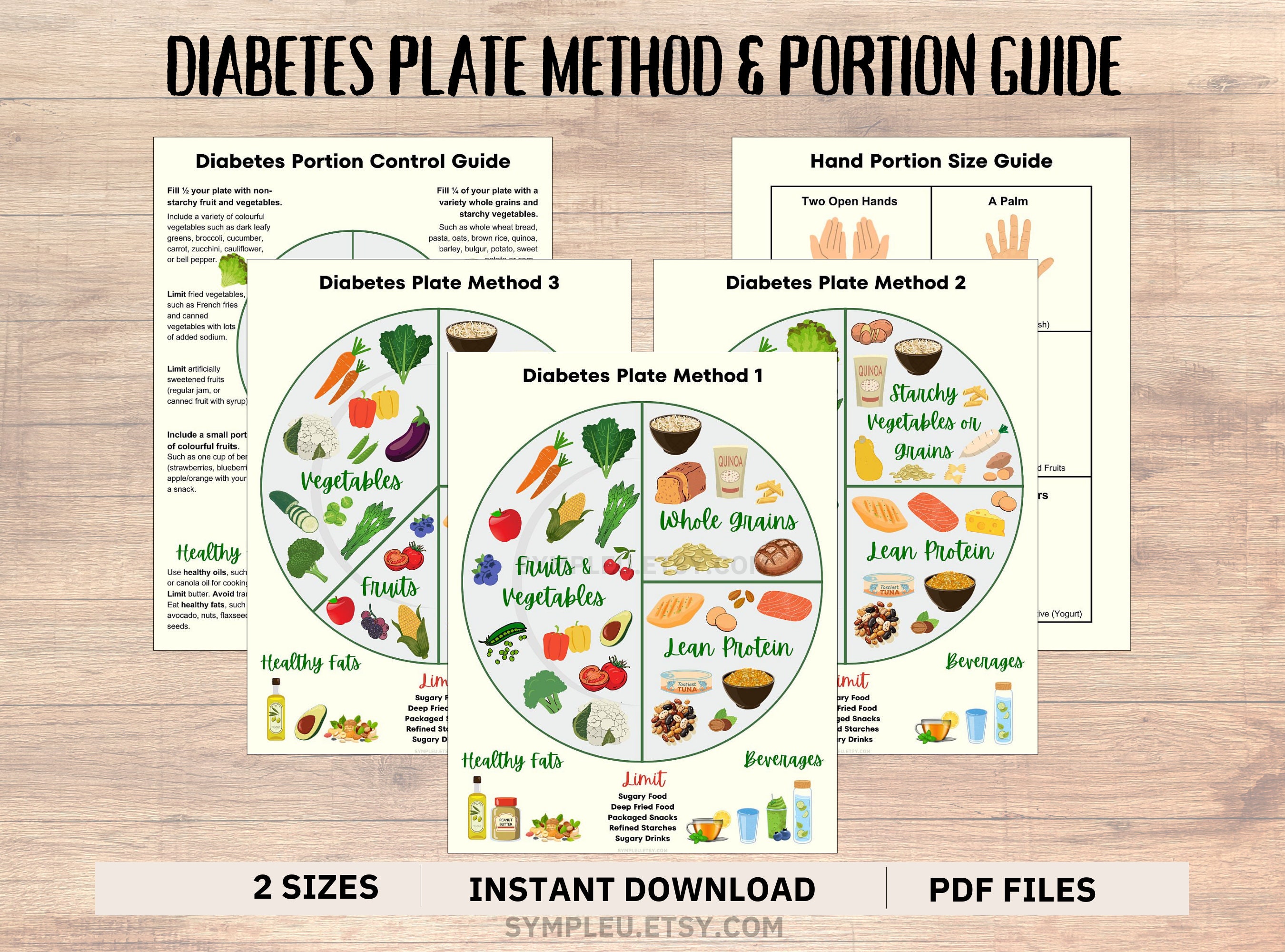
One of the most popular portion control techniques for young diabetics is the plate method, recommended by organizations like the CDC and the American Diabetes Association. Using a 9-inch plate, fill half with non-starchy vegetables (like broccoli, salad, or carrots), one-quarter with lean proteins (chicken, fish, or tofu), and one-quarter with carbs (whole grains, potatoes, or fruit).
This technique is ideal for young diabetics because it’s visual and doesn’t require counting calories initially. For example, a teen’s lunch could include half a plate of green beans, a quarter with grilled turkey, and a quarter with brown rice. It promotes variety and ensures carbs are limited without feeling deprived.
Studies indicate that the plate method helps in better blood sugar control and weight loss. Parents can make it fun by letting kids “build” their plates, turning meals into a game.
The Hand Guide: Portable Portioning
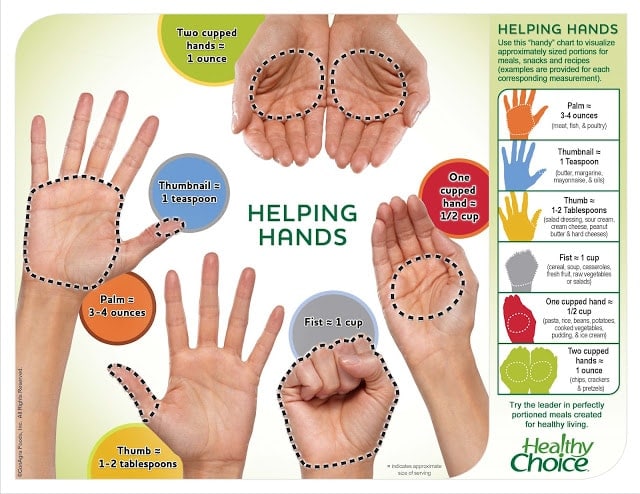
Another handy portion control technique for young diabetics is using your hand as a measuring tool. A fist represents one cup of carbs or veggies, the palm for protein (about 3-4 ounces), a cupped hand for fruits or nuts (1/2 cup), and the thumb for fats like cheese or butter (1 tablespoon).
This method is perfect for on-the-go situations, like school cafeterias or sports events, where scales aren’t available. A young diabetic might use their fist to measure pasta, ensuring they don’t exceed carb limits. It’s empowering for teens, as it relies on their own bodies for guidance.
Visualizing portions this way reduces guesswork and helps maintain consistency. Over time, it becomes second nature, aiding in long-term diabetes management.
Measuring Tools and Label Reading
For precision, portion control techniques for young diabetics often involve kitchen tools like measuring cups, spoons, and food scales. Weighing food at home trains the eye for accurate portions elsewhere. Reading nutrition labels is key—check serving sizes and carb counts per serving.
Young diabetics should aim for 45-60 grams of carbs per meal, adjusting for activity. For snacks, keep it to 15-30 grams. Apps can scan labels, making it tech-savvy for teens.
Mindful Eating and Smaller Plates
Mindful eating is a subtle portion control technique for young diabetics, encouraging slower eating to recognize fullness cues. Using smaller plates tricks the brain into thinking portions are larger, reducing overeating.
Combine this with pre-portioning snacks in bags to avoid mindless munching. For young diabetics, this prevents blood sugar spikes from extra handfuls of chips.
Carb Counting Basics
Carb counting is integral to portion control techniques for young diabetics. Track carbs in portions, using resources like food databases. Start simple: one slice of bread is about 15 grams.
Teens can use journals or apps to log, learning to adjust insulin accordingly.

Implementing Portion Control in Daily Life
Integrating portion control techniques for young diabetics into routines requires planning. Start with family meals using the plate method. For school, pack lunches with measured portions.
Encourage involvement: Let young diabetics help shop and prepare, teaching them to choose appropriate sizes. Handle social events by eating a small snack beforehand to avoid overindulgence.
Physical activity complements these techniques—aim for 60 minutes daily to improve insulin sensitivity. Monitor blood sugar before and after meals to see how the technique impacts it.
Challenges like peer influence can be addressed by educating friends or choosing diabetes-friendly options at gatherings.
Success Stories of Young Diabetics Mastering Portion Control
Real-life examples inspire. Take Mele Osai, a teen who lost 143 pounds by adopting portion control techniques for young diabetics. Diagnosed with insulin resistance at 14, she cut sugary drinks and practiced portioning, reducing sandwiches from three to one per meal. Adding veggies and proteins, she reversed her condition, gaining energy for activities.
Another story is Fougeley Denis, who shed 116 pounds through portion control and walking. As a young diabetic, she focused on smaller plates and balanced meals, defeating obesity and stabilizing her sugars.
Allie Mattey, focusing on diet and exercise, lowered her A1C to normal and stopped medications. She used hand guides for portions, losing 80 pounds and enjoying an active life.
Renu reversed diabetes via a program emphasizing portion control, even enjoying favorites like pani puri in moderation. She walked 10,000 steps daily, freeing herself from pain.
These stories show that portion control techniques for young diabetics lead to transformative results, from weight loss to medication reduction.

Disclaimer
This article provides general information on portion control techniques for young diabetics and is not a substitute for professional medical advice. Always consult a healthcare provider, such as a doctor or registered dietitian, before making dietary changes. Individual needs vary based on age, diabetes type, medications, and health status. The success stories are inspirational, but results differ. xAI and the author are not liable for any outcomes from applying this information.
FAQs on Portion Control Techniques for Young Diabetics
What is the best portion control technique for young diabetics starting?
The plate method is ideal for beginners, as it’s simple and visual. Fill half with veggies, a quarter with protein, and a quarter with carbs.
How many carbs should a young diabetic have per meal?
Typically 45-60 grams, but consult a dietitian for personalized advice.
Can young diabetics eat snacks?
Yes, but portion them to 15-30 grams of carbs, like a small apple with nuts.
How does portion control help with blood sugar?
It limits carb intake, preventing spikes and aiding stability.
What if my child resists portion control?
Make it fun with games or involve them in planning.
Are there apps for portion control?
Yes, like MyFitnessPal or Carb Manager for tracking.
How to handle portions at restaurants?
Use the hand guide or share meals.
Does portion control aid weight loss in young diabetics?
Absolutely, by reducing calories while maintaining nutrition.
References
- American Diabetes Association. “How to Eyeball a Serving of Carbs.” Accessed February 2026.
- CDC. “Diabetes Meal Planning.” Published May 15, 2024.
- MSU Extension. “Portion Control and Prediabetes.” Published Nov 15, 2023.
- Diabetes Care Community. “Diabetes and Portion Control.” Published Sep 20, 2025.
- Healthline. “How to Practice Portion Control with Type 2 Diabetes.” Published Mar 21, 2020.
- Everyday Health. “10 Ways to Keep Your Portions Under Control if You Have Diabetes.”
- Accu-Chek. “Handy Guide to Portion Control.”
- Today Show. “Teen Loses 143 Pounds.” Published Jul 5, 2017.
- Times Now News. “US Teen Lost 116 Pounds.”
- Fitterfly. “This Diabetes Reversal Story.” Published Dec 2, 2021.




[…] This article delves deep into how team sports can transform the lives of young people with juvenile diabetes, drawing on scientific insights, real-world examples, and practical […]