Disclaimer: This article is for informational purposes only and is not a substitute for professional medical advice. The information provided here should not replace guidance from your doctor, healthcare provider, or diabetes educator. Alcohol affects everyone differently, especially if you have diabetes, take medications, or have other health conditions. Always consult your doctor before drinking alcohol, changing your diet, or adjusting any treatment plan. If you experience symptoms of low or high blood sugar, seek medical help immediately.
The Impact of Alcohol on Blood Sugar: Safe Drinking Tips
is a topic that matters to millions of families worldwide. Whether you enjoy an occasional drink at a family gathering or want to stay safe while managing blood sugar levels, understanding this subject can help you make smarter choices. In this detailed guide, we will explore how alcohol works in the body, its effects on blood sugar, and practical ways to drink responsibly. We will use simple language so everyone—from young adults to grandparents—can follow along easily.
The Impact of Alcohol on Blood Sugar: Safe Drinking Tips starts with the basics. Alcohol is not like food. Your liver processes it first, and this can change how your body handles sugar. Many people wonder if a glass of wine or beer will spike or drop their blood sugar. The answer depends on several things, including the type of drink, how much you consume, and whether you have eaten. By the end of this article, you will have clear, family-friendly advice to enjoy life safely.
How Alcohol Changes Blood Sugar Levels
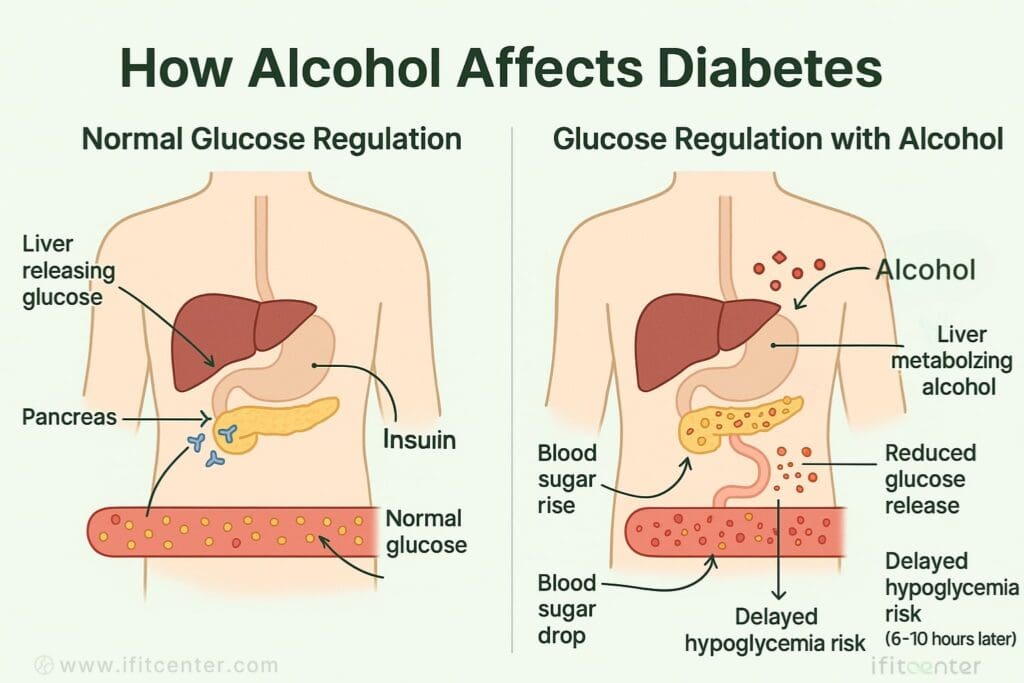
Let us break it down step by step. When you drink alcohol, your liver gets busy breaking it down. Normally, the liver releases stored sugar (glucose) into your blood to keep levels steady, especially between meals or at night. But when alcohol is present, the liver puts that job on hold to handle the alcohol first. This can cause blood sugar to drop later—sometimes hours after your last drink.
On the other hand, some drinks contain sugar or carbohydrates. Beer, sweet wines, and mixed cocktails can raise blood sugar quickly at first because those carbs turn into glucose fast. So alcohol can both raise and lower blood sugar, depending on the drink and timing.
The Impact of Alcohol on Blood Sugar: Safe Drinking Tips becomes clear when you picture the liver as a busy worker. It can only do one main job at a time. If it is busy with alcohol, it cannot release glucose when your body needs it. This is why people with diabetes or those on certain medicines face higher risks. Heavy drinking over time can also make the body less sensitive to insulin, leading to higher blood sugar in the long run.
For families, this matters because blood sugar problems can affect energy, mood, and even sleep. A parent who feels shaky or tired after a drink might not realize it is linked to alcohol. Kids watching adults drink learn habits, so teaching safe choices early helps everyone.
The Impact of Alcohol on Blood Sugar for People with Diabetes
If you or a loved one has diabetes, The Impact of Alcohol on Blood Sugar: Safe Drinking Tips is extra important. Diabetes already makes blood sugar harder to control. Alcohol adds another challenge.
People with type 1 or type 2 diabetes who take insulin or pills like sulfonylureas have a bigger risk of low blood sugar (hypoglycemia). The liver stops releasing glucose while processing alcohol, and the medicine keeps lowering sugar even more. This can happen up to 24 hours later—sometimes the next morning after breakfast.
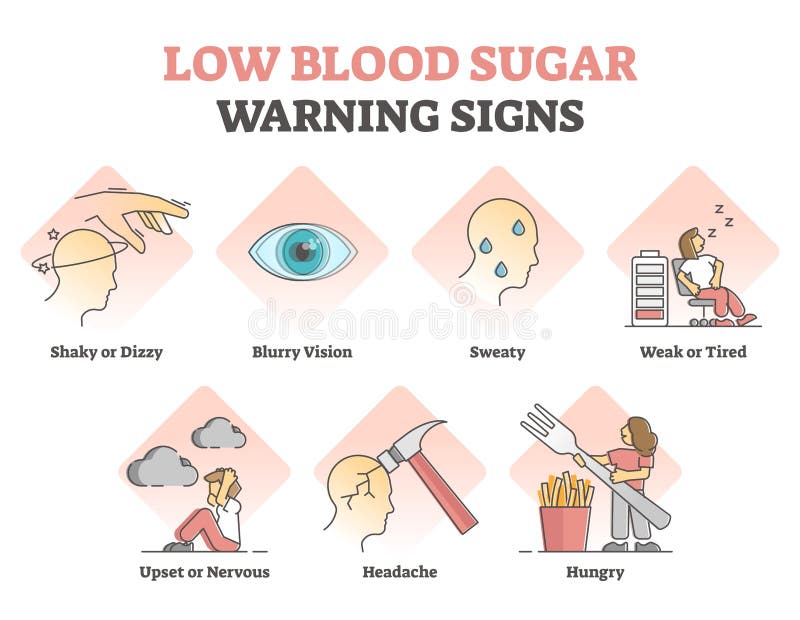
The Impact of Alcohol on Blood Sugar: Safe Drinking Tips includes knowing the warning signs of a low: shakiness, sweating, confusion, or hunger. These can appear to be tipsy, so family members should be aware of the difference. Always carry glucose tablets or a snack.
Studies show that moderate drinking (one drink a day for women, up to two for men) might even improve insulin sensitivity for some people without diabetes. But for those with diabetes, too much alcohol can raise A1C levels over time and increase risks of heart problems or nerve damage.
Real-life example: Imagine a family barbecue. Uncle Raj drinks two beers on an empty stomach and takes his usual insulin. Hours later, he feels dizzy during dessert. His blood sugar has dropped because his liver was busy with the beer. A simple carb snack with the drink could have prevented this.
The Impact of Alcohol on Blood Sugar: Safe Drinking Tips also means checking blood sugar more often—before drinking, during, before bed, and the next morning. Use a glucose meter or continuous glucose monitor (CGM) if you have one.
How Alcohol Affects Blood Sugar in People Without Diabetes
Even if you do not have diabetes, The Impact of Alcohol on Blood Sugar: Safe Drinking Tips applies to you. Healthy livers still pause glucose release when processing alcohol. This can cause mild drops in blood sugar, leading to fatigue or cravings the next day.
Heavy drinking over the years can raise the risk of developing type 2 diabetes by affecting the pancreas and increasing body weight. Moderate amounts, however, may have little effect or even slight benefits for some adults.
For young adults or parents, this is useful knowledge. A weekend party with mixed drinks can lead to next-day tiredness that feels like low energy from poor sleep, but it might partly be blood sugar changes.
Different Types of Alcohol and Their Effects on Blood Sugar
Not all drinks affect blood sugar the same way. The Impact of Alcohol on Blood Sugar: Safe Drinking Tips includes choosing wisely.
- Beer: Regular beer has 10–13 grams of carbs per 12-ounce serving. It can raise blood sugar first, then drop it later. Light beer has fewer carbs (around 4–7 grams) and is a better choice.
- Wine: Dry red or white wine has very few carbs (2–4 grams per 5-ounce glass). Sweet dessert wines have more sugar and can spike sugar. Red wine may offer some heart benefits in moderation.
- Spirits (vodka, whiskey, gin): These have zero carbs on their own. The mixers matter—use diet soda, club soda, or water instead of sugary juice.
The Impact of Alcohol on Blood Sugar: Safe Drinking Tips means reading labels. A piña colada can have 30+ grams of carbs—enough to raise blood sugar sharply before the alcohol drop kicks in.

Mixed drinks and cocktails often hide sugar. Always ask for sugar-free options at family events.
Factors That Influence The Impact of Alcohol on Blood Sugar
Several things change how alcohol affects your blood sugar:
- Food: Never drink on an empty stomach. A meal with protein, fat, and carbs slows alcohol absorption and protects against lows.
- Medications: Insulin or diabetes pills increase risk. Talk to your doctor about dose adjustments.
- Activity: Exercise before or after drinking can lower blood sugar more.
- Amount and speed: One or two drinks spread out is safer than several quickly.
- Body size and sex: Women often feel the effects faster because they have less body water to dilute alcohol.
- Sleep: Alcohol can mask low blood sugar symptoms while you sleep.
The Impact of Alcohol on Blood Sugar: Safe Drinking Tips reminds us that timing matters. Evening drinks can affect morning levels the next day.
Safe Drinking Tips Everyone Can Use
This is the heart of the article. The Impact of Alcohol on Blood Sugar: Safe Drinking Tips gives you practical steps that work for the whole family.
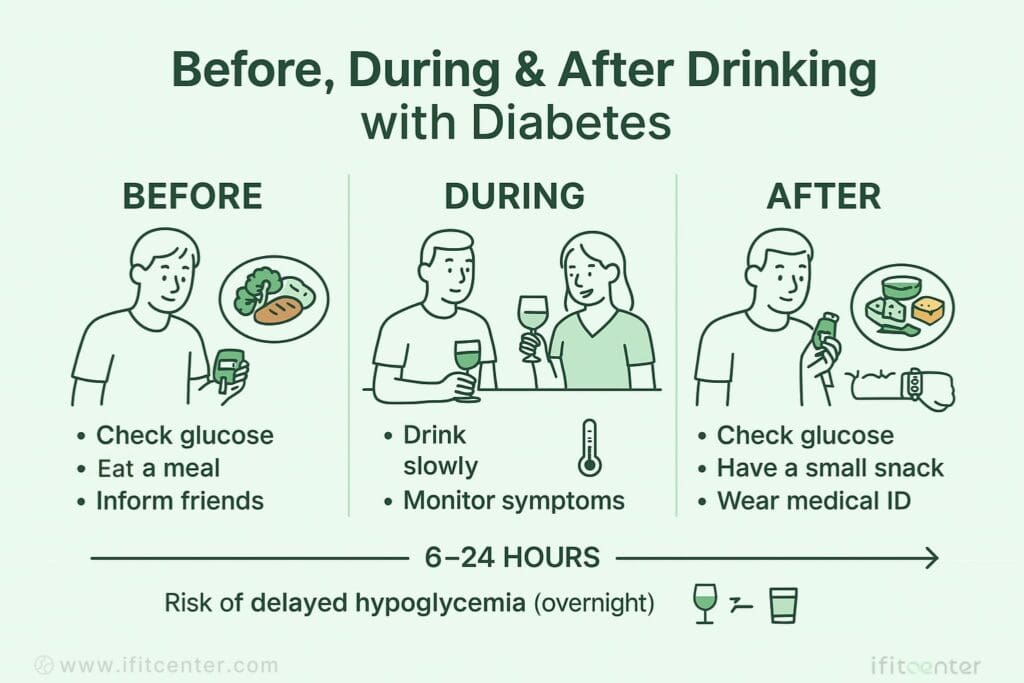
- Eat first and always: Have a balanced meal or snack with carbs before or while drinking. This keeps blood sugar steadier.
- Choose lower-carb drinks: Go for light beer, dry wine, or spirits with diet mixers. Skip sweet cocktails and regular beer when possible.
- Drink slowly and limit quantity: One drink per hour is a good rule. Women: max 1 drink per day. Men: max 2. Spread them out over the week.
- Monitor blood sugar often: Check before, during, 2 hours after, before bed, and upon waking. Set phone reminders.
- Carry fast-acting sugar: Keep glucose tablets, juice boxes, or candy handy. Teach kids and family what to do if someone looks confused or shaky.
- Stay hydrated: Alternate alcohol with water. Dehydration worsens blood sugar swings.
- Inform your group: Tell friends or family you are managing blood sugar so they can help if needed. Wear a medical ID.
- Plan for the next day: Have a bedtime snack if blood sugar is trending low. Check again in the morning.
The Impact of Alcohol on Blood Sugar: Safe Drinking Tips also includes non-alcoholic alternatives. Many brands now offer great zero-alcohol beers and wines that taste similar but do not affect blood sugar or the liver the same way. At family parties, offer sparkling water with fruit slices so everyone feels included.
For parents: Model good habits. If you drink at dinner, pair it with food and check your levels openly. Kids learn that moderation and monitoring are normal.
More tips for long nights: Avoid drinking before exercise. Skip alcohol if you are sick or stressed—your body already has enough to handle. If you take insulin, ask your doctor if you should reduce your dose slightly on drinking days (never change without advice).
The Impact of Alcohol on Blood Sugar: Safe Drinking Tips works best when you track patterns. Use a notebook or app for a month. Note what you drank, how much, what you ate, and your blood sugar readings. You will quickly see what works for your body.
Myths and Facts About Alcohol and Blood Sugar
Myth 1: “Alcohol always lowers blood sugar.” Fact: It can raise it first if the drink is sugary, then lower it later. Myth 2: “Diabetic drinks are safe.” Fact: Some “diabetic” beers have more alcohol and can still cause problems.
The Impact of Alcohol on Blood Sugar: Safe Drinking Tips clears up confusion so you avoid mistakes.
Myth 3: “One drink won’t hurt.” Fact: For some people on insulin, even one drink on an empty stomach can cause a delayed low.
Long-Term Health and Family Considerations
Over months and years, heavy drinking can lead to weight gain, higher blood pressure, and liver issues—all of which make blood sugar harder to manage. Moderate drinking in a healthy lifestyle may support heart health for some adults.
For families in places like India, where social events often include drinks, plan. Serve plenty of food, offer non-alcoholic options, and encourage water breaks. This keeps everyone safe and happy.
The Impact of Alcohol on Blood Sugar: Safe Drinking Tips promotes balance—enjoy life, protect your health, and support your loved ones.
Conclusion
The Impact of Alcohol on Blood Sugar: Safe Drinking Tips is not about fear—it is about smart, informed choices. By eating with drinks, choosing wisely, monitoring levels, and knowing your limits, you can reduce risks and enjoy special moments with family. Remember, the safest choice is sometimes no alcohol, but if you do drink, do it responsibly. Talk to your doctor, stay informed, and share this knowledge with those you love. Your blood sugar—and your family—will thank you.
The Impact of Alcohol on Blood Sugar: Safe Drinking Tips (repeated for emphasis in key takeaways):
- Eat before and during drinking.
- Choose low-carb options.
- Monitor blood sugar frequently.
- Drink slowly and in moderation.
- Stay hydrated and carry emergency sugar.
- Inform others and wear ID.
- Plan for the delayed effects the next day.
- Consider non-alcoholic alternatives at gatherings.
- Track your personal patterns.
- Never drink on an empty stomach or before exercise.
- Consult your doctor about medications.
- Teach family members the signs of low blood sugar.
- Balance enjoyment with responsibility.
- Prioritize long-term health over short-term fun.
The Impact of Alcohol on Blood Sugar: Safe Drinking Tips gives you the tools. Use them well.
FAQs
1. Can people with diabetes drink alcohol at all? Yes, in moderation for many, but only after talking to your doctor. Never drink on an empty stomach.
2. Which alcohol is best for blood sugar control? Dry wines, light beer, and spirits with sugar-free mixers are better choices than sweet cocktails or regular beer.
3. How long after drinking can blood sugar drop? It can drop up to 24 hours later, especially overnight or the next morning.
4. What should I do if my blood sugar is low after drinking? Treat it quickly with 15 grams of fast carbs (glucose tablets or juice), recheck after 15 minutes, and eat a snack if needed.
5. Is it safe for teenagers or pregnant women? No. Alcohol is not recommended for anyone under 21 or during pregnancy.
6. Can alcohol cause high blood sugar, too? Yes, if the drink is high in carbs or if you drink heavily over time.
7. How do I explain this to family members? Share simple facts: “Alcohol makes the liver busy, so blood sugar can change. Let’s eat and check levels together.”
8. Are non-alcoholic drinks completely safe? Most are, but check labels for hidden sugars or carbs.
References
- American Diabetes Association. Alcohol and Diabetes. https://diabetes.org/health-wellness/alcohol-and-diabetes
- Johns Hopkins Medicine. Mixing Alcohol with Your Diabetes.
- MedlinePlus. Diabetes and Alcohol.
- Joslin Diabetes Center. Drinking & Type 1: Four Tips.
- Additional sources from NIH, Mayo Clinic guidelines, and peer-reviewed studies on alcohol metabolism and glucose regulation.