The Connection Between Diabetes and Heart Health
Your Complete Guide to Risks, Prevention, and Management
Disclaimer: This article is for educational purposes only and is not a substitute for professional medical advice. The information provided here should not replace advice from your doctor or healthcare team. Always consult a qualified healthcare professional before making any changes to your diet, exercise routine, medications, or lifestyle, especially if you have diabetes or concerns about heart health. Individual results may vary based on personal health conditions.
The Connection Between Diabetes and Heart Health is a vital topic that affects millions of families worldwide. Many people know diabetes as a condition involving high blood sugar, but fewer realize how closely it is linked to heart problems. In this comprehensive guide, we will explore The Connection Between Diabetes and Heart Health in simple, easy-to-understand terms. You will learn why this link matters, what causes it, and practical steps to protect yourself and your loved ones.
Understanding The Connection Between Diabetes and Heart Health can help you take charge of your well-being. Diabetes changes how your body handles sugar, and over time, this can harm your blood vessels and heart. The good news is that with knowledge and small daily changes, you can lower your risks and live a fuller, healthier life. Families across India and beyond can benefit from these insights, as diabetes is common in many communities.

The Connection Between Diabetes and Heart Health deserves attention because heart disease is a leading cause of serious issues for people with diabetes. This article breaks everything down step by step, using everyday language so everyone—from young adults to grandparents—can follow along. We cover basics, risks, prevention tips, diet ideas, exercise plans, treatments, and more. By the end, you will feel empowered to discuss The Connection Between Diabetes and Heart Health with your doctor.
What Is Diabetes and Why Does It Happen?
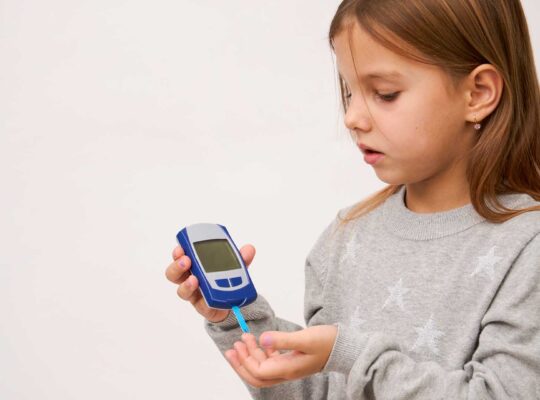
Diabetes is a condition where your body has trouble controlling blood sugar levels. There are two main types: Type 1 and Type 2. Type 1 usually starts in childhood when the body does not make enough insulin, a hormone that helps sugar enter cells for energy. Type 2 is more common in adults and often linked to lifestyle factors like diet and weight. In both cases, high blood sugar builds up in the blood instead of going into cells.
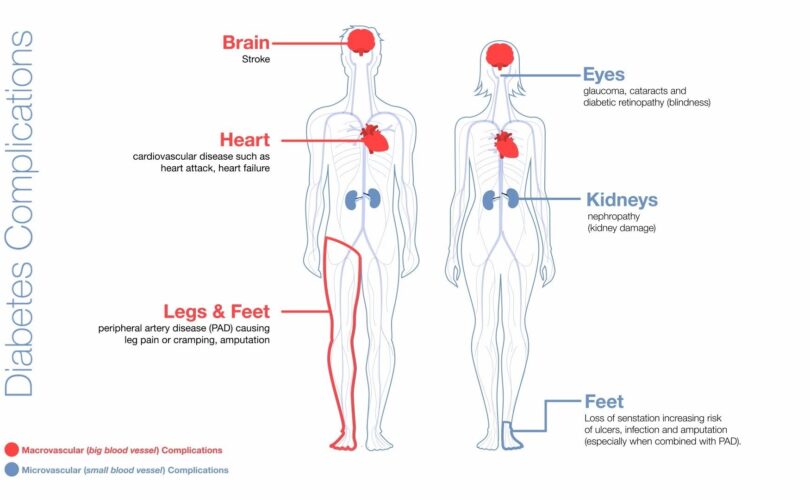
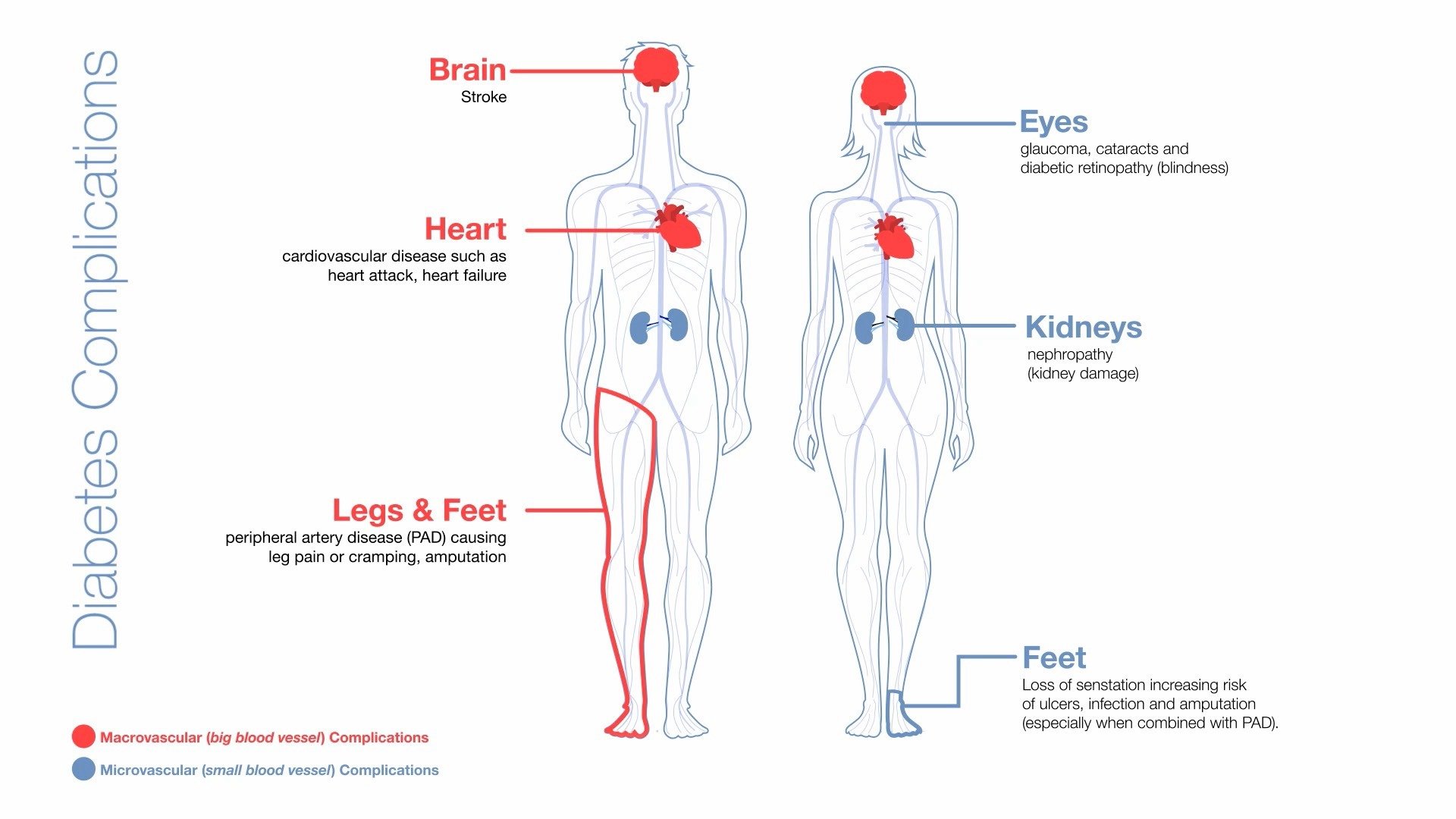
When blood sugar stays high for long periods, it damages tiny blood vessels and nerves throughout the body. This damage is slow at first but adds up over the years. People with diabetes may feel tired, thirsty, or need to urinate often. Some notice blurred vision or slow-healing cuts. But the biggest hidden danger is how it affects the heart and blood vessels.
In India, where many families enjoy rich foods like sweets and fried snacks during festivals, Type 2 diabetes rates are rising. Genetics, stress, and less physical activity play roles too. The good news is that catching diabetes early through regular check-ups can make a big difference. Doctors use simple blood tests, such as fasting sugar or HbA1c, to diagnose it. If you have a family history, talk to your doctor about screening starting at age 30 or earlier.
Living with diabetes means paying attention to meals, activity, and stress. But the focus is not just on sugar—it is on overall health. This is where The Connection Between Diabetes and Heart Health comes in strongly. High sugar harms the inner lining of arteries, making them stiff and prone to blockages. Inflammation rises, and cholesterol builds up faster. These changes quietly increase the chance of heart attacks or strokes.

Understanding Heart Health: The Basics Everyone Should Know
Heart health means keeping your heart strong and your blood vessels clear so blood flows easily. Your heart pumps oxygen-rich blood to every part of your body. Healthy arteries are flexible and smooth inside. Good heart health includes normal blood pressure, healthy cholesterol levels, and a steady heartbeat.
Many factors support heart health: eating fruits and vegetables, staying active, avoiding smoking, and managing weight. Sleep and stress reduction matter too. When the heart works well, you feel energetic and can enjoy daily life with family—playing with kids, walking in the park, or celebrating festivals without worry.
But when diabetes enters the picture, heart health faces extra challenges. The Connection Between Diabetes and Heart Health shows how one condition worsens the other. High blood sugar damages artery walls, leading to plaque buildup called atherosclerosis. This narrows vessels and reduces blood flow to the heart muscle. Over time, the heart may weaken or fail to pump effectively.
Heart problems linked to diabetes include coronary artery disease, heart failure, and irregular rhythms. Symptoms might be chest pain, shortness of breath, or fatigue during simple tasks. Many people with diabetes have no obvious signs until a serious event happens, which is why regular check-ups are essential.
Exploring The Connection Between Diabetes and Heart Health in Detail
The Connection Between Diabetes and Heart Health is not just a coincidence—it has clear biological reasons. High blood sugar causes oxidative stress, which is like rust forming inside your vessels. It also triggers inflammation, making the body attack its own tissues. Insulin resistance, common in Type 2 diabetes, raises blood pressure and bad cholesterol.
Doctors call this link “diabetic cardiovascular disease.” Studies from leading health organizations show people with diabetes are two to four times more likely to develop heart issues than those without. The Connection Between Diabetes and Heart Health explains why heart disease is the top cause of death for people with diabetes.
High sugar also affects nerves that control the heart, leading to silent heart attacks where pain is not felt. Kidneys may suffer too, raising blood pressure further and straining the heart. This creates a cycle that needs breaking through careful management.
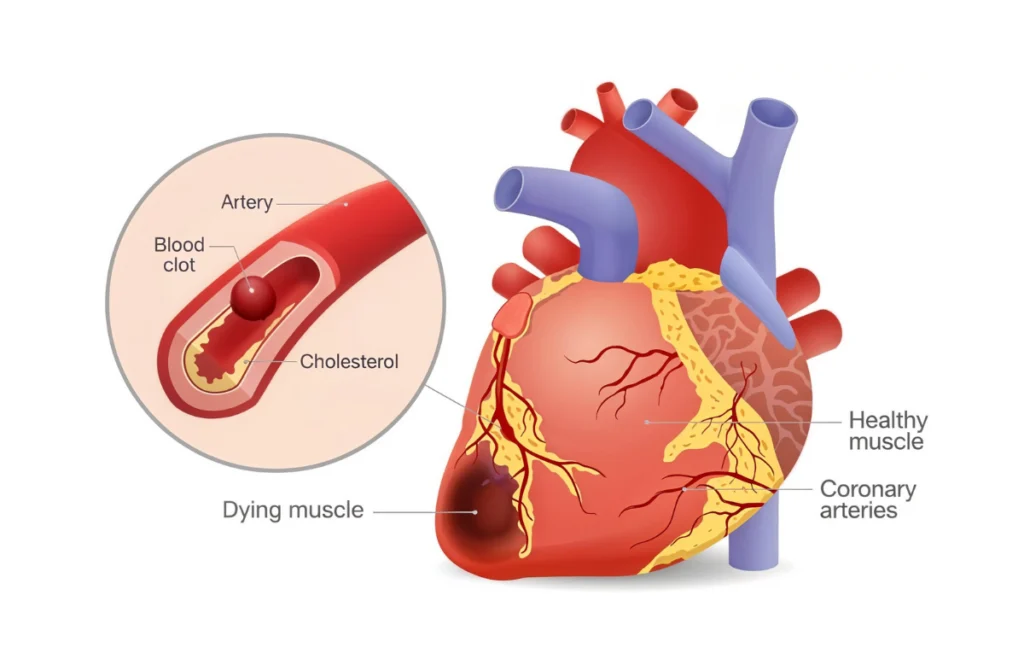
The Connection Between Diabetes and Heart Health becomes clearer when we look at real mechanisms. Excess sugar sticks to proteins in blood vessels, forming advanced glycation end-products (AGEs). These make vessels stiff. Fat levels rise, and small clots form more easily. All this happens even if blood sugar seems controlled most days.
Recent guidelines from the American Diabetes Association emphasize screening for heart risks in everyone with diabetes. They recommend checking blood pressure, cholesterol, and even heart function tests like BNP for early signs of heart failure. The Connection Between Diabetes and Heart Health is so strong that experts now treat diabetes as a heart disease risk equal to smoking or high blood pressure.
Key Risks and Important Statistics You Need to Know
The risks tied to The Connection Between Diabetes and Heart Health are serious but manageable. People with diabetes face higher chances of heart attack, stroke, and heart failure. Statistics show that about 30% of adults with diabetes have some form of heart disease. In younger adults, the risk is growing due to rising obesity and poor lifestyles.
According to recent data, diabetes increases the overall risk of cardiovascular events significantly. Women with diabetes lose some natural protection against heart disease that they usually have before menopause. In India and globally, urban families see higher rates due to processed foods and sedentary jobs.
Other risks include high blood pressure (common in 70% of diabetics), abnormal cholesterol, and kidney problems that worsen heart strain. Smoking doubles the danger. Even prediabetes raises heart risks by 20-30% in some studies.
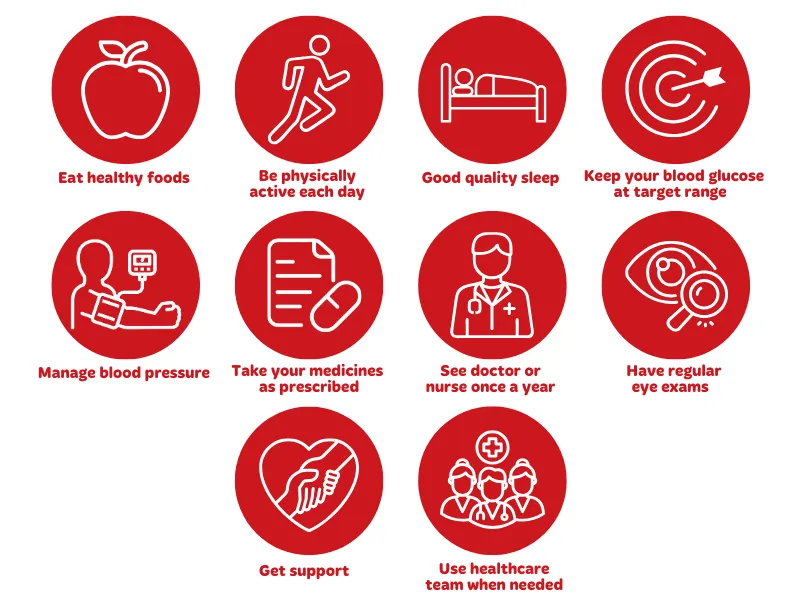
The Connection Between Diabetes and Heart Health highlights silent dangers. Many have no symptoms until a crisis. Regular monitoring of blood sugar, pressure, and lipids is key. Families should encourage annual doctor visits and home checks with simple devices.
Signs and Symptoms to Watch For in Daily Life
Knowing warning signs helps you act early in The Connection Between Diabetes and Heart Health. For the heart, watch for chest discomfort, arm or jaw pain, unusual tiredness, or swelling in the legs. Shortness of breath during light activity or dizziness can signal trouble.
Diabetes symptoms like frequent urination, thirst, or blurred vision may overlap. Nerve damage from diabetes can mask heart pain, making it “silent.” This is why The Connection Between Diabetes and Heart Health stresses proactive testing over waiting for symptoms.
Other red flags include slow-healing sores, tingling in the feet, or sudden weight changes. If you notice these in yourself or family members, see a doctor promptly. Early detection saves lives and prevents major events.
Prevention Strategies That Really Work
Preventing problems starts with understanding The Connection Between Diabetes and Heart Health. The best approach combines blood sugar control, healthy eating, movement, and medicines when needed. Aim for HbA1c below 7% as per guidelines, but personalize with your doctor.
Quit smoking completely—it damages vessels further. Limit alcohol to moderate levels or none. Managing stress through yoga, meditation, or family time, common in Indian culture. Get 7-9 hours of sleep nightly.
The Connection Between Diabetes and Heart Health improves when you track progress. Use apps or diaries for sugar readings, steps, and meals. Join community groups or family challenges to stay motivated.
Diet Tips for Supporting Both Diabetes and Heart Health
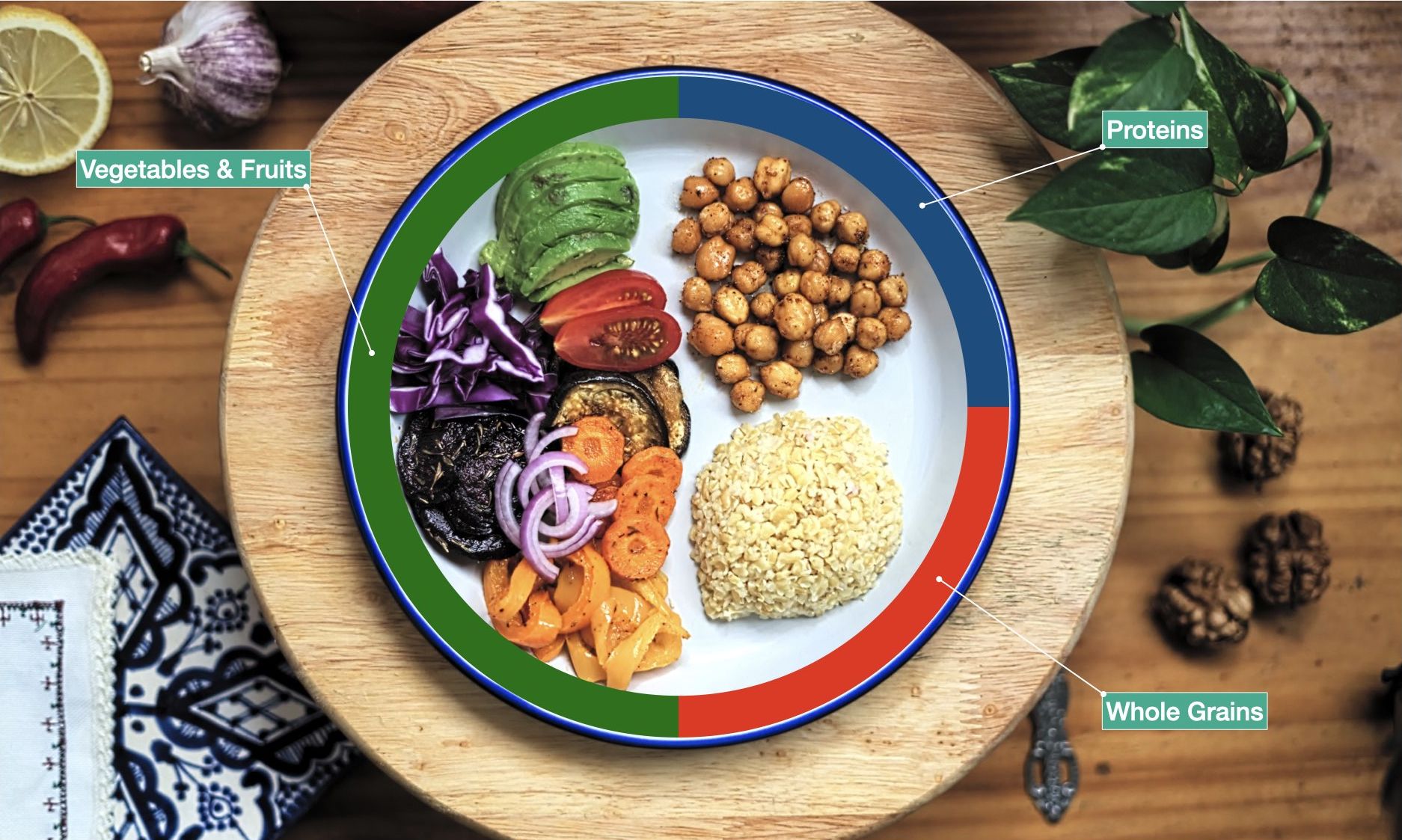
Food plays a huge role in managing The Connection Between Diabetes and Heart Health. Focus on balanced plates with half non-starchy vegetables, one-quarter lean protein, and one-quarter whole grains. This “plate method” keeps sugar steady and the heart protected.

Choose foods low in added sugars, salt, and unhealthy fats. Fill plates with colorful veggies like spinach, carrots, and beans—easy to find in Indian markets. Add dal, grilled fish or chicken, and brown rice or millets. Fruits like apples, guava, and berries in moderation provide fiber without spikes.
Avoid sugary drinks, sweets, and fried items like samosas or pakoras most days. Instead, snack on nuts, yogurt, or roasted chickpeas. Healthy fats from avocados, olive oil, or mustard oil (in small amounts) support heart arteries.
The Connection Between Diabetes and Heart Health benefits from portion control and consistent meal times. Drink plenty of water. Herbs and spices like turmeric, cinnamon, and fenugreek add flavor and may help control sugar naturally. Consult a dietitian for a plan suited to your family’s tastes and budget.
Aim for 25-30 grams of fiber daily from oats, whole grains, and veggies. This lowers cholesterol and stabilizes blood sugar. Recent dietary guidelines stress plant-based eating for heart and diabetes benefits.
Exercise and Physical Activity for a Stronger Heart and Better Sugar Control
Movement is a powerful tool against The Connection Between Diabetes and Heart Health. Aim for 150 minutes of moderate activity weekly, like brisk walking, plus strength training twice a week.

Walking after meals helps lower blood sugar quickly. Family walks in parks or neighborhoods build habits and bonds. Try cycling, swimming, or simple home exercises like squats and wall pushes. Dancing to favorite songs or yoga poses improves flexibility andreducese stress.
The Connection Between Diabetes and Heart Health gets stronger protection from regular activity because it improves insulin use, lowers blood pressure, and strengthens the heart muscle. Start slow if new to exercise—10-minute walks build up gradually.
Track steps with phones or watches. Involve children and elderinor fun group sessions. Recent studies confirm that exercise reduces heart risks even in people with diabetes. Mix cardio and resistance for the best results. Always check with your doctor before starting intense programs.
:max_bytes(150000):strip_icc()/Health-GettyImages-1462659672-b1fd4e0e88df4a59aea1c32ec2d5e53d.jpg)
Medical Treatments and Medications That Help
Medicines play a key role when lifestyle alone is not enough for The Connection Between Diabetes and Heart Health. Doctors may prescribe metformin or newer drugs like SGLT2 inhibitors and GLP-1 agonists that protect the heart directly. These lower sugar while reducing heart failure and attack risks.
Statins control cholesterol, and blood pressure pills like ACE inhibitors safeguard the kidneys and heart. Aspirin may be recommended for some to prevent clots. Insulin or other injectables keep sugar in range.
The Connection Between Diabetes and Heart Health improves with personalized treatment. Regular follow-ups adjust doses. Newer guidelines stress heart-protective drugs early for many with diabetes.
Monitor side effects and report them. Combine meds with lifestyle for maximum benefit.
Lifestyle Changes for Long-Term Success and Family Well-Being
Small daily habits make The Connection Between Diabetes and Heart Health easier to manage. Build a support network—talk openly with family about goals. Cook healthy meals together and celebrate non-food wins like park outings.
Quit tobacco use with help from clinics or apps. Reduce screen time and prioritize rest. Weight loss of even 5-10% can dramatically lower risks.
The Connection Between Diabetes and Heart Health thrives on consistency. Set realistic goals, like adding one vegetable serving daily or walking 30 minutes. Track mood and energy to see improvements.
Community programs in India offer free screenings and education. Use them to stay informed.
Real-Life Stories: How Families Are Winning Against the Risks
Consider a family in Agra where the father managed Type 2 diabetes through diet changes and walks. By focusing on The Connection Between Diabetes and Heart Health, he avoided complications and inspired his children to eat better. Another story: a grandmother who added yoga and portion control reduced her blood pressure and sugar levels, enjoying more active years with grandchildren.
These examples show that The Connection Between Diabetes and Heart Health is beatable with teamwork and persistence. Your family can create its own success story.
Future Outlook and Latest Research on The Connection Between Diabetes and Heart Health
Research continues to uncover better ways to address The Connection Between Diabetes and Heart Health. New drugs target multiple risks at once. Technology like continuous glucose monitors and wearable heart trackers helps daily management.
Guidelinesare updatede yearly with fresh evidence. Focus remains on early intervention, personalized care, and prevention through lifestyle.
The Connection Between Diabetes and Heart Health is evolving, but core advice stays: control sugar, move more, eat wisely, and check regularly.
Conclusion: Take Action Today for a Healthier Tomorrow
The Connection Between Diabetes and Heart Health is a powerful reminder that small choices today shape tomorrow. By learning the links, following prevention steps, and working with doctors, you can protect your heart and enjoy life fully. Share this knowledge with family and friends—together, we build healthier communities.
Remember, The Connection Between Diabetes and Heart Health is manageable. Start with one change this week, like a daily walk or better meal planning. Your heart and future self will thank you.
The Connection Between Diabetes and Heart Health matters more than ever in our busy world. Stay informed, stay active, and stay hopeful. A vibrant, heart-healthy life awaits.
FAQs
1. What exactly is The Connection Between Diabetes and Heart Health? The Connection Between Diabetes and Heart Health refers to how high blood sugar from diabetes damages blood vessels and raises the risk of heart disease, heart attacks, and strokes. It is a two-way link where poor heart health can also worsen diabetes control.
2. How many times higher is the heart disease risk for people with diabetes? People with diabetes face a two to four times higher risk of heart problems compared to those without, according to health experts.
3. Can lifestyle changes really break The Connection Between Diabetes and Heart Health? Yes! Healthy eating, regular exercise, weight management, and not smoking can significantly lower risks and improve both conditions.
4. What foods should I eat to support The Connection Between Diabetes and Heart Health? Focus on vegetables, whole grains, lean proteins, and healthy fats. Use the plate method and limit sugars and salts.
5. Is exercise safe if I have diabetes and heart concerns? Most people benefit from moderate activity, but get your doctor’s approval first and start slowly.
6. Do I need special medicines for The Connection Between Diabetes and Heart Health? Many diabetes drugs now offer heart protection. Your doctor may add statins or blood pressure medicines based on your needs.
7. How often should I check my heart if I have diabetes? Annual check-ups plus regular blood pressure and cholesterol tests are recommended. More frequent if risks are high.
8. Can children be affected by The Connection Between Diabetes and Heart Health? Yes, childhood obesity raises future risks. Teach healthy habits early to protect the whole family.
9. Where can I find more help locally in India? Visit government clinics, diabetes centers, or organizations like the Indian Diabetes Association for screenings and support.
10. Is The Connection Between Diabetes and Heart Health preventable? Absolutely—early action on sugar control and lifestyle prevents or delays most complications.
References
- American Diabetes Association. (2026). Cardiovascular Disease and Risk Management: Standards of Care in Diabetes—2026. https://diabetesjournals.org/care/article/49/Supplement_1/S216/163933/10-Cardiovascular-Disease-and-Risk-Management
- American Heart Association. (2026). 2026 ACC/AHA Guideline Updates. https://www.ahajournals.org/doi/10.1161/CIR.0000000000001423
- American Diabetes Association. (2024). Standards of Care in Diabetes—2025 Press Release. https://diabetes.org/newsroom/press-releases/american-diabetes-association-releases-standards-care-diabetes-2025
- Narayana Health. (2026). Diabetes and Heart Disease Connection Explained. https://www.narayanahealth.org/blog/diabetes-and-heart-disease-connection-explained
- Journal of the American College of Cardiology. (2026). Cardiovascular Statistics in the United States. https://www.jacc.org/doi/10.1016/j.jacc.2025.12.027
- American Heart Association Newsroom. (2026). Type 2 Diabetes Risk in Prediabetes. https://newsroom.heart.org/news/type-2-diabetes-risk-varied-widely-among-adults-18-40-with-prediabetes
- Centers for Disease Control and Prevention. (2026). Preventing Heart Disease. https://www.cdc.gov/heart-disease/prevention/index.html
- International Diabetes Federation. Diabetes & Heart. https://idf.org/about-diabetes/diabetes-complications/cardiovascular-disease/
- Harvard Health Publishing. (2025). Shining a Light on the Diabetes–Heart Disease Connection. https://www.health.harvard.edu/heart-health/shining-a-light-on-the-diabetesheart-disease-connection
- American College of Cardiology. (2026). Dietary Guidelines Review. https://www.acc.org/latest-in-cardiology/articles/2026/03/01/01/from-the-member-sections-dietary-guidelines
All information is based on current guidelines as of 2026. Stay updated with your healthcare provider.