
Alcohol and Diabetes: What to Avoid
Living with diabetes requires careful attention to every aspect of your lifestyle, from diet and exercise to medication management. One area that often sparks confusion and concern is alcohol consumption. For millions of people worldwide managing type 1 or type 2 diabetes, the question of whether—and how—to enjoy a drink can feel like navigating a minefield. In this comprehensive guide, we’ll dive deep into alcohol and diabetes, exploring the intricate ways these two intersect and, most importantly, what to avoid to protect your health.
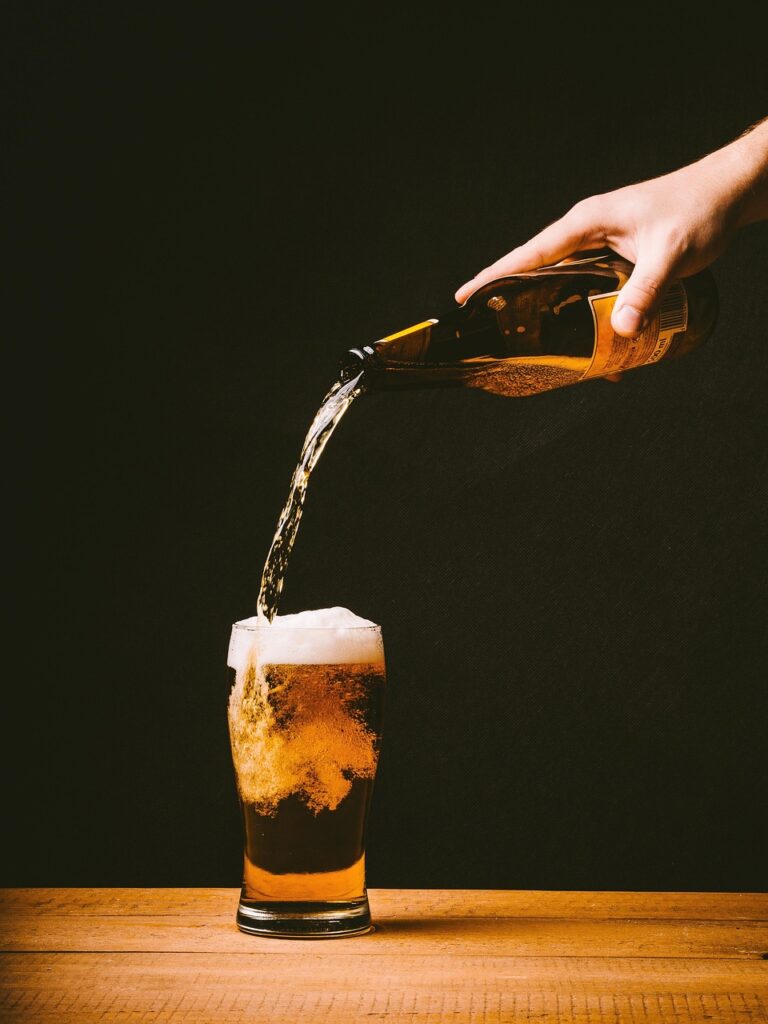
The relationship between alcohol and diabetes is complex. While moderate alcohol intake might seem harmless or even beneficial for some, it can wreak havoc on blood sugar levels, exacerbate complications, and interact dangerously with diabetes medications. According to the American Diabetes Association (ADA), people with diabetes drink about half as much as the general population, largely due to these valid concerns. Yet, with the right knowledge, it’s possible to make informed choices that minimize risks. This article will equip you with evidence-based insights, practical tips, and real-life perspectives to help you decide what’s best for your body.
Whether you’re newly diagnosed or have been managing alcohol and diabetes for years, understanding the science behind it is key. Alcohol doesn’t just affect your liver— it influences insulin sensitivity, glucose production, and even your perception of hunger and thirst. Poor choices in this area can lead to hypoglycemia (dangerously low blood sugar), weight gain, or worsened neuropathy. But fear not: by focusing on what to avoid in alcohol and diabetes scenarios, you can prioritize long-term wellness.
In the sections ahead, we’ll break down the risks, spotlight beverages and habits to steer clear of, and offer strategies for safer socializing. We’ll also address common myths, share success stories from those who’ve mastered moderation, and answer frequently asked questions. Remember, while this guide draws from trusted sources like the ADA, MedlinePlus, and Johns Hopkins Medicine, it’s not a substitute for personalized medical advice. Let’s raise a glass (of water, perhaps?) to better health.
Understanding the Interaction Between Alcohol and Diabetes
To grasp why alcohol and diabetes demand caution, we must first unpack how alcohol moves through your body. When you consume alcohol, your liver treats it as a priority toxin, halting its usual job of releasing stored glucose into the bloodstream. This process, known as gluconeogenesis, is crucial for maintaining stable blood sugar, especially during fasting or exercise. For someone without diabetes, this might cause a temporary dip, but for those with alcohol and diabetes challenges, it can trigger severe hypoglycemia.
Consider the types of diabetes: In type 1, where the pancreas produces no insulin, alcohol’s interference amplifies reliance on injected insulin, heightening low blood sugar risks. Type 2 diabetes, often linked to insulin resistance, sees alcohol exacerbate this by adding empty calories that promote fat storage in the liver, further impairing insulin function. A study from the National Institutes of Health highlights that chronic alcohol use in diabetics can lead to hyperglycemia (high blood sugar) over time, even if acute effects seem mild.
The timing matters too. Drinking on an empty stomach accelerates alcohol absorption, spiking its blood levels and crashing glucose faster. Post-exercise, when glycogen stores are already low, alcohol and diabetes mix like oil and water—potentially leading to delayed lows hours later. Medications compound this: Insulin and sulfonylureas (like glipizide) lower blood sugar independently, so combining them with alcohol is like doubling down on a gamble.
Beyond blood sugar, alcohol and diabetes affect other systems. Alcohol’s diuretic effect can dehydrate you, mimicking or worsening hyperglycemia symptoms like fatigue and blurred vision. It also disrupts sleep, a critical factor for glycemic control. For women with diabetes, hormonal fluctuations make them more susceptible to these swings, as estrogen influences alcohol metabolism.
Nutritionally, alcohol packs a punch: A standard drink (12 oz beer, 5 oz wine, or 1.5 oz spirits) delivers 100-150 calories with zero nutritional value. In alcohol and diabetes management, these “empty” calories contribute to weight gain, a major risk factor for type 2 progression. Sweetened mixers add carbs that spike blood sugar initially, only for the alcohol to drag it down later—a rollercoaster no diabetic wants.
Psychologically, alcohol and diabetes can blur lines. Hypoglycemia symptoms—shakiness, confusion, sweating—overlap with intoxication, delaying treatment. This “hypoglycemic unawareness” is especially dangerous at blood alcohol levels of 0.08% or higher, as noted in NIH research. For those with neuropathy, alcohol’s neurotoxic effects can further umb warning signals.
In essence, alcohol and diabetes aren’t a simple yes-or-no; it’s a spectrum influenced by dose, timing, food, and individual health. Educating yourself empowers better decisions, reducing the trial-and-error that leads to ER visits. As we’ll explore next, ignoring these interactions can have far-reaching consequences.
The Risks of Alcohol Consumption for People with Diabetes
When it comes to alcohol and diabetes, the risks are multifaceted, spanning immediate dangers to long-term complications. Foremost is hypoglycemia, which the ADA warns can occur up to 24 hours after drinking. The liver’s focus on detoxifying alcohol pauses glucose release, and without food, this can plummet levels below 70 mg/dL—life-threatening if untreated. Imagine enjoying a holiday toast only to wake up disoriented; this scenario plays out too often for diabetics who underestimate alcohol and diabetes dynamics.
Heavy drinking amplifies this: More than three drinks daily can elevate A1C levels, per ADA guidelines, by promoting insulin resistance and fatty liver disease. In fasting states, profound lows can cause neurological issues like seizures or coma, as detailed in a PMC review. Ketoacidosis, another acute threat, arises from alcohol’s ketone-boosting effects, especially in type 1 diabetics—symptoms include nausea, rapid breathing, and fruity breath odor. Chronic alcohol and diabetes erode organ health. Cardiovascular risks skyrocket: Alcohol raises triglycerides, a lipid abnormality that, combined with diabetes, triples heart disease odds. The VA notes that alcohol calories convert to liver fat, worsening insulin resistance and hypertension—key players in strokes and kidney failure.
Neuropathy, already a diabetes hallmark, intensifies with alcohol’s direct nerve damage. Tingling, burning pain in extremities? Regular drinking accelerates the onset, with studies showing neuropathy in over 50% of heavy-drinking diabetics. Eye health suffers too: Retinopathy risk climbs with weekly intakes exceeding 10 drinks, potentially leading to vision loss independent of blood sugar control.
For men with diabetes, alcohol and diabetes are linked to erectile dysfunction via neuropathy and lowered testosterone. Women face heightened breast cancer risks, as alcohol elevates estrogen levels in this population.
Medication interactions are non-negotiable red flags. Metformin plus alcohol? Liver strain city, contraindicated by experts. Sulfonylureas can cause disulfiram-like reactions—flushing, nausea—with certain alcohols. Even over-the-counter pain relievers taken post-drinking can compound liver stress.
Socially, alcohol and diabetes isolates: Fear of lows deters outings, fostering anxiety or depression. Weight gain from 7,000+ annual calories in moderate drinkers sabotages goals, creating a vicious cycle.
Pregnant diabetics face fetal alcohol syndrome risks alongside gestational glucose spikes. Older adults, with slower metabolism, endure prolonged effects, increasing fall risks from dizziness.
Johns Hopkins emphasizes that if complications like kidney disease exist, total abstinence is often advised. In summary, while one drink might pass muster, cumulative alcohol and diabetes exposure courts disaster. Prioritizing avoidance of high-risk scenarios is non-optional for thriving, not just surviving.
Types of Alcohol to Avoid When You Have Diabetes
Navigating alcohol and diabetes means knowing your enemies: certain beverages that sabotage control through hidden sugars, carbs, or rapid absorption. Topping the avoid list? Sugary cocktails like piña coladas, margaritas, or daiquiris. These packs 30-50 grams of carbs per serving, causing initial spikes followed by crashes— a double whammy for blood sugar stability.
Sweet wines and dessert varieties, such as port or sherry, are stealthy culprits. A 3.5-ounce glass harbors 14 grams of carbs from quick-absorbing sugars, per ADA warnings. They mimic food’s glucose boost but lack fiber for sustained release, heightening delayed hypoglycemia in alcohol and diabetes contexts.
Beer, especially full-strength or craft varieties, demands caution. A 12-ounce regular lager delivers 13 grams of carbs and 150 calories, fermenting into blood sugar elevators. Avoid flavored or fruit-infused beers; their extra sugars compound issues. Light beers fare better but still require pairing with food.
Wine coolers and alcopops—those fruity, ready-to-drink temptations—are no-gos. Laden with high-fructose corn syrup, they spike insulin needs dramatically, clashing with alcohol and diabetes management.¿Liqueurss like Kahlúa or Baileys? Their cream and sugar content (up to 20 grams per shot) turns a simple mixer into a carb bomb, promoting weight gain and resistance.
Even “low-carb” options like vodka sodas can backfire if mixed with regular tonic—10 grams of sugar per pour. And never, ever substitute alcohol for meals; its calories don’t count as nutrition, leading to nutritional deficits and erratic glucose.
In alcohol and diabetes scenarios, avoidance isn’t deprivation—it’s a strategy. Opt for dry reds/whites or spirits neat, but only if your doctor green-lights it. Reading labels (yes, alcohol has them) reveals carb counts, empowering choices that align with your A1C goals.
Safe Drinking Guidelines for Diabetics
If moderation is your mantra in alcohol and diabetes, follow these guardrails from MedlinePlus and the ADA. Limit to one drink daily for women, two for men—a “drink” being 5 oz wine (4g carbs), 12 oz light beer (6g), or 1.5 oz spirits (0g).
Always eat first: A carb-protein snack (e.g., cheese and crackers) buffers lows. Test blood sugar before, during, and up to 24 hours post-drinking; aim for 100-140 mg/dL bedtime.
Hydrate with water between sips—alcohol dehydrates, mimicking highs. Never drive or operate machinery; designate a sober buddy aware of your diabetes.
Consult your provider: If on metformin or with complications, abstinence may be best. Track patterns in a log to refine habits.
These steps transform alcohol and diabetes from foe to manageable acquaintance, ensuring joy without jeopardy.
Myths and Facts About Alcohol and Diabetes
Myth 1: “A glass of red wine daily prevents diabetes.” Fact: While antioxidants offer heart benefits, alcohol’s risks outweigh for diabetics—stick to non-alcoholic versions.
Myth 2: “Light beer is risk-free.” Fact: Even low-cal options inhibit gluconeogenesis, risking lows in alcohol and diabetes.
Myth 3: “Alcohol carbs don’t count.” Fact: They do, plus calories fuel resistance.
Myth 4: “One drink won’t hurt.” Fact: It can, especially fasting or medicated.
Busting these clarifies alcohol and diabetes, fostering smarter choices.
Managing Blood Sugar Levels While Enjoying Alcohol
Mastering alcohol and diabetes involves proactive monitoring. Use a CGM for real-time alerts. Pre-drink, carb up with complex sources like nuts or veggies. Post-drink, snack on balanced options: yogurt with berries stabilizes overnight.
Exercise? Skip it within 12 hours of drinking—glycogen depletion doubles lows. Stress management, like mindfulness, counters alcohol’s cortisol spike.
Apps like MySugr track intake’s impact, personalizing alcohol and diabetes strategies. With vigilance, balance is achievable.
Conclusion
Alcohol and diabetes require respect, not recklessness. By avoiding sugary traps and embracing moderation, you safeguard your health. Prioritize consultation, monitoring, and joy in sobriety’s alternatives. Here’s to empowered living.
Frequently Asked Questions (FAQs)
1. Can people with diabetes drink alcohol at all? Yes, in moderation—one drink/day for women, two for men—but only if your diabetes is controlled and your doctor approves. Always eat and monitor blood sugar to mitigate alcohol and diabetes risks.
2. What causes low blood sugar from alcohol in diabetes? Alcohol blocks the liver’s glucose release, leading to hypoglycemia, especially without food or with insulin/sulfonylureas. Effects linger 12-24 hours.
3. Are there any benefits to alcohol for diabetics? Moderate intake may support heart health via HDL boosts, but risks like weight gain and lows often overshadow. Non-alcoholic options provide similar perks without downsides in alcohol and diabetes management.
4. How does alcohol affect type 1 vs. type 2 diabetes? Both face hypoglycemia risks, but type 1’s insulin absence heightens severity. Type 2 sees more chronic hyperglycemia from calories.
5. What if I have diabetic complications—can I drink? Often no; alcohol worsens neuropathy, retinopathy, and kidney issues. Consult your provider for tailored alcohol and diabetes advice.
6. How do I count carbs in alcoholic drinks? Use apps or labels: Dry wine ~4g/5oz, light beer ~6g/12oz, spirits 0g. Factor into daily totals for alcohol and diabetes balance.
7. Is a hangover worse with diabetes? Yes—dehydration and lows mimic/exacerbate symptoms. Hydrate and test frequently.
Disclaimer
This article on alcohol and diabetes is for informational purposes only and does not constitute medical advice. Consult your healthcare provider before making changes to your alcohol consumption or diabetes management plan. Individual responses vary based on health status, medications, and lifestyle.
Success Stories
Sarah’s Journey: Diagnosed with type 2 diabetes at 45, Sarah loved her weekend wines but struggled with erratic sugars. Learning to avoid sweet mixes and switch to dry reds with meals transformed her alcohol and diabetes game. “My A1C dropped 1.2 points in six months,” she shares. Now, she savors social hours guilt-free, armed with a CGM.
Mike’s Moderation Mastery: A type 1 dad of two, Mike ditched beers for vodka sodas after a scary hypo episode. By testing pre- and post-drink, he’s maintained stability. “Family barbecues are fun again—no more sidelining myself,” says Mike, whose story inspires his online diabetes community.
Lena’s Abstinence Win: Facing neuropathy flares, Lena chose sobriety over sips. Embracing mocktails, her pain eased, and energy soared. “Ditching alcohol and diabetes worries freed me to hike and travel,” she beams, now advocating for alcohol-free events.
These tales show alcohol and diabetes needn’t dim your spark—adaptation lights the way.
References
- American Diabetes Association. “Alcohol and Diabetes.”
- MedlinePlus. “Diabetes and Alcohol.” https://medlineplus.gov/ency/patientinstructions/000968.htm
- Mount Sinai. “Diabetes and Alcohol Information.” https://www.mountsinai.org/health-library/selfcare-instructions/diabetes-and-alcohol
- Johns Hopkins Medicine. “Mixing Alcohol with Your Diabetes” (PDF). https://www.hopkinsmedicine.org/-/media/general-internal-medicine/documents/faculty-resource/mixing-alcohol-with-your-diabetes.pdf
- NIH PMC. “Consequences of Alcohol Use in Diabetics.” https://pmc.ncbi.nlm.nih.gov/articles/PMC6761899/
- VA Nutrition. “Diabetes and Alcohol” (PDF). https://www.nutrition.va.gov/docs/UpdatedPatientEd/DiabetesandAlcoholApr2024.pdf
- Franciscan Health. “Diabetes and Alcohol.” https://www.franciscanhealth.org/community/blog/diabetes-and-alcohol