
Weight Loss Supplements: A Complete Guide for Safe and Effective Results
Weight loss supplements are products designed to help people reduce body weight by supporting metabolism, controlling appetite, or blocking fat absorption. Many people turn to weight loss supplements when diet and exercise alone feel slow or challenging. However, understanding what weight loss supplements really do—and what they cannot do—is key to safe and realistic results.
In this detailed guide, we explore everything about weight loss supplements in simple terms. We cover how they work, popular types, scientific evidence, safety tips, and practical ways to use them alongside healthy habits. The goal is to help you make informed choices without falling for quick-fix promises.
What Are Weight Loss Supplements?
Weight loss supplements come in pills, powders, teas, or drinks. They often contain herbs, fibers, vitamins, minerals, or stimulants. Manufacturers claim these ingredients can boost fat burning, reduce hunger, or improve energy for better workouts.
Unlike prescription medicines, most weight loss supplements are sold over the counter and regulated as dietary products rather than drugs. This means they do not need to prove effectiveness or safety before reaching store shelves. Always check labels carefully and talk to a doctor before starting any new supplement.
Common reasons people try weight loss supplements include stubborn belly fat, slow metabolism after age 30, busy lifestyles that make meal planning hard, or motivation boosts during plateaus. While some users report feeling more energetic or less hungry, results vary widely from person to person.
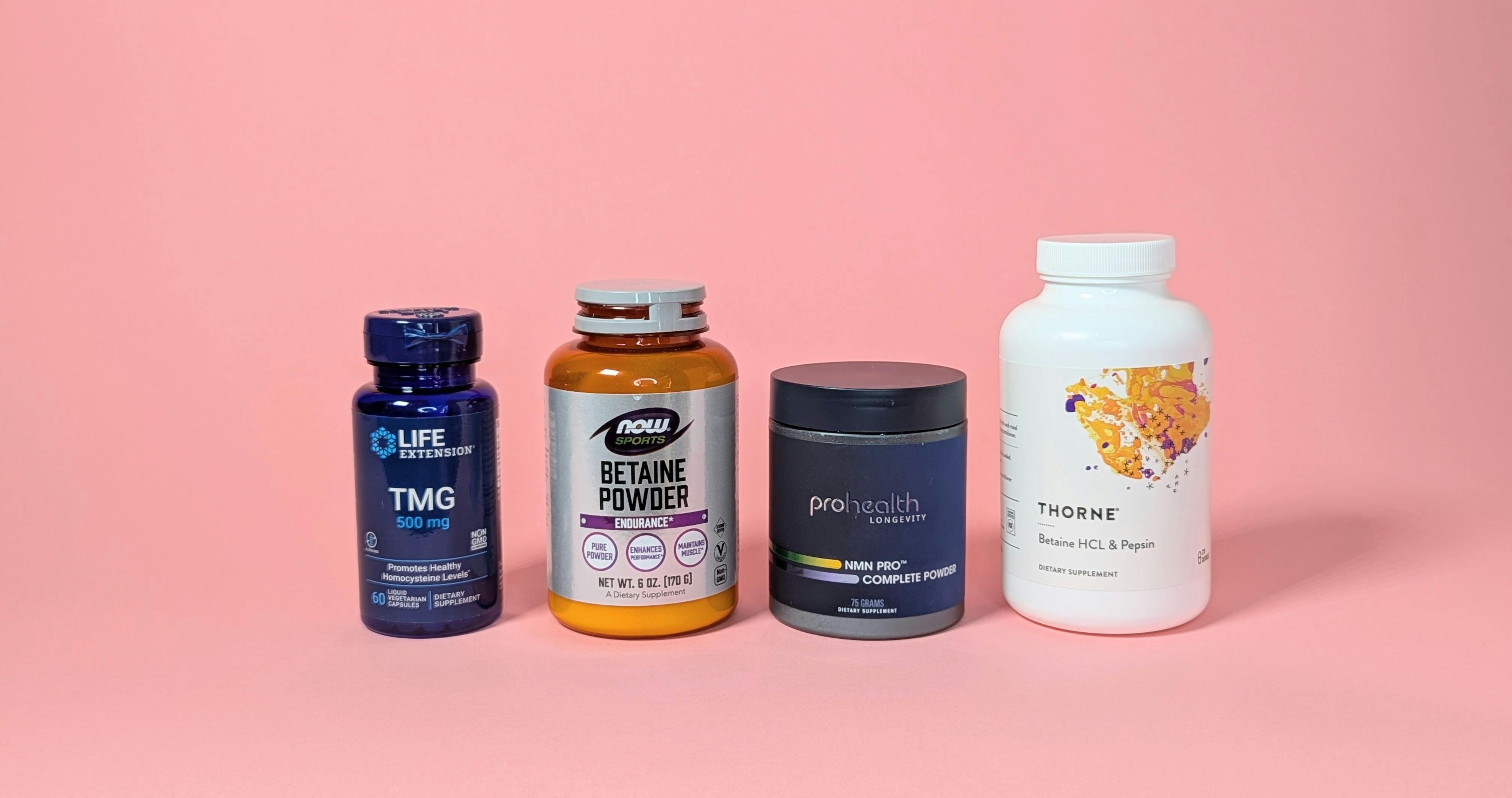
(Variety of weight loss supplement bottles, capsules, and powders commonly available)
How Do Weight Loss Supplements Work?
Weight loss supplements target different body processes:
- Appetite suppression: Ingredients make you feel full longer so you eat less.
- Fat blocking or burning: Some reduce fat absorption from food or increase the rate at which your body uses fat for energy.
- Metabolism boost: Stimulants raise body temperature or energy use, helping burn more calories even at rest.
- Blood sugar and energy balance: Certain fibers or minerals help stabilize sugar levels to prevent cravings.
Most effective results happen when weight loss supplements are combined with a calorie-controlled diet and regular physical activity. Weight loss supplements alone rarely lead to major, lasting weight loss.
Popular Types of Weight Loss Supplements
Many options exist, but here are some commonly discussed ones with their claimed benefits and what science says.
1. Green Tea Extract Green tea extract contains catechins like EGCG that may support fat oxidation and slightly increase calorie burn. Some studies show modest weight loss—around 1-2 kg over several weeks—especially when paired with caffeine. It also provides antioxidants that benefit overall health. Side effects are usually mild but can include stomach upset if taken in high doses.

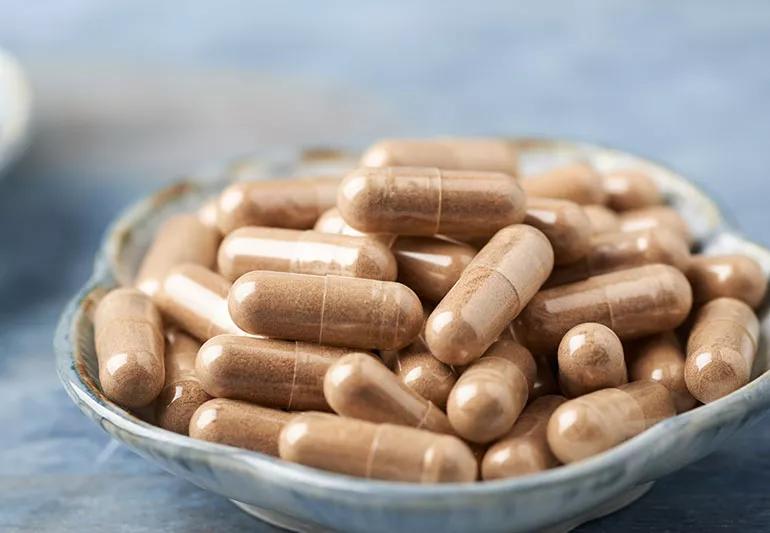

(Green tea extract capsules – one of the most popular natural weight loss supplements)
2. Glucomannan (from Konjac Root) This soluble fiber absorbs water and expands in the stomach, promoting fullness. Research suggests it can support small reductions in body weight when taken before meals with plenty of water. It may also help with constipation. Be careful to drink enough fluids to avoid choking risks or digestive discomfort.
3. Caffeine Caffeine is a common ingredient in many weight loss supplements. It can temporarily boost metabolism and improve exercise performance, helping you burn more calories during workouts. Moderate amounts (like from coffee or tea) are generally safe for most adults, but too much can cause jitteriness, insomnia, or increased heart rate.
4. Orlistat (Alli – the only FDA-approved OTC weight loss aid) Alli works by blocking about 25% of dietary fat from being absorbed. Users often lose more weight than with diet alone, but it requires a low-fat diet to reduce side effects like oily stools or gas.
5. Fiber Supplements (like Psyllium) Soluble fiber helps control hunger and supports steady blood sugar. Some reviews indicate psyllium can contribute to noticeable weight reduction over months when used consistently with healthy eating.
6. Protein Powders or Supplements Protein helps preserve muscle during calorie deficits and keeps you satisfied longer. While not strictly a “fat burner,” higher protein intake supports better body composition during weight loss efforts.
Other ingredients sometimes found include conjugated linoleic acid (CLA), L-carnitine, chromium, and various herbal blends. Evidence for many of these is limited or mixed, with effects often small.
The Science Behind Weight Loss Supplements
Scientific evidence on weight loss supplements is mixed. Large reviews show that most ingredients produce only modest effects—if any—compared to placebo. For example, some trials report average additional loss of 0.5 to 2 kg over 8-12 weeks, but results depend heavily on diet and lifestyle changes.
High-quality studies emphasize that no supplement replaces the need for a calorie deficit. Factors like genetics, age, sleep quality, stress levels, and hormone balance also influence outcomes far more than any pill.
Benefits and Potential Drawbacks of Weight Loss Supplements
Potential Benefits:
- Convenient support for busy people.
- May reduce hunger or boost workout energy.
- Some provide extra nutrients or fiber missing in modern diets.
- Can serve as a psychological motivator to stick with healthy habits.
Drawbacks and Risks:
- Limited proven long-term effectiveness for most products.
- Possible side effects ranging from mild (headaches, digestive issues) to serious.
- Interactions with medications.
- Quality varies—some products may contain undeclared ingredients.
- High cost without guaranteed results.


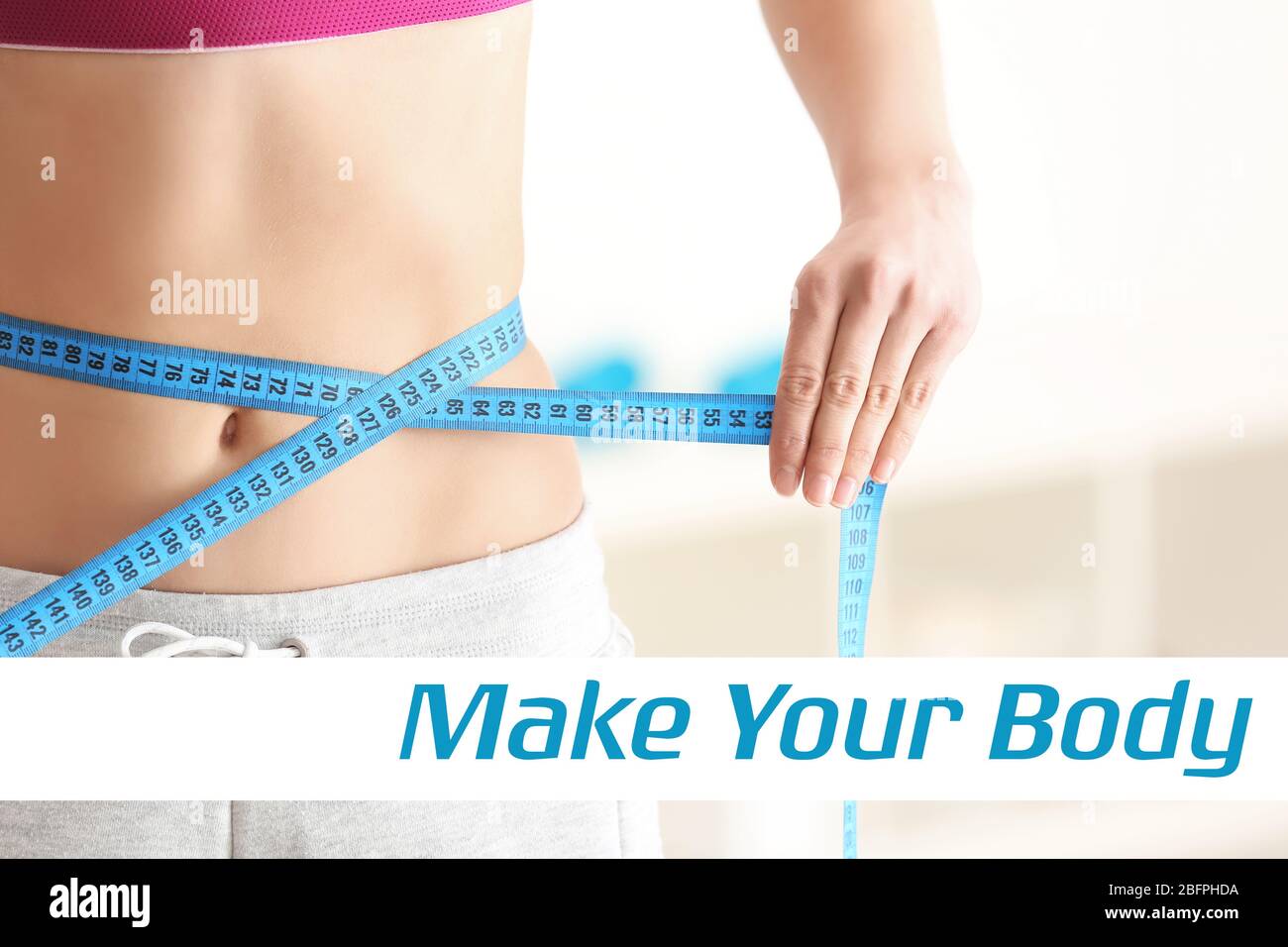
(Measuring waist progress is an important part of any weight loss journey supported by healthy habits and weight loss supplements)
Safety Tips When Considering Weight Loss Supplements
Safety comes first when using weight loss supplements. Here are practical guidelines:
- Consult your doctor, especially if you have conditions like high blood pressure, diabetes, or thyroid issues.
- Start with low doses to check tolerance.
- Choose products with transparent labeling (avoid “proprietary blends”).
- Prioritize whole foods first—weight loss supplements should never replace balanced meals.
- Stay hydrated, especially with fiber-based weight loss supplements.
- Monitor your body and stop use if you experience unusual symptoms.
- Combine with lifestyle changes: Aim for regular exercise and good sleep.
Sustainable weight loss is usually 0.5-1 kg per week. Faster loss often leads to rebound weight gain.
How to Choose the Right Weight Loss Supplements
With so many options, follow these steps when selecting weight loss supplements:
- Research ingredients using trusted sites.
- Read verified user reviews.
- Check for third-party testing seals (NSF or USP).
- Consider your specific goals: appetite control, energy, or fat metabolism.
- Budget wisely—quality matters more than price.
For beginners, simple options like green tea extract or a fiber supplement may be gentler.
Integrating Weight Loss Supplements into a Healthy Lifestyle
Weight loss supplements work best as part of a bigger plan:
- Diet: Focus on whole, nutrient-dense foods. Reduce processed sugars and refined carbs.
- Exercise: Mix cardio for calorie burn with strength training to build muscle.
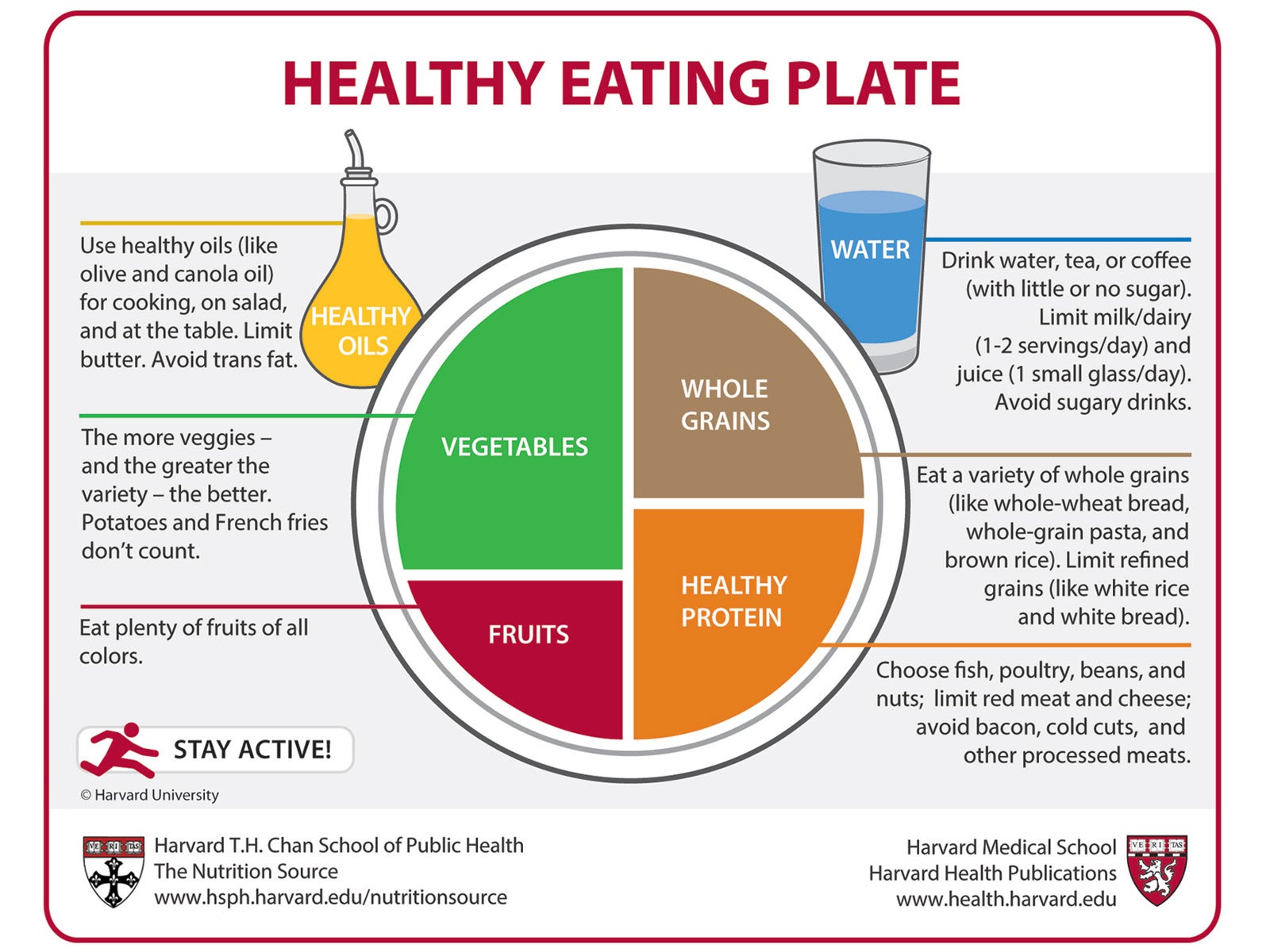
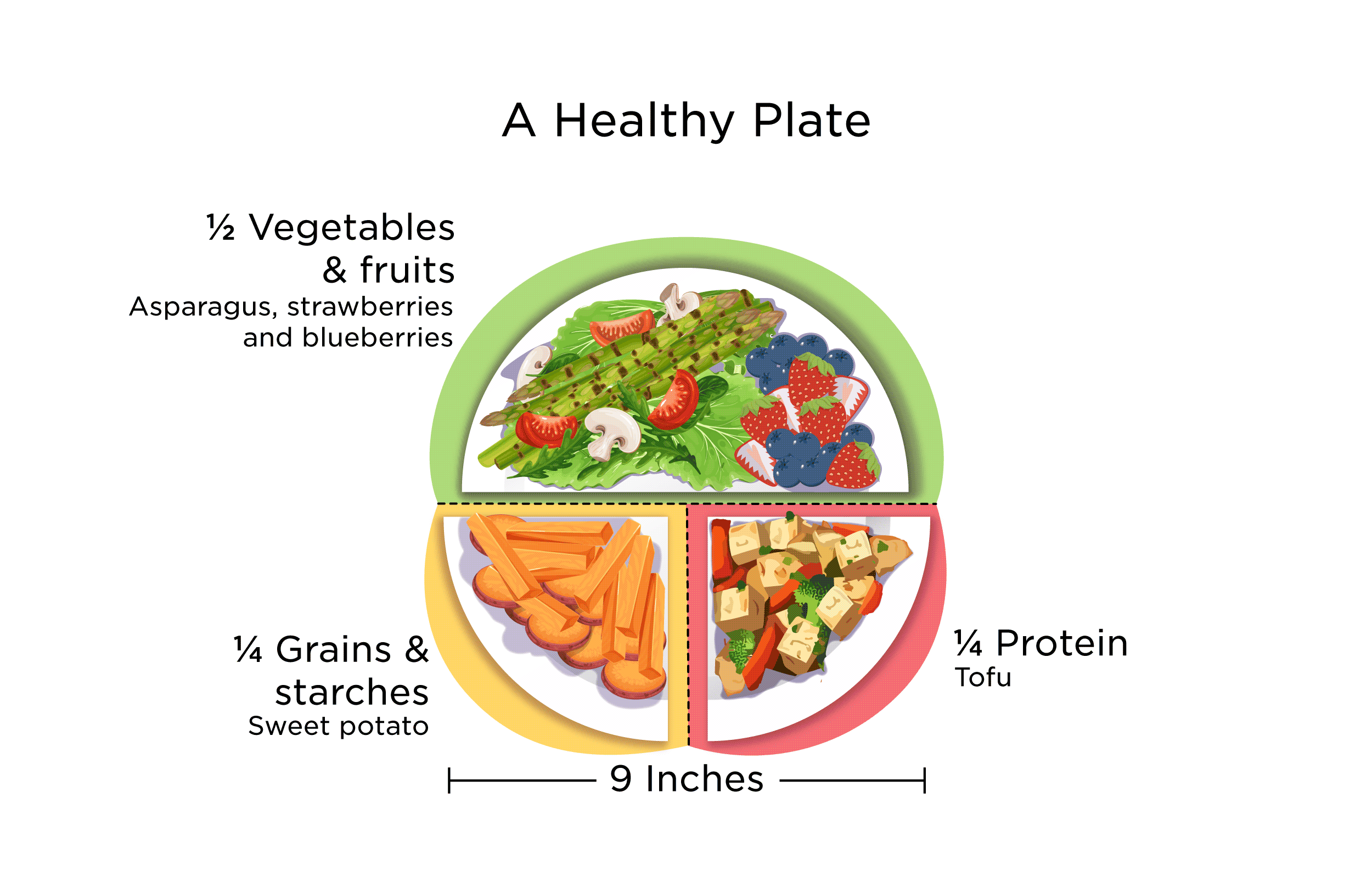
:max_bytes(150000):strip_icc()/30-Day-High-Protein-High-Fiber-Meal-Plan-for-Weight-Loss-Created-by-a-Dietitian-b8a995a016564bc1b7da3a9140c83d47.jpg)
(A balanced healthy plate is essential when using weight loss supplements for long-term success)



(Regular outdoor exercise combined with weight loss supplements can accelerate healthy progress)
Common Myths About Weight Loss Supplements
Myth 1: “Natural means completely safe.” Myth 2: “Weight loss supplements alone will melt fat.” Myth 3: “More is better.” Myth 4: “All weight loss supplements are the same.” Myth 5: “They work for everyone equally.”
Real User Experiences and What to Expect
People often share stories of feeling less hungry or having more workout stamina after starting weight loss supplements. Others notice no change or experience digestive issues. Success stories almost always include improved eating and activity levels alongside the product.
Expect modest support rather than transformation. Sustainable change comes from habits you can maintain for years.


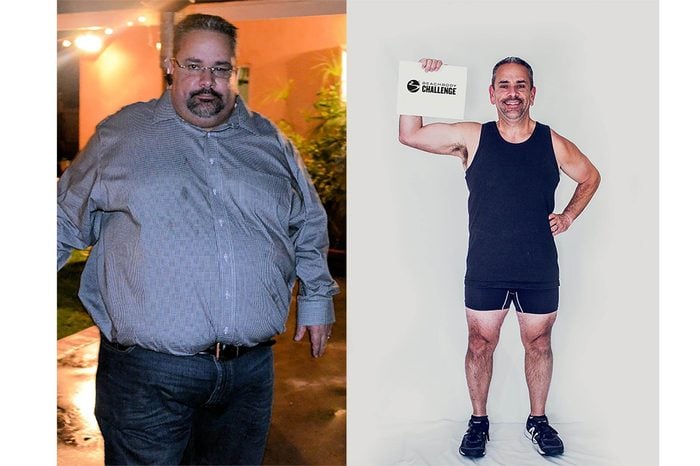
(Realistic before-and-after transformations show that consistent diet, exercise, and smart use of weight loss supplements lead to visible results)
Weight Loss Supplements for Different Groups
- Men: May benefit from options supporting higher protein needs.
- Women: Consider hormone-friendly choices and consult doctors around menstrual cycles or menopause.
- Older Adults: Focus on safety and interactions with medications.
- Beginners: Start simple with gentle options like fiber or green tea.
The Future of Weight Loss Support
Research continues into better formulations, but natural approaches remain popular for those preferring non-drug paths.
Conclusion
Weight loss supplements can offer small assistance in your journey when chosen wisely and used responsibly. They are tools, not magic solutions. Focus first on nutritious eating, regular movement, good sleep, and stress management—these foundations deliver the biggest and most lasting results.
Approach weight loss supplements with realistic expectations. Read labels, prioritize safety, and seek professional advice. True success is feeling healthier and more energetic in the long run.
Disclaimer This article is for informational and educational purposes only. It is not medical advice, diagnosis, or treatment. Weight loss supplements may cause side effects or interact with medications. Consult a qualified healthcare professional before starting any supplement, especially if you have pre-existing health conditions, are taking prescription drugs, are pregnant, breastfeeding, or under 18 years old. Results vary individually. The FDA does not approve most dietary supplements for weight loss effectiveness or safety. Sustainable weight management relies primarily on balanced diet and lifestyle changes.
FAQs
- Are weight loss supplements effective? Most provide only modest benefits when combined with diet and exercise. No supplement guarantees significant or permanent weight loss on its own.
- What is the best weight loss supplement? There is no single “best” for everyone. Options like green tea extract or glucomannan fiber have some supporting evidence, but individual results differ.
- Do weight loss supplements have side effects? Yes, possible effects include digestive issues, jitteriness, or more serious concerns. Always follow dosage instructions.
- Can I take weight loss supplements long term? Long-term safety data is limited for many products. Focus on building healthy habits instead.
- Are natural weight loss supplements safer? “Natural” does not always mean safe. Quality and dosage matter greatly.
- How quickly do weight loss supplements work? Any noticeable effects usually appear over weeks, not days.
- Should I combine weight loss supplements with diet and exercise? Yes—absolutely. Weight loss supplements work best as a support tool alongside calorie control and physical activity.
References
- Office of Dietary Supplements, National Institutes of Health: Dietary Supplements for Weight Loss.
- Mayo Clinic: Articles on weight loss supplements and orlistat.
- Systematic reviews on green tea extract, glucomannan, and fiber from PubMed.
- FDA warnings on adulterated weight loss products.