The Power of Hydration: Water’s Impact on Metabolism and Appetite
The Power of Hydration: Water’s Impact on Metabolism and Appetite is a topic that resonates deeply in today’s health-conscious world. As we navigate busy lifestyles, understanding how something as simple as water can profoundly influence our body’s energy processes and hunger signals becomes essential. This comprehensive guide explores the science, practical applications, and long-term benefits of staying hydrated for better metabolic health and appetite regulation.
Understanding Hydration and Its Fundamental Role in the Body
Hydration is the cornerstone of bodily functions. Water makes up about 60% of an adult’s body weight and is vital for every cell, tissue, and organ. It transports nutrients, regulates temperature, lubricates joints, and aids in waste elimination. When we discuss The Power of Hydration: Water’s Impact on Metabolism and Appetite, we recognize that even mild dehydration can disrupt these processes, leading to sluggish metabolism and increased hunger misperceptions.
Dehydration occurs when fluid loss exceeds intake. Signs include thirst, dark urine, fatigue, headaches, dizziness, dry mouth, and reduced cognitive function. In severe cases, it can cause confusion or rapid heartbeat. Chronic low-level dehydration may contribute to weight gain because the body confuses thirst with hunger.
Staying properly hydrated supports kidney function, digestion, and cardiovascular health. For metabolism, water is involved in chemical reactions like hydrolysis, breaking down food into usable energy. Without adequate water, these reactions slow, potentially reducing calorie burn efficiency.
The Power of Hydration: Water’s Impact on Metabolism and Appetite extends beyond basic survival—it optimizes performance. Athletes, office workers, and parents alike benefit from mindful water intake, as it sustains energy levels and curbs unnecessary snacking.
The Science Behind Water’s Effect on Metabolism
Metabolism encompasses all chemical processes converting food into energy. Basal metabolic rate (BMR) is the energy used at rest. Factors like age, muscle mass, and activity influence it, but hydration plays a key supporting role.
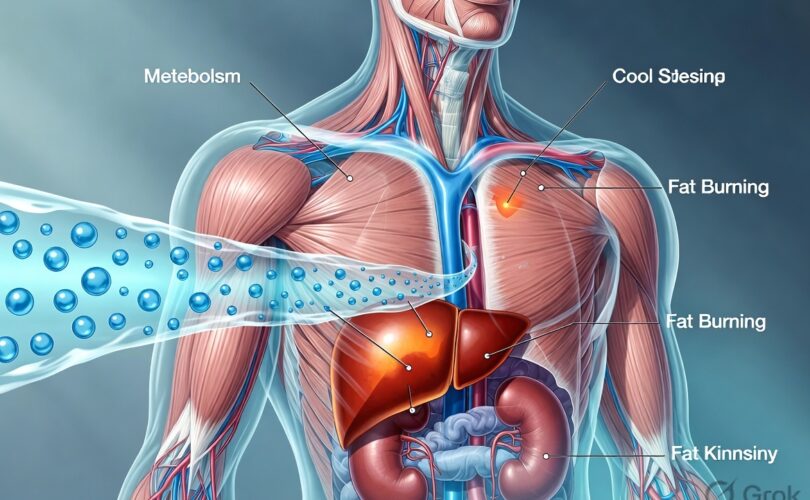
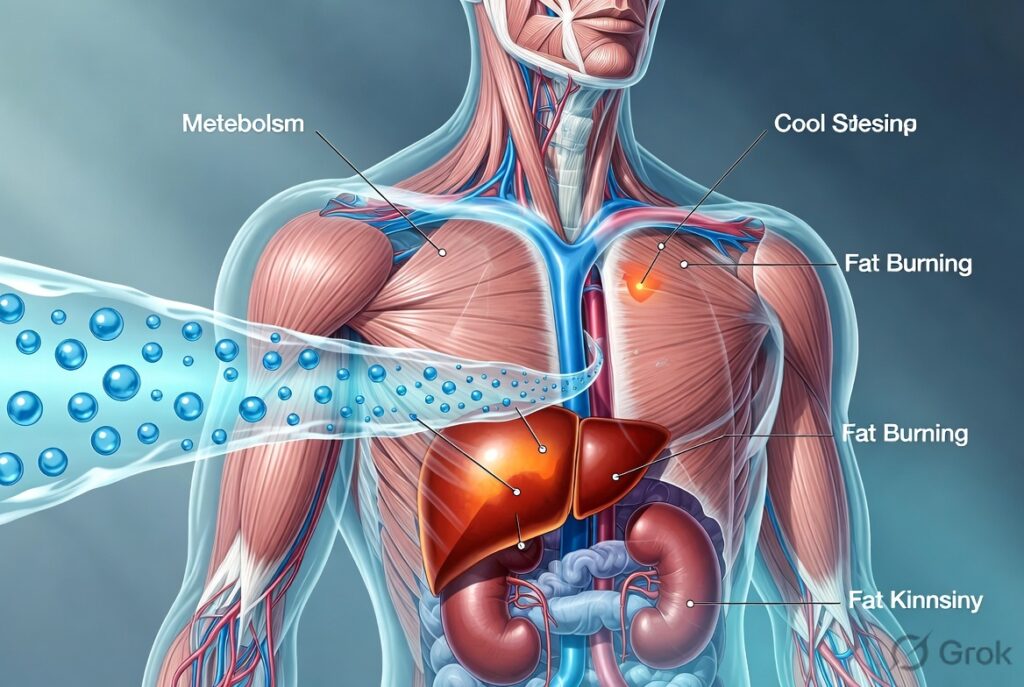
One key mechanism is water-induced thermogenesis. Drinking water, especially cold water, requires the body to expend energy warming it to core temperature. A notable 2003 study found that drinking 500 ml of water increased metabolic rate by about 30% in healthy adults, with the effect peaking around 30-40 minutes. This thermogenic response can contribute to greater daily energy expenditure.
While some studies show modest or variable effects depending on temperature, individual factors, and adiposity, the consensus supports that adequate hydration prevents metabolic slowdown from dehydration. Even mild dehydration (1-2% body weight loss) can impair performance and energy use.
The Power of Hydration: Water’s Impact on Metabolism and Appetite highlights how consistent intake supports fat oxidation. When hydrated, the body efficiently uses stored fat for energy, especially during exercise or fasting periods. Replacing sugary drinks with water also reduces calorie load, indirectly boosting metabolic health by preventing insulin spikes.
Cold water may offer a slight edge due to greater thermogenic demand. Imagine sipping ice-cold water throughout the day—your body works subtly harder, potentially burning extra calories over time.
How Hydration Influences Appetite and Satiety
Appetite regulation involves complex hormonal signals like ghrelin (hunger) and leptin (fullness). Dehydration can amplify ghrelin or cause the brain to misinterpret signals, leading to overeating.
Drinking water before meals promotes gastric distension, signaling fullness to the brain. Studies show that consuming 500 ml of water 30 minutes before eating can reduce calorie intake by 13-22% in some groups, particularly middle-aged and older adults.
The Power of Hydration: Water’s Impact on Metabolism and Appetite is evident in weight management strategies. Pre-meal water helps differentiate thirst from hunger, a common pitfall. One study with overweight women showed greater weight loss when water replaced caloric beverages.
Beyond volume, hydration supports gut health and nutrient absorption, stabilizing blood sugar and reducing cravings. Fiber-rich diets pair excellently with high water intake for enhanced satiety.
Practical example: Start your day with a large glass of water. This kickstarts metabolism and sets a hydrated tone, potentially lowering breakfast calories.
Scientific Evidence and Key Studies on The Power of Hydration: Water’s Impact on Metabolism and Appetite
Numerous studies underscore these effects. In one trial, participants drinking extra water before meals lost more weight on a hypocaloric diet. Longitudinal data link higher water intake to less weight gain over years.
A 12-week study with middle-aged adults consuming 500 ml water three times daily before meals showed increased weight loss compared to controls.
Thermogenesis research, while sometimes mixed in replication, consistently shows short-term metabolic boosts. Replacing sugar-sweetened beverages with water reduces overall energy intake and supports fat loss.
For appetite, pre-meal hydration consistently reduces perceived hunger. These findings are particularly relevant for obesity management and GLP-1 medication users, where hydration aids side effect management and efficacy.
The Power of Hydration: Water’s Impact on Metabolism and Appetite is backed by physiology: water facilitates enzymatic reactions, hormone balance, and neural signaling for hunger control.
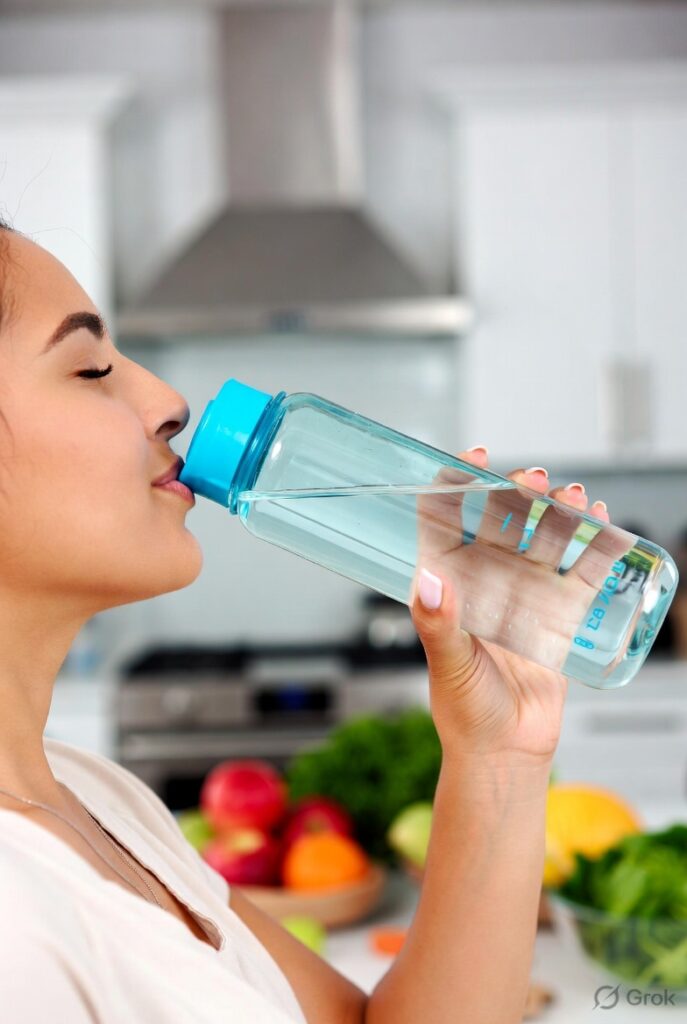
Practical Tips for Maximizing Hydration Benefits
To harness The Power of Hydration: Water’s Impact on Metabolism and Appetite, adopt these strategies:
Start Early: Drink 500 ml upon waking to rehydrate after overnight fast and boost morning metabolism.
Pre-Meal Ritual: Consume 1-2 glasses of water 20-30 minutes before eating to enhance fullness.
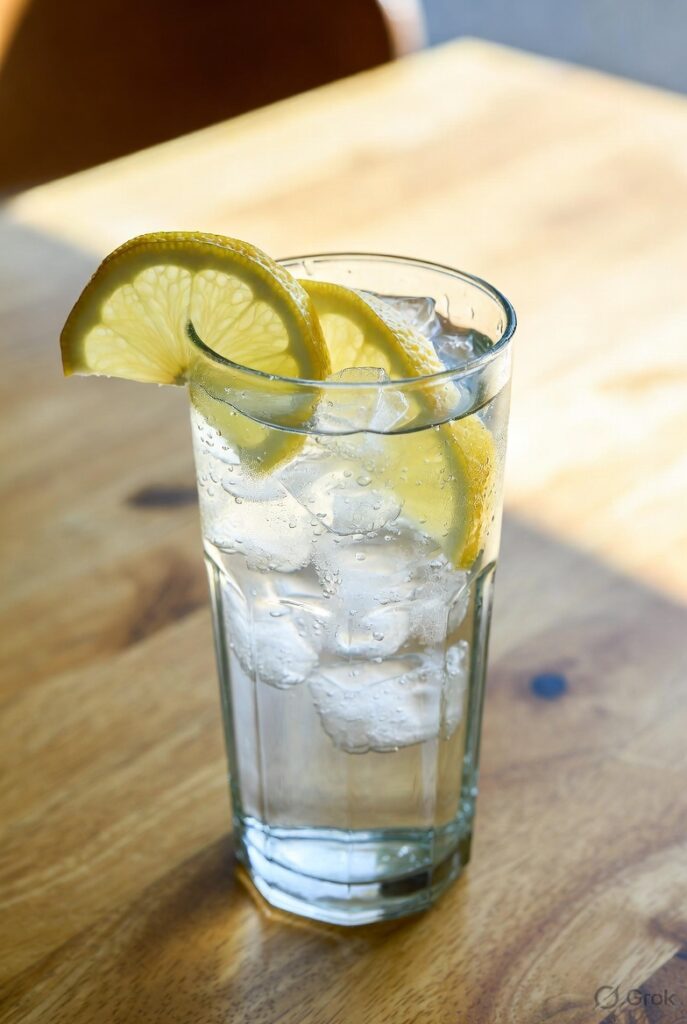
Infuse Flavor: Add lemon, cucumber, or berries for variety without calories.
Track Intake: Use apps or marked bottles aiming for pale yellow urine as a hydration marker.
Pair with Meals: Sip during meals but prioritize pre-meal intake.
Exercise Hydration: Drink before, during, and after workouts to sustain performance and post-exercise metabolism.
Evening Wind-Down: Avoid excessive intake close to bed to prevent disruptions, but maintain steady daytime levels.
Environmental Adjustments: Increase intake in heat, during flights, or high-altitude activities.
Consistency matters more than perfection. Over weeks, these habits compound, supporting sustainable metabolic and appetite improvements.
Hydration for Weight Management and Overall Health
Integrating The Power of Hydration: Water’s Impact on Metabolism and Appetite into a weight loss plan yields multifaceted benefits. It aids calorie deficit creation without restrictive dieting, supports muscle preservation during loss, and improves exercise recovery.
Hydrated individuals often report better mood, focus, and skin health. It reduces risks of kidney stones, urinary tract infections, and constipation.
For specific populations: Older adults may benefit more from pre-meal water due to diminished thirst signals. Active individuals need extra to offset sweat losses. Pregnant or breastfeeding people require increased fluids.
Common Myths and Misconceptions
Myth: You must drink exactly 8 glasses daily. Reality: Needs vary; 11-15+ cups total fluid from all sources suits many, adjusted for lifestyle.
Myth: All fluids count equally. Water is ideal, but tea, coffee, and watery foods contribute, while sugary drinks undermine benefits.
Myth: Overhydration is harmless. Excessive intake without electrolytes can cause hyponatremia, though rare in healthy people.
The Power of Hydration: Water’s Impact on Metabolism and Appetite thrives on balance, not extremes.
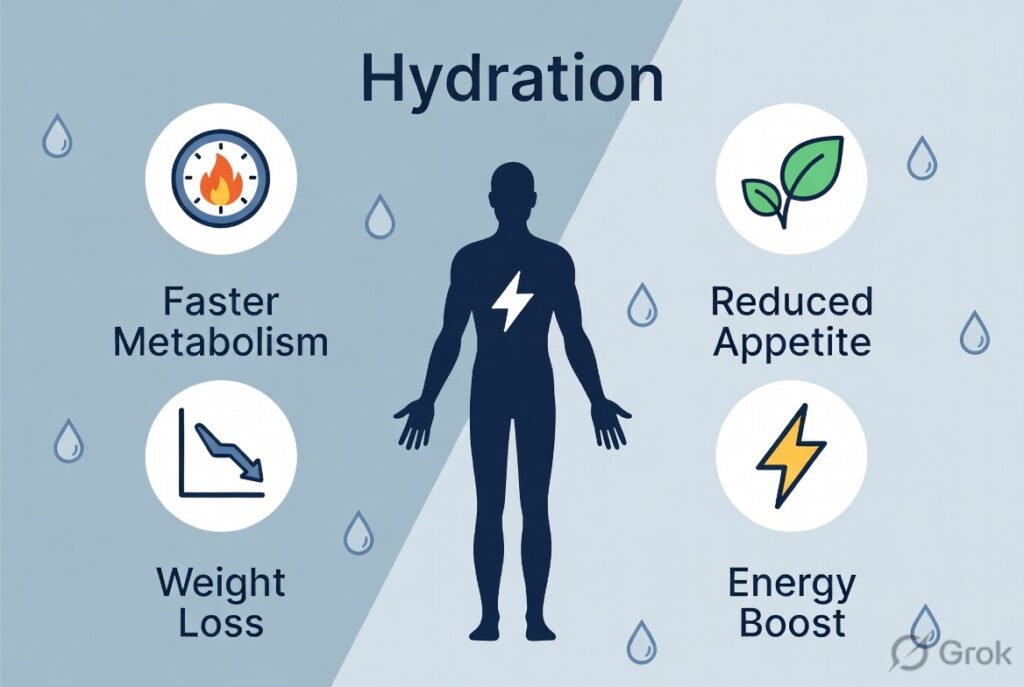
How Much Water Is Enough?
General guidelines suggest about 3.7 liters (15.5 cups) for men and 2.7 liters (11.5 cups) for women from all sources. Plain water should form a large portion. Factors increasing needs: exercise, heat, pregnancy, illness.
Listen to your body—thirst is a late signal. Urine color is a practical indicator.
Signs of Dehydration to Watch For
Fatigue and headaches
Dry skin or mouth
Constipation
Dark urine or reduced output
Dizziness or irritability
Address promptly to restore metabolic and appetite balance.
The Power of Hydration: Water’s Impact on Metabolism and Appetite becomes clear when reversing these symptoms leads to renewed vitality and better eating control.
Long-Term Lifestyle Integration
Building hydration habits involves environment design: keep water visible, set reminders, and link to routines like meals or commutes. Combine with balanced diet, sleep, and movement for synergistic effects on metabolism and appetite.
Over months, many experience stabilized weight, fewer cravings, and higher energy—testimonials align with study outcomes.
The Power of Hydration: Water’s Impact on Metabolism and Appetite empowers proactive health management accessible to everyone.
The Power of Hydration: Water’s Impact on Metabolism and Appetite continues to inspire research and daily practices worldwide. Its simplicity belies profound potential.
Disclaimer
This article is for informational purposes only and is not a substitute for professional medical advice. Consult a healthcare provider before making significant dietary or hydration changes, especially with medical conditions or medications. Individual results vary based on health status, age, and lifestyle.
FAQs
1. Does drinking water really boost metabolism significantly?
It can cause a temporary increase via thermogenesis, contributing modestly to daily expenditure when part of consistent habits. Effects are more pronounced with cold water and in certain populations.
2. How soon before meals should I drink water for appetite control?
About 30 minutes prior allows time for fullness signals. Studies support 500 ml volumes.
3. Can I drink too much water?
Yes, though uncommon. Spread intake and balance electrolytes if consuming large amounts.
4. What if I don’t like plain water?
Infuse with natural flavors or try sparkling water. Focus on total fluid from healthy sources.
5. Does hydration help with weight loss without diet changes?
It supports efforts by reducing intake and boosting expenditure but works best alongside balanced nutrition and activity.
6. Are there differences for men and women?
Needs vary slightly by body size and hormones, but principles remain similar. Women may need attention during menstrual cycles or pregnancy.
7. How does hydration affect exercise and recovery?
It maintains performance, prevents cramps, and aids nutrient delivery for better metabolic outcomes post-workout.
The Power of Hydration: Water’s Impact on Metabolism and Appetite addresses many common questions, encouraging experimentation for personal optimization.
The Power of Hydration: Water’s Impact on Metabolism and Appetite
The Power of Hydration: Water’s Impact on Metabolism and Appetite (repeated for emphasis in key contexts).
The Power of Hydration: Water’s Impact on Metabolism and Appetite offers actionable insights.
References
Popkin BM. Water, Hydration and Health. PMC.
Davy BM. Water intake, hydration, and weight management. ScienceDirect.
Johns Hopkins University Hub. Yes, drinking more water may help you lose weight.
Boschmann M. Water-induced thermogenesis. J Clin Endocrinol Metab.
Mayo Clinic and NIH resources on hydration and dehydration.