
Exercise Routines for Seniors with Diabetes
Disclaimer: This article provides general information for educational purposes only. It is not medical advice. Exercise Routines for Seniors with Diabetes must be approved by your doctor first. Every senior has different health needs, especially with diabetes. Talk to your healthcare provider before starting any new activity. They can check your blood sugar levels, heart health, and any other conditions. Always monitor how you feel during exercise and stop if you feel pain, dizziness, or shortness of breath.
Exercise Routines for Seniors with Diabetes can change lives when done safely and regularly. As we age, staying active becomes even more important for managing blood sugar, staying strong, and feeling good every day. Many seniors with diabetes worry that exercise might be too hard or risky, but the truth is simple: gentle, regular movement helps the body use insulin better, keeps blood sugar steady, and brings joy and energy back into daily life. In this complete guide, you will discover easy-to-follow Exercise Routines for Seniors with Diabetes that fit any fitness level, home setup, or schedule. We focus on low-impact options, chair-based moves, and family-friendly ideas so everyone can join in.
Exercise Routines for Seniors with Diabetes are not about pushing limits or becoming an athlete overnight. They are about small, consistent steps that add up to big health wins. Whether you are 65 or 85, these routines can lower A1C numbers, improve balance to prevent falls, and lift your mood. Families often notice their loved one smiling more, sleeping better, and needing less medication over time. The best part? You do not need fancy equipment or a gym. A sturdy chair, comfortable shoes, and a little time each day are enough to begin.

This happy group of seniors shows exactly how fun and social Exercise Routines for Seniors with Diabetes can be. Outdoor stretching classes like this build strength and friendships at the same time.
Why Exercise Routines for Seniors with Diabetes Matter More Than Ever
Diabetes affects how the body handles sugar in the blood. For seniors, extra challenges like weaker muscles, stiff joints, or slower healing make daily life harder. Exercise Routines for Seniors with Diabetes directly fight these issues. When muscles move, they pull sugar from the blood without needing as much insulin. This natural process helps keep glucose levels steady for hours after activity ends.
Studies from trusted health groups show that regular movement cuts the risk of heart problems, which is the top concern for people with diabetes. It also helps maintain a healthy weight, reduces stress, and improves sleep. Seniors who follow Exercise Routines for Seniors with Diabetes often report less joint pain, better memory, and more confidence walking around the house or neighborhood. Best of all, these routines slow down muscle loss that happens naturally after age 60, a condition called sarcopenia that makes blood sugar harder to control.
Family members play a big role here, too. When everyone understands why Exercise Routines for Seniors with Diabetes are important, they can cheer you on, join walks, or remind you to check your blood sugar before moving. Small changes today lead to fewer doctor visits and happier years ahead.
The Many Benefits of Exercise Routines for Seniors with Diabetes
Let’s look closer at what happens inside the body when you stick with these routines. First, insulin sensitivity improves fast. Muscles become better at using the insulin your pancreas makes or the medicine you take. Blood sugar drops in a gentle, steady way instead of spiking and crashing.
Second, heart and lung health get a boost. Aerobic parts of Exercise Routines for Seniors with Diabetes strengthen the heart muscle so it pumps blood more efficiently. This lowers blood pressure and “bad” LDL cholesterol while raising “good” HDL cholesterol. Many seniors notice they climb stairs with less effort after just a few weeks.
Third, balance and flexibility reduce fall risk. Falls are scary for older adults with diabetes because nerve damage (neuropathy) can make feet feel numb. Simple balance moves in Exercise Routines for Seniors with Diabetes train the body to stay steady, protecting hips, wrists, and independence.
Fourth, mental health benefits are huge. Movement releases feel-good chemicals called endorphins. Seniors often say they feel less anxious or lonely after a short routine. Some even share stories of depression lifting as energy returns.
Fifth, weight management becomes easier without strict diets alone. Exercise Routines for Seniors with Diabetes burn calories and build muscle, which burns even more calories at rest. This helps keep belly fat down, a key factor in type 2 diabetes control.
Finally, long-term complications like eye, kidney, and nerve problems slow down when blood sugar stays in a good range. Doctors from the American Diabetes Association and CDC agree that 150 minutes of moderate activity per week, plus strength training twice a week, can make a real difference.
Exercise Routines for Seniors with Diabetes deliver all these wins in a safe, enjoyable way. You do not have to do everything at once. Start small and build confidence.
Types of Exercises Included in Exercise Routines for Seniors with Diabetes
Exercise Routines for Seniors with Diabetes combine four main types of movement. Each type plays a special role, and together they create a complete plan.
Aerobic Exercise gets the heart pumping and lungs working. Brisk walking, swimming, or cycling are perfect examples. These activities use large muscles for several minutes and directly lower blood sugar. Aim for 30 minutes most days, or break it into three 10-minute walks after meals. Walking after dinner is especially powerful because it stops the natural rise in blood sugar that happens after eating.
Strength Training builds and keeps muscle. Light dumbbells, resistance bands, or even your own body weight work well. Strong muscles pull more sugar from the blood, helping insulin work better. Seniors should do strength moves two or three times a week, never on back-to-back days, so muscles can rest.
Flexibility and Stretching keeps joints moving freely. Gentle stretches or chair yoga reduce stiffness and prevent injury. Yoga and tai chi also calm the mind, which is helpful when stress raises blood sugar.
Balance Training prevents falls. Standing on one foot with support, heel-to-toe walks, or tai chi forms improve stability. Many seniors with diabetes have nerve damage in the feet, so balance practice is extra important.
Mixing these four types creates balanced Exercise Routines for Seniors with Diabetes that are never boring. One day might focus on walking, another on chair strength moves, and the weekend on family yoga.

Walking in the fresh air is one of the simplest and most effective parts of Exercise Routines for Seniors with Diabetes. This couple shows how easy and enjoyable it can be.
Detailed Sample Exercise Routines for Seniors with Diabetes
Here are ready-to-use weekly plans. Start with the beginner level and move up only when you feel strong and your doctor says it is okay. Always warm up for 5 minutes with slow marching in place or arm circles. Cool down with gentle stretches.
Beginner Weekly Exercise Routines for Seniors with Diabetes (Week 1-4)
- Monday: 15-minute seated marching + 10 seated arm raises (aerobic + strength)
- Tuesday: 10-minute slow walk around the house or yard + gentle neck and shoulder stretches
- Wednesday: Rest or 5-minute family walk
- Thursday: Chair yoga video (10 minutes) for flexibility
- Friday: 15-minute seated leg lifts and wall push-ups
- Saturday: 20-minute leisurely outdoor walk with a grandchild or friend
- Sunday: Balance practice (stand near a chair and lift one foot for 10 seconds, repeat 5 times per side)
Total weekly activity: about 90-120 minutes. This meets the minimum needed for health gains while staying safe.
Intermediate Exercise Routines for Seniors with Diabetes (After 4-6 weeks)
- Monday: 25-minute brisk walk outside or on treadmill
- Tuesday: Full-body resistance band workout (10-12 reps of rows, bicep curls, leg presses)
- Wednesday: 15-minute water aerobics or pool walking if available
- Thursday: Chair or standing yoga for 20 minutes
- Friday: Strength day with 1-2 pound weights (squats, overhead presses, calf raises)
- Saturday: Family bike ride on stationary bikes or gentle cycling path (20-30 minutes)
- Sunday: Active rest with light stretching and balance games
These Exercise Routines for Seniors with Diabetes gradually increase time and intensity. Track blood sugar before and 2 hours after exercise to see how your body responds.
Advanced Exercise Routines for Seniors with Diabetes (With doctor approval). Add intervals: walk fast for 1 minute, then slow for 2 minutes. Include light dumbbell circuits 3 times a week. Try tai chi classes for 30 minutes twice weekly. Always keep total aerobic time around 150 minutes spread across the week.
Chair-Based Exercise Routines for Seniors with Diabetes
Many seniors have arthritis, balance concerns, or limited mobility. Chair exercises are perfect because they can be done at home while watching TV or listening to music. These moves are part of almost every successful Exercise Routines for Seniors with Diabetes plan.
Seated Marching Sit tall in a sturdy chair. Lift one knee toward your chest, then the other, as if marching. Do this for 5-10 minutes. It raises heart rate gently and strengthens legs without standing.
Seated Leg Extension:s Straighten one leg out in front, hold for 3 seconds, then lower slowly. Repeat 10 times per leg. This builds quadriceps and helps knee stability.
Seated Bicep Curls and Shoulder Press.es Hold water bottles or light weights. Curl your arms up to your shoulders, then press overhead. 10-12 repetitions build arm strength for daily tasks like carrying groceries.
Seated Side Leg Lifts: Lift one leg out to the side, hold, and lower. Great for hips and outer thighs.
Chair Yoga Flow: Reach arms overhead on inhale, fold forward gently on exhale. Twist side to side gently. These moves improve flexibility and calm breathing.
Perform chair routines 3-4 days a week for 15-30 minutes. They fit perfectly into Exercise Routines for Seniors with Diabetes because they are safe, effective, and easy to remember.
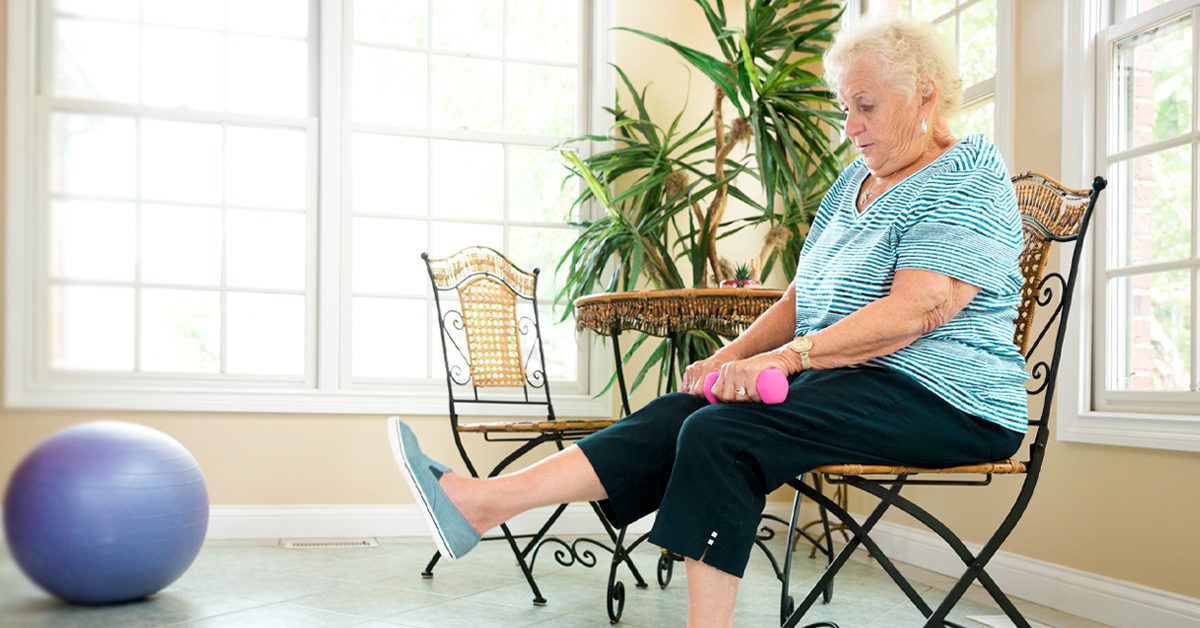
Chair exercises like these, seated leg lifts, and arm work make Exercise Routines for Seniors with Diabetes possible even if standing is difficult.
Strength Training in Exercise Routines for Seniors with Diabetes
Strength days are short but powerful. Use resistance bands, 1-3 pound dumbbells, or soup cans. Focus on proper form, not heavy weights.
Example routine (10-15 minutes):
- Wall push-ups or seated chest press (10 reps)
- Seated rows with band (10 reps)
- Sit-to-stand from chair (8-10 times)
- Calf raises holding chair (12 reps)
- Overhead press (10 reps)
Do two sets. Rest 48 hours between strength sessions. Stronger muscles mean better blood sugar control, even when you are sitting or sleeping.

Light dumbbell work like this is a safe and important part of Exercise Routines for Seniors with Diabetes. It builds muscle and confidence.
Flexibility, Yoga, and Balance Moves
Gentle yoga or tai chi twice a week adds the finishing touch. Poses can be done seated or standing with support. Focus on breathing slowly. Balance exercises include standing near a counter and shifting weight side to side or practicing heel-to-toe walking.
These moves reduce stiffness, lower stress hormones that raise blood sugar, and improve posture. Many seniors say they feel taller and steadier after a month.

Yoga and tai chi are wonderful additions to Exercise Routines for Seniors with Diabetes because they combine movement, balance, and calm breathing.
How to Start Exercise Routines for Seniors with Diabetes Safely
- Get cleared by your doctor and ask about any medicine changes.
- Check blood sugar before, during (if session is long), and after exercise.
- Wear proper shoes with good support.
- Stay hydrated – drink water before and after.
- Start with 5-10 minutes and add time slowly.
- Listen to your body. Mild tiredness is normal; pain is not.
- Have a snack ready if blood sugar drops too low (below 100 mg/dL).
Exercise Routines for Seniors with Diabetes work best when you make them a habit. Put them on your calendar like any important appointment.
Monitoring Blood Sugar During Exercise Routines for Seniors with Diabetes
Blood sugar can drop during or hours after activity. Always test before starting. If it is under 100, eat 15 grams of carbohydrate first. Carry glucose tabs or fruit juice just in case. Some seniors notice blood sugar stays lower for up to 24 hours after a good walk. Share your numbers with your doctor so they can adjust medicines if needed.
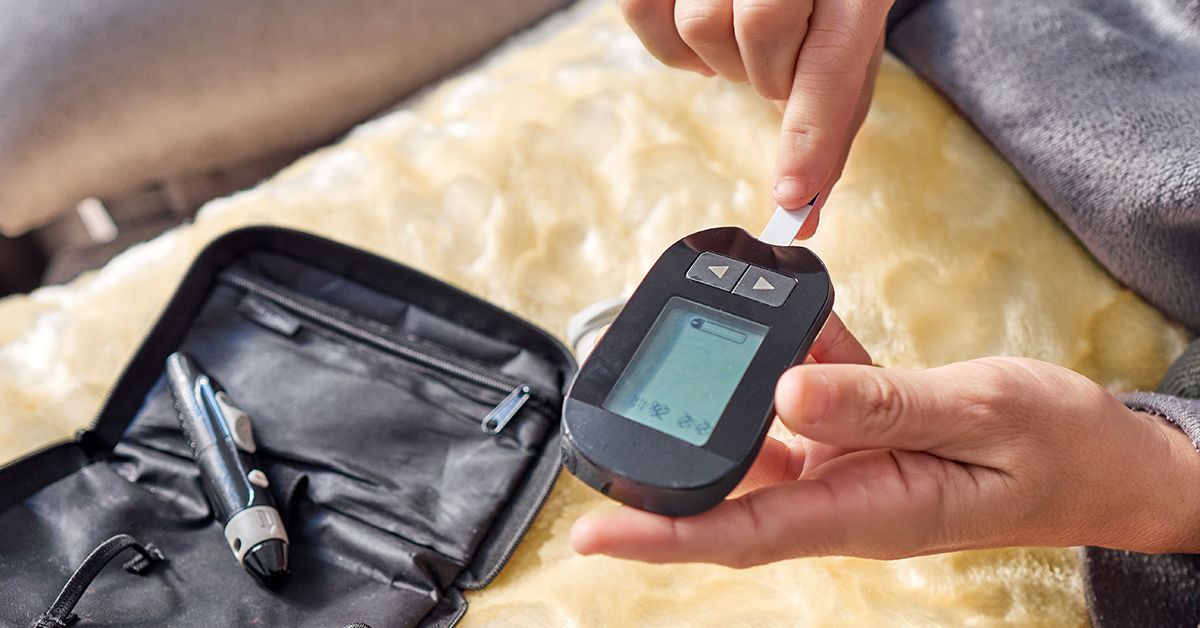
Checking blood sugar before and after movement is a smart habit in every Exercise Routines for Seniors with Diabetes plan.
How Family Can Support Exercise Routines for Seniors with Diabetes
Families make everything easier and more fun. Grandkids can walk with you, play gentle games, or hold the resistance band during strength time. Spouses or adult children can join chair yoga videos together. Cook healthy meals as a team after exercise sessions. Celebrate small wins like completing a full week of routines with a family movie night or a special non-sugary treat.
When the whole family understands Exercise Routines for Seniors with Diabetes, they remind you gently, help track progress in a notebook, and drive you to community classes if needed. This support turns exercise from a chore into shared family time.

Family involvement turns Exercise Routines for Seniors with Diabetes into joyful shared moments.
Common Mistakes to Avoid in Exercise Routines for Seniors with Diabetes
- Skipping warm-up or cool-down
- Exercising on an empty stomach or right after a big meal without checking sugar levels
- Doing too much too soon and getting injured
- Ignoring signs of low blood sugar (shakiness, sweating)
- Forgetting to breathe during strength moves
Stay consistent instead of perfect. Missing a day is normal; just start the next day again.
Nutrition Tips That Work With Exercise Routines for Seniors with Diabetes
Pair movement with balanced meals. Choose vegetables, lean protein, whole grains, and healthy fats. Eat a small carb-protein snack before longer sessions if needed. Stay hydrated. Many seniors find that following Exercise Routines for Seniors with Diabetes makes it easier to control portions because they feel more energetic and less hungry for sweets.
Real-Life Success Stories
Maria, 72, started with 10-minute chair marches. Six months later, her A1C dropped from 8.2 to 6.9. She now walks 25 minutes daily with her daughter and feels 10 years younger. Raj, 68, added resistance bands after doctor approval. His energy improved so much that he plays with his grandchildren without tiring. These stories show Exercise Routines for Seniors with Diabetes really work.
Putting It All Together
Exercise Routines for Seniors with Diabetes are simple, safe, and life-changing when followed with care. Start today with just one short walk or chair march. Build slowly, celebrate progress, and involve family. Your body, mind, and blood sugar will thank you for years to come. Remember, consistency beats intensity. Small daily efforts in Exercise Routines for Seniors with Diabetes create lasting health and happiness.
FAQs
Q1: Are Exercise Routines for Seniors with Diabetes safe for everyone? Yes, when approved by your doctor and started slowly. Chair versions work for almost any mobility level.
Q2: How often should I do Exercise Routines for Seniors with Diabetes? Aim for activity most days, totaling 150 minutes of moderate movement per week plus strength training twice.
Q3: What if my blood sugar is high before exercise? Check with your doctor. Light activity often helps bring it down, but very high levels (over 300) may need medicine first.
Q4: Can I do Exercise Routines for Seniors with Diabetes if I have neuropathy? Yes, but focus on seated or low-impact options and wear supportive shoes. Balancing work is especially helpful.
Q5: Do I need special equipment? No. Most routines use a chair, water bottles, or resistance bands that you can buy cheaply.
Q6: How long until I see results? Many seniors feel more energy in 2-4 weeks. Blood sugar improvements can show in blood tests after 6-8 weeks.
Q7: What should I eat before Exercise Routines for Seniors with Diabetes? A small snack like an apple with peanut butter or yogurt if your sugar is low-normal.
Q8: Can grandchildren join Exercise Routines for Seniors with Diabetes? Absolutely! Family walks, dance parties, or chair games make it fun for all ages.
References
- American Diabetes Association. Get Active | Diabetes. https://diabetes.org/health-wellness/fitness
- National Council on Aging. The 6 Best Activities for Older Adults with Diabetes. https://www.ncoa.org/article/the-6-best-activities-for-older-adults-with-diabetes/
- Centers for Disease Control and Prevention. Get Active | Diabetes. https://www.cdc.gov/diabetes/living-with/physical-activity.html
- Intermountain Healthcare. 8 Exercise Ideas for Seniors Managing Diabetes. https://intermountainhealthcare.org/blogs/article/8-exercise-ideas-for-seniors-managing-diabetes
- SilverSneakers. Exercises for Diabetes for Seniors. https://www.silversneakers.com/blog/video/exercises-for-diabetes-for-seniors/
Stay consistent, listen to your body, and enjoy the journey with Exercise Routines for Seniors with Diabetes. You’ve got this!