
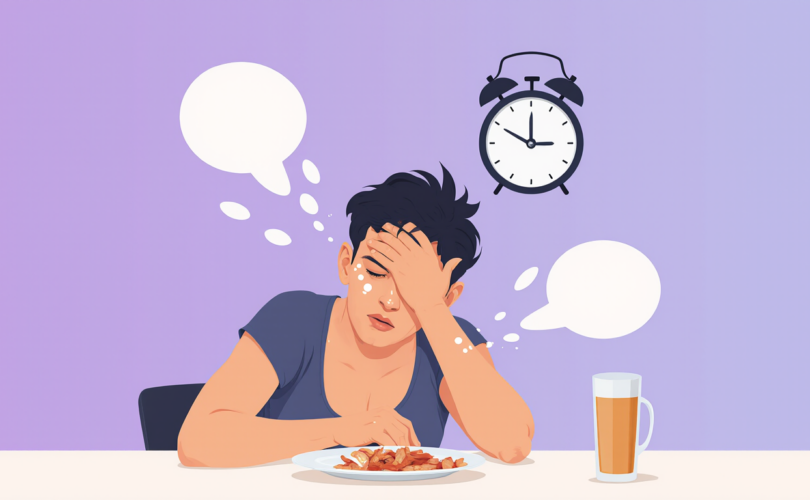
Can Skipping Dinner Cause Low Blood Sugar?
Unpacking the Risks and Realities
In today’s fast-paced world, skipping dinner has become a popular strategy for weight loss, intermittent fasting, or simply fitting in a hectic schedule. (Can Skipping Dinner Cause Low Blood Sugar?) But what if that late-night decision to forgo your evening meal is silently sabotaging your health?

One of the most pressing concerns is its potential link to low blood sugar, or hypoglycemia, a condition that can leave you feeling shaky, irritable, and downright unwell. If you’ve ever wondered, “Can skipping dinner cause low blood sugar?” you’re not alone. This article dives deep into the science, symptoms, risks, and practical advice to help you navigate meal timing without the crashes.
Hypoglycemia isn’t just a buzzword; it’s a real metabolic disruptor that affects millions worldwide. Whether you’re managing diabetes, experimenting with fasting protocols, or just trying to eat lighter at night, understanding how skipping dinner impacts your glucose levels is crucial. We’ll explore the physiological mechanisms, who’s most vulnerable, and evidence-based strategies to maintain stable blood sugar. By the end, you’ll have the tools to make informed choices that support your energy, mood, and long-term wellness.
Understanding Low Blood Sugar: The Basics of
Hypoglycemia
Before we tackle the dinner dilemma, let’s break down what low blood sugar really means. Hypoglycemia occurs when your blood glucose levels drop below the normal range (Can Skipping Dinner Cause Low Blood Sugar?), typically under 70 mg/dL for most adults. Glucose is your body’s primary energy source, fueling everything from brain function to muscle movement. When levels plummet, your system sounds the alarm, triggering a cascade of stress responses.
What Causes Low Blood Sugar?
The culprits behind hypoglycemia are multifaceted:
- Excessive Insulin or Medication: Common in people with diabetes who take insulin or sulfonylureas.
- Prolonged Exercise Without Fuel: Burning calories faster than you replenish them.
- Alcohol Consumption: It can inhibit glucose production in the liver.
- Irregular Eating Patterns: Including, yes, skipping meals like dinner.
Skipping dinner fits squarely into that last category. Without the evening meal, your body relies on stored glycogen and, eventually, fat for energy overnight. But if demand outstrips supply, say, due to stress, poor sleep, or underlying conditions, glucose dips dangerously low.
Common Symptoms of Low Blood Sugar
Recognizing the signs early can prevent escalation. Symptoms often hit in waves, starting mild and intensifying if untreated:
- Physical Signs: Shakiness, sweating, rapid heartbeat, hunger pangs, fatigue.
- Mental and Emotional: Irritability (“hangry” vibes), confusion, anxiety, dizziness.
- Severe Indicators: Blurred vision, seizures, or loss of consciousness in extreme cases.
If you’ve skipped dinner and wake up clammy or foggy-headed, it could be a red flag. Monitoring with a glucometer can confirm, but always consult a healthcare provider for personalized thresholds.
The Science Behind Skipping Dinner and Blood Sugar
Fluctuations
So, directly addressing the core question: Yes, skipping dinner can cause low blood sugar, especially if it’s a habitual pattern or combined with other factors. But how? Let’s unpack the biology.
How Meals Regulate Blood Sugar Throughout the Day
Your body operates on a circadian rhythm for metabolism. Breakfast kickstarts glucose uptake after overnight fasting, lunch sustains midday energy, and dinner acts as a buffer against the long haul to morning. It replenishes glycogen stores in the liver and muscles, preventing an overnight “energy drought.”
Research from the American Diabetes Association highlights that consistent meal timing stabilizes insulin sensitivity. When you skip dinner, however:
- Glycogen Depletion Accelerates: By bedtime, your liver’s reserves may run dry, forcing gluconeogenesis (glucose creation from proteins) an inefficient process that stresses the adrenals.
- Hormonal Imbalance: Cortisol (stress hormone) spikes to compensate, potentially leading to insulin resistance over time.
- Overnight Hypoglycemia Risk: Studies in the Journal of Clinical Endocrinology & Metabolism show that meal-skipping individuals experience 20-30% greater glucose variability during sleep.
A 2022 study in Nutrients analyzed 150 participants on intermittent fasting (16:8 protocol, often involving no dinner). Those with prediabetes saw blood sugar dips below 60 mg/dL in 40% of cases, correlating with fatigue and poor sleep quality.
Intermittent Fasting vs. Casual Skipping: Key
Differences
Not all dinner-skipping is equal. Structured intermittent fasting (IF), like time-restricted eating, can be beneficial for some, promoting autophagy and fat loss. However, casual omission driven by busyness rather than planning amps up risks. IF enthusiasts often preload with nutrient-dense lunches, but if your last meal is sparse, the gap widens.
Who’s Most at Risk from Skipping Dinner?
While anyone can experience a glucose dip, certain groups face heightened vulnerability:
- People with Diabetes: Type 1 and Type 2 individuals on meds are prime candidates. The ADA warns that skipping meals can amplify medication effects, leading to severe lows.
- Athletes and Active Individuals: High energy expenditure without refueling? Recipe for disaster.
- Those with Metabolic Disorders: Conditions like PCOS or thyroid issues disrupt glucose homeostasis.
- Elderly Adults: Slower metabolism means longer recovery from dips.
- Pregnant Women: Fetal demands make stable levels non-negotiable.
If you’re in these categories, track your habits with apps like MyFitnessPal or Glucose Buddy. A sudden switch to dinner-free evenings? Proceed with caution.
Immediate and Long-Term Effects of Skipping Dinner
on Blood Sugar
Short-Term Impacts: The Nighttime Rollercoaster
That post-skip crash isn’t imaginary. Without dinner’s carbs and proteins, your sympathetic nervous system activates “fight or flight,” releasing adrenaline. This provides a temporary glucose boost but leaves you wired yet weary. Morning cortisol surges follow, potentially derailing your day.
Anecdotal reports from forums like Reddit’s r/intermittentfasting echo this: Users describe “zombie mode” awakenings, with heart palpitations and brain fog lasting hours.
Long-Term Consequences: Beyond the Immediate Dip
Chronic dinner-skipping isn’t just about occasional lows; it’s a gateway to bigger issues:
- Weight Paradox: While aimed at calorie cuts, unstable sugar can spike cravings, leading to overeating later.
- Cardiovascular Strain: Frequent hypoglycemia stresses the heart, according to a Circulation review, raising arrhythmia risks.
- Cognitive Decline: The brain guzzles 20% of your glucose; repeated shortages impair memory and focus, as noted in Neurology studies.
- Hormonal Havoc: Disrupted melatonin and growth hormone from poor sleep quality compound metabolic woes.
Over months, this pattern may contribute to insulin resistance, edging you toward prediabetes. A longitudinal study in The Lancet Diabetes & Endocrinology followed 1,000 adults; those skipping evening meals had 15% higher HbA1c levels after a year.
Spotting and Managing Low Blood Sugar Episodes
Knowledge is power. Here’s how to intervene swiftly.
Emergency Response: The 15-15 Rule
If symptoms strike:
- Consume 15 grams of fast-acting carbs (e.g., glucose tabs, half a banana, or 4 oz juice).
- Wait 15 minutes and recheck levels.
- Repeat if needed; follow with a protein-carb snack like peanut butter on crackers.
Keep supplies handy: bedside, gym bag, purse. For diabetics, glucagon kits are lifesavers.
Prevention Strategies: Stabilizing Without Strict Rules
Ditch the all-or-nothing mindset. Instead:
- Opt for Light Dinners: Soups, salads with lean protein, or smoothies—aim for 300-500 calories.
- Time It Right: Eat within 2-3 hours of bedtime to avoid overnight dips.
- Incorporate Fiber and Fats: Slow-release options like avocado or nuts blunt spikes.
- Hydrate and Monitor: Dehydration mimics lows; pair with regular checks.
Tech aids like continuous glucose monitors (CGMs) from Dexcom offer real-time insights, revolutionizing management for non-diabetics too.
Healthier Alternatives to Skipping Dinner for Better Blood Sugar Control
Craving the benefits of lighter evenings without the risks? These evidence-backed swaps deliver.
Mindful Eating Hacks
- Early Dinner Shift: Consume by 6 PM to align with circadian dips.
- Portion-Controlled Plates: Use the “plate method”—half veggies, quarter protein, quarter whole grains.
- Herbal Teas as Bridges: Chamomile or peppermint curbs hunger without calories. “Can Skipping Dinner Cause Low Blood Sugar?”
Intermittent Fasting Tweaks
If IF calls, try 14:10 (14-hour fast) over 16:8, ensuring your eating window includes a balanced close. Research in Cell Metabolism supports gentler protocols for glucose stability.
Nutritional Powerhouses for Steady Levels
Incorporate these dinner-friendly foods:
| Food Group | Examples | Blood Sugar Benefit |
| Complex Carbs | Quinoa, sweet potatoes | Slow release prevents crashes |
| Proteins | Grilled chicken, tofu | Sustains satiety and gluconeogenesis |
| Healthy Fats | Olive oil, salmon | Delays gastric emptying |
| Fiber-Rich Veggies | Broccoli, spinach | Blunts absorption spikes |
Pairing these creates a “metabolic moat” against lows.
Real-Life Success Stories: Thriving Beyond the Dinner
Skip
Hearing from others can inspire change. Here are three anonymized tales from health communities and clinical insights.
Sarah’s Journey: From Crash Cycles to Balanced Evenings
A 35-year-old teacher with prediabetes, Sarah ditched her “no-dinner” routine after three hypoglycemic scares—dizzy spells during parent-teacher nights. Switching to a 400-calorie veggie stir-fry with quinoa stabilized her levels overnight. “I lost 12 pounds in three months without the shakes,” she shares. Her A1C dropped from 6.2% to 5.7%, proving small shifts yield big wins.
Mike’s Athletic Edge: Fueling Without Forfeiting Gains
At 42, Mike, a marathon runner, skipped dinners to cut weight but hit walls mid-run from lows. Consulting a sports nutritionist, he adopted “dinner snacks”—Greek yogurt with berries post-7 PM. Energy soared; he shaved 10 minutes off his PR. “Stable sugar meant consistent training (Can Skipping Dinner Cause Low Blood Sugar?), no more bonks,” he notes.
Elena’s Hormonal Harmony: Postpartum Recovery
New mom Elena, 29, battled lows from erratic meals amid sleep deprivation. Post-diagnosis of gestational diabetes remnants, she embraced warm broths and nuts as “wind-down” rituals. Six months in, her fasting glucose normalized, and mood swings faded. “It’s about nourishing, not restricting,” she advises fellow parents.
These stories underscore: Personalization trumps perfection.
FAQs: Your Burning Questions on Skipping Dinner and
Low Blood Sugar
Q: Is skipping dinner safe for weight loss if I don’t have diabetes? A: It can be, short-term, but risks like hypoglycemia make it dicey. Opt for balanced reductions over elimination.
Q: How long after skipping dinner might low blood sugar hit? A: Symptoms can emerge 2-4 hours post-meal gap, peaking overnight. Monitor if prone to dips. Can Skipping Dinner Cause Low Blood Sugar?
Q: Can supplements prevent lows from meal-skipping? A: Chromium or cinnamon may aid regulation, but they’re no substitute for food. Consult a doc first.
Q: What’s the best dinner for blood sugar stability? A: Focus on low-GI (glycemic index) meals: Think salmon salad or lentil soup. Avoid refined carbs.
Q: Does alcohol worsen skipping dinner lows? A: Absolutely—booze suppresses liver glucose output. Hydrate and eat if imbibing.
Q: How do I know if my low is from skipping dinner or something else? A: Track patterns with a journal or app. Persistent issues? See an endocrinologist.
Q: Is there a “safe” way to fast without dinner? A: Yesterday dinner-to-breakfast windows with nutrient timing. Start slow, under guidance. Can Skipping Dinner Cause Low Blood Sugar?
Disclaimer: Important Health Note
This article is for informational purposes only and does not constitute medical advice. Low blood sugar can be serious; always consult a healthcare professional before altering your diet, especially if you have diabetes, metabolic conditions, or take medications. Individual responses vary. Personalized guidance from a doctor or registered dietitian is essential for safe practices. Can Skipping Dinner Cause Low Blood Sugar?
References
- American Diabetes Association. (2023). Hypoglycemia (Low Blood Glucose). Retrieved from diabetes.org.
- Mayo Clinic. (2024). Hypoglycemia. mayoclinic.org.
- Journal of Clinical Endocrinology & Metabolism. (2021). “Meal Timing and Glucose Homeostasis.” Oxford University Press.
- Nutrients. (2022). “Intermittent Fasting and Glycemic Control: A Meta-Analysis.” MDPI.
- The Lancet Diabetes & Endocrinology. (2023). “Longitudinal Effects of Meal Skipping on Metabolic Health.” Elsevier.
- Circulation. (2020). “Hypoglycemia and Cardiovascular Risk.” American Heart Association.
- Neurology. (2019). “Glucose Fluctuations and Cognitive Function.” Wolters Kluwer.
- Cell Metabolism. (2022). “Time-Restricted Eating Protocols.” Elsevier.
(Additional sources include WebMD, NIH PubMed archives, and Harvard Health Publishing for comprehensive symptom and prevention data.) Can Skipping Dinner Cause Low Blood Sugar?
In wrapping up, skipping dinner might promise convenience or slimming results, but the low blood sugar shadow looms large. By prioritizing balanced, timely nourishment, you safeguard your vitality. Listen to your body—it’s the ultimate glucose gauge. What’s your take on evening eats? Share in the comments below!





[…] blood sugar levels is a critical aspect of health, especially for the millions of people worldwide living with […]