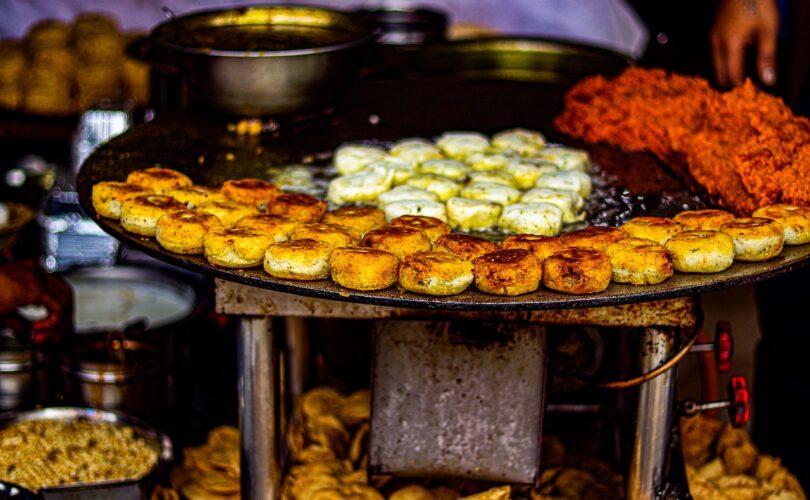
Street Foods That Harm Diabetic Health
In the bustling streets of cities worldwide, the aroma of sizzling snacks and the allure of quick bites draw crowds daily. Street foods offer convenience and flavor, but for the millions living with diabetes, they can pose significant risks. Street foods that harm diabetic health are everywhere—from deep-fried temptations to sugar-laden treats—and understanding their impact is crucial for maintaining stable blood sugar levels. This article delves deep into the hidden dangers of these popular vendors’ offerings, exploring why they spike glucose, contribute to weight gain, and exacerbate complications like heart disease. Whether you’re navigating a food cart festival or a local market, arming yourself with knowledge can help you make smarter choices. We’ll uncover the top offenders, share practical tips, and even highlight inspiring success stories from those who’ve turned the tide on their diabetes journey.

Diabetes affects over 537 million adults globally, according to recent health reports, and poor dietary choices can lead to uncontrolled blood sugar, insulin resistance, and long-term health issues. Street foods, often prepared with refined carbs, unhealthy fats, and hidden sugars, are prime culprits in this equation. But fear not—this isn’t about deprivation; it’s about empowerment. By identifying street foods that harm diabetic health, you can savor safer alternatives and reclaim control over your meals. Let’s break it down step by step.
Understanding the Allure and Perils of Street Foods
Street food culture thrives on immediacy: a quick falafel wrap in the Middle East, spicy chaat in India, or a loaded hot dog in New York. These portable delights are affordable and social, but their preparation methods—deep-frying in reused oils, generous dousings of syrups, or white flour bases—make them nutritional landmines for individuals with diabetes.
Why do street foods that harm diabetic health pack such a punch? Primarily, it’s the glycemic index (GI). Foods with a high GI cause rapid blood sugar spikes, forcing the pancreas to overwork and potentially leading to hyperglycemia. Add in trans fats from frying and sodium overloads that strain kidneys, and you’ve got a recipe for disaster. A single serving of many street snacks can exceed daily carb limits recommended for diabetes management (typically 45-60 grams per meal).
Moreover, portion control is nonexistent at street stalls. What starts as a “small bite” often balloons into a carb-heavy feast. Studies show that frequent consumption of such foods is correlated with higher A1C levels, a key marker of diabetes. Yet, with awareness, diabetics can navigate these scenes without derailing their health goals. In the sections ahead, we’ll spotlight the worst offenders among street foods that harm diabetic health.
Top Street Foods That Harm Diabetic Health: Fried Snacks Edition
Fried foods top the list of street foods that harm diabetic health due to their double whammy of carbs and unhealthy fats. Let’s start with one ubiquitous favorite: French fries.
French Fries: The Crispy Carb Trap
Crispy, golden French fries are a staple at every corner cart, from fast-food trucks to seaside vendors. A medium serving (about 150 grams) packs around 45 grams of carbs, mostly from potatoes—a starchy vegetable that converts quickly to glucose. But it’s not just the carbs; the deep-frying in vegetable oils adds trans fats, which increase inflammation and insulin resistance. Research from the American Diabetes Association links regular fried food intake to a 20% higher risk of type 2 diabetes complications.
The harm extends beyond blood sugar: high sodium (up to 300mg per serving) can elevate blood pressure, a common comorbidity in diabetics. Over time, this contributes to neuropathy and cardiovascular strain. If you’re eyeing those fries at a street fair, remember—they’re not just a side; they’re a setback.
Healthier Swap: Opt for baked sweet potato wedges seasoned with herbs. They offer fiber to slow glucose absorption and antioxidants for overall wellness.
Samosas and Pakoras: Spicy Fried Foes
In South Asian street scenes, samosas (pastry pockets filled with spiced potatoes or meat) and pakoras (battered veggie fritters) are irresistible. Yet, these street foods that harm diabetic health are loaded with refined flour doughs and frying oils. A single samosa can deliver 30-40 grams of carbs and 15 grams of fat, causing a blood sugar rollercoaster.
The potato filling, while flavorful, has a high GI (around 80), spiking levels faster than table sugar. Combined with the oil’s calories (200+ per piece), they promote weight gain, worsening insulin sensitivity. In urban India, where street food is daily fare, studies show a direct link between frequent samosa consumption and elevated HbA1c in diabetic populations.
Pro Tip: Air-fry versions at home with chickpea flour for a low-carb twist, or choose grilled veggie skewers from the same vendor.
Sugary Street Treats: The Sweet Saboteurs
No discussion of street foods that harm diabetic health is complete without addressing desserts. These confections are sugar bombs disguised as fun.
Cotton Candy and Candy Apples: Pure Sugar Spins
At fairs and festivals, cotton candy swirls like a cloud of temptation, but it’s essentially flavored sugar (up to 30 grams per stick). Candy apples, coated in caramel or toffee, add another layer of sticky peril with their high-fructose glazes. For diabetics, this translates to immediate hyperglycemia, as simple sugars are absorbed without fiber’s buffering.
Long-term, chronic high-sugar exposure damages beta cells in the pancreas, accelerating disease progression. The World Health Organization warns that added sugars should be under 25 grams daily—far less than one candy apple provides.
Smarter Choice: Fresh fruit skewers dipped in yogurt for natural sweetness and probiotics.
Churros: Doughy Delights Turned Deadly
Spanish street markets boast churros—deep-fried dough dusted with cinnamon sugar. A trio can exceed 50 grams of carbs, with the frying amplifying fat content. The refined wheat flour causes sharp insulin demands, while the sugar coating ensures a crash follows the spike.
In Latin American cultures, churros are social staples, but for diabetics, they’re a fast track to fatigue and cravings. Evidence from nutritional epidemiology ties such treats to increased diabetic retinopathy risk.
Alternative: Whole-grain cinnamon sticks baked at home, mimicking the flavor without the fallout.
Processed Meats on the Go: Hidden Dangers in Street Wraps
Street foods often feature quick proteins, but processed varieties are among the sneakiest street foods that harm diabetic health.
Hot Dogs and Sausages: Sodium and Nitrate Nightmares
Ballpark vendors and urban carts sling hot dogs loaded with buns, ketchup, and relish. The bun alone is 25 grams of refined carbs, but the processed meat adds nitrates, sodium (over 500mg), and saturated fats that inflame arteries. For diabetics, this combo raises heart disease risk by 30%, per cardiovascular studies.
Nitrates also impair endothelial function, complicating blood flow regulation essential for glucose uptake.
Better Bet: Turkey or veggie dogs on lettuce wraps, slashing carbs and sodium.
Falafel Wraps: When Healthy Goes Wrong
Middle Eastern falafel—chickpea balls in pita—is nutritious in theory, but street versions are drowned in tahini sauce and fried to a crisp. The pita (40g carbs) and frying oils turn it harmful, spiking blood sugar despite the legumes’ protein.
Excess oil contributes to dyslipidemia, a diabetes red flag. Opt for baked falafel salads instead.
Beverages That Betray: Liquid Calories in Street Cups
Don’t overlook drinks—they’re often the stealthiest of street foods that harm diabetic health.
Sugary Sodas and Lemonades: Thirst Quenchers Turned Toxins
Fresh-squeezed lemonade sounds innocent, but street versions brim with added sugars (up to 60 grams per large cup), rivaling cola. These empty calories provide no satiety, leading to overeating and insulin surges.
Epidemiological data link sugary drink consumption to a 26% higher diabetes incidence. The acidity also erodes tooth enamel, compounding oral health issues in diabetics.
Refresh Alternative: Infused water with cucumber and mint—zero carbs, all hydration.
Bubble Tea: Trendy Trap
Asian street stalls serve bubble tea with tapioca pearls (30g carbs per serving) and sweetened milk. The pearls alone mimic rice’s glycemic load, while dairy adds fats.
This popular sip contributes to adolescent diabetes rn urban areas.
Swap: Unsweetened green tea with a splash of lemon.
Navigating Street Food Scenes: Tips to Dodge the Harm
Armed with insights on street foods that harm diabetic health, how do you enjoy the vibe without the fallout? Start with planning: Eat a protein-rich snack before venturing out to blunt spikes. Scout menus for grilled or steamed options—many vendors offer them.
Portion wisely: Share plates or take half home. Hydrate with water to curb false hunger. Use apps like MyFitnessPal to log potential picks pre-emptively. Remember, balance is key; occasional indulgences won’t derail if your baseline diet is fiber-forward (aim for 25-30g daily).
Incorporate movement: A post-meal walk stabilizes glucose. Educate vendors politely—many will customize sans sugar or oil. Over time, these habits fortify resilience against the siren call of harmful bites.
For deeper dives, consult resources like the Diabetes Food Hub, which rates street-style eats.
Success Stories: Real Wins Against Street Food Temptations
Hearing from others can inspire. Here are three tales of triumph over street foods that harm diabetic health.
Maria’s Market Makeover
Maria, a 52-year-old teacher from Mexico City, loved her weekly tamale runs—corn-based street wraps fried in lard. Her A1C hovered at 8.5, with neuropathy nagging her feet. “The smells were my weakness,” she shares. After a doctor’s nudge, Maria swapped tamales for grilled corn on the cob (elote sin mayonesa), slashing carbs by 60%. She joined a local diabetes walking group, turning market strolls into exercise. Six months in, her A1C dropped to 6.2, and energy soared. “Now, I savor the culture without the crash—it’s freedom.”
Raj’s Festival Flip
In Mumbai, 45-year-old engineer Raj battled post-dinner pav bhaji binges, a buttery street mash with bread. Weight gain pushed his meds higher. Inspired by an online forum, he experimented with air-popped bhajia alternatives and portioned pav. Tracking via a glucometer app revealed patterns, guiding tweaks. Today, at festivals, he opts for sprout chaat—protein-packed and low-GI. Lost 15 kilos, off one med. Street food’s joy returned, minus the harm.”
Jamal’s Cart Conquest
Jamal, 38, from Chicago’s food truck scene, ditched footlong hot dogs that spiked his sugars to 250 mg/dL. Switching to turkey wraps in collard greens, he stabilized at 120. “Vendors know me now—they prep low-carb specials.” His story? Community potlucks with diabetic-friendly twists, fostering support. “From isolation to celebration—diabetes doesn’t own my plate.”
These stories show that dodging street foods that harm diabetic health isn’t a sacrifice; it’s a strategy yielding vitality.
Frequently Asked Questions (FAQs)
1. Are all street foods bad for diabetics?
No, not all, but many street foods that harm diabetic health are dominant due to processing. Focus on grilled meats, fresh salads, or nut-based snacks for safer options.
2. How quickly do these foods affect blood sugar?
High-GI items like fries can raise levels in 15-30 minutes. Monitor post-meal with a glucometer for personalized insights.
3. Can I ever indulge in street food with diabetes?
Yes, in moderation. Balance with exercise and pair with fiber/protein to mitigate spikes.
4. What about low-sugar labeled street treats?
Beware—many use artificial sweeteners that may still impact gut health and glucose indirectly. Check labels.
5. How do cultural street foods fit into a diabetic diet?
Adapt them: Use lettuce instead of wraps, bake instead of frying. Cultural tweaks preserve tradition without harm.
6. What’s the biggest risk beyond blood sugar?
Cardiovascular strain from fats and sodium—key to long-term diabetic health.
7. Where can I find diabetic-friendly street food recipes?
Sites like EatingWell offer twists on classics, emphasizing whole ingredients.
Disclaimer
This article on street foods that harm diabetic health is for informational purposes only and does not constitute medical advice. Diabetes management is highly individual; always consult your healthcare provider or a registered dietitian before making dietary changes. Nutritional values can vary by preparation, and personal tolerances differ. The author and publisher disclaim any liability for outcomes from applying this information.
References
- Healthline. “Foods That May Affect Your Blood Sugar With Prediabetes or Diabetes.” Accessed November 30, 2025.
- Physicians Alliance of Connecticut. “7 Foods to Avoid with Kidney Disease and Diabetes.” Accessed November 30, 202
- Cleveland Clinic. “Worst and Best Foods if You Have Diabetes.” Published September 5, 2023.
- St. Vincent’s. “7 Foods That Won’t Spike Your Blood Sugar.” Published May 3, 2023.
- Fitterfly. “14 Essential List of Foods to Avoid in Diabetes.” Published January 31, 2025.
- Mayo Clinic Press. “Surprising foods that do (and don’t) spike blood sugar.” Published July 29, 2025.
- CareArc. “What 10 Foods Should Diabetics Avoid?” Published July 29, 2024.
- British Heart Foundation. “8 diabetes myths you shouldn’t believe.” Published March 25, 2019.
- Everyday Health. “10 Foods to Avoid When You Have Type 2 Diabetes.” Published August 7, 2025.
- Verywell Health. “12 Foods to Avoid When You Have Diabetes.” Published August 22, 2025.
- Diabetes Care Community. “10 Foods To Avoid If You Have Diabetes.” Published September 12, 2023
- Medical News Today. “Foods and drinks to avoid with diabetes.” Accessed November 30, 2025.