

Dealing with Exercise-Induced Hypoglycemia
Your Complete Guide to Staying Safe and Active
Exercise is one of the best things you can do for your health, especially if you have diabetes or are at risk for blood sugar issues. But for many people, a common challenge arises: dealing with exercise-induced hypoglycemia. This condition can turn a beneficial workout into a scary experience, with symptoms that range from mild shakiness to severe confusion. If you’re learning how to navigate dealing with exercise-induced hypoglycemia, you’re in the right place. This comprehensive guide covers everything from causes and symptoms to proven prevention strategies, treatment options, real success stories, and expert-backed advice.
Whether you’re a seasoned athlete, a beginner with type 1 or type 2 diabetes, or someone without diabetes who occasionally feels off during workouts, understanding and dealing with exercise-induced hypoglycemia is key to enjoying exercise without fear. In this article, we’ll explore practical ways to manage it, so you can keep moving toward your fitness goals.

Image: A woman with a continuous glucose monitor (CGM) staying active and confident during her workout routine.
What Is Exercise-Induced Hypoglycemia?
Exercise-induced hypoglycemia occurs when blood glucose levels drop too low—typically below 70 mg/dL—during or after physical activity. Your muscles demand more glucose for energy as you exercise, and this increased uptake, combined with heightened insulin sensitivity, can cause a rapid decline in blood sugar.
Dealing with exercise-induced hypoglycemia is particularly relevant for people with diabetes, but it can also affect non-diabetics, especially endurance athletes or those who train intensely without proper fueling. The body’s normal response to exercise involves balancing glucose production in the liver with uptake in the muscles. When this balance tips, hypoglycemia follows.
In the context of dealing with exercise-induced hypoglycemia, it’s important to note that symptoms often appear during prolonged moderate exercise (like jogging or cycling) or high-intensity sessions, and they can linger for up to 24 hours afterward due to delayed effects on insulin sensitivity.
Causes of Exercise-Induced Hypoglycemia
Several factors contribute to dealing with exercise-induced hypoglycemia. The primary mechanism is the surge in glucose use by working muscles. For individuals on insulin or medications like sulfonylureas, excess circulating insulin amplifies this effect, preventing the liver from releasing enough glucose.
Other common causes include:
- Insufficient carbohydrate intake: Skipping meals or not eating enough before or during exercise depletes glycogen stores.
- Medication timing: Exercising during peak insulin action windows.
- Exercise type and duration: Aerobic activities lasting over 30-60 minutes are high-risk, while resistance training may offer some protection.
- Alcohol consumption: Even moderate drinking the night before can impair glucose regulation.
- Illness or stress: These can unpredictably affect blood sugar.
- In non-diabetics: Overtraining, high muscle mass, or post-meal exercise can trigger reactive hypoglycemia.
When dealing with exercise-induced hypoglycemia, recognizing these triggers is the first step to prevention.
Recognizing the Symptoms of Exercise-Induced Hypoglycemia
Early detection is crucial when dealing with exercise-induced hypoglycemia. Symptoms can escalate quickly, so knowing what to watch for can prevent emergencies.
Common mild symptoms include:
- Shakiness or tremors
- Sweating
- Hunger
- Rapid heartbeat
- Anxiety or irritability
Moderate to severe symptoms may involve:
- Dizziness or lightheadedness
- Confusion or difficulty concentrating
- Weakness or fatigue
- Blurred vision
- In extreme cases: seizures, loss of consciousness

Image: Infographic illustrating the range of hypoglycemia symptoms from mild to severe.
If you’re dealing with exercise-induced hypoglycemia regularly, track patterns—many notice delayed lows hours after workouts, especially overnight.
Who Is Most at Risk?
Dealing with exercise-induced hypoglycemia affects different groups:
- People with type 1 diabetes: Up to 50% experience it during exercise due to absolute insulin dependence.
- Type 2 diabetes on insulin or secretagogues: Risk is lower but rises with certain regimens.
- Athletes without diabetes, especially those with high training volumes or genetic predispositions to insulin sensitivity.
- Women: Hormonal fluctuations can influence glucose responses.
- Older adults: Slower counter-regulatory responses.
Children and adolescents with diabetes also face unique challenges, as growth hormones and activity levels vary.
The Importance of Monitoring When Dealing with Exercise-Induced Hypoglycemia
Continuous glucose monitors (CGMs) have revolutionized dealing with exercise-induced hypoglycemia. Devices like Dexcom or Freestyle Libre provide real-time alerts, allowing proactive adjustments.
Tips for effective monitoring:
- Check blood glucose 30-60 minutes before exercise.
- Test every 30 minutes during sessions longer than 45 minutes.
- Monitor for 2-4 hours post-workout.
- Use CGM trends to anticipate drops.
For those without CGM access, a traditional glucometer works well, but consistency is key in dealing with exercise-induced hypoglycemia.
Prevention Strategies for Dealing with Exercise-Induced Hypoglycemia
Prevention is the cornerstone of successfully dealing with exercise-induced hypoglycemia. Here’s a multi-layered approach:
Pre-Exercise Preparation
- Fuel up wisely: Consume 15-30 grams of complex carbs 1-2 hours before. Examples: oatmeal with fruit, or a banana with peanut butter.
- Adjust medications: Reduce basal insulin by 20-50% or bolus by 25-75%, depending on exercise intensity (consult your doctor).
- Start hydrated: Dehydration worsens lows.
During Exercise
- Carb timing: For sessions over 60 minutes, ingest 30-60 grams of carbs per hour (sports gels, drinks).
- Mix intensities: Add short high-intensity bursts to stabilize glucose via adrenaline.
- Listen to your body: Stop if symptoms appear.
Post-Exercise Recovery
- Refuel immediately: Eat a snack with protein and carbs within 30 minutes.
- Reduce overnight insulin: Lower basal rates by 20% to avoid nocturnal lows.
Dealing with exercise-induced hypoglycemia becomes manageable with these habits.

Image: Colorful, nutrient-dense stuffed peppers—a perfect pre- or post-workout meal for stable blood sugar.
Nutrition Strategies for Dealing with Exercise-Induced Hypoglycemia
Nutrition plays a starring role in dealing with exercise-induced hypoglycemia. Focus on low-glycemic index (GI) foods for sustained energy, but include fast-acting carbs when needed.
Sample daily plan for an active person:
- Breakfast: Greek yogurt with berries and almonds (balanced macros).
- Pre-workout: Apple with cheese (15g carbs).
- During (if needed): Glucose tabs or sports drink.
- Post-workout: Turkey wrap with veggies and whole grain.
- Evening: Cottage cheese with cucumber to prevent overnight dips.
Avoid high-fat meals right before exercise, as they slow digestion. For non-diabetics dealing with exercise-induced hypoglycemia, consistent meal timing prevents reactive lows.
Advanced tip: Use the “exercise multiplier” in insulin pumps or apps to automate adjustments.
Recommended Exercises and Modifications
Not all workouts are equal when dealing with exercise-induced hypoglycemia. Aerobic exercise (running, swimming) poses a higher risk than anaerobic (weights, HIIT).
Safe modifications:
- Start slow: Build from 20-minute sessions.
- Hybrid training: Do resistance first to blunt lows.
- Water-based: Swimming minimizes some risks due to buoyancy.
- Team sports: Social support helps during episodes.
Elite athletes like marathoners with diabetes excel at dealing with exercise-induced hypoglycemia through meticulous planning.

Image: Runners competing, showcasing how athletes manage blood sugar during intense activity.
Treatment: What to Do When Hypoglycemia Strikes
If dealing with exercise-induced hypoglycemia hits mid-workout:
- Stop activity.
- Consume 15g fast carbs (juice, glucose tabs).
- Rest 15 minutes, recheck.
- Repeat if needed; follow with a full snack.
- For severe cases: Use glucagon injection or nasal spray.
Always carry treatment supplies when dealing with exercise-induced hypoglycemia.
Success Stories: Real People Thriving While Dealing with Exercise-Induced Hypoglycemia
Story 1: Sarah’s Marathon Journey Sarah, a 32-year-old with type 1 diabetes, used to fear long runs. “Dealing with exercise-induced hypoglycemia was my biggest barrier,” she says. After adopting a CGM and reducing insulin by 40% pre-run, she completed her first marathon. She now shares tips on her blog, proving that with strategy, anyone can succeed.
Story 2: Mike’s Weightlifting Transformation Mike, 45, with type 2 diabetes, struggled with post-gym crashes. By eating a protein-carb snack during sessions and using resistance-focused routines, he reversed his lows. “Learning to deal with exercise-induced hypoglycemia changed my life—I lost 30 pounds and feel unstoppable.”
Story 3: Priya’s Non-Diabetic Experience As a non-diabetic yoga instructor, Priya faced unexplained shakiness during hot classes. Adjusting her pre-class meals and adding electrolytes helped. “Dealing with exercise-induced hypoglycemia taught me to fuel properly, and now I teach it to my students.”
These stories highlight that dealing with exercise-induced hypoglycemia doesn’t mean giving up on fitness.
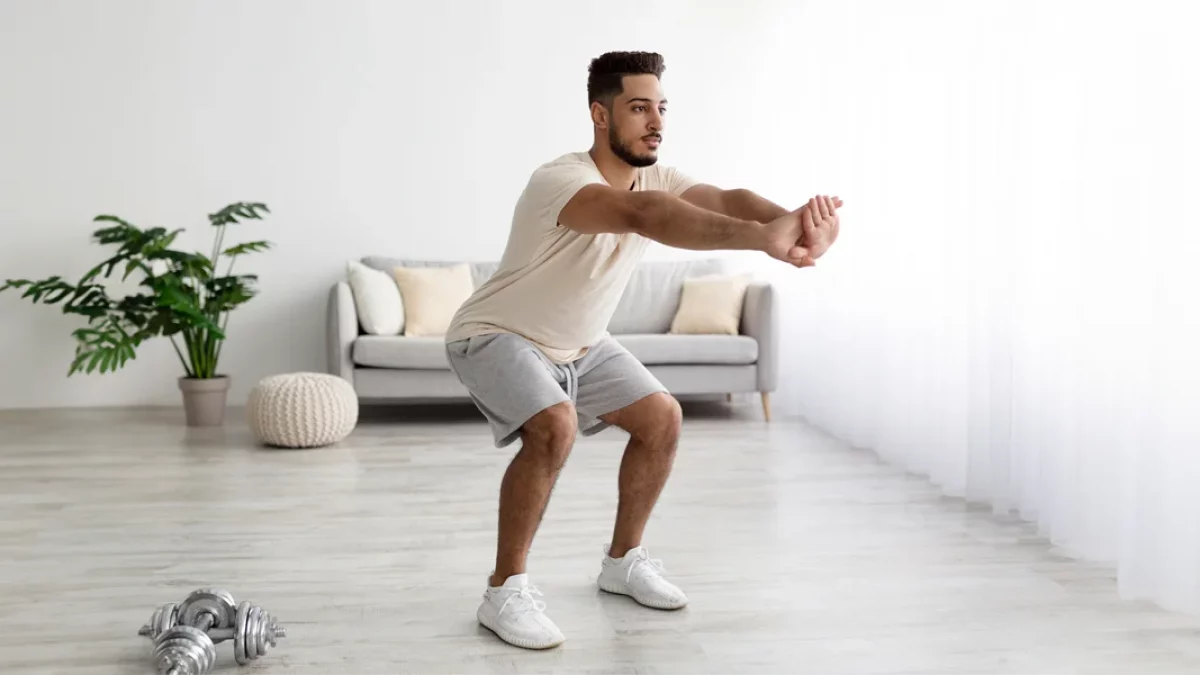
Image: A man performing a strong squat, representing successful management and confidence in exercise.
When to Seek Professional Help
If episodes persist despite prevention, see your doctor. They may adjust meds, test for underlying issues, or refer to a diabetes educator.
FAQs About Dealing with Exercise-Induced Hypoglycemia
1. Can non-diabetics get exercise-induced hypoglycemia? Yes, though less common. Intense or prolonged exercise without proper fueling can cause it.
2. How soon after eating should I exercise? Wait 1-2 hours to avoid reactive drops.
3. Is it safe to exercise with blood sugar below 100 mg/dL? No—treat first with 15g carbs.
4. Do CGMs help with dealing with exercise-induced hypoglycemia? Absolutely—they provide alerts and trends.
5. What foods are best to prevent lows? Complex carbs + protein: oats, nuts, fruits.
6. Can I build tolerance over time? Yes, consistent training improves counter-regulation.
7. How does alcohol affect dealing with exercise-induced hypoglycemia? It increases risk for hours—limit and eat carbs.
8. Are there apps for managing this? Yes, like MySugr or Glucose Buddy.
9. What about kids dealing with exercise-induced hypoglycemia? Extra supervision and school plans are essential.
10. Can strength training reduce risks? Yes, it often stabilizes glucose better than pure cardio.
Disclaimer
This article is for informational purposes only and is not a substitute for professional medical advice. Always consult your healthcare provider before making changes to your diabetes management, exercise routine, or diet. Individual responses to dealing with exercise-induced hypoglycemia vary, and self-treatment of severe episodes requires emergency care. The information here is based on general guidelines from sources like the American Diabetes Association.
References
- Medical News Today. (2022). Exercise-induced hypoglycemia: Signs and prevention.
- American Diabetes Association. Understanding Blood Glucose and Exercise.
- Healthline. (2023). Exercise-Induced Hypoglycemia: How To Prevent and Treat It.
- PMC Articles on Exercise Strategies for Hypoglycemia Prevention.
- Mayo Clinic. Diabetic Hypoglycemia.
- diaTribe.org. Sports and Exercise: The Ultimate Challenge.
- Additional studies from PubMed on non-diabetic exercise hypoglycemia.
By mastering the art of dealing with exercise-induced hypoglycemia, you can reclaim your workouts and live healthier. Start small, track your progress, and celebrate every safe session. Your body—and your blood sugar—will thank you.




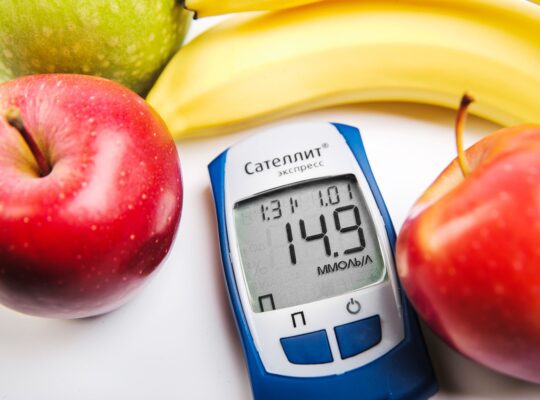

[…] Exercise and Insulin: Timing Your Workouts isn’t just a catchy phrase—it’s a science-backed strategy that can dramatically improve insulin sensitivity, stabilize blood glucose, and even help reverse insulin resistance. Whether you’re dealing with prediabetes, type 2 diabetes, or simply want to optimize your energy and body composition, the timing of your exercise sessions plays a crucial role in how your body responds to insulin. […]