

Hydration and Juvenile Diabetes: Why Water Matters
Introduction
Hydration and Juvenile Diabetes are closely linked in ways that many parents and caregivers might not fully realize. Juvenile Diabetes, also known as Type 1 Diabetes, affects children and adolescents, requiring careful management to maintain stable blood sugar levels. Water plays a pivotal role in this process, helping to regulate bodily functions and prevent complications. In this comprehensive guide, we’ll explore why staying hydrated is essential for kids with Juvenile Diabetes, how dehydration can exacerbate symptoms, and practical tips for incorporating better hydration habits into daily life. Understanding Hydration and Juvenile Diabetes can empower families to support their child’s health more effectively.
Juvenile Diabetes occurs when the pancreas doesn’t produce enough insulin, leading to high blood sugar levels. This condition demands constant vigilance, from monitoring glucose to adjusting diets. However, one often overlooked aspect is hydration. Proper water intake can help flush out excess glucose, support kidney function, and reduce the risk of spikes in blood sugar. As we delve deeper, you’ll see how Hydration and Juvenile Diabetes intersect to promote better overall well-being for affected children.

Understanding Juvenile Diabetes
Juvenile Diabetes, or Type 1 Diabetes, is an autoimmune condition where the body’s immune system attacks insulin-producing cells in the pancreas. Unlike Type 2 Diabetes, which is often linked to lifestyle factors, Juvenile Diabetes typically develops in childhood or adolescence and requires lifelong insulin therapy. Symptoms include frequent urination, excessive thirst, unexplained weight loss, and fatigue. These signs often stem from the body’s attempt to rid itself of excess sugar through urine, which can lead to dehydration if not managed properly. Hydration and Juvenile Diabetes: Why Water Matters
For children with Juvenile Diabetes, maintaining balance is crucial. High blood sugar levels can cause the kidneys to work overtime, pulling water from the body to dilute the glucose. This cycle highlights the importance of Hydration and Juvenile Diabetes management. Without adequate water, children may experience more severe symptoms, including diabetic ketoacidosis (DKA), a dangerous buildup of acids in the blood. Early diagnosis and education are key to preventing such complications.
Parents should be aware that Juvenile Diabetes affects about 1 in 300 children by age 18 in the United States. It’s not caused by poor diet or lack of exercise but by genetic and environmental factors. Managing it involves insulin injections or pumps, carbohydrate counting, and regular blood sugar checks. Integrating hydration strategies into this routine can make a significant difference, as we’ll discuss further. Hydration and Juvenile Diabetes: Why Water Matters
The Importance of Hydration in General Health
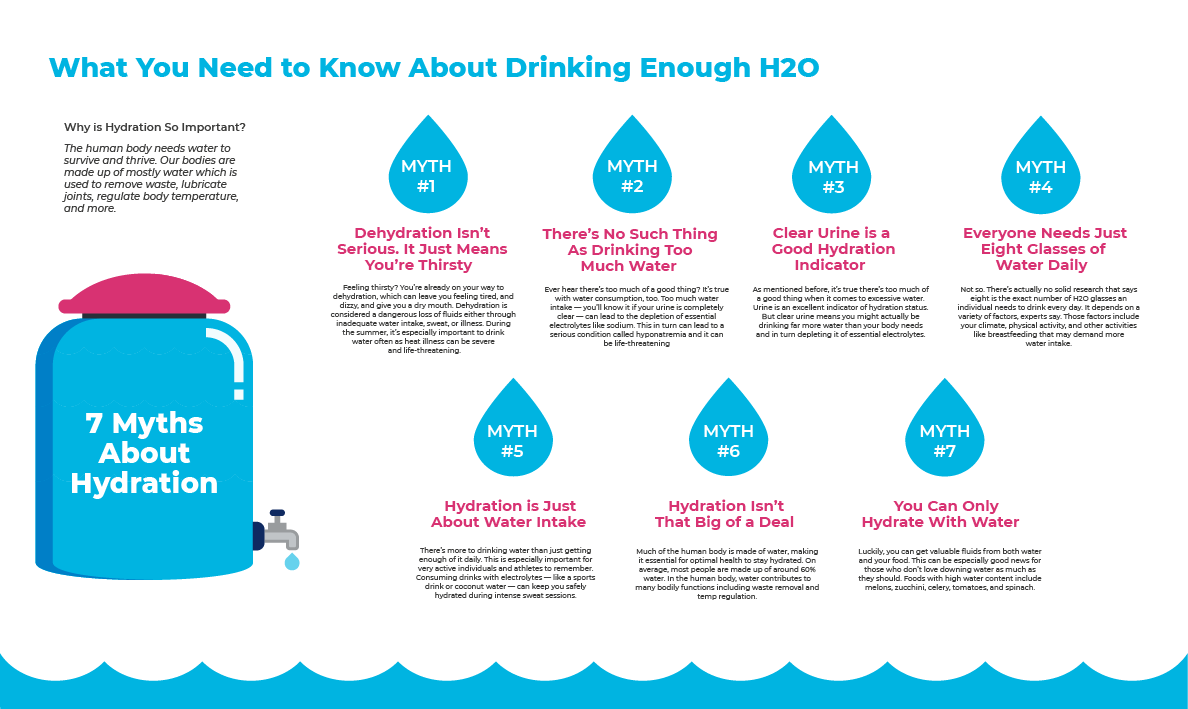
Hydration is fundamental to human health, regardless of age or medical condition. Water makes up about 60% of the body and is involved in nearly every physiological process, from digestion to temperature regulation. For children who have higher metabolic rates and more active lifestyles, staying hydrated is even more critical. Dehydration can lead to headaches, dizziness, and reduced cognitive function, impacting school performance and playtime.
In the context of Hydration and Juvenile Diabetes, water helps maintain blood volume, supports joint lubrication, and aids in nutrient transport. Children lose water through sweat, urine, and breathing, so replenishing it is essential. The American Academy of Pediatrics recommends plain water as the best drink for kids, avoiding sugary beverages that can spike blood sugar.
Dehydration signs in children include dry mouth, sunken eyes, and reduced urine output. For those with Juvenile Diabetes, these symptoms can mimic or worsen diabetes-related issues, making it hard to distinguish. Emphasizing Hydration and Juvenile Diabetes education can help families spot problems early. Hydration and Juvenile Diabetes: Why Water Matters
How Hydration Impacts Blood Sugar Levels
One of the most direct connections between Hydration and Juvenile Diabetes is its effect on blood sugar. When dehydrated, blood becomes more concentrated, leading to higher glucose readings. Drinking water dilutes the blood, helping the kidneys flush out excess sugar through urine. Studies show that adequate hydration can lower the risk of hyperglycemia and improve insulin sensitivity. Hydration and Juvenile Diabetes: Why Water Matters
For children with Juvenile Diabetes, even mild dehydration can spike blood sugar by 50-100 mg/dL or more. This happens because dehydration triggers hormones like vasopressin, which prompts the liver to release more glucose. Proper hydration breaks this cycle, supporting stable levels.
In a study of over 3,000 individuals, higher water intake was linked to lower hyperglycemia risk, applicable to those with diabetes. For kids, this means incorporating water breaks during activities to prevent spikes. Hydration and Juvenile Diabetes management go hand in hand for better control.
Dehydration Risks for Children with Juvenile Diabetes
Children with Juvenile Diabetes are at higher risk for dehydration due to frequent urination caused by high blood sugar. This osmotic diuresis pulls water from the body, creating a vicious cycle where dehydration further elevates glucose levels. Symptoms like dry skin, rapid heartbeat, and confusion can escalate to DKA if ignored.
Hot weather, exercise, or illness amplifies these risks. Vomiting or diarrhea can quickly lead to fluid loss, requiring vigilant monitoring. In severe cases, dehydration affects kidney function, increasing the chance of long-term complications like nephropathy.
Addressing Hydration and Juvenile Diabetes involves teaching kids to recognize thirst as a signal. Parents should track fluid intake, especially during active days, to mitigate these dangers. Hydration and Juvenile Diabetes: Why Water Matters

Benefits of Proper Hydration in Managing Juvenile Diabetes
The benefits of focusing on Hydration and Juvenile Diabetes are numerous. Adequate water intake supports kidney health by aiding in glucose excretion, reducing insulin resistance, andhelpings maintain energy levels. It also prevents constipation, a common issue in diabetic children due to medication side effects.
Hydration improves mood and concentration, crucial for school-aged kids. Research indicates that well-hydrated individuals may live longer and have lower chronic disease risks. For Juvenile Diabetes, this translates to fewer hospital visits and a better quality of life. Hydration and Juvenile Diabetes: Why Water Matters
Incorporating hydration routines can enhance overall diabetes management, complementing insulin and diet plans.
Recommended Water Intake for Children
How much water do children with Juvenile Diabetes need? It varies by age, weight, activity, and climate. General guidelines suggest:
- Ages 1-3: About 4 cups (1 liter) daily
- Ages 4-8: 5 cups (1.2 liters)
- Ages 9-13: 7-8 cups (1.6-1.9 liters) for girls, 8-10 cups (1.9-2.4 liters) for boys
- Teens: 8-11 cups (1.9-2.6 liters) for girls, 11-14 cups (2.6-3.3 liters) for boys
These include water from food, but aim for plain water as the primary source. For Hydration and Juvenile Diabetes, adjust upward during exercise or heat. Monitor urine color—pale yellow indicates good hydration.
Consult a pediatrician for personalized advice, especially if the child has kidney issues. Hydration and Juvenile Diabetes: Why Water Matters
Tips for Encouraging Hydration in Kids with Juvenile Diabetes
Encouraging hydration can be challenging, but fun strategies help. Here are practical tips for Hydration and Juvenile Diabetes:
- Fun Water Bottles: Let kids pick colorful, insulated bottles to make drinking exciting.
- Flavored Water: Add natural infusions like lemon or cucumber—avoid sugary additives.
- Set Reminders: Use apps or timers for regular sips.
- Lead by Example: Drink water as a family.
- Incorporate into Meals: Serve water with every meal.
- Track Intake: Use charts or stickers for rewards.
- During Activities: Pack water for sports or outings.
- Educate Playfully: Explain how water helps “fight” high sugar like a superhero.
These habits build lifelong skills for managing Hydration and Juvenile Diabetes. Hydration and Juvenile Diabetes: Why Water Matters
Success Stories
Real-life examples illustrate the power of Hydration and Juvenile Diabetes management. Take Ricky, diagnosed at age 7 with Juvenile Diabetes. His family noticed excessive thirst during a trip, leading to a diagnosis. Post-diagnosis, Ricky focused on hydration during lacrosse games, using water breaks to stabilize blood sugar. His coach supported this, and today, Ricky plays Division 1 college lacrosse, crediting hydration for his energy and control.
Another story is Kaija, diagnosed at 9. She was drinking excessively before diagnosis. With her endocrinologist’s guidance, she adopted an insulin pump and hydration routine. Now a teen, Kaija manages her Juvenile Diabetes maturely, sharing her story to inspire others. Hydration and Juvenile Diabetes: Why Water Matters
Simon, diagnosed at 8, learned hydration’s role through hospital classes. Monitoring blood sugar with tech, he stays hydrated to avoid spikes, thriving in school and activities.
Bryn, diagnosed at 9, used increased thirst as a warning sign. Her family emphasizes hydration, helping her raise awareness and manage effectively.
These stories show how prioritizing Hydration and Juvenile Diabetes leads to success.

Disclaimer
This article on Hydration and Juvenile Diabetes is for informational purposes only and not a substitute for professional medical advice. Consult a healthcare provider for personalized guidance. Management of Juvenile Diabetes should involve a doctor, and hydration strategies must align with individual health plans. The author and publisher are not liable for any actions taken based on this content. Hydration and Juvenile Diabetes: Why Water Matters
FAQs
What is the link between Hydration and Juvenile Diabetes?
Hydration helps regulate blood sugar by diluting glucose and supporting kidney function in children with Juvenile Diabetes.
How does dehydration affect a child with Juvenile Diabetes?
Dehydration can concentrate blood sugar, leading to spikes and risks like DKA.
How much water should a child with Juvenile Diabetes drink?
It depends on age and activity, but generally 5-10 cups daily, adjusted for needs.
Can flavored water help with Hydration and Juvenile Diabetes?
Yes, if naturally flavored without sugar to avoid blood sugar impacts. Hydration and Juvenile Diabetes: Why Water Matters
What are the signs of dehydration in kids with Juvenile Diabetes?
Dry mouth, fatigue, dark urine, and high blood sugar readings.
Is a sports drink okay for Hydration and Juvenile Diabetes?
Occasionally, for electrolyte replacement, choose low-sugar options.
How can parents encourage hydration?
Use fun bottles, set reminders, and make it a family habit.
Does hydration improve insulin sensitivity in Juvenile Diabetes?
Yes, proper hydration can reduce resistance and aid management.
What role does hydration play in preventing DKA?
It helps prevent severe dehydration that exacerbates acid buildup.
Are there apps for tracking Hydration and Juvenile Diabetes?
Yes, many diabetes apps include hydration logs.
References
- American Diabetes Association. “Why You Should Drink More Water.” https://diabetes.org/food-nutrition/eating-healthy/why-drink-more-water
- Alabama Cooperative Extension System. “Hydration and Diabetes: Why Fluid Matters.” https://www.aces.edu/blog/topics/home-family/hydration-and-diabetes-why-fluid-matters
- Waterdrop. “The Importance of Hydration in Managing Diabetes.” https://www.waterdrop.com/blogs/magazine/the-importance-of-hydration-in-managing-diabetes
- SmilesMed. “Hydration and Diabetes: Why Drinking Water Is Crucial for Blood Sugar Control.” https://smilesmed.com/hydration-and-diabetes-why-drinking-water-is-crucial-for-blood-sugar-control
- Gluroo. “How Water Intake Helps Manage Blood Glucose Levels – Type 1 Diabetes.” https://gluroo.com/blog/diabetes-101/water-and-blood-glucose-levels
- Revive Wellness. “Diabetes Described Series: Let’s talk about Fluids!” https://www.revivewellness.ca/blog/diabetes-described-series-lets-talk-about-fluids
- PMC. “The Role of Hydration in Children and Adolescents.” https://pmc.ncbi.nlm.nih.gov/articles/PMC12430526
- The Perfect Water. “Hydration and Diabetes: Managing Blood Sugar Levels through Proper Water Intake.” https://www.theperfectwater.com/faq/hydration-and-diabetes-managing-blood-sugar-levels-through-proper-water-intake
- Omnipod. “Hydration and type 1 diabetes – what to drink.” https://www.omnipod.com/en-gb/diabetes-hub/learning-center/nutrition-and-diet/hydration-and-diabetes
- GlucoSense. “Does Drinking Water Lower Blood Sugar?” https://www.glucosense.ai/blog/drinking-water-to-lower-blood-sugars
- Beyond Type 1. “How Dehydration Can Spike Your Blood Sugar.” https://beyondtype1.org/dehydration-blood-sugar
- ASU News. “Watering down diabetes.” https://news.asu.edu/20190514-discoveries-watering-down-diabetes
- Diabetes in Control. “Diabetes Patients and Water Temperature: Warm versus Cold.” https://www.diabetesincontrol.com/diabetes-patients-and-water-temperature-warm-versus-cold
- Doulton. “The Important Relationship Between Diabetes and Water.” https://doulton.com/blogs/news/the-important-relationship-between-diabetes-and-water-how-much-should-you-drink
- DiabetesTeam. “Does Water Raise Blood Sugar? Hydration Tips for People With Diabetes.” https://www.diabetesteam.com/resources/does-water-raise-blood-sugar-hydration-tips-for-people-with-diabetes
- HealthyChildren.org. “Choose Water for Healthy Hydration.” https://www.healthychildren.org/English/healthy-living/nutrition/Pages/Choose-Water-for-Healthy-Hydration.aspx
- UMMS Health. “Staying Hydrated When You Have Diabetes.” https://health.umms.org/2023/02/15/staying-hydrated-when-you-have-diabetes
- Diabeticsupplieinc. “Diabetes and Hydration: Are You Drinking Enough Water?” https://www.diabeticsupplieinc.com/diabetes-and-hydration-are-you-drinking-enough-water
- PMC – NIH. “Fluid management in children with diabetic ketoacidosis.” https://pmc.ncbi.nlm.nih.gov/articles/PMC8302425
- American Diabetes Association (duplicate reference for emphasis on children).
- Omnipod (duplicate for type 1 specifics).
- Diabetes Food Hub. “Hydration: The Unsung Hero in Diabetes Health.” https://diabetesfoodhub.org/blog/hydration-unsung-hero-diabetes-health
- Boston Children’s Hospital. “Diabetes Insipidus.” https://www.childrenshospital.org/conditions-treatments/diabetes-insipidus
- Japi.org. “Diabetes Mellitus and Fluid Imbalance.” https://www.japi.org/article/japi-72-6-s1-16
- Waterdrop (duplicate).
- Diabetes Journals. “Diabetic Ketoacidosis in Infants, Children, and Adolescents.” https://diabetesjournals.org/care/article/29/5/1150/25292/Diabetic-Ketoacidosis-in-Infants-Children-and
- Byram Healthcare. “The Importance of Electrolytes When Living with Diabetes.” https://www.byramhealthcare.com/blogs/the-importance-of-electrolytes-when-living-with-diabetes
- HealthyChildren.org. “Diabetes in Children.” https://www.healthychildren.org/English/health-issues/conditions/chronic/Pages/Diabetes.aspx
- PMC. “Fluid Therapy For Pediatric Patients With Diabetic Ketoacidosis.” https://pmc.ncbi.nlm.nih.gov/articles/PMC6858801
- Diabetes Australia. “Three tips to stay hydrated with diabetes.” https://www.diabetesaustralia.com.au/blog/tips-to-stay-hydrated-with-diabetes
- Mayo Clinic. “Mayo Clinic Q and A: Childhood diabetes.” https://newsnetwork.mayoclinic.org/discussion/mayo-clinic-q-and-a-childhood-diabetes
- Kaiser Permanente. “Type 1 Diabetes in Children: Safe Exercise.” https://healthy.kaiserpermanente.org/health-wellness/health-encyclopedia/he.type-1-diabetes-in-children-safe-exercise.ze1181

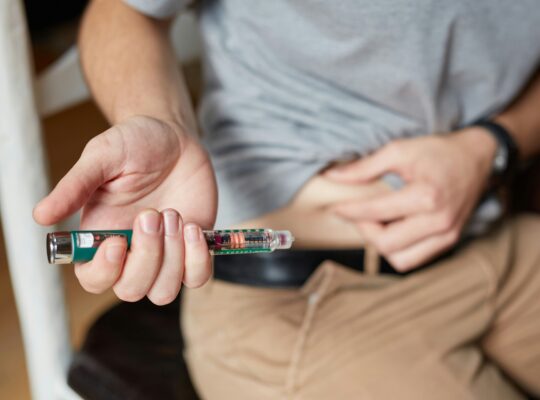

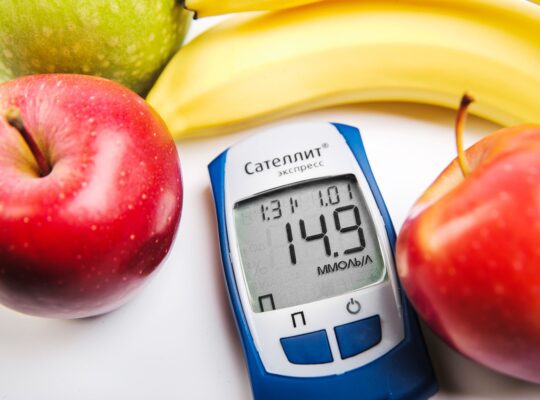


[…] Diabetes in youth is on the rise, with type 1 diabetes being more common in children and adolescents, while type 2 is increasingly diagnosed due to lifestyle factors like poor diet and lack of exercise. For young diabetics, the body either doesn’t produce enough insulin or resists it, leading to elevated blood sugar levels. This can result in fatigue, frequent urination, and long-term complications if not managed properly. […]