Diabetes and Eye Health: Preventing Retinopathy
Diabetes and Eye Health: Preventing Retinopathy is a vital topic for millions of people living with diabetes. High blood sugar levels over time can quietly damage the eyes, but the good news is that many problems can be stopped before they start. This detailed guide explains everything in simple words so you can take action today. Whether you have type 1, type 2, or gestational diabetes, learning about Diabetes and Eye Health: Preventing Retinopathy can protect your vision for years to come.
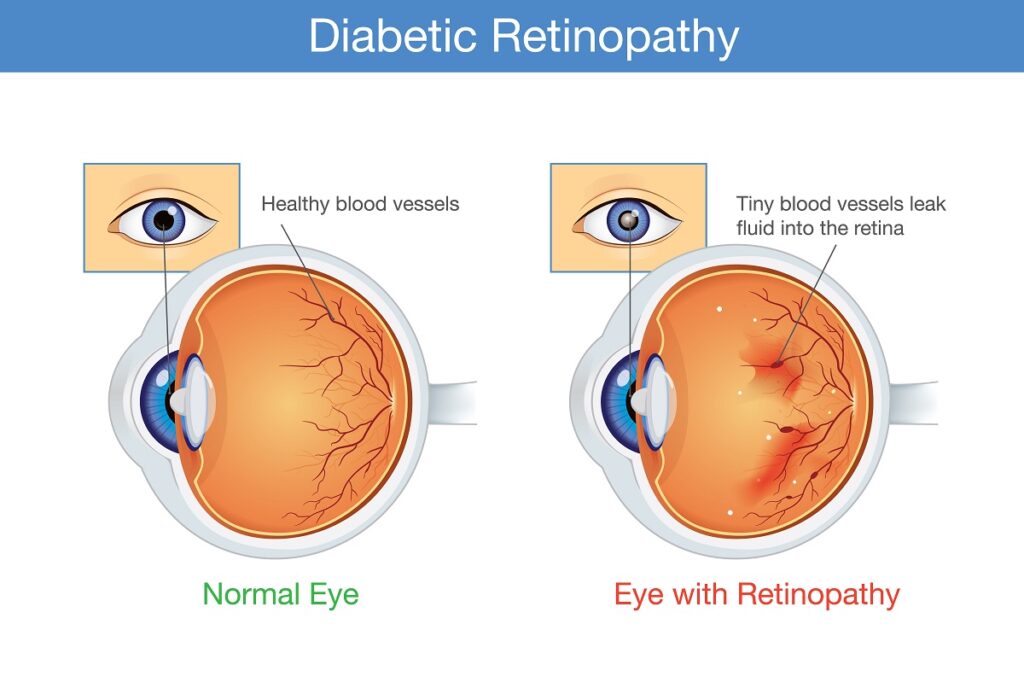
Diabetes and Eye Health: Preventing Retinopathy starts with understanding how the disease works. When blood sugar stays high, it harms tiny blood vessels everywhere, including those in the retina at the back of your eye. The retina turns light into signals your brain reads as pictures. If those vessels leak, swell, or grow wrongly, vision blurs or even disappears. But you do not have to wait for trouble. Good daily habits, regular checks, and quick treatment make a huge difference.
In this article, we will cover what happens inside the eye, early warning signs, who is most at risk, and the exact steps that really work. You will also read real success stories, find easy meal and exercise ideas, and get answers to common questions. By the end,d you will know how to keep your eyes healthy while living well with diabetes. Diabetes and Eye Health: Preventing Retinopathy is not just a medical phrase – it is a practical plan anyone can follow.
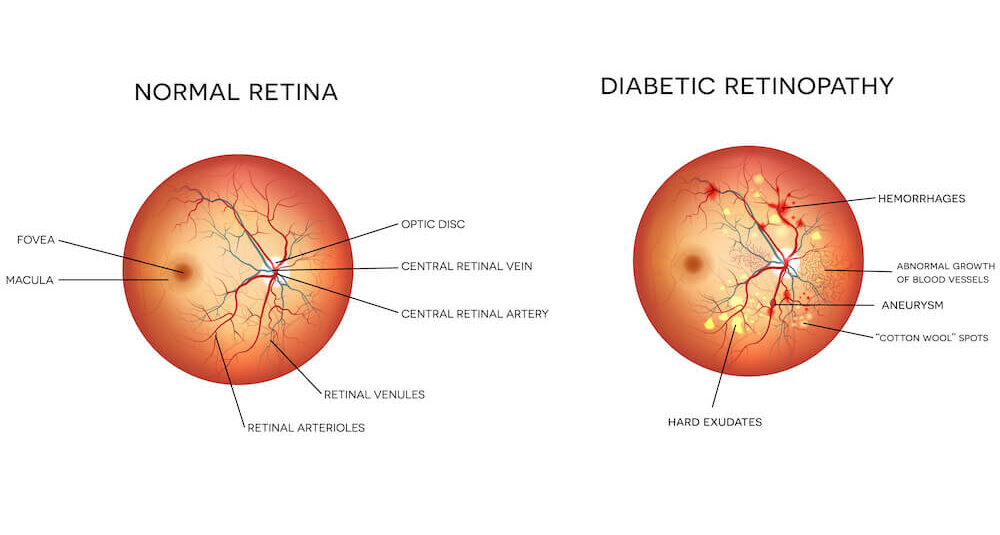
What Is Diabetes and How Does It Harm the Eyes?
Diabetes happens when the body cannot make enough insulin or cannot use it properly. Insulin helps turn food into energy. Without good control, sugar builds up in the blood. Over months and years, rs this extra sugar damages small blood vessels. The eyes are extra sensitive because the retina needs a constant supply of fresh blood.
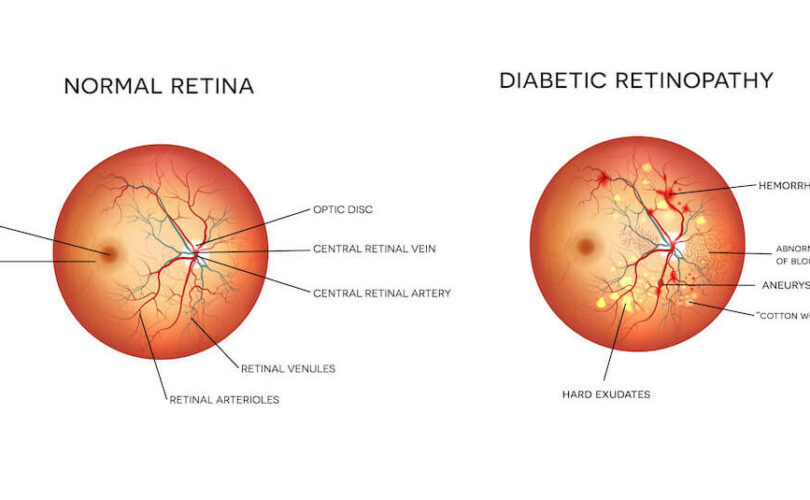
High sugar makes vessel walls weak. They can bulge, leak fluid, or close completely. New, weak vessels may grow to replace them, but these new ones bleed easily. All of this is called diabetic retinopathy. It is the top reason for blindness in working-age adults, yet most cases can be prevented or slowed down when caught early.
The connection between diabetes and the eyes is strong. Even people whose sugar seems “okay” can have hidden damage. That is why Diabetes and Eye Health: Preventing Retinopathy focuses on daily habits rather than waiting for pain or blur. The earlier you act, the better your chances of keeping a ng clear sight.
Understanding Diabetic Retinopathy
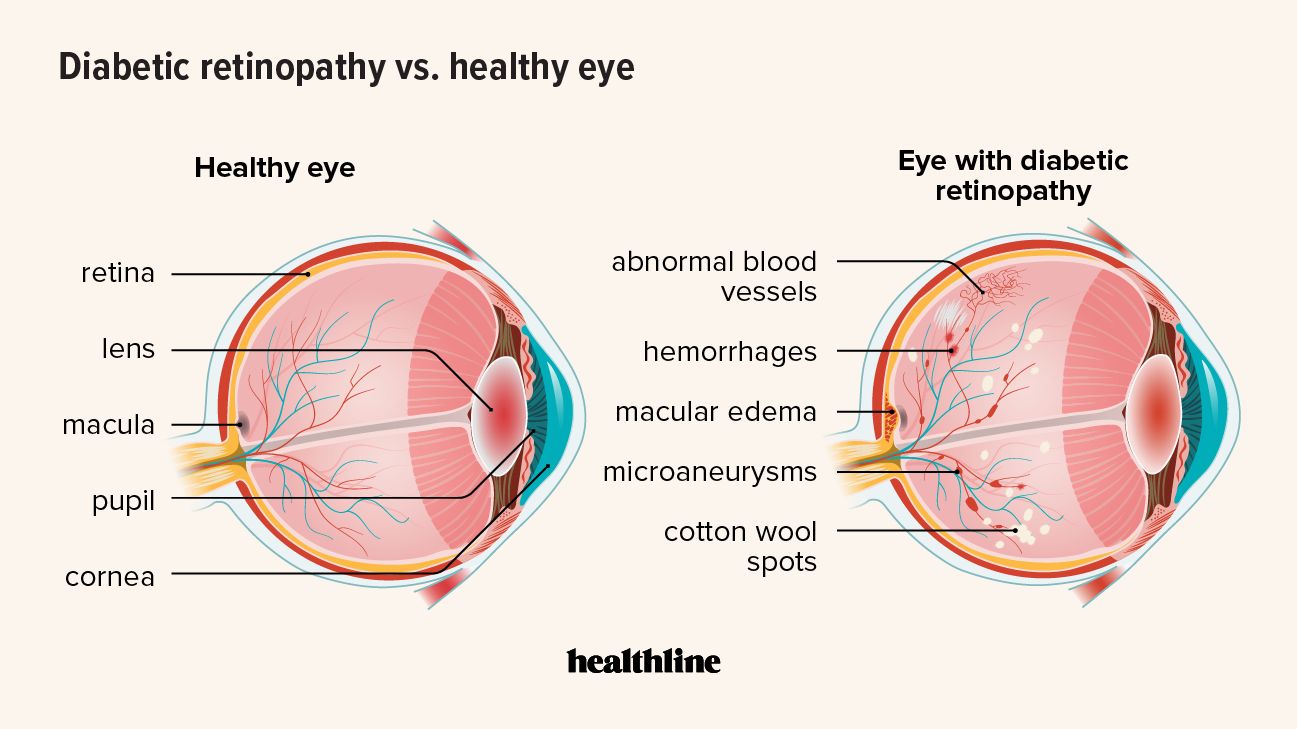
Diabetic retinopathy has two main stages. The early stage is non-proliferative. Blood vessels weaken and leak tiny amounts of fluid or blood. You may not notice anything yet. The later stage is proliferative. New, abnormal vessels grow on the retina. These vessels bleed into the clear gel inside the eye and can pull the retina away from its place. Both stages can also cause swelling in the macula – the central spot for sharp vision – called macular edema.
Without care, vision can fade slowly or suddenly. Floaters (dark spots or strings), blurry patches, or trouble seeing colors are common clues. But many people feel nothing until the damage is advanced. That is why regular checks matter more than waiting for symptoms.
Diabetes and Eye Health: Preventing Retinopathy means stopping damage before it reaches these stages. Good blood-sugar control alone can cut the risk of serious problems by up to 76 percent in some studies. Adding blood-pressure and cholesterol control makes the protection even stronger.
Symptoms You Should Never Ignore
In the beginning, there are often no symptoms at all. That is why the disease is called a “silent” threat. As it grows,s you might notice:
• Blurry or wavy vision that changes from day to day • Dark or empty spots floating across your sight • Trouble reading or seeing fine details • Poor night vision or colors that look washed out • Sudden flashes of light
If you see any of these, contact your eye doctor the same day. Quick action can save vision. Diabetes and Eye Health: Preventing Retinopathy includes learning these signs so you can act fast.
Who Is at Higher Risk?
Anyone with diabetes can develop retinopathy, but some people face bigger chances:
• Longer time living with diabetes (risk rises after 5–10 years) • Poor blood-sugar control (high A1C) • High blood pressure or high cholesterol • Pregnancy (women with diabetes need extra checks) • Smoking • Obesity or lack of regular exercise
Even children and teens with type 1 diabetes need yearly checks once they have had diabetes for a few years. The good news? Every risk factor on this list can be improved.
Why Regular Eye Exams Are Your Best Friend
Diabetes and Eye Health: Preventing Retinopathy begins with one simple habit: a yearly dilated eye exam. Drops make your pupils large so the doctor can see the retina clearly. The exam takes about 15 minutes and is painless. It finds tiny leaks or swelling long before you notice vision changes.
Many people skip this test because their sight feels fine. Yet studies show that early detection plus treatment cuts the risk of severe vision loss by more than 90 percent. Make it part of your yearly health routine, just like checking blood sugar.
Step-by-Step Prevention Plan That Works
1. Keep blood sugar in target range. Check your sugar several times a day or use a continuous glucose monitor. Aim for an A1C below 7 percent if your doctor agrees. Steady levels protect the tiny eye vessels. Small daily wins – choosing water instead of soda, walking after meals – add up fast.

2. Control blood pressure and cholesterol.l Target blood pressure below 130/80 and healthy cholesterol numbers. These steps reduce stress on the eye blood vessels. Take medicines exactly as prescribed and eat less salt and fried food.
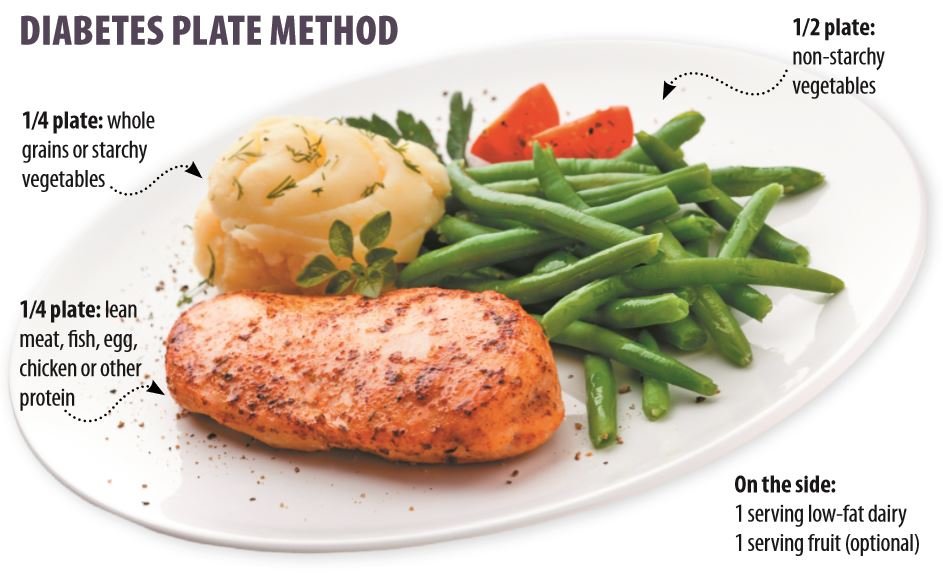
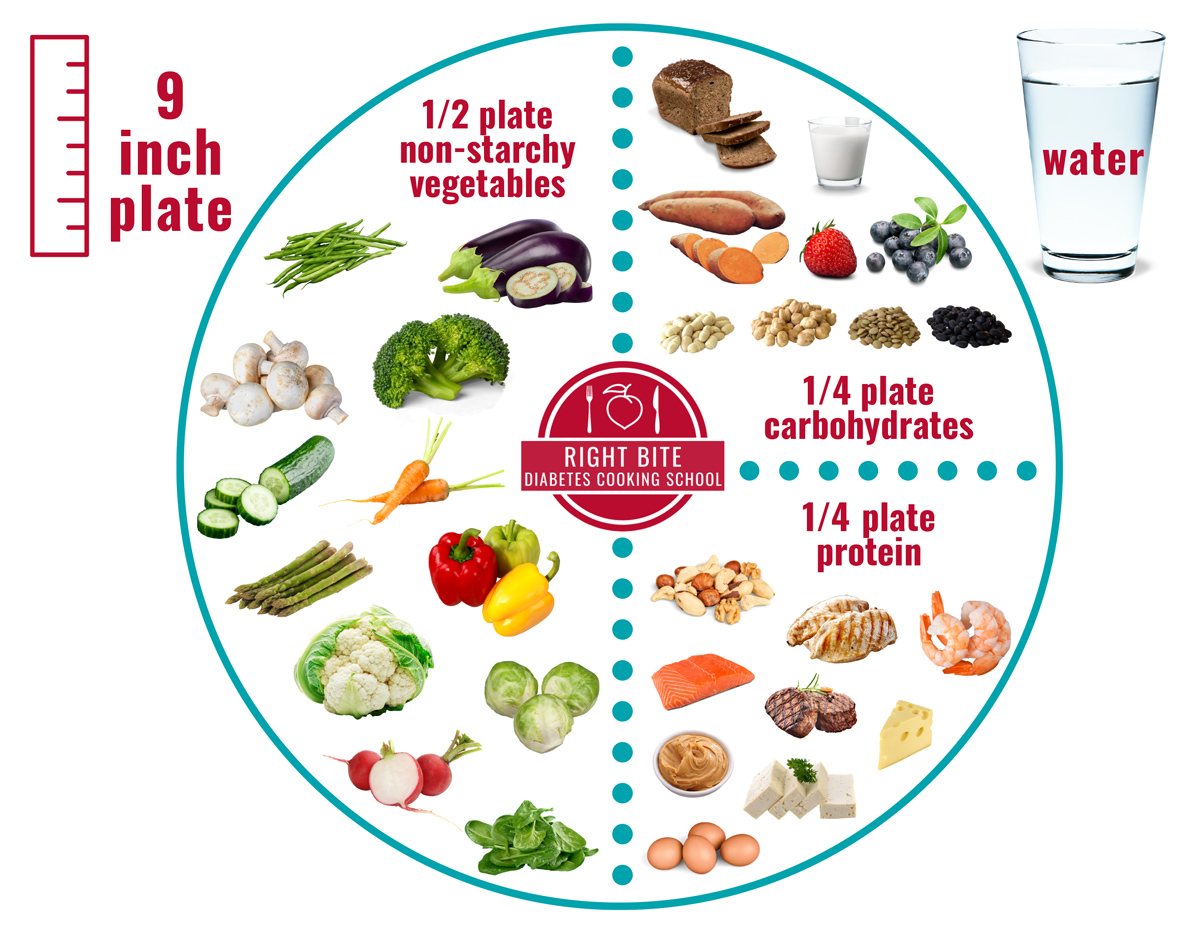
3. Eat for healthy eyes. Fill half your plate with colorful vegetables, one quarter with lean protein (fish, chicken, beans), and one quarter with whole grains. Add foods rich in vitamins A, C, E, and omega-3s – spinach, carrots, salmon, and nuts. These nutrients fight inflammation and support blood-vessel walls. Avoid sugary drinks and processed snacks. A steady plate method keeps sugar stable and eyes protected.
4. Move every day. Aim for 150 minutes of moderate activity each week – brisk walking, swimming, cycling, or yoga. Exercise lowers blood sugar, helps with weight control, and improves blood flow to the eyes. Start slow if you are new to exercise and ask your doctor for a safe plan. Even ten-minute walks after meals make a difference.


5. Quit smoking and limit alcohol. Smoking narrows blood vessels and raises blood pressure. Quitting is one of the fastest ways to lower retinopathy risk. If you drink, keep it to one or two drinks on special days only.
6. Protect your eyes from bright light.t Wear sunglasses outdoors and take screen breaks every 20 minutes to rest your eyes. Good sleep (7–9 hours) also helps sugar control.
Diabetes and Eye Health: Preventing Retinopathy is built on these six steps repeated every single day. Small choices create big protection.
What If Retinopathy Is Already There? Treatments That Help
If early changes appear, doctors can treat them before vision is lost. Common options include:
• Laser photocoagulation – tiny laser spots seal leaking vessels and slow new growth. • Injections – medicine placed directly in the eye to reduce swelling and stop abnormal vessels. • Vitrectomy surgery – for severe bleeding or scar tissue, the doctor removes the cloudy gel and repairs the retina.

These treatments are done in a clinic or hospital and often improve or save sight. The key is starting them early.
Real Success Stories That Inspire Hope
Meet John, who has had type 2 diabetes for 12 years. His yearly exam showed early retinopathy. He started checking sugar daily, switched to the plate method, and walked 30 minutes each morning. Within 18 months, his eye doctor said the changes had reversed. John’s vision stayed sharp.
Rachael had stage 4 retinopathy with bleeding. Laser treatments and a vitrectomy cleared the blood. She now keeps her A1C under 6.5 percent and sees her eye doctor every six months. Her sight returned almost to normal.
Dennis noticed blurry vision and learned he had undiagnosed diabetes plus retinopathy. Eye injections plus better sugar control turned his story around. He now encourages friends to get checked.
These stories prove that Diabetes and Eye Health: Preventing Retinopathy is possible even after problems begin. Action and consistency win.
Common Myths About Diabetes and Eyes
Myth 1: “If my vision is fine, my eyes are fine.” Fact: Damage can start without any blur.
Myth 2: “Only older people get retinopathy.” Fact: Anyone with diabetes for several years can develop it.
Myth 3: “I can skip eye exams if I take my medicine.” Fact: Yearly dilated exams are still needed.
Clearing these myths helps more people take the right steps.
Putting It All Together for Lifelong Vision
Diabetes and Eye Health: Preventing Retinopathy is a team effort between you, your diabetes doctor, and your eye specialist. Track your numbers, eat well, stay active, and never miss an eye exam. These habits protect your sight and your whole body.
Start today. Make one small change – perhaps a ten-minute walk or adding spinach to dinner. Over time, these steps build a strong defense. Your eyes will thank you.
Diabetes and Eye Health: Preventing Retinopathy is not about fear. It is about power – the power to keep seeing the faces you love, the sunsets, and the everyday joys of life. Take control now and enjoy clear vision for many healthy years ahead.
Disclaimer:r This article is for information only and is not medical advice. It does not replace advice from your doctor or eye specialist. Diabetes care and eye treatment plans are different for every person. Always talk to your healthcare team before changing diet, exercise, medicine, or starting new tests. Early detection and professional care are the best ways to protect your vision.
FAQs
- How often should I get an eye exam if I have diabetes? Most people need a dilated eye exam once a year. Pregnant women or those with existing retinopathy may need checks more often. Your doctor will tell you the right schedule.
- Can diabetic retinopathy be cured? There is no full cure, but early treatment can stop or reverse damage. Good diabetes control often prevents it completely.
- Does high blood sugar always cause eye problems? Not always. Many people keep their eyes healthy by controlling sugar, blood pressure, and cholesterol.
- Are there foods that help prevent retinopathy? Yes. Leafy greens, fish, nuts, carrots, and berries support eye health. Follow the plate method to keep sugar steady.
- Is exercise safe for people with retinopathy? Light to moderate exercise is usually safe and helpful. Talk to your doctor first if you have advanced retinopathy or have undergone a recent treatment.
- What are the first signs of retinopathy? Often, there are none. Later signs include floaters, blurry vision, or dark spots. Yearly exams catch it early.
- Can children with diabetes get retinopathy? Yes, but it usually appears after several years. They still need regular eye checks.
- Do eye drops or glasses prevent retinopathy? No. Glasses help with focus,s but do not stop blood-vessel damage. Only sugar and blood-pressure control plus exams do that.
- Is laser treatment painful? Most people feel only a quick prick or nothing at all. It is done with numbing drops.
- What should I do if I notice sudden vision changes? See an eye doctor or go to the emergency room right away. Quick care can prevent permanent loss.
References
- American Academy of Ophthalmology – Prevent Diabetic Eye Disease in 5 Steps
- Mayo Clinic Health System – Preventing diabetic retinopathy
- Cleveland Clinic – Diabetic Retinopathy: Screening, Prevention and Treatment
- Prevent Blindness – Diabetic Retinopathy
- National Eye Institute and NIDDK resources on diabetic eye disease
- American Diabetes Association – Diabetes-Related Retinopathy
- Peer-reviewed studies on glycemic control and retinopathy risk (PMC articles)
- Patient success stories from eye clinics and diabetes organizations
Follow these steps, stay consistent, and make Diabetes and Eye Health: Preventing Retinopathy your daily priority. Your future self – and your clear vision – will be grateful.