

The Benefits of Team Sports for Juvenile Diabetes Management
In today’s fast-paced world, managing juvenile diabetes, also known as type 1 diabetes, requires a multifaceted approach that includes medication, diet, and lifestyle choices. One of the most effective and enjoyable strategies is incorporating physical activity into daily routines. Specifically, The Benefits of Team Sports for Juvenile Diabetes Management are profound, offering not just physical improvements but also emotional and social advantages for children and adolescents dealing with this condition. This article delves deep into how team sports can transform the lives of young people with juvenile diabetes, drawing on scientific insights, real-world examples, and practical advice.
Juvenile diabetes affects millions of children worldwide, demanding constant monitoring of blood sugar levels and insulin administration. However, engaging in team sports can make this management feel less like a burden and more like an adventure. By exploring The Benefits of Team Sports for Juvenile Diabetes Management, parents, caregivers, and healthcare providers can better support these young individuals in leading active, fulfilling lives. From improved insulin sensitivity to enhanced self-esteem, the advantages are backed by research and personal testimonies.

Understanding Juvenile Diabetes: A Foundation for Management
Juvenile diabetes, or type 1 diabetes, is an autoimmune condition where the pancreas produces little to no insulin, leading to high blood sugar levels if not managed properly. It typically onset in childhood or adolescence, requiring lifelong insulin therapy, careful meal planning, and regular blood glucose checks. Without proper control, it can lead to complications like heart disease, nerve damage, and kidney issues later in life.
The management of juvenile diabetes isn’t just about medical interventions; lifestyle plays a crucial role. Physical activity is recommended by health organizations as a key component. For children, this can be particularly challenging due to fluctuating energy levels and the fear of hypoglycemia (low blood sugar). Yet, The Benefits of Team Sports for Juvenile Diabetes Management shine here, as structured activities provide a safe environment to exercise while learning to balance diabetes care.
Children with juvenile diabetes often face barriers to participation in sports, such as concerns over blood sugar fluctuations during intense play. However, with advancements like continuous glucose monitors (CGMs) and insulin pumps, these challenges are more manageable than ever. Studies show that regular physical activity extends the remission phase in newly diagnosed children, reducing the risk of long-term complications. This sets the stage for why team sports are not just beneficial but essential.
To fully appreciate The Benefits of Team Sports for Juvenile Diabetes Management, it’s important to note that type 1 diabetes affects about 1 in 400 children in the US, and global rates are rising. Encouraging participation in team sports from an early age can instill habits that last a lifetime, promoting overall health and resilience.
The Role of Physical Activity in Diabetes Management
Physical activity is a cornerstone of diabetes care for all ages, but for juveniles, it’s even more vital as it supports growth and development. Exercise helps the body use insulin more efficiently, lowering blood sugar levels and reducing the amount of insulin needed. Aerobic activities, strength training, and flexibility exercises all contribute, but team sports combine these elements in a fun, engaging way.
In juvenile diabetes management, physical activity can prevent cardiovascular issues, improve bone density, and enhance mental well-being. The American Academy of Pediatrics recommends at least 60 minutes of moderate to vigorous activity daily for children aged 6-17, including those with diabetes. Team sports like soccer, basketball, or swimming fit perfectly into this guideline, offering structured sessions that build endurance and strength.
One key aspect of The Benefits of Team Sports for Juvenile Diabetes Management is the way they encourage consistent activity. Unlike solitary exercises, team sports foster commitment through group dynamics, making it less likely for kids to skip sessions. Research indicates that youth with type 1 diabetes who engage in regular PA have better glycemic control and longer partial remission periods.
Moreover, physical activity relieves tension, boosts mood, and aids in weight management, all critical for juveniles with diabetes. By integrating team sports, children learn to monitor their bodies’ responses, adjusting insulin and carbs accordingly, which empowers them in their diabetes journey.
Specific Benefits of Team Sports: Physical Health Advantages
Diving deeper into The Benefits of Team Sports for Juvenile Diabetes Management, the physical health gains are extensive. Team sports promote cardiovascular fitness, which is crucial since diabetes increases heart disease risk. Activities like running in soccer or jumping in basketball improve heart health, lower blood pressure, and enhance lipid profiles.
Insulin sensitivity is another major benefit. Regular participation in team sports makes the body more responsive to insulin, helping maintain stable blood sugar levels. For example, mixed-intensity sports like football or hockey can maintain glucose levels during play, reducing the risk of spikes or drops.
Bone health is often overlooked in diabetes management, but team sports build stronger bones through weight-bearing activities. This is vital for growing children, preventing osteoporosis later on. Additionally, sports help with weight control, combating obesity, which can complicate diabetes.
In terms of muscle strength, team sports offer resistance through gameplay, improving overall fitness. Studies confirm that physical activity reduces insulin requirements and cardiovascular risks in children with type 1 diabetes. These physical perks make The Benefits of Team Sports for Juvenile Diabetes Management undeniable for long-term health.

Mental Health Benefits: Building Resilience and Confidence
Beyond the body, The Benefits of Team Sports for Juvenile Diabetes Management extend to the mind. Children with juvenile diabetes often experience stress, anxiety, or depression due to the constant demands of management. Team sports provide a natural outlet for stress relief, releasing endorphins that boost mood and reduce tension.
Participation in team sports builds self-esteem as kids achieve goals, score points, or contribute to team victories. This sense of accomplishment is empowering, especially when diabetes might make them feel different. Social interaction in teams combats isolation, fostering friendships and support networks.
Moreover, team sports teach problem-solving and resilience. Adjusting to blood sugar changes during games mirrors real-life diabetes challenges, building mental toughness. Research shows improved psychological well-being in active youth with type 1 diabetes. By highlighting The Benefits of Team Sports for Juvenile Diabetes Management, we see how they promote a positive mindset.
Sports also enhance concentration and academic performance, as physical activity sharpens cognitive functions. For juveniles, this holistic approach means better emotional regulation and a brighter outlook on living with diabetes.
Social Benefits: Fostering Community and Support
One of the most overlooked aspects of The Benefits of Team Sports for Juvenile Diabetes Management is the social dimension. Team sports create a sense of belonging, helping children feel normal despite their condition. Being part of a team encourages communication, teamwork, and empathy, skills that extend beyond the field.
For kids with juvenile diabetes, sharing experiences with teammates can normalize their routines, like checking blood sugar or snacking during breaks. This reduces stigma and builds confidence. Parents note that sports help their children form lasting friendships, providing emotional support.
Community involvement through leagues or clubs exposes families to resources and role models. Events like diabetes-aware sports camps further amplify these benefits. Socially, The Benefits of Team Sports for Juvenile Diabetes Management create a supportive ecosystem that aids adherence to management plans.
In adolescence, when peer pressure peaks, team sports offer positive outlets, steering clear of risky behaviors. The camaraderie in teams motivates consistent participation, reinforcing healthy habits.

How Team Sports Help with Blood Sugar Control
A core element of The Benefits of Team Sports for Juvenile Diabetes Management isthe direct impact on blood sugar. Exercise lowers glucose by increasing muscle uptake, but team sports’ intermittent nature helps stabilize levels. For instance, in soccer, bursts of sprinting balanced with recovery periods prevent drastic drops.
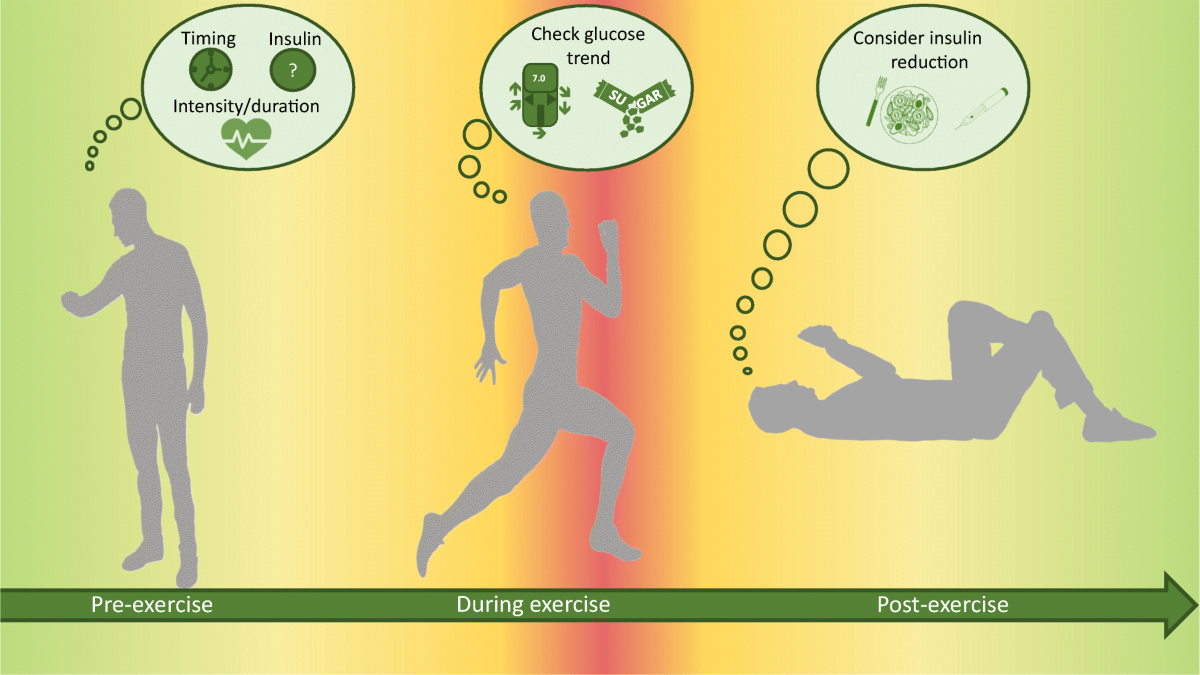
Using CGMs during sports allows real-time adjustments, like consuming carbs if levels trend low. Pre-sport insulin reductions (50-80%) are common for better control. This proactive approach minimizes hypoglycemia risks.
Post-sport, monitoring prevents delayed lows, especially overnight. Team sports teach pattern recognition, improving overall management. Thus, The Benefits of Team Sports for Juvenile Diabetes Management include practical glucose regulation skills.
Choosing the Right Team Sport for Your Child
Selecting a sport is key to maximizing The Benefits of Team Sports for Juvenile Diabetes Management. Consider the child’s interests—soccer for endurance, basketball for agility, and swimming for low-impact. Start with less intense options if new to sports.
Factor in diabetes specifics: Water-based sports like swimming suit those with pumps, as they’re waterproof. Team size matters; smaller teams allow more monitoring. Consult healthcare teams for tailored advice.
Trial periods help gauge fit, ensuring enjoyment and safety. The goal is sustained participation to reap The Benefits of Team Sports for Juvenile Diabetes Management.
Tips for Parents and Coaches: Ensuring Safe Participation
To harness The Benefits of Team Sports for Juvenile Diabetes Management, parents and coaches must collaborate. Educate coaches on symptoms of hypo/hyperglycemia and emergency protocols. Pack kits with meters, snacks, and glucagon.
Adjust insulin based on activity intensity; monitor frequently. Encourage open communication with the child about how they feel.
For coaches, inclusive practices like scheduled breaks aid management. Parental involvement in planning ensures safety, amplifying benefits.
Success Stories: Real-Life Inspirations
Success stories vividly illustrate The Benefits of Team Sports for Juvenile Diabetes Management. Take Ricky, diagnosed at age 7 with type 1 diabetes. Despite challenges, he excelled in lacrosse, earning a spot on a Division 1 college team. His story shows how sports build discipline and control.
Colton, 12, faced a life-threatening diagnosis but thrived with support from specialists. He plays soccer, runs cross-country, and swims, managing diabetes seamlessly. His active life highlights resilience.
Dylan Archer, diagnosed at 5, races and plays competitive soccer. He manages his condition independently, inspiring others.
Brandon Denson played professional football with type 1, proving that high-level achievement is possible.
Olympic swimmer Gary Hall Jr. medaled despite a diagnosis, empowering young athletes.
Izzy Dixon, diagnosed at 11, competes in dance, maintaining control.
These tales underscore The Benefits of Team Sports for Juvenile Diabetes Management, showing diabetes doesn’t limit potential.
Disclaimer
This article is for informational purposes only and does not constitute medical advice. Always consult a healthcare professional before starting any new activity or changing diabetes management plans. Individual responses to exercise vary, and professional guidance ensures safety.
FAQs
What are The Benefits of Team Sports for Juvenile Diabetes Management?
They include better blood sugar control, improved physical fitness, mental health boosts, and social skills development.
Can children with juvenile diabetes play contact sports?
Yes, with proper monitoring and adjustments, but consult doctors for specific risks.
How often should blood sugar be checked during team sports?
Before, during, and after, especially if using CGM for trends.
What if my child experiences low blood sugar during a game?
Have fast-acting carbs ready and pause play if needed.
Are there sports camps for kids with diabetes?
Yes, many organizations offer diabetes-friendly camps focusing on sports.
How do team sports affect insulin needs?
They often reduce requirements due to increased sensitivity.
References
For further reading, refer to the cited sources throughout this article on The Benefits of Team Sports for Juvenile Diabetes Management. These include studies from NIH, KidsHealth, and more, providing evidence-based insights.






[…] but also builds strong muscles, bones, and overall well-being. According to experts, children with juvenile diabetes can participate in the same activities as their peers, provided they monitor their glucose levels […]