Breakfast Cereals with Hidden Sugars
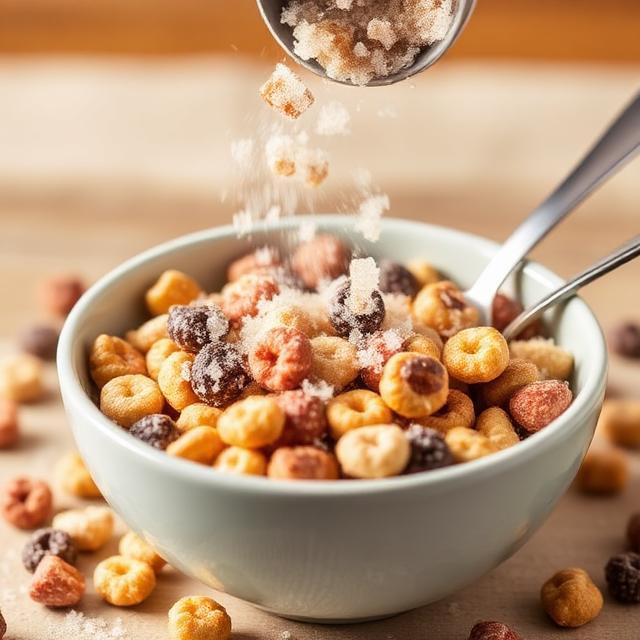
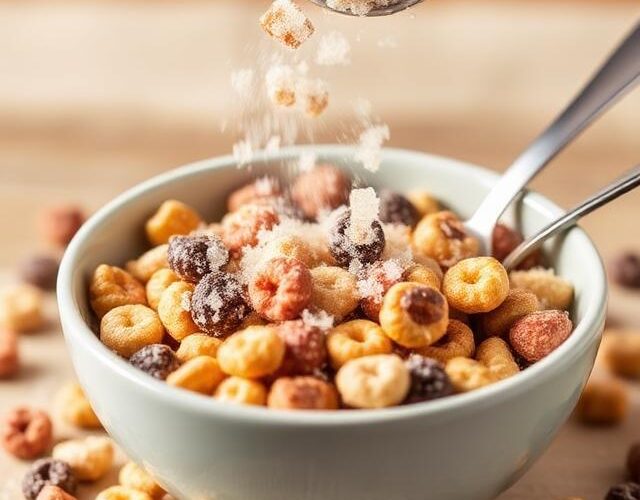
In the rush of morning routines, breakfast cereals promise a quick, convenient start to the day. Marketed as wholesome fuel for busy families, these colorful boxes line supermarket aisles, whispering assurances of vitamins, whole grains, and energy boosts. But beneath the vibrant packaging and cheerful mascots lies a sneaky culprit: hidden sugars. What you think is a healthy bowl of flakes or puffs could be packing more sweetness than a candy bar, all without you realizing it. “Breakfast Cereals with Hidden Sugars”
Hidden sugars in breakfast cereals aren’t just an occasional indulgence—they’re a daily trap affecting millions. According to recent analyses, many popular brands contain up to 35% sugar by weight, turning your morning ritual into an unwitting sugar rush. This isn’t hyperbole; it’s a nutritional blind spot that’s contributing to rising rates of obesity, diabetes, and heart disease. In this comprehensive guide, we’ll dive deep into the world of breakfast cereals with hidden sugars, exposing the facts, revealing the risks, and arming you with tools to make smarter choices. Whether you’re a parent stocking the pantry or an adult seeking sustained energy, understanding these hidden sugars could transform your breakfast—and your health.
By the end, you’ll know how to spot these deceptive sweeteners, swap them for truly nutritious options, and even hear inspiring success stories from those who’ve broken free. Let’s crack open that box and take a closer look.
What Exactly Are Hidden Sugars in Breakfast Cereals?
Hidden sugars refer to added sugars that aren’t immediately obvious from a product’s name or marketing. Unlike the visible sprinkles on frosted flakes, these sugars are woven into the recipe under innocuous aliases, making them “hidden” from the casual shopper. They’re added during manufacturing to enhance flavor, texture, and shelf life, but they can quickly turn a seemingly benign cereal into a dessert in disguise. “Breakfast Cereals with Hidden Sugars”
The Many Faces of Hidden Sugars
Sugars in cereals come in over 60 different forms, many disguised to evade scrutiny. Common culprits include:
- High-Fructose Corn Syrup (HFCS): A cheap, ubiquitous sweetener derived from corn, often topping ingredient lists in flavored cereals.
- Maltose and Dextrose: Barley- or corn-based sugars that add subtle sweetness without the “sugar” label.
- Invert Sugar and Molasses: Blends that provide caramel-like notes, common in “whole grain” varieties.
- Fruit Juice Concentrates: Sound healthy? They’re essentially sugar bombs, stripped of fiber and nutrients.
These aren’t the natural sugars found in fruits or milk; they’re refined additions that spike blood sugar rapidly. A single serving of some cereals can deliver 12-20 grams of added sugar—equivalent to 3-5 teaspoons—often hidden across multiple names in the ingredients list. For context, the American Heart Association recommends no more than 25 grams of added sugar per day for women and 36 grams for men. Kids? Just 25 grams max. One bowl could blow half your daily quota before lunch.
Why Do Manufacturers Add Them?
It’s all about appeal. Sugar makes cereals addictive—triggering dopamine hits similar to drugs—keeping consumers coming back. Plus, it masks the blandness of processed grains. Even “healthy” lines like fitness-focused flakes aren’t immune; a 2025 report highlighted “fitness” cereals with more sugar than a glazed donut, thanks to hidden syrups and syrup solids. The result? A $15 billion industry thriving on deception.
In short, hidden sugars are the silent saboteurs of your breakfast. But knowledge is power—let’s explore why they’re worth avoiding. (Breakfast Cereals with Hidden Sugars)
The Alarming Health Risks of Hidden Sugars in Your Morning Routine
You might grab that sugary cereal thinking it’s harmless fuel, but the cumulative impact is far from benign. Hidden sugars in breakfast cereals contribute to a cascade of health issues, starting with blood sugar spikes and snowballing into chronic conditions.
Blood Sugar Rollercoaster and Insulin Resistance
Every spoonful sends glucose surging into your bloodstream, prompting insulin overproduction. Over time, this leads to insulin resistance—the precursor to type 2 diabetes. Studies show that excessive added sugar intake raises diabetes risk by up to 26%. For children, whose cereals often pack the most punch, this early exposure sets the stage for lifelong metabolic woes.
Weight Gain and the Obesity Epidemic
Sugary cereals are calorie-dense but nutrient-poor, promoting overeating. The empty calories lead to fat storage, particularly visceral fat around organs. A Harvard study linked high-sugar breakfasts to a 20% higher obesity risk in adults. Kids fare worse: one serving can exceed a toddler’s daily sugar limit, fueling the childhood obesity crisis that’s tripled since the 1970s. (Breakfast Cereals with Hidden Sugars)
Heart Disease and Inflammation
Added sugars inflame arteries, raise triglycerides, and boost bad cholesterol. The CDC warns that hidden sugars in everyday foods like cereals elevate cardiovascular disease risk by 38%. High blood pressure and chronic inflammation follow, turning a “heart-healthy” claim into irony.
Dental Decay and Beyond
Sugar feeds oral bacteria, eroding enamel and causing cavities—especially in the morning when saliva flow is low. But the damage extends further: links to fatty liver disease, cognitive decline, and even cancer have emerged. A 2025 review called hidden sugars a “silent killer” for packaged foods, quietly worsening insulin resistance and diabetes.
The kicker? These risks compound with daily exposure. That innocent bowl isn’t just breakfast—it’s a gamble with your future health. Now, let’s name names.
Top Breakfast Cereals with High Hidden Sugar Content: A 2025 Exposé
With data from recent nutritional audits, here’s a rundown of cereals packing the most hidden sugars. We’ve focused on popular brands, using grams per serving (about 1 cup or 30-40g). Remember, “low-fat” or “whole grain” doesn’t mean low-sugar—check twice. (Breakfast Cereals with Hidden Sugars)
The Worst Offenders
- Kellogg’s Cocoa Krispies: 16g added sugar (4 teaspoons). Hidden in rice malt syrup and HFCS, this chocolatey delight rivals candy.
- Post Fruity Pebbles: 15g sugar. Fruit flavors mask corn syrup solids and dextrose, delivering 37% of a child’s daily limit.
- General Mills Lucky Charms: 12g added sugar. Marshmallow bits hide sucrose and invert sugar—more dessert than dawn patrol.
- Kellogg’s Frosted Flakes: 11g sugar. Tony’s “grrreat” flakes use malt flavoring laced with hidden molasses.
- Pepperidge Farm Goldfish Grahams (Cereal-Style): 10g per serving. Even snack crossovers sneak in HFCS.
- Quaker Cap’n Crunch: 12g sugar. Berries or original? Both rely on sugar syrups for crunch.
- General Mills Cinnamon Toast Crunch: 11g added sugar. Cinnamon sugar coating conceals multiple sweeteners.
- Kellogg’s Apple Jacks: 14g sugar. “Cinnamon-toasted apple” flavor from fruit concentrates and syrups.
- Post Honey Bunches of Oats with Almonds: 9g sugar. Clusters hide honey and brown sugar glaze.
- General Mills Reese’s Puffs: 13g added sugar. Peanut butter chocolate? Pure HFCS heaven.
- Kellogg’s Smorz: 12g per serving. Graham, chocolate, marshmallow—all sugar-loaded.
- Malt-O-Meal Cocoa Dyno Bites: 14g sugar. Budget brand, big sugar hit via corn sweeteners.
- General Mills Trix: 12g added sugar. Silly rabbit tricks with fruit juice concentrates.
- Kellogg’s Froot Loops: 12g sugar. Artificial fruit flavors are backed by hidden dextrose.
- Post Golden Puffs: 15g sugar. Honey-coated? More like sugar-coated deception. (Breakfast Cereals with Hidden Sugars)
These aren’t outliers; a 2025 British Heart Foundation ranking placed sugar-frosted cornflakes near the bottom for nutrition, with low fiber amplifying the sugar spike. Metro Parent’s analysis echoes this, noting flavored Cheerios like Apple Cinnamon at 12g—nearly a quarter sugar by weight. Action on Sugar’s survey found even “Special K” variants with 17g/100g, outpacing generics.
Shocking, right? But fear not—decoding labels is your superpower.
How to Spot and Avoid Hidden Sugars on Nutrition Labels
Gone are the days of vague “total sugars” listings. Since 2020, U.S. labels mandate “added sugars” breakdowns, but vigilance is key. Here’s a step-by-step guide to reading like a pro.
Step 1: Check the Serving Size
Labels base nutrition on tiny portions—often 3/4 cup, half what adults eat. Multiply accordingly. A “healthy” 5g sugar jumps to 10g for a real bowl.
Step 2: Scan the Added Sugars Line
Under Total Carbohydrates, look for “Includes Xg Added Sugars (Y% DV).” Aim for under 5g per serving. Total sugars include natural ones (e.g., from raisins), but added sugars are the red flag.
Step 3: Interrogate the Ingredients List
Ingredients are listed by weight—sugar early means trouble. Hunt for 50+ aliases: agave nectar, barley malt, cane juice, caramel, evaporated cane juice, fruit juice concentrate, golden syrup, honey, maple syrup, molasses, muscovado, palm sugar, raw sugar, rice syrup, sorghum syrup, sucanat, and more. Multiple forms? Double the deception.
Step 4: Evaluate the Percent Daily Value (%DV)
Added sugars should be under 10% DV per serving (about 2.5g for a 2,000-calorie diet). Over 20%? Pass.
Pro Tips for Savvy Shopping
- Compare Brands: Generic “toasted wheat” often beats name brands.
- Apps and Tools: Use apps like Fooducate or Yuka to scan barcodes for sugar scores.
- Whole Grains First: If “whole grain” isn’t #1, it’s filler.
- Fiber Check: High fiber (5g+) slows sugar absorption—bonus if low-sugar. (Breakfast Cereals with Hidden Sugars)
The New York Times advises watching for HFCS and juice concentrates as hidden bombs. Rutgers Extension notes labels list total sugars, but added specifics reveal the truth. Master this, and you’ll navigate aisles like a nutrition ninja.
Healthier Alternatives: Low-Sugar Breakfast Cereals That Actually Nourish
Ditching hidden sugars doesn’t mean bland mornings. Swap in these low-sugar winners—under 5g added per serving—for sustained energy and real nutrition. We’ve prioritized fiber-rich, whole-grain options from the 2025 dietitian picks.
Top Low-Sugar Cereal Picks
- General Mills Original Cheerios: 1g added sugar, 3g fiber. Oats-based simplicity with whole grains galore.
- Post Shredded Wheat: 0g added sugar, 6g fiber. Pure whole wheat—no frills, all fill.
- Nature’s Path Heritage Flakes: 4g sugar (from fruit), 7g fiber. Organic ancient grains for robust taste.
- Kashi 7 Whole Grain Nuggets: 2g added sugar, 5g fiber. Goobers of goodness without the sweet trap.
- Ezekiel 4:9 Sprouted Whole Grain Cereal: 0g sugar, 6g protein. Sprouted grains for digestibility and nutrition.
- Bob’s Red Mill Muesli: 1g added (unsweetened), 7g fiber. Nuts, seeds, oats—mix-it-yourself magic.
- Purely Elizabeth Ancient Grain Granola (as cereal): 3g sugar, 4g fiber. Coconut and cinnamon for subtle sweetness.
- Arrowhead Mills Puffed Millet: 0g sugar, light and airy with natural millet crunch.
- Post Grape-Nuts Flakes: 4g sugar, 7g fiber. Nutty, toasty without the overload.
- Three Wishes Grain-Free Cereal: 0g sugar, 8g protein. Pea and rice-based for gluten-free glory.
Beyond the Box: Creative Low-Sugar Swaps
- Oatmeal Upgrades: Steel-cut oats (0g sugar) topped with berries and nuts. Quinoa or cream of wheat for variety.
- Homemade Granola: Roll oats with olive oil, bake, add yogurt—control the sugar.
- Chia Pudding: Overnight soak with almond milk and fruit—2g natural sugar, omega-3 boost.
- Cottage Cheese Bowls: Protein-packed with sliced apples—savory-sweet balance.
Dietitians rave about these for diabetes management, noting stable blood sugar from high fiber. Verywell Health highlights hot cereals like oatmeal as superior for nutrient density. Transition gradually: Mix low-sugar with old favorites to retrain taste buds. (Breakfast Cereals with Hidden Sugars)
Success Stories: Real Transformations from Cutting Cereal Sugars
Hearing from others who’ve conquered hidden sugars inspires action. These tales, drawn from personal accounts and studies, show the payoff.
Sarah’s 8-Week Sugar Detox: Energy Reborn
Sarah, a 35-year-old mom from Chicago, was exhausted despite her “healthy” Froot Loops breakfast. “I thought the colors meant fruit!” she laughs. In 2024, she quit adding sugars cold turkey, swapping to plain Cheerios and berries. By week two, crashes vanished; by eight, she’d lost 12 pounds, her skin glowed, and A1C dropped from prediabetic to normal. “No more 3 p.m. slumps—it’s like I upgraded my operating system.” Her kids followed, ditching Cocoa Pops for oatmeal—family hyperactivity tamed.
Mike’s Family Overhaul: Heart Health Win
Mike, 42, noticed his toddler’s cavity-prone teeth after eating sugary cereals. A 2025 pediatric checkup spurred change: Shredded Wheat and yogurt replaced the offenders. Within months, dental visits improved, and Mike’s blood pressure fell 10 points. “We saved $200 on dentist bills and gained evenings without meltdowns,” he shares. Echoing a UC study, cutting kids’ sugar reversed fatty liver markers in days. (Breakfast Cereals with Hidden Sugars)
The Community Shift: Reddit’s Cereal Rebels
On r/EatCheapAndHealthy, users chronicle swaps like muesli for Cap’n Crunch. One poster lost 25 pounds in six months, crediting stable energy: “No more hunger by noon.” Another, a diabetic, stabilized glucose with Ezekiel cereal, avoiding med hikes.
These stories align with broader trends: Kellogg’s 40% sugar cuts in kids’ cereals spurred industry reform, reducing population intake. Public Health England’s program saw 1a 0% drop in cereal sugars by 2019, with sustained health gains. Your story could be next.
Frequently Asked Questions (FAQs) About Hidden Sugars in Breakfast Cereals
Q: Are all cereals bad for sugar intake? A: No—plain, whole-grain options like Cheerios or shredded wheat keep added sugars under 2g. Focus on fiber over fluff.
Q: What’s the difference between total and added sugars? A: Total includes natural (e.g., lactose in milk); added are extras like HFCS. Prioritize the added line on labels.
Q: Can I still enjoy flavored cereals occasionally? A: Moderation is key—pair with protein like nuts to blunt spikes. But daily? Opt for low-sugar to avoid habits.
Q: Are organic cereals sugar-free? A: Not necessarily—organic cane sugar counts as added. Always check labels.
Q: How do I get kids on board with low-sugar options? A: Involve them in mixing add-ins like fruit. Gradual swaps work; taste buds adapt in two weeks.
Q: Does cooking cereals reduce sugar? A: No—sugar is inherent. But adding veggies or proteins balances meals.
Disclaimer
This article is for informational purposes only and is not a substitute for professional medical advice, diagnosis, or treatment. Always consult a healthcare provider before making dietary changes, especially if you have conditions like diabetes or allergies. Nutritional data can vary by batch and region; verify with current labels. (Breakfast Cereals with Hidden Sugars)
References
- Action on Sugar. (2015). Breakfast Cereals Survey.
- British Heart Foundation. (2024). Breakfast Cereals Ranked Best to Worst. Link
- CDC. (2024). Spotting Hidden Sugars in Everyday Foods. Link
- Harvard Health. (2022). The Sweet Danger of Sugar. Link
- Hum Nutrition. (2024). I Quit Sugar for 8 Weeks—Here Are My Amazing Results. Link
- Johns Hopkins Medicine. (n.d.). Finding the Hidden Sugar in the Foods You Eat. Link
- Metro Parent. (n.d.). Which Cereals Have the Most Sugar? Link
- National Kidney Foundation. (n.d.). Five Sneaky Sources of Sugar.
- The New York Times. (2025). How Can I Find a Healthy Breakfast Cereal?
- University of California. (2015). Cutting Sugar from Kids’ Diets Improves Health in Just Days.
- Verywell Health. (2024). The 11 Best Cereals for People With Diabetes.
- Warner Vale Dental. (n.d.). Surprise Sugars: How Much Sugar is Hiding in That Breakfast Cereal? (Breakfast Cereals with Hidden Sugars)