

Vegetarian Diets and Juvenile Diabetes Management
In today’s health-conscious world, parents and caregivers are increasingly exploring dietary options to support the well-being of children with chronic conditions. One such approach gaining attention is Vegetarian Diets and Juvenile Diabetes Management. Juvenile diabetes, also known as type 1 diabetes, is an autoimmune condition where the body’s immune system attacks insulin-producing cells in the pancreas, leading to lifelong dependence on insulin therapy. Affecting children and adolescents primarily, it requires careful monitoring of blood sugar levels, insulin administration, and lifestyle choices, including diet. Vegetarian Diets and Juvenile Diabetes Management can play a pivotal role in this equation, offering potential benefits like improved glycemic control and overall health, provided they are well-planned and supervised.
This article delves into the intricacies of Vegetarian Diets and Juvenile Diabetes Management, exploring how plant-based eating patterns can align with the needs of young individuals with type 1 diabetes. We’ll cover the science behind it, practical tips, potential challenges, inspiring success stories, and more. Whether you’re a parent navigating this for your child or a healthcare professional seeking insights, understanding Vegetarian Diets and Juvenile Diabetes Management could open doors to better health outcomes.

Understanding Juvenile Diabetes: The Basics
Juvenile diabetes, or type 1 diabetes, typically manifests in childhood or adolescence, though it can occur at any age. Unlike type 2 diabetes, which is often linked to lifestyle factors, type 1 is not preventable and stems from genetic and environmental triggers. Symptoms include frequent urination, excessive thirst, unexplained weight loss, fatigue, and blurred vision. Management involves insulin injections or pumps, regular blood glucose monitoring, physical activity, and a balanced diet.
Diet is a cornerstone of juvenile diabetes care because food directly impacts blood sugar levels. Carbohydrates, proteins, and fats all play roles, but the quality and source of these nutrients matter immensely. This is where Vegetarian Diets and Juvenile Diabetes Management come into focus. A vegetarian diet excludes meat, poultry, and fish but may include dairy and eggs (lacto-ovo vegetarian), while stricter forms like veganism eliminate all animal products. For children with juvenile diabetes, these diets must ensure adequate nutrition for growth while stabilizing blood sugars.
Research indicates that plant-based diets can support diabetes management by emphasizing whole foods rich in fiber, vitamins, and minerals. However, for juveniles, the emphasis is on suitability and safety, as growth spurts demand higher caloric and nutrient intake.
The Science Behind Vegetarian Diets and Juvenile Diabetes Management
The intersection of Vegetarian Diets and Juvenile Diabetes Management is supported by emerging research, though much of it focuses on type 1 diabetes in general rather than exclusively in juveniles. Studies suggest that vegetarian diets can be appropriate for children with type 1 diabetes, provided they address potential nutrient gaps. Key benefits include better blood sugar regulation due to high-fiber foods that slow glucose absorption, reduced inflammation, and lower risks of complications like heart disease.
One commentary highlights that Vegetarian Diets and Juvenile Diabetes Management rest on balancing insulin, diet, and exercise. Vegetarian options provide essential nutrients for growth and glycemic control, but vegan variants may be more restrictive, requiring supplements for vitamin B12 and omega-3 fatty acids. In children, deficiencies in these can affect brain development, already at risk from blood sugar fluctuations in diabetes.
A systematic review notes that plant-based diets improve psychological well-being, quality of life, HbA1c levels, and weight in diabetes management, though primarily in type 2 cases. For juveniles with type 1, similar principles apply: fiber-rich vegetables, fruits, grains, and legumes help maintain stable blood sugars. Observational data shows vegetarians have lower diabetes risks overall, potentially extending to better management in existing cases.
Moreover, Vegetarian Diets and Juvenile Diabetes Management can mitigate obesity risks, a common comorbidity even in type 1 diabetes due to insulin therapy. Plant-based foods are typically lower in calories and saturated fats, promoting a healthy weight. However, challenges exist, such as ensuring sufficient protein from sources like beans, lentils, tofu, and nuts without spiking carbs.
Benefits of Vegetarian Diets in Juvenile Diabetes Management
Adopting Vegetarian Diets and Juvenile Diabetes Management offers multifaceted advantages. Firstly, improved insulin sensitivity: Plant-based diets enhance how the body responds to insulin, crucial for type 1, where production is absent. Foods like leafy greens, berries, and whole grains have low glycemic indices, preventing rapid blood sugar spikes.
Secondly, cardiovascular health: Juveniles with diabetes face higher heart disease risks later in life. Vegetarian diets lower cholesterol and blood pressure, reducing these threats. A study on plant-based patterns showed reduced diabetes incidence and better control.
Thirdly, weight management: Excess weight complicates insulin dosing. Vegetarian Diets and Juvenile Diabetes Management aid in maintaining ideal body weight through nutrient-dense, low-calorie foods.
Additionally, anti-inflammatory effects: Chronic inflammation exacerbates diabetes. Antioxidants in fruits and vegetables combat this, supporting long-term health.
For children, Vegetarian Diets and Juvenile Diabetes Management foster lifelong healthy habits, potentially easing the psychological burden of the condition by empowering dietary choices.
Key Components of a Vegetarian Diet for Juvenile Diabetes Management
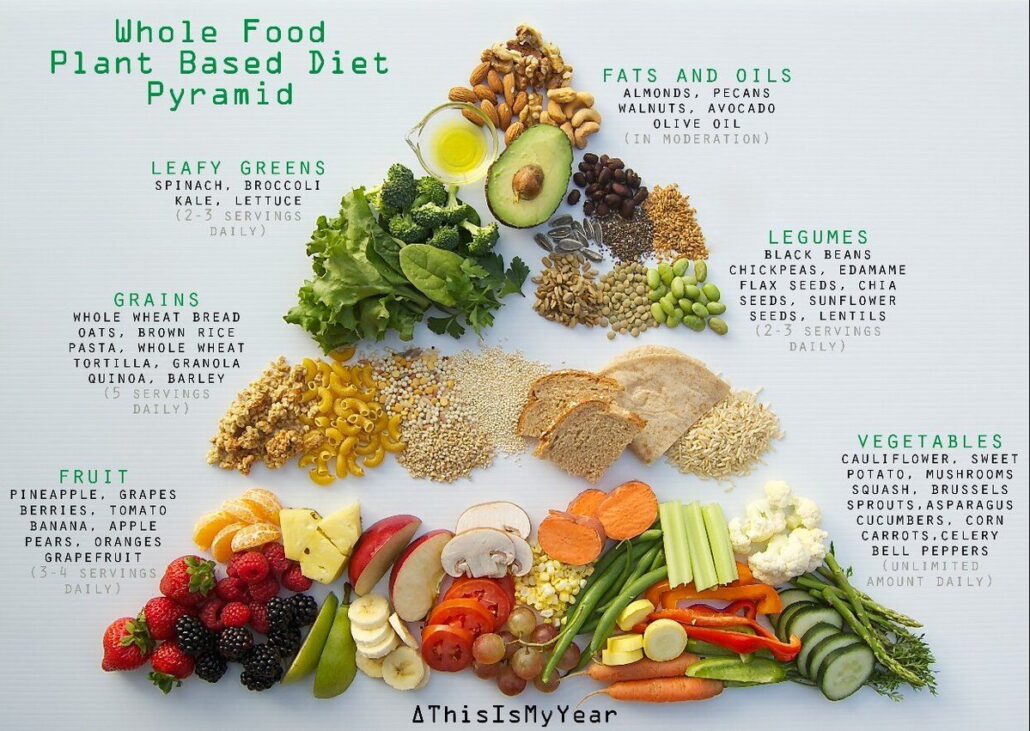
Crafting a vegetarian diet for Vegetarian Diets and Juvenile Diabetes Management requires balance. Focus on:
- Carbohydrates: Choose complex carbs like oats, quinoa, brown rice, and sweet potatoes. These provide steady energy without blood sugar rollercoasters.
- Proteins: Plant sources include lentils, chickpeas, edamame, tempeh, and seitan. For lacto-ovo vegetarians, eggs and dairy add variety.
- Fats: Healthy fats from avocados, nuts, seeds, and olive oil support brain health.
- Vitamins and Minerals: Ensure iron from spinach and fortified cereals, calcium from fortified plant milks, and B12 via supplements or fortified foods.
Sample meal plan for a day in Vegetarian Diets and Juvenile Diabetes Management:
- Breakfast: Oatmeal with berries, almond milk, and chia seeds (low GI, fiber-rich).
- Snack: Apple slices with peanut butter.
- Lunch: Quinoa salad with veggies, feta (if lacto), and vinaigrette.
- Snack: Yogurt (plant-based) with nuts.
- Dinner: Stir-fried tofu with broccoli, carrots, and brown rice.
- Dessert: Dark chocolate or fruit sorbet.
Portion control and carb counting are essential, using tools like apps for tracking.


Potential Challenges in Vegetarian Diets and Juvenile Diabetes Management
While promising, Vegetarian Diets and Juvenile Diabetes Management aren’t without hurdles. Nutrient deficiencies top the list: Children need more iron, zinc, and B12 for growth. Vegan diets, in particular, may lack these, risking anemia or neurological issues.
Picky eating in kids can limit variety, leading to imbalances. Social settings like school lunches or parties may lack vegetarian options, causing isolation or poor adherence.
Blood sugar variability: Some plant foods, like fruits, can raise glucose if not balanced with protein/fat.
Overcoming these: Work with a registered dietitian specializing in pediatric diabetes. Regular blood tests monitor nutrients. Educate families and schools on Vegetarian Diets and Juvenile Diabetes Management.
Success Stories in Vegetarian Diets and Juvenile Diabetes Management
Real-life examples illustrate the power of Vegetarian Diets and Juvenile Diabetes Management. These stories, drawn from personal accounts, show transformative impacts.
Ken Thomas’s Journey: Diagnosed with type 1 diabetes at 28, Ken switched to a plant-based diet 26 years ago. He reports stable blood sugars, reduced insulin needs, and no complications. Though not juvenile-onset, his long-term success inspires families adopting Vegetarian Diets and Juvenile Diabetes Management early.
A Nurse’s Transformation: A nurse with type 1 diabetes embraced plant-based eating, noting improved energy and glycemic control. She credits lifestyle medicine for better management, highlighting Vegetarian Diets and Juvenile Diabetes Management as a game-changer.
Dr. Brian Carlsen’s Experience: As a doctor with type 1, Dr. Carlsen adopted veganism, experiencing enhanced health metrics. His story underscores scientific backing for Vegetarian Diets and Juvenile Diabetes Management.
Taylor Connor’s Story: A young adult with juvenile diabetes turned to vegetarian/vegan diets, enjoying occasional animal products but prioritizing plants. She achieved better weight control and fewer highs/lows.
Nastassja’s Reflections: After four years on a high-carb, low-fat vegan diet, Nastassja, with type 1, reports sustained energy and optimal HbA1c, proving Vegetarian Diets and Juvenile Diabetes Management viable long-term.
These narratives emphasize personalized approaches in Vegetarian Diets and Juvenile Diabetes Management, with medical oversight.
:max_bytes(150000):strip_icc()/7-Day-No-Sugar-Vegetarian-Meal-Plan-for-Diabetes-e9758325210342e4ab1e95d7ea0c9c1d.jpg)
Integrating Physical Activity and Monitoring in Vegetarian Diets and Juvenile Diabetes Management
Diet alone isn’t enough; pair Vegetarian Diets and Juvenile Diabetes Management with exercise. Activities like swimming or cycling enhance insulin sensitivity. Monitor blood sugars pre/post-meals and activity to adjust insulin.
Technology aids: Continuous glucose monitors (CGMs) provide real-time data, helping refine Vegetarian Diets and Juvenile Diabetes Management.
Psychological Aspects of Vegetarian Diets and Juvenile Diabetes Management
Children with juvenile diabetes often face emotional challenges. Vegetarian Diets and Juvenile Diabetes Management can empower them, fostering control. However, restrictive diets might cause stress; involve kids in meal planning for positivity.
Support groups connect families exploring Vegetarian Diets and Juvenile Diabetes Management.
Long-Term Outlook for Vegetarian Diets and Juvenile Diabetes Management
Longitudinally, Vegetarian Diets and Juvenile Diabetes Management may reduce complications like retinopathy or nephropathy. Studies on adults suggest lower risks, potentially translating to juveniles.
Transitioning to adulthood: Habits formed in Vegetarian Diets and Juvenile Diabetes Management promote independence.

Disclaimer
This article on Vegetarian Diets and Juvenile Diabetes Management is for informational purposes only and does not constitute medical advice. Always consult a healthcare professional, such as a pediatric endocrinologist or registered dietitian, before making dietary changes for a child with juvenile diabetes. Individual needs vary, and unsupervised shifts could lead to nutrient deficiencies or unstable blood sugars.
FAQs on Vegetarian Diets and Juvenile Diabetes Management
Q1: Is a vegetarian diet safe for children with juvenile diabetes? A: Yes, with proper planning, Vegetarian Diets and Juvenile Diabetes Management can be safe and beneficial, but consult experts to avoid deficiencies.
Q2: Can vegan diets work in Juvenile Diabetes Management? A: Vegan diets are more restrictive and may require supplements, but they can support Vegetarian Diets and Juvenile Diabetes Management if monitored.
Q3: How do vegetarian diets affect blood sugar in kids? A: High-fiber foods in Vegetarian Diets and Juvenile Diabetes Management stabilize levels, but carb counting is key.
Q4: What nutrients to watch in Vegetarian Diets and Juvenile Diabetes Management? A: B12, iron, calcium, and omega-3s; supplements may be needed.
Q5: Are there meal ideas for busy families? A: Simple options like veggie stir-fries or lentil soups fit Vegetarian Diets and Juvenile Diabetes Management.
Q6: Does it help with weight in juvenile diabetes? A: Yes, a plant-based focus in Vegetarian Diets and Juvenile Diabetes Management aids healthy weight.
Q7: Can kids with diabetes eat fruits on a vegetarian diet? A: In moderation, as part of balanced Vegetarian Diets and Juvenile Diabetes Management.
Q8: How to start Vegetarian Diets and Juvenile Diabetes Management? A: Gradually, with professional guidance.
Q9: Are there risks in Vegetarian Diets and Juvenile Diabetes Management? A: Potential deficiencies; regular check-ups mitigate them.
Q10: Do success stories prove it works? A: Anecdotal evidence supports Vegetarian Diets and Juvenile Diabetes Management, but individual results vary.
References
-
- Vegetarianism and type 1 diabetes in children – PMC. https://pmc.ncbi.nlm.nih.gov/articles/PMC8203836
- Perspective: Plant-Based Eating Pattern for Type 2 Diabetes Prevention and Treatment. https://www.sciencedirect.com/science/article/pii/S2161831322004896
- Plant-Based Diets and Diabetes Risk. https://diabetesjournals.org/care/article/47/5/787/154331/Plant-Based-Diets-and-Diabetes-Risk-Which-Foods
- Vegetarian diets and diabetes | Edgepark HealthInsights. https://www.edgepark.com/healthinsights/living-with-t1d/vegetarian-diets-and-diabetes
- Effectiveness of plant-based diets in promoting well-being in the management of type 2 diabetes. https://drc.bmj.com/content/6/1/e000534
- Vegetarianism and type 1 diabetes in children – PubMed. https://pubmed.ncbi.nlm.nih.gov/34159308
- Vegetarian Diet: Can It Help Me Control My Diabetes? https://www.questhealthsolutions.com/blog/nutrition/vegetarian-diet-can-it-help-me-control-my-diabetes
- The Impact of a Vegan Diet in the Prevention and Treatment of Type 2 Diabetes. https://www.mdpi.com/2072-6643/13/6/2123
- Risks and benefits of vegan and vegetarian diets in children. https://www.cambridge.org/core/journals/proceedings-of-the-nutrition-society/article/risks-and-benefits-of-vegan-and-vegetarian-diets-in-children/A8539A11838C49A98FAF2DB2C6EE0AF2
- Vegetarianism and type 1 diabetes in children – PMC. https://pmc.ncbi.nlm.nih.gov/articles/PMC8203836
- Vegetarianism and type 1 diabetes in children – PubMed. https://pubmed.ncbi.nlm.nih.gov/34159308
- Vegetarian Diets for Children | Michigan Medicine. https://www.michiganmedicine.org/health-lab/vegetarian-diets-children
- For 26 Years, I’ve Managed Type 1 Diabetes With a Plant-Based Diet. https://www.forksoverknives.com/success-stories/type-1-diabetes-vegan-diet
- Success Story – Nurse now believes a plant-based diet helps type 1 diabetes. https://connecticutlifestylemedicine.com/nurse-now-believes-a-plant-based-diet-helps-type-1-diabetes
- A vegan diet helps type 1 Diabetes. Doctor with Diabetes Explains Why | Dr. Brian Carlsen. https://www.youtube.com/watch?v=zAI9Zdg4E3w
- Type 1 Diabetes Success Story: Taylor Connor. https://www.umassmed.edu/dcoe/diabetes-care/success-stories/2022/03/taylor-connor
- Nastassja’s Type 1 Diabetes Success Story. https://www.nutritionandhealtheducator.com/post/success-story-type-1-diabetes
- A Vegan Diet for Diabetes: Benefits, Downsides, Tips, and Meal Plan. https://www.healthline.com/nutrition/vegan-diabetes






[…] today’s fast-paced world, managing chronic conditions like diabetes in children requires a holistic approach. Yoga and Mindfulness for Children with Diabetes offers a […]