
The Benefits of Tai Chi for Diabetics
Are you or someone you love living with diabetes? Many people search for gentle ways to manage blood sugar, reduce stress, and feel better every day. One simple and effective option is Tai Chi. This ancient Chinese practice combines slow movements, breathing, and mindfulness. It is low-impact and safe for most people. In this long and helpful guide, we will explore The Benefits of Tai Chi for Diabetics in detail. You will learn how it can support blood sugar control, heart health, mental wellness, and more. We use easy English so everyone can understand. Let’s begin.

What Is Tai Chi? A Simple Explanation
Tai Chi is a traditional Chinese exercise. It looks like slow dancing but with purpose. People move their bodies in flowing patterns while breathing deeply and staying calm. Unlike running or heavy gym workouts, Tai Chi is gentle on the joints. It works for young and old, including those with diabetes. Many doctors now recommend it because it helps the body and mind together.

You do not need special equipment. You can practice in a park, at home, or in a class. Sessions last 30 to 60 minutes. Over time, the slow motions improve strength, balance, and relaxation. This makes Tai Chi perfect for diabetics who want to stay active without a high risk of injury.
Understanding Diabetes and Daily Challenges
Diabetes affects millions worldwide. It happens when the body cannot use insulin well or does not make enough. Blood sugar levels rise, leading to tiredness, thirst, and long-term problems like nerve damage or heart issues. Daily life includes checking sugar levels, taking medicine, eating carefully, and worrying about complications. Stress makes blood sugar worse. Many diabetics feel stiff, have poor balance, or struggle with weight. This is where The Benefits of Tai Chi for Diabetics shine brightly. It offers a natural way to fight these challenges.
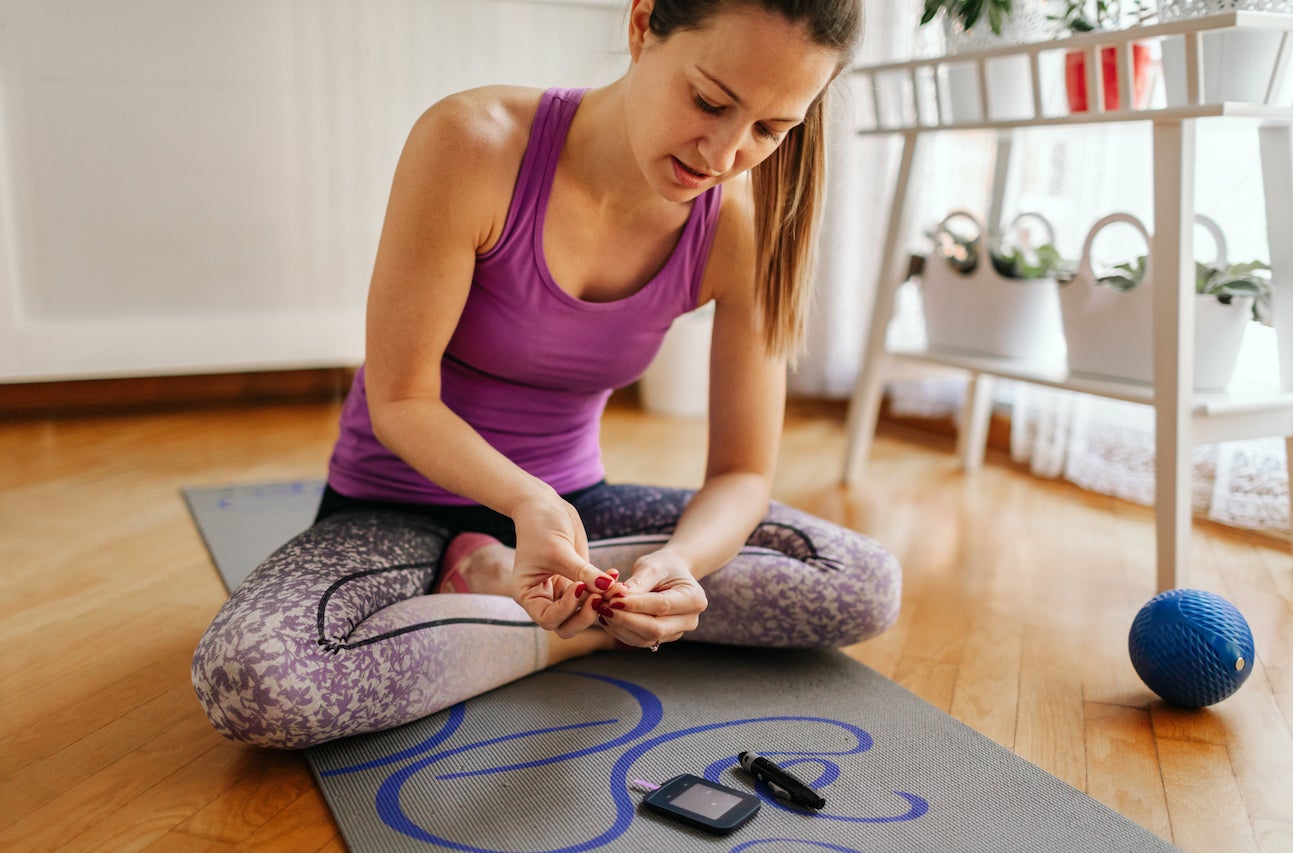
The Benefits of Tai Chi for Diabetics: Better Blood Sugar Control
One of the biggest wins in The Benefits of Tai Chi for Diabetics is improved blood sugar levels. Studies show Tai Chi can lower fasting blood glucose and HbA1c (a key long-term sugar marker). In one review of many studies, Tai Chi reduced fasting blood glucose significantly. It also lowered HbA1c by about 0.7 to 0.8 percent on average.
How does it work? The gentle movements increase glucose uptake by muscles. Better circulation helps insulin work more effectively. Reduced stress lowers cortisol, a hormone that raises blood sugar. Unlike intense exercise that might spike sugar first, Tai Chi is steady and calming. One University of Florida study found that diabetics who practiced Tai Chi twice a week for six months had lower fasting glucose and better overall control.
Many people notice steadier energy and fewer sugar swings after regular practice. This is a key reason The Benefits of Tai Chi for Diabetics are so popular today.
The Benefits of Tai Chi for Diabetics: Heart Health and Blood Pressure
Diabetes often raises blood pressure and cholesterol risks. Tai Chi helps here, too. Research shows it lowers systolic and diastolic blood pressure. It also improves cholesterol levels by reducing total cholesterol and LDL (bad cholesterol).
The slow, rhythmic breathing and movements relax blood vessels. This improves flow and reduces strain on the heart. For diabetics worried about heart disease, The Benefits of Tai Chi for Diabetics include a natural way to protect the cardiovascular system without heavy strain.
The Benefits of Tai Chi for Diabetics: Weight Management and Insulin Sensitivity
Carrying extra weight makes diabetes harder to manage. Tai Chi supports gentle weight loss and better BMI. Studies report a drop in BMI and waist size after consistent practice.
It builds muscle and burns calories slowly but steadily. More importantly, it reduces insulin resistance (measured by HOMA-IR). Cells respond better to insulin, so blood sugar stays in check. This is another powerful part of The Benefits of Tai Chi for Diabetics.
The Benefits of Tai Chi for Diabetics: Improved Balance and Fall Prevention
Diabetics can lose feeling in their feet or have weak muscles, raising fall risk. Tai Chi is famous for better balance. It strengthens legs and core while training the mind to focus. Older adults with diabetes see fewer falls and more confidence when walking.

This benefit helps daily life. You move more safely, stay independent longer, and avoid injuries that could worsen diabetes control.
The Benefits of Tai Chi for Diabetics: Mental Health, Stress Reduction, and Better Sleep
Stress and anxiety are common with diabetes. Tai Chi calms the mind like meditation. It lowers stress hormones and lifts mood. People report less depression, more vitality, and better quality of life.
Recent studies also show Tai Chi improves cognitive function and sleep in older diabetics. One trial found that it slowed cognitive decline better than brisk walking and boosted sleep by nearly an hour.
Better sleep means steadier blood sugar the next day. This mind-body link is a standout in The Benefits of Tai Chi for Diabetics.
The Benefits of Tai Chi for Diabetics: Enhanced Quality of Life and Daily Energy
Beyond numbers, Tai Chi makes life feel better. Participants in studies say they have more energy, less pain, and stronger social connections in group classes. They sleep better and enjoy activities more. For families supporting a diabetic loved one, seeing this positive change is wonderful.
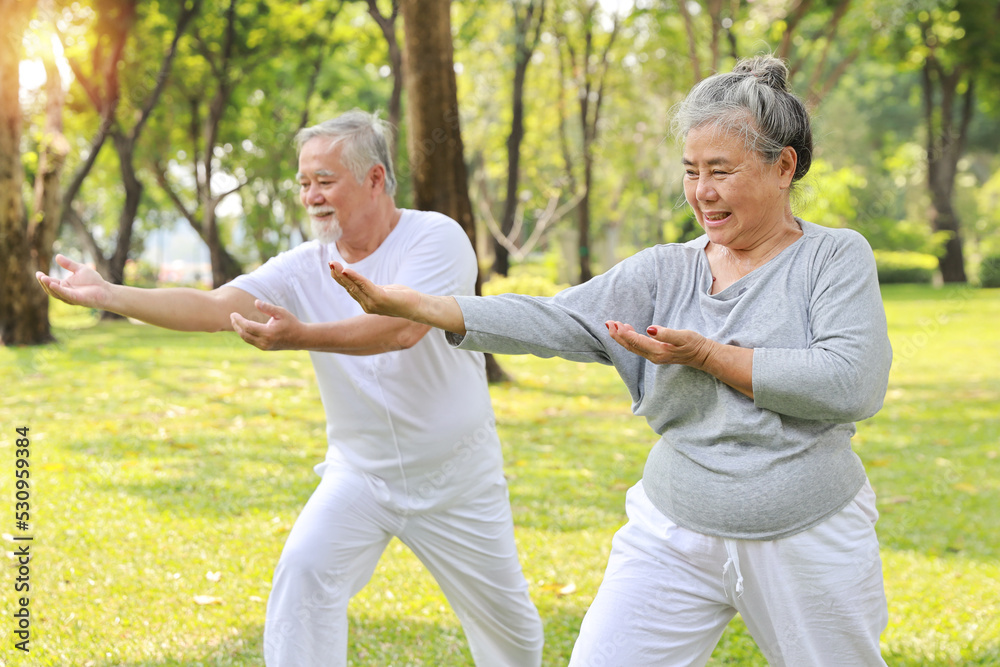
Scientific Evidence Behind The Benefits of Tai Chi for Diabetics
Many meta-analyses confirm these gains. One 2024 review of 21 studies on fasting blood glucose showed strong positive effects. Another analysis of 24 studies found Tai Chi improved HbA1c, fasting insulin, BMI, and quality of life compared to usual care.
Results are often similar to other exercises like walking, but Tai Chi adds mindfulness and is easier on joints. Some studies note best results with 12+ weeks of practice, 5+ sessions per week, and 60 minutes daily.
Note: Results vary. One smaller study showed mixed blood sugar effects, but overall evidence supports benefits when practiced safely.
How to Start Tai Chi Safely as a Diabetic
Ready to try? Here is a simple plan:
- Talk to your doctor first. Get clearance, especially if you have complications.
- Begin with 10-15 minutes, 3 times a week. Build up slowly.
- Learn from a qualified instructor or trusted video (like Dr. Paul Lam’s Tai Chi for Diabetes program,m designed for this condition).
- Wear comfortable clothes and flat shoes.
- Monitor blood sugar before and after. Stay hydrated.
- Practice in a safe space to avoid falls.
Common styles for diabetics include simplified 24-form or Sun style. Focus on breathing and posture.

Sample Beginner Routine (20-30 Minutes)
- Warm-up: Gentle neck rolls, shoulder shrugs, arm circles (5 minutes).
- Basic moves: “Grasp the Sparrow’s Tail,” “Wave Hands Like Clouds,” “Single Whip” (learn one at a time).
- Breathing focus: Inhale calm, exhale tension.
- Cool-down: Slow walking and standing meditation.
Practice daily if possible. Many see changes in 8-12 weeks.
Success Stories: Real People Benefiting
In studies, one group of diabetics lowered HbA1c and reported better mental health after six months. Another older adult group improved sleep and thinking skills. Real-world stories echo this: People reduce medication needs (under doctor guidance), feel more energetic, and enjoy life again. Families notice happier, more active loved ones.
Tips for Long-Term Success with The Benefits of Tai Chi for Diabetics
- Join a local or online class for motivation.
- Combine with healthy eating and medicine as prescribed.
- Track progress in a journal (sugar levels, energy, mood).
- Practice with family or friends for fun and support.
- Modify moves if needed (seated versions exist).

Comparing Tai Chi to Other Exercises
Walking helps, but Tai Chi adds balance and calm. Yoga is similar, but Tai Chi flows more continuously. Both are great, yet Tai Chi’s low intensity suits diabetics perfectly. It matches or beats some exercises in blood sugar and quality-of-life gains without exhaustion.
Common Myths About Tai Chi and Diabetes
Myth: “It’s too slow to help.” Fact: Studies prove it lowers sugar and pressure. Myth: “Only for old people.” Fact: All ages benefit. Myth: “It replaces medicine.” Fact: It supports, not replaces, treatment.
The Benefits of Tai Chi for Diabetics: Why It Fits Busy Lives
You can practice anywhere. No gym needed. It fits mornings or evenings. Families can join, making it a shared healthy habit.
Let’s dive deeper into each benefit with practical examples. For blood sugar, imagine waking with steady levels because yesterday’s session helped muscles use glucose better. For heart health, picture lower pressure readings at your next check-up. For balance, think of walking confidently without fear of tripping.
Detailed Look at Physical Changes
Over months, muscle tone gently. Joints move more easily. Circulation improves, reducing swelling in the feet—a common diabetic issue. Inflammation markers like CRP drop, according to research.
Mental and Emotional Depth
Tai Chi teaches presence. You focus on the now, letting diabetes worries fade during practice. This builds resilience. Sleep improves because the body relaxes fully. Better rest means sharper focus and less fatigue.
Social and Family Aspects
Group classes build friendships. Families practicing together bond over health goals. Grandparents teach kids, creating healthy traditions.
Advanced Practice and Variations
Once basic moves are easy, try longer forms or add light weights (with doctor OK). Online programs offer diabetes-specific lessons.
Potential Challenges and How to Overcome Them
Some feel awkward at first. Practice slowly. Joint pain? Modify. Motivation dips? Set small goals and celebrate wins like “sugar stayed stable today.”
Long-Term Impact: Years of Better Health
Consistent Tai Chi can delay complications. It supports healthy aging for diabetics. Many report feeling 10 years younger in energy and mobility.
Integrating Tai Chi into Your Diabetes Management Plan
Use it alongside diet, meds, and monitoring. Share results with your healthcare team. They may adjust treatment as you improve.
This brings us full circle to The Benefits of Tai Chi for Diabetics. It is accessible, evidence-based, and life-changing.
The Benefits of Tai Chi for Diabetics: A Summary of Key Gains
- Lower blood sugar and HbA1c
- Better blood pressure and cholesterol
- Improved insulin sensitivity
- Stronger balance and fewer falls
- Less stress and better mood
- Enhanced sleep and cognition
- Higher energy and quality of life
- Safe, enjoyable exercise
These are the core of The Benefits of Tai Chi for Diabetics.
Disclaimer
This article is for information only. It is not medical advice. The Benefits of Tai Chi for Diabetics are supported by studies, but individual results vary. Always consult your doctor or diabetes educator before starting Tai Chi or any exercise. Monitor blood sugar closely. Do not stop prescribed treatments without professional guidance. If you feel dizzy, short of breath, or have pain, stop and seek help.
FAQs About The Benefits of Tai Chi for Diabetics
- Is Tai Chi safe for people with diabetes? Yes, it is low-impact and generally safe. Get doctor approval first.
- How often should I practice to see The Benefits of Tai Chi for Diabetics? Aim for 3-6 times per week, 30-60 minutes. Benefits often appear in 8-12 weeks.
- Can Tai Chi replace my diabetes medication? No. It supports management but does not replace medicine or diet.
- What if I am overweight or have joint pain? Tai Chi is gentle. Start seated or modified. It can help with weight over time.
- Does it really lower blood sugar? Yes, studies show reductions in fasting glucose and HbA1c.
- Can beginners learn Tai Chi easily? Absolutely. Many programs are designed for new learners and diabetics.
- Is it better than walking for diabetics? It offers similar physical gains plus mental and balance benefits.
- Can family members join? Yes! It’s a great shared activity.
- Where can I find classes? Local community centers, online videos, or diabetes-specific programs.
- How soon will I feel The Benefits of Tai Chi for Diabetics? Many notice calmer energy and better sleep in weeks; sugar control improves with consistency.
References
- Hamasaki, H. (2024). Effects of Tai Chi in diabetes patients: Insights from recent research. World Journal of Diabetes.
- Sun, Y. et al. (2025). The effect of Tai Chi on glycemic control in type 2 diabetes. Frontiers in Endocrinology.
- Cai, Y. et al. (2022). Effects of Tai Chi on health outcomes in patients with type 2 diabetes. Complementary Therapies in Medicine.
- University of Florida Study (2009). Tai Chi can help people with diabetes lower their glucose levels.
- Additional sources from systematic reviews on PMC and medical journals.