

Exercise and Insulin: Timing Your Workouts
In today’s fast-paced world, managing blood sugar levels and optimizing metabolic health has become a priority for millions. At the heart of this conversation lies a powerful relationship: exercise and insulin. Understanding how physical activity interacts with this key hormone can transform your health, especially when you master timing your workouts.
Exercise and Insulin: Timing Your Workouts isn’t just a catchy phrase—it’s a science-backed strategy that can dramatically improve insulin sensitivity, stabilize blood glucose, and even help reverse insulin resistance. Whether you’re dealing with prediabetes, type 2 diabetes, or simply want to optimize your energy and body composition, the timing of your exercise sessions plays a crucial role in how your body responds to insulin.
This comprehensive guide dives deep into exercise and insulin: timing your workouts, exploring the science, practical tips, success stories, and more. By the end, you’ll have a clear roadmap to harness the power of exercise and insulin through strategic timing your workouts.
:max_bytes(150000):strip_icc()/VWH-GettyImages-1334658317-b1a9ea2a6c644f77bdd43b9a3d3b127c.jpg)
Image: A runner enjoying a morning workout at sunrise—morning exercise has unique benefits, but timing matters more than you think.
Understanding Insulin: The Body’s Master Regulator
Insulin is a hormone produced by the pancreas that acts like a key, unlocking cells to allow glucose (sugar) from the bloodstream to enter for energy or storage. When insulin works efficiently, blood sugar stays balanced. But in cases of insulin resistance, cells become less responsive, leading to higher blood sugar levels and increased risk of type 2 diabetes, obesity, and heart disease.
Exercise and insulin have a dynamic interplay. Physical activity enhances insulin sensitivity, meaning your body needs less insulin to do its job. This effect can last for hours or even days after a workout. But the magic often lies in timing your workouts to align with your body’s natural rhythms and meal patterns.
Research shows that regular exercise can reduce insulin resistance by 20-30% or more, depending on intensity and consistency. However, not all workouts are created equal when it comes to exercise and insulin. Factors like time of day, whether you’re fasted or fed, and proximity to meals can amplify or diminish these benefits.
How Exercise Boosts Insulin Sensitivity: The Mechanisms at Play
When you exercise, your muscles contract and demand energy. This triggers several processes that improve exercise and insulin dynamics:
- Increased GLUT4 Translocation: Exercise moves glucose transporters (GLUT4) to the cell surface, allowing glucose uptake without needing as much insulin.
- AMPK Activation: This enzyme senses energy depletion and promotes fat burning and insulin sensitivity.
- Improved Microvascular Perfusion: Blood flow to muscles increases, delivering more glucose and insulin efficiently.
These effects create both acute (short-term) and chronic (long-term) improvements in insulin sensitivity. A single bout of exercise can enhance sensitivity for up to 72 hours, while consistent training builds lasting adaptations.

Image: Blood glucose and insulin response charts—exercise flattens these curves dramatically.
Studies, including those from the American Diabetes Association, confirm that exercise and insulin sensitivity improve most when workouts are timed strategically. For instance, moderate-intensity exercise increases insulin sensitivity by 35% in some cases, with higher volumes yielding greater results.
The Critical Role of Timing in Exercise and Insulin
Timing your workouts is where exercise and insulin strategies shine. Circadian rhythms influence hormone levels, with insulin sensitivity often lower in the morning and improving later in the day.
Morning Workouts: Fasted Cardio and Its Effects
Morning exercise, especially in a fasted state, has gained popularity for fat loss. During fasted workouts, the body relies more on fat stores for fuel, which can enhance fat oxidation by up to 48%.
However, for exercise and insulin, morning sessions have mixed results. Some studies show fasted morning exercise improves whole-body insulin sensitivity over weeks, particularly in overweight individuals. Yet, a meta-analysis found that fasted exercise can temporarily raise glucose and insulin levels post-workout compared to fed states.
Pros of morning timing your workouts:
- Boosts metabolism for the day.
- Improves adherence for early risers.
Cons:
- Potential for higher stress hormones (cortisol) that can impair insulin action if not managed.

Image: Silhouette of a runner at sunrise—perfect for fasted morning sessions.
Afternoon and Evening Workouts: The Sweet Spot for Many
Emerging research highlights afternoon and evening as optimal for exercise and insulin: timing your workouts. A large study in Diabetologia found that moderate-to-vigorous activity in the afternoon reduced insulin resistance by 18%, and evening activity by 25%, compared to even distribution throughout the day.
Why? Post-meal exercise (postprandial) blunts blood sugar spikes. Exercising 30-90 minutes after eating helps muscles use incoming glucose immediately, reducing the insulin burden.
A Cleveland Clinic review notes that afternoon exercise aligns with peak glucose excursions from lunch or dinner, leading to better 24-hour glycemic control.
Key benefits of afternoon/evening timing:
- Greater reductions in post-meal glucose.
- Enhanced insulin sensitivity during periods of natural lower sensitivity.
- Better sleep quality from evening wind-down activity.
One study in Obesity showed evening exercise lowered day, night, and overall blood glucose more effectively in people with obesity or impaired glucose regulation.
Post-Meal Exercise: The Ultimate Timing Hack
Timing your workouts right after meals is a game-changer for exercise and insulin. Even a 10-15 minute walk after eating can lower blood sugar by 20-30% and reduce insulin needs.
For those managing diabetes, post-dinner walks are particularly effective. Research in Frontiers in Endocrinology shows glucose peaks within 90 minutes of a meal, making this window ideal for activity.

Image: Couple enjoying a post-meal walk—simple yet powerful for blood sugar control.
Fasted vs. Fed: What the Science Says for Insulin
Fasted exercise promotes fat burning but may not always optimize exercise and insulin for everyone. A systematic review found that fasted bouts increased post-exercise glucose and insulin more than fed exercise in some cases.
For insulin-resistant individuals, fed or post-meal timing often yields better results. However, combining fasted morning sessions with post-meal evening activity provides a balanced approach.
Workout Types That Maximize Exercise and Insulin Benefits
Not all exercises impact exercise and insulin in the same way. Here’s how to choose based on timing your workouts:
Aerobic Exercise: Steady-State for Sustained Sensitivity
Brisk walking, cycling, or swimming for 30-60 minutes improves insulin sensitivity dose-dependently. Afternoon aerobic sessions excel at stabilizing blood sugar.
Resistance Training: Build Muscle, Burn Insulin Resistance
Lifting weights increases muscle mass, which acts as a “glucose sink.” Studies show resistance training enhances insulin sensitivity for 24-48 hours. Evening sessions post-dinner are ideal.

Image: Focused weight training—builds muscle that improves insulin action.
HIIT: High-Intensity for Efficient Gains
High-intensity interval training (HIIT) delivers big insulin benefits in less time. A session of 20-30 minutes can match an hour-long moderate exercise.
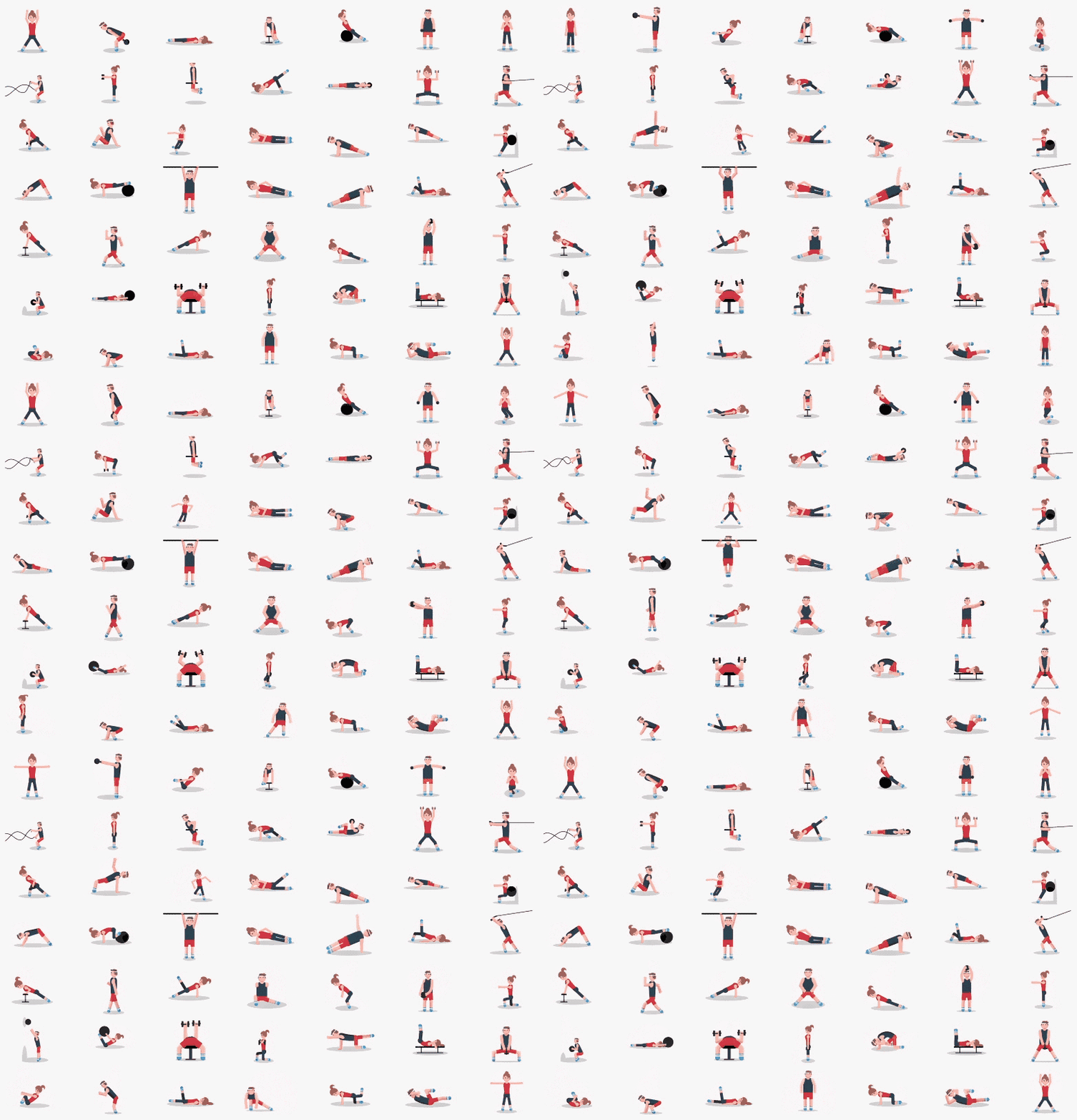
Image: Dynamic HIIT movements—efficient for busy schedules.
Combined Training: The gold standard. Aerobic + resistance in one session or week maximizes exercise and insulin improvements.
Exercise and Insulin for Diabetes Management
For people with type 1 or type 2 diabetes, timing your workouts requires extra care.
- Type 2: Afternoon post-meal exercise is highly recommended to combat resistance.
- Type 1: Monitor blood sugar closely; exercise can increase or decrease levels depending on insulin on board (IOB).
Always check glucose 15-30 minutes before exercise, especially if on insulin.
Practical Guide: How to Time Your Workouts for Optimal Results
Sample Weekly Plan:
- Monday (Morning): 45-min fasted walk or light jog.
- Tuesday (Afternoon): 30-min resistance training post-lunch.
- Wednesday (Evening): HIIT after dinner.
- Thursday: Rest or yoga.
- Friday (Afternoon): Combined aerobic + strength.
- Weekend: Active recovery with family walks.
Meal Timing Tips:
- Eat a balanced meal 1-2 hours before intense workouts.
- Post-workout: Protein + carbs to replenish glycogen without spiking insulin excessively.
Track your blood sugar or use a CGM to personalize the timing of your workouts.

Image: CGM data graphs—visualize how timing affects your levels.
Success Stories: Real People Transforming Through Exercise and Insulin Timing
Sarah’s Story: From Prediabetes to Thriving
Sarah, a 48-year-old teacher from Uttar Pradesh, struggled with insulin resistance and weight gain. Her A1C was 6.2%. She started timing her workouts in the afternoon—30-minute walks after lunch and strength sessions post-dinner. Within 8 weeks, her A1C dropped to 5.4%, she lost 12 kg, and her energy soared. “Understanding exercise and insulin changed everything,” she says.
Raj’s Journey: Mastering Fasted and Fed Timing
Raj, 35, with type 2 diabetes, experimented with timing your workouts. Morning fasted HIIT helped fat loss, but afternoon resistance training post-meal stabilized his sugars best. After 12 weeks, he reduced his medication and ran his first 5K. His doctor was amazed at the insulin sensitivity gains.
Priya’s Transformation
Priya, 52, reversed insulin resistance by combining evening walks with weekend morning yoga. She lost 18 kg in 6 months and reports better sleep and mood. These stories highlight how personalized exercise and insulin: timing your workouts delivers results.
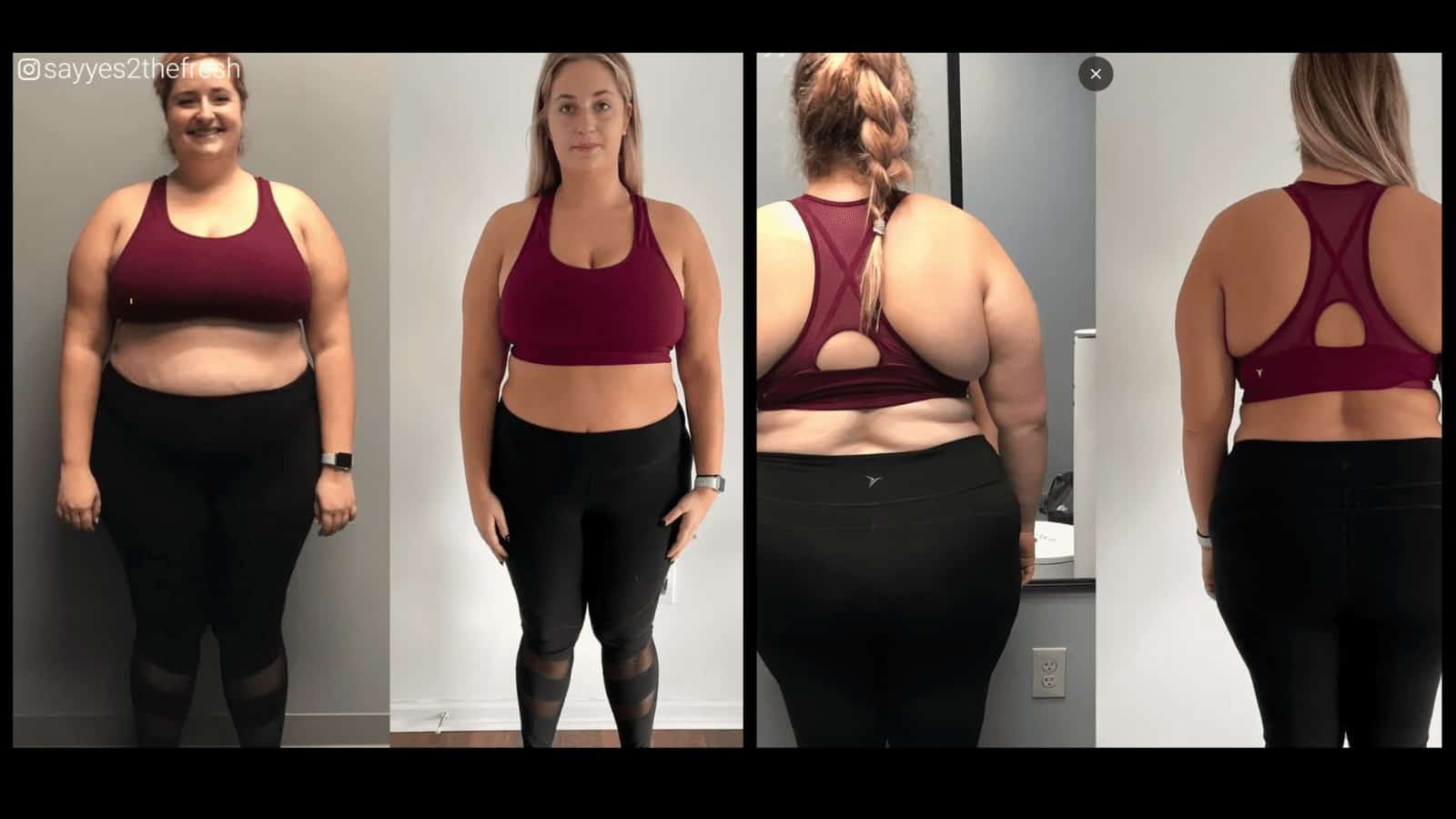
Image: Before-and-after fitness transformation—proof that timing works.
Another Inspiring Case: A 42-year-old woman with PCOS and insulin issues followed a low-insulin lifestyle with timed workouts, losing 20 pounds in 4 months, and regulating her cycles.
Myths About Exercise and Insulin Timing
Myth 1: Morning workouts are always best. Fact: Afternoon/eveningis often superior for glycemic control.
Myth 2: You must exercise fasted for fat loss. Fact: Fed post-meal timing supports better insulin management.
Myth 3: More exercise always means better results. Fact: Quality timing trumps excessive volume.
Risks and Precautions in Exercise and Insulin Strategies
- Hypoglycemia risk if on insulin—adjust doses.
- Overtraining can elevate cortisol, worsening resistance.
- Consult a doctor before starting, especially with conditions.
Disclaimer: This article is for informational purposes only and is not a substitute for professional medical advice. Always consult your healthcare provider before making changes to your exercise, diet, or medication regimen. Individual results vary based on health status, medications, and other factors. The information provided on exercise and insulin: timing your workouts is based on general research and should not be considered personalized advice.
Frequently Asked Questions (FAQs)
1. What is the best time for exercise and insulin sensitivity? Afternoon or evening workouts, especially post-meal, often yield the best improvements in insulin sensitivity.
2. Does fasted exercise improve insulin response? It can enhance fat oxidation, but for many, fed or postprandial timing is superior for blood sugar control.
3. How long after eating should I time my workouts? 30-90 minutes post-meal is ideal to blunt glucose spikes.
4. Can timing your workouts help reverse type 2 diabetes? Yes, combined with diet, strategic timing has helped many improve or reverse insulin resistance.
5. What if I take insulin—how does timing affect it? Reduce doses as needed and monitor closely to avoid lows. Exercise boosts sensitivity, so less insulin may be required.
6. Is HIIT better than steady cardio for exercise and insulin? Both work, but HIIT is more time-efficient for boosting sensitivity.
7. How often should I change my workout timing? Experiment for 4-6 weeks, track results, and adjust based on your body’s response.
8. Does age affect optimal timing for workouts? Older adults may benefit more from afternoon sessions due to circadian shifts.
References
- Update on the effects of physical activity on insulin sensitivity in humans – PMC.
- New study reveals that physical activity in the afternoon or evening is linked to reduced insulin resistance – Diabetologia.
- Understanding Blood Glucose and Exercise | ADA.
- The effect of different times of day for exercise on blood glucose fluctuations – ScienceDirect.
- Blood Sugar Control and Exercising After Meals – Cleveland Clinic.
- The Best Time of Day to Exercise for Healthy Blood Sugar – EatingWell.
- Syncing Exercise with Meals and Circadian Clocks – PMC.
- The acute vs. chronic effect of exercise on insulin sensitivity – Cardiovascular Endocrinology & Metabolism.
- Physical Activity and Insulin Sensitivity: The RISC Study – Diabetes Journal.
- Exercise and Insulin Sensitivity – Cecelia Health.






[…] Diabetes affects millions worldwide, and physical activity is a cornerstone of management. According to health experts, regular exercise can help regulate blood sugar, improve insulin sensitivity, and reduce the risk of complications like heart disease. But outdoor pursuits introduce variables such as varying temperatures, physical exertion, and limited access to medical supplies, making Outdoor Activities | Safe Adventures with Blood Sugar Monitoring essential. In this comprehensive guide, we’ll explore how to integrate blood sugar monitoring seamlessly into your outdoor lifestyle, covering popular activities, essential tips, gear recommendations, and more. By prioritizing safety, you can transform potential challenges into rewarding experiences. […]