
Outdoor Activities | Safe Adventures with Blood Sugar Monitoring
Engaging in Outdoor Activities | Safe Adventures with Blood Sugar Monitoring is an exhilarating way for individuals managing diabetes to stay active, connect with nature, and maintain overall health. Whether you’re hiking through scenic trails, cycling along winding paths, or camping under the stars, these pursuits offer immense physical and mental benefits. However, for those with diabetes, the key to enjoying Outdoor Activities | Safe Adventures with Blood Sugar Monitoring lies in proactive planning and consistent monitoring of blood glucose levels. This ensures that adventures remain safe and enjoyable without unexpected health setbacks.
Diabetes affects millions worldwide, and physical activity is a cornerstone of management. According to health experts, regular exercise can help regulate blood sugar, improve insulin sensitivity, and reduce the risk of complications like heart disease. But outdoor pursuits introduce variables such as varying temperatures, physical exertion, and limited access to medical supplies, making Outdoor Activities | Safe Adventures with Blood Sugar Monitoring essential. In this comprehensive guide, we’ll explore how to integrate blood sugar monitoring seamlessly into your outdoor lifestyle, covering popular activities, essential tips, gear recommendations, and more. By prioritizing safety, you can transform potential challenges into rewarding experiences.
Why Blood Sugar Monitoring Matters in Outdoor Settings
Before diving into specific activities, it’s crucial to understand why Outdoor Activities | Safe Adventures with Blood Sugar Monitoring should be a priority. Physical exertion can cause blood glucose levels to fluctuate unpredictably. For instance, aerobic exercises like walking or swimming often lower blood sugar, while anaerobic bursts might cause temporary spikes. Environmental factors, such as heat or altitude, can exacerbate these changes. Hot weather, for example, may lead to dehydration, which concentrates blood sugar and raises levels.
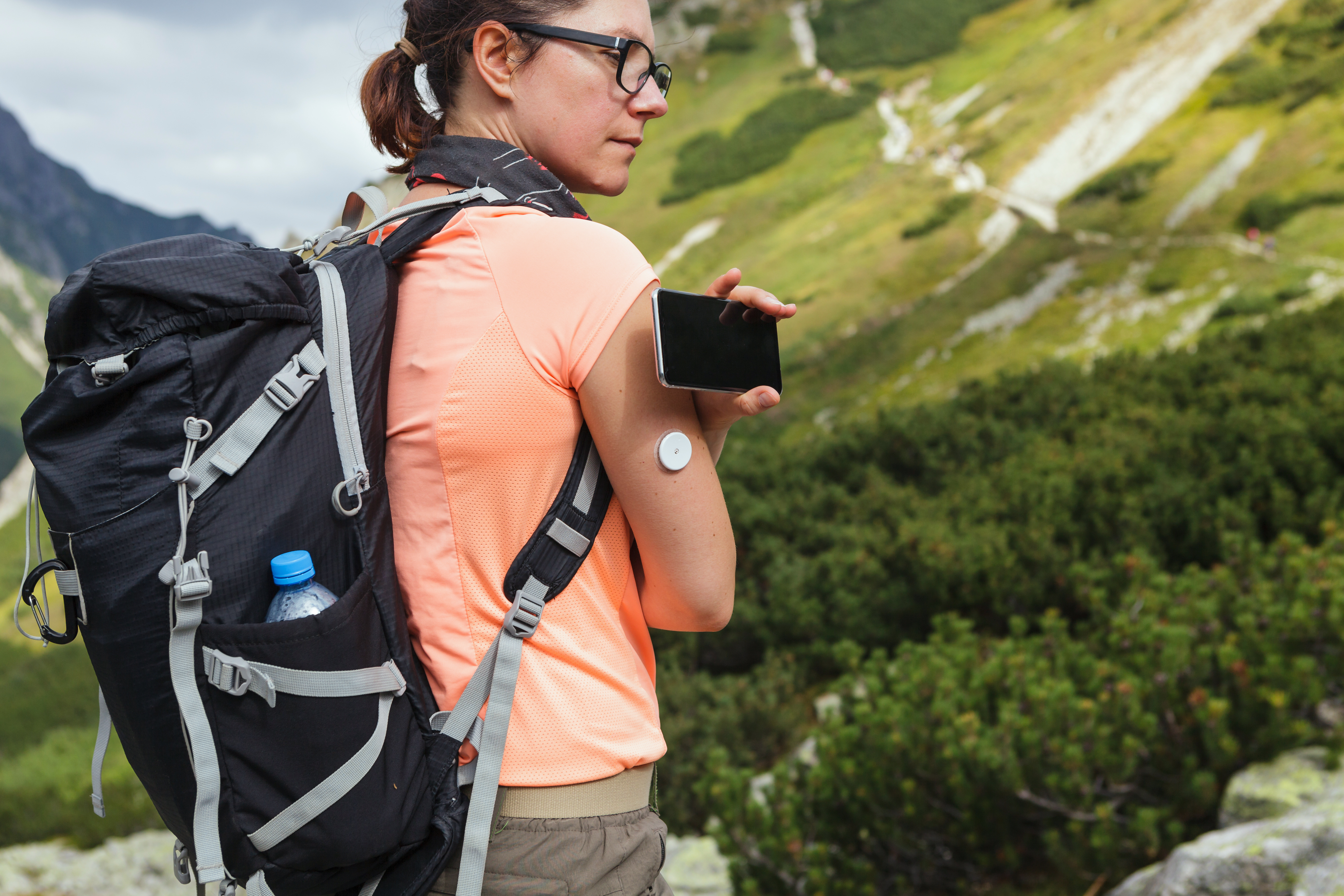
Experts recommend checking blood sugar before, during, and after activities. A safe starting range is typically 126–180 mg/dL, with adjustments based on individual needs. Continuous Glucose Monitors (CGMs) are game-changers for Outdoor Activities | Safe Adventures with Blood Sugar Monitoring, providing real-time data without frequent finger pricks. These devices, worn on the arm or abdomen, alert users to highs or lows, allowing quick interventions like snacking on fast-acting carbs or adjusting insulin.
Hydration plays a pivotal role, too. Dehydration can mimic or worsen hyperglycemia symptoms, so aim for plenty of water—especially in summer. Pair this with balanced nutrition to stabilize levels. For those new to Outdoor Activities | Safe Adventures with Blood Sugar Monitoring, consulting a healthcare provider is vital to tailor a plan that fits your diabetes type, medication, and fitness level.
Popular Outdoor Activities and How to Approach Them Safely
Let’s break down some beloved outdoor pursuits, focusing on integrating Outdoor Activities | Safe Adventures with Blood Sugar Monitoring strategies. Each activity offers unique joys and challenges, but with preparation, they can all be diabetes-friendly.
Hiking: Trails of Wellness and Vigilance
Hiking is a fantastic entry point into Outdoor Activities | Safe Adventures with Blood Sugar Monitoring. It combines cardio with nature immersion, helping maintain healthy blood sugar levels while boosting mood. Trails vary in intensity, from gentle forest walks to strenuous mountain ascents, making it accessible for all fitness levels.
To stay safe, start with a pre-hike blood sugar check. Aim for levels not below 90 mg/dL or above 250 mg/dL to avoid hypoglycemia or hyperglycemia. Pack essentials like a CGM, glucose meter, fast-acting carbs (e.g., glucose tabs or fruit), and extra insulin if needed. During the hike, monitor every 30–60 minutes, especially on uphill sections where exertion might drop levels. If using an insulin pump, consider temporary basal rate reductions of 50–100% to prevent lows.
Choose trails with cell service for emergencies, and inform companions about your condition. In cooler fall weather, hiking is ideal as it minimizes heat-related spikes. Remember, altitude can affect insulin absorption, so test more frequently at higher elevations. With these tips, hiking becomes a pillar of Outdoor Activities | Safe Adventures with Blood Sugar Monitoring.
Cycling: Wheeling Through Nature Safely
Cycling embodies the spirit of Outdoor Activities | Safe Adventures with Blood Sugar Monitoring, offering low-impact cardio that strengthens the heart and legs. Whether on scenic bike paths or mountain trails, it helps regulate blood sugar by enhancing insulin sensitivity.
Preparation is key: Check blood sugar before pedaling, and carry a handlebar bag with monitoring supplies. Hydrate frequently, as cycling can lead to sweat-induced dehydration, raising glucose. Snack on nuts or energy bars every hour to maintain steady levels. For longer rides, use a CGM app on your phone for hands-free alerts.
Avoid extreme heat by riding early mornings or evenings. If levels drop, stop and treat with 15g of carbs, rechecking after 15 minutes—the “15/15 rule.” Cycling groups for diabetics can provide community support, turning solo rides into social Outdoor Activities | Safe Adventures with Blood Sugar Monitoring.

Camping: Overnight Escapes with Monitoring in Mind
Camping takes Outdoor Activities | Safe Adventures with Blood Sugar Monitoring to the next level, immersing you inthe wilderness for extended periods. It promotes relaxation and light activity like setting up tents or gathering wood, which can stabilize blood sugar.
Plan for remoteness: Pack double supplies, including backup batteries for CGMs and pumps. Keep insulin cool with insulated bags or coolers—avoid direct sunlight or freezing temps. Monitor before meals, bedtime, and upon waking, as overnight lows are common. Carry ketone strips for high sugar detection.
Enjoy campfire snacks mindfully; opt for balanced meals like grilled veggies and lean proteins. For multi-day trips, scout sites near medical access. Camping fosters mindfulness, aiding diabetes management through stress reduction—a core aspect of Outdoor Activities | Safe Adventures with Blood Sugar Monitoring.

Swimming: Aquatic Adventures Safely Managed
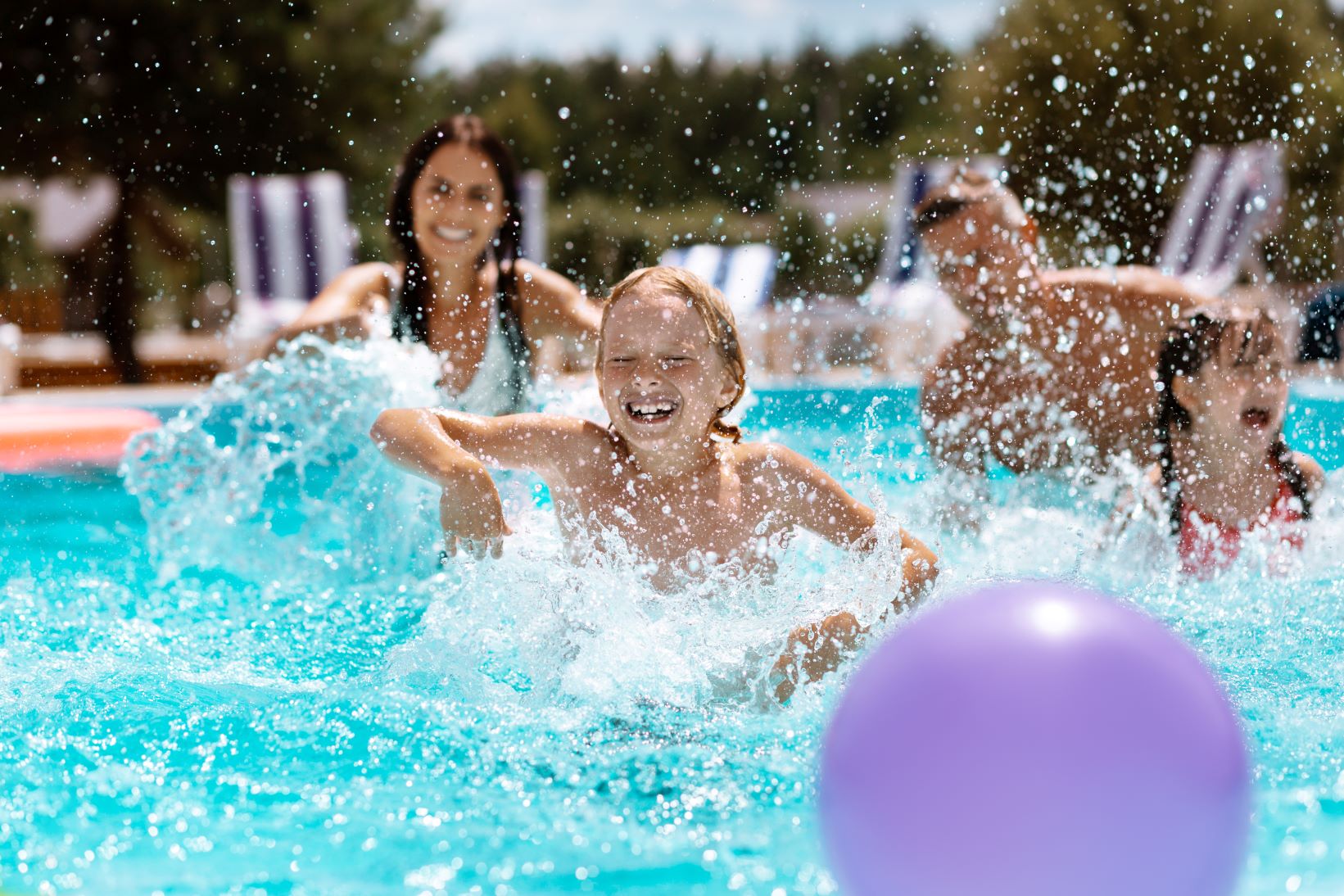
Swimming is a refreshing choice for Outdoor Activities | Safe Adventures with Blood Sugar Monitoring, providing full-body exercise with minimal joint stress. It’s ideal for hot days, helping cool the body and prevent heat-induced sugar spikes.
Waterproof your gear: Use protective cases for pumps or CGMs, or remove them temporarily if non-waterproof. Check levels pre-swim, as water activity often lowers glucose. Have poolside snacks ready. For ocean or lake swims, watch for currents and stay hydrated.
Family swims can make it fun—teach kids about your monitoring routine. Swimming enhances cardiovascular health, making it a staple in Outdoor Activities | Safe Adventures with Blood Sugar Monitoring.
Kayaking: Paddling with Precision
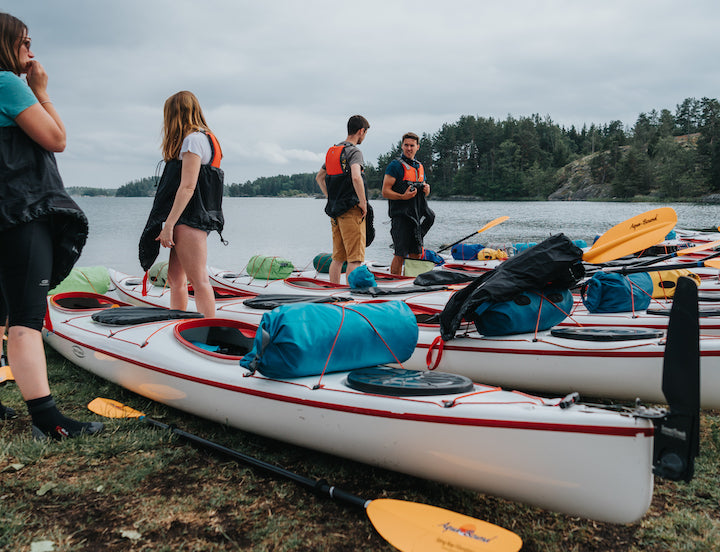
Kayaking combines adventure and exercise in Outdoor Activities | Safe Adventures with Blood Sugar Monitoring. Gliding on rivers or lakes builds upper-body strength and burns calories efficiently.
Secure monitoring devices with waterproof pouches. Monitor before launching and during breaks. Pack floating bags for supplies. Hydration is crucial for water, as the sun’s reflection intensifies heat.
Group kayaking adds safety; share your diabetes plan. This activity promotes mental clarity, aiding overall management in Outdoor Activities | Safe Adventures with Blood Sugar Monitoring.
Running and Jogging: High-Energy Outdoor Pursuits
Running energizes Outdoor Activities | Safe Adventures with Blood Sugar Monitoring, improving endurance and blood sugar control. Park jogs or trail runs offer variety.
Start slow, checking sugar often. Use armbands for CGMs. Post-run, watch for delayed lows—have fruit handy. Morning runs avoid peak heat.
Yoga and Pilates Outdoors: Mindful Movement
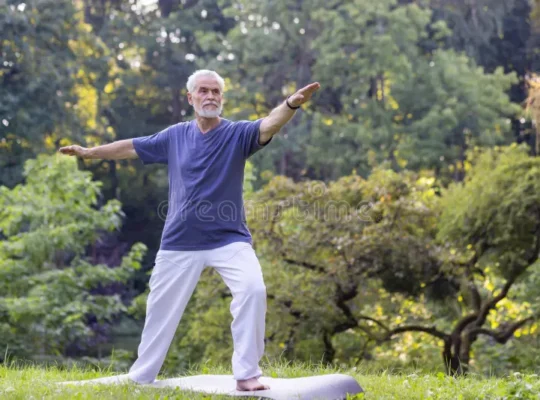
Outdoor yoga in parks enhances flexibility and stress relief, key for Outdoor Activities | Safe Adventures with Blood Sugar Monitoring. Gentle poses stabilize sugar without intense exertion.
Monitor during sessions; hydrate well.
Gardening and Yard Work: Everyday Adventures
These low-key Outdoor Activities | Safe Adventures with Blood Sugar Monitoring burn calories steadily. Check levels periodically.
Essential Gear for Outdoor Activities | Safe Adventures with Blood Sugar Monitoring
Equipping yourself properly is vital. Must-haves include:
- CGM Devices: Real-time tracking.
- Glucose Meters and Strips: Backups.
- Insulin Pumps and Supplies: For precise dosing.
- Fast-Acting Carbs: Glucose gels, tabs.
- Hydration Tools: Water bottles, electrolytes.
- Protective Cases: Waterproof, insulated.
- Medical ID: Bracelet or app.
- Backup Batteries: For all devices.
- Ketone Test Kits: For highs.
- Snacks: Nuts, bars.
Invest in quality for reliable Outdoor Activities | Safe Adventures with Blood Sugar Monitoring.
Nutrition and Hydration: Fueling Your Adventures
Balanced eating supports Outdoor Activities | Safe Adventures with Blood Sugar Monitoring. Focus on complex carbs, proteins, and fats. Pre-activity: Oatmeal with nuts. During: Fruit, yogurt. Post: Protein shake.
Hydrate with 8–10 glasses daily, more in heat. Avoid sugary drinks.
Emergency Preparedness: Staying Safe on the Trail
For Outdoor Activities | Safe Adventures with Blood Sugar Monitoring, know hypoglycemia signs (shakiness, confusion) and treat promptly. Hyperglycemia: Fatigue, thirst—correct with insulin.
Carry a first-aid kit, share location, and have emergency contacts. Apps like Glucose Buddy track and alert.
Success Stories: Real-Life Inspirations
Many thrive with Outdoor Activities | Safe Adventures with Blood Sugar Monitoring. Alex Day discovered hiking’s joy post-diagnosis, managing levels to explore outdoors.
Justine backpacked New Zealand’s wilderness, packing extras and using temp basals for stable sugars.
Nalini hiked the Appalachian Trail with type 2, using CGMs and snacks for success.
Katrina conquered the Pacific Crest Trail with another diabetic, proving that teamwork works.
A traveler backpacked globally for years, adapting routines.
Sydney healed through hiking, losing weight, and managing type 2.
A climber reached Everest Base Camp with clinic support.
Gloria controlled sugar via activity.
Mountaineers like Pete show diabetes doesn’t limit peaks.
Colton excels in sports post-diagnosis.
These stories highlight resilience in Outdoor Activities | Safe Adventures with Blood Sugar Monitoring.
Disclaimer
This article on Outdoor Activities | Safe Adventures with Blood Sugar Monitoring is for informational purposes only and not medical advice. Consult your healthcare provider before starting activities or changing management plans. Individual responses vary; professional guidance ensures safety.
FAQs
What is the best time for outdoor activities with diabetes?
Early mornings or evenings to avoid heat.
How often should I check my blood sugar during hikes?
Every 30–60 minutes, or as needed.
Can I swim with a CGM?
Yes, with waterproof protection.
What snacks are best for lows?
Glucose tabs, juice, or fruit.
How does altitude affect blood sugar?
It may alter insulin needs; monitor closely.
Is camping safe for diabetics?
Yes, with extra supplies and planning.
What if I forget my meter?
Use backups or end activity safely.
Can exercise cause highs?
Sometimes, due to stress hormones.
How to keep insulin cool outdoors?
Insulated coolers.
Are group activities better?
Yes, for support.
References
- Diabetes Research Connection: Staying Active in the Fall.
- Beyond Type 1: Hiking Hacks.
- Sugar Medical: Diabetes Friendly Summer Activities.
- diaTribe: Off-the-Grid with Diabetes.
- Breakthrough T1D: Type 1 Diabetes Summer Guide.
- CAES Field Report: Getting Active with Diabetes.
- Atrium Health: Summer Precautions.
- CDC: Get Active.
- Operation Food Search: Safe Summer Fun.
- Bayhealth: Chill Out.
- Smiles Med Supply: Prevent Hypoglycemia.
- ADA: Overcome Roadblocks.
- Allison Medical: Blood Sugar Monitoring Tips.
- Cornell: Summer Activities.
- iHealth: Managing Prediabetes.
- Community Care Physicians: Managing Diabetes in Summer.
- Type 1 Support: Breezy Summer Tips.
- Mayo Clinic: Diabetes and Exercise.
- Diabetes Canada: Exercise & Activity.
- Healthline: Staying Active Outdoors.
- diaTribe: Hiking and Backpacking.
- Beyond Type 1: Hiking the Appalachian Trail.
- Slower Hiking: Long-Distance Hiking with T1D.
- DYS4Kids: Travel with Diabetes.
- Bezzy T2D: Hiking Helped Me Heal.
- BMJ: Managing Diabetes at High Altitude.
- Institute of Living: Gloria’s Story.
- Much Better Adventures: Manage Diabetes on Adventure.
- Norton Children’s: Colton’s Journey.
Embrace Outdoor Activities | Safe Adventures with Blood Sugar Monitoring today for a healthier, more vibrant life.



[…] never thought a simple backpack and a pair of old sneakers would rewrite my story with juvenile diabetes. At 16, I was Rohan, a kid from a quiet town in Uttar Pradesh, India, who had lived with Type 1 […]