
Neuropathy in Kids with Juvenile Diabetes
Early Warning Signs
As a parent or caregiver, discovering that your child has juvenile diabetes, also known as type 1 diabetes, can feel overwhelming. But what many families don’t realize is that one of the most insidious complications that can arise is neuropathy in kids with juvenile diabetes. This condition, characterized by nerve damage due to prolonged high blood sugar levels, can sneak up quietly, affecting everything from your child’s ability to feel their toes to their overall quality of life. Early detection is crucial because neuropathy in kids with juvenile diabetes often starts with subtle signs that, if caught promptly, can be managed effectively to prevent long-term damage.
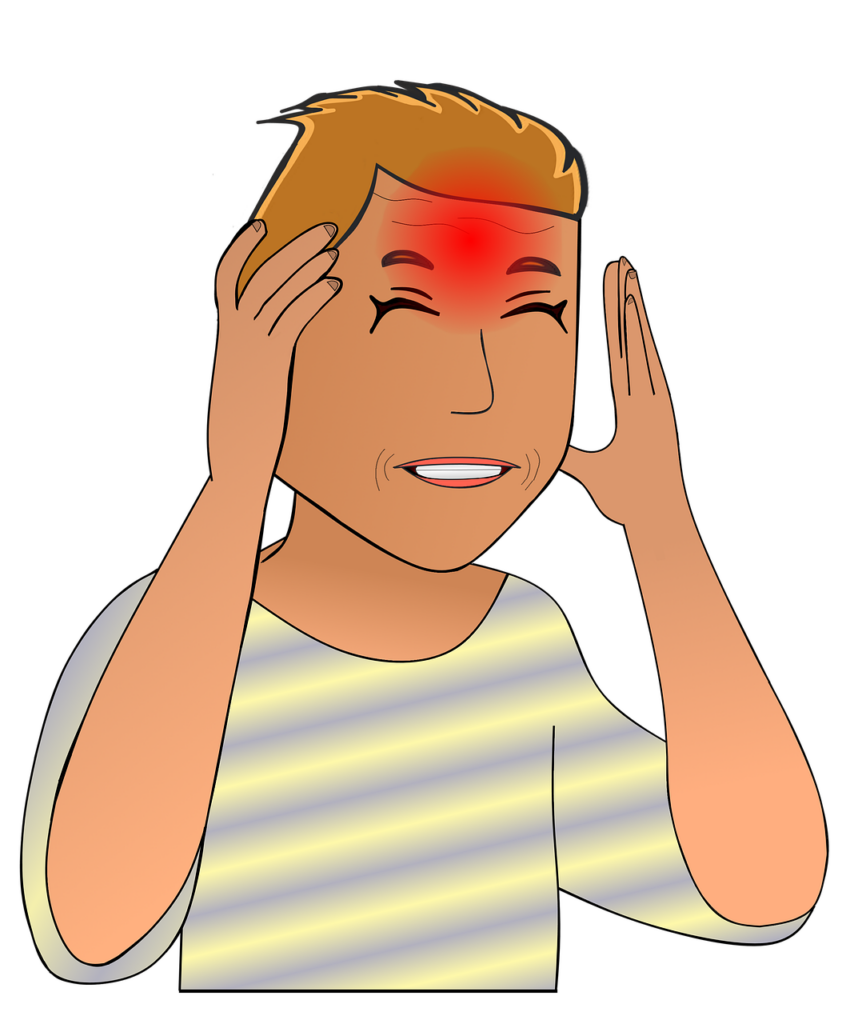
In this comprehensive guide, we’ll dive deep into neuropathy in kids with juvenile diabetes, exploring its causes, the early warning signs you shouldn’t ignore, diagnosis, treatment options, and prevention strategies. Whether your child was recently diagnosed or has been living with juvenile diabetes for years, understanding neuropathy in kids with juvenile diabetes empowers you to advocate for their health. According to experts, up to 60% of children with long-standing type 1 diabetes may show signs of subclinical neuropathy, making awareness vital. Let’s break it down step by step, so you can spot those early red flags and take action.
Understanding Juvenile Diabetes and Its Link to Neuropathy
Juvenile diabetes typically strikes children and adolescents, where the body’s immune system mistakenly attacks insulin-producing cells in the pancreas. This leads to an inability to regulate blood sugar, requiring lifelong insulin therapy. While managing blood sugar is the cornerstone of care, uncontrolled levels over time can damage nerves—a condition known as diabetic neuropathy.
Neuropathy in kids with juvenile diabetes primarily affects the peripheral nerves, which carry signals from the brain and spinal cord to the rest of the body. There are three main types: peripheral (affecting hands and feet), autonomic (impacting organs like the heart and digestive system), and proximal (rarer, affecting hips and thighs). The most common form is distal symmetric polyneuropathy (DSP), which starts in the toes and fingers and works its way up in a “stocking-glove” pattern.
Why does this happen in kids? High blood sugar (hyperglycemia) causes oxidative stress and inflammation, damaging the tiny blood vessels that nourish nerves. In children, the condition can develop surprisingly early—sometimes within just a few years of diagnosis. Emerging research highlights that factors beyond blood sugar, like obesity and dyslipidemia (abnormal cholesterol levels), are accelerating neuropathy in kids with juvenile diabetes, especially as childhood obesity rates climb.
Prevalence data is eye-opening: In one study of youth with type 1 diabetes, 36% showed abnormal neurological exams, while nerve conduction tests revealed issues in 57%. For families navigating juvenile diabetes care, recognizing that neuropathy in kids with juvenile diabetes isn’t just an “adult problem” is the first step toward proactive management. It’s not about fear-mongering but equipping you with knowledge to keep your child active, pain-free, and thriving.
The Hidden Dangers: How Neuropathy Develops in Young Patients
Nerve damage doesn’t happen overnight. In neuropathy in kids with juvenile diabetes, the process begins with small fiber involvement, where nerves responsible for pain and temperature sensation are first affected. Over time, if blood sugar isn’t tightly controlled, larger fibers join in, leading to loss of vibration sense and proprioception (the body’s position awareness).
Children are uniquely vulnerable because their growing bodies are more sensitive to metabolic changes. Puberty, a time of hormonal flux, can exacerbate risks, with post-pubertal kids showing higher rates of abnormal vibration perception thresholds. Additionally, the “metabolic memory” effect—where early poor control leaves lasting damage—means that habits formed in childhood echo into adulthood.
Autonomic neuropathy, another facet of neuropathy in kids with juvenile diabetes, can disrupt heart rate variability or digestion without obvious symptoms at first. Imagine your child struggling with unexplained constipation or erratic blood sugar swings due to delayed gastric emptying—these are silent saboteurs of daily life.
The good news? Unlike in adults, neuropathy in kids with juvenile diabetes is often reversible if addressed early. Intensive insulin therapy, as proven in landmark studies like the Diabetes Control and Complications Trial (DCCT), can halt progression and even restore nerve function in young patients. By understanding this progression, parents can shift from reactive to preventive care, ensuring neuropathy in kids with juvenile diabetes doesn’t steal their child’s childhood.
Early Warning Signs of Neuropathy in Kids with Juvenile Diabetes: What to Watch For
Spotting neuropathy in kids with juvenile diabetes early can be life-changing, yet symptoms are often dismissed as “growing pains” or fatigue from diabetes management. Here’s a detailed look at the red flags, drawn from clinical guidelines and pediatric studies.
Subtle Sensory Changes: The First Whispers
The earliest signs of neuropathy in kids with juvenile diabetes target small nerve fibers, manifesting as:
- Tingling or “Pins and Needles” Sensations: Your child might complain of a prickly feeling in their toes or fingers, like tiny electric shocks. This paresthesia worsens at night and can disrupt sleep. In one cohort of adolescents, 51% showed abnormal vibration perception, correlating with these tingles.
- Numbness or Reduced Sensation: A child might not notice a cut on their foot or struggle to feel the texture of their socks. This loss of touch sensitivity is a hallmark of early peripheral neuropathy and raises injury risk.
- Burning or Sharp Pain: Unlike typical aches, this is a deep, stabbing discomfort that feels like walking on hot coals. Kids may limp or avoid barefoot play, signaling small fiber damage.
These sensory shifts can be intermittent, making them easy to overlook in the chaos of school and activities.
Motor and Balance Issues: When Nerves Affect Movement
As neuropathy in kids with juvenile diabetes advances to larger fibers, motor symptoms emerge:
- Muscle Weakness or Cramping: Difficulty rising from a squat or frequent foot cramps, especially after play. Toe extensor weakness is common, leading to a “steppage gait” where kids slap their feet while walking.
- Balance Problems: Frequent tripping or unsteadiness, even on flat surfaces. Proprioception loss makes coordination tricky, turning recess into a hazard.
In pediatric screening, bedside tests like the monofilament exam detect these in up to 11% of youth with type 1 diabetes.
Autonomic Signals: Internal Alarms
Autonomic involvement in neuropathy in kids with juvenile diabetes is sneakier:
- Digestive Upsets: Bloating, constipation, or diarrhea alternating unpredictably. Gastroparesis delays stomach emptying, causing nausea post-meals and brittle blood sugars.
- Heart Rate Irregularities: Dizziness upon standing (orthostatic hypotension) or poor exercise tolerance. Subclinical cardiac autonomic neuropathy affects 12-17% of teens with diabetes.
- Sweating or Skin Changes: Excessive sweating at night or dry, cracked skin on extremities, increasing infection risk.
Age-Specific Clues
For toddlers with neuropathy in kids with juvenile diabetes, watch for delayed milestones like unsteady crawling. School-age kids might report “itchy feet” or avoid sports. Teens could mask pain as stress, delaying help.
If your child exhibits two or more of these, schedule a neuropathy screening ASAP. Early intervention can prevent progression, preserving nerve health and mobility.
Risk Factors Accelerating Neuropathy in Kids with Juvenile Diabetes
Not all children with juvenile diabetes develop neuropathy, but certain factors stack the odds. Beyond hyperglycemia—the primary culprit—emerging risks include:
- Poor Glycemic Control: HbA1c above 7.5% doubles the odds, per EURODIAB data. Glycemic variability (wild swings) is equally damaging.
- Obesity and Metabolic Syndrome: Extra weight burdens nerves; SEARCH studies link high BMI and triglycerides to 22% higher neuropathy rates in youth.
- Duration and Puberty: Risks climb after 5 years; puberty amplifies due to insulin resistance.
- Genetics and Lifestyle: Family history of neuropathy or smoking (even secondhand) tips the scale. Ethnic differences show higher autonomic issues in some groups.
Addressing these modifiable risks through diet, exercise, and monitoring can slash neuropathy in kids with juvenile diabetes by up to 50%, echoing DCCT findings.
Diagnosing Neuropathy in Kids with Juvenile Diabetes: Tools and Tests
Diagnosis starts with a thorough history and exam. For neuropathy in kids with juvenile diabetes, pediatricians use:
- Michigan Neuropathy Screening Instrument (MNSI): A quick questionnaire and foot check, spotting 80% of cases non-invasively.
- Quantitative Sensory Testing: Vibration perception with a tuning fork or biothesiometer; thermal tests for small fibers.
- Nerve Conduction Studies: Gold standard for large fibers, though uncomfortable for kids.
- Autonomic Tests: Heart rate variability during deep breathing.
Annual screening from age 10 or 5 years post-diagnosis is recommended by the American Diabetes Association. Early diagnosis via these tools ensures timely management.
Treatment and Management: Turning the Tide on Neuropathy
Treating neuropathy in kids with juvenile diabetes focuses on halting progression and alleviating symptoms. Core strategies include:
- Tight Glycemic Control: Target HbA1c under 7% with insulin pumps or CGMs. DCCT showed a 60% risk reduction.
- Pain Relief: For symptomatic cases, gabapentin or pregabalin (off-label in kids) eases burning pain. Topical capsaicin or acetaminophen for mild relief.
- Lifestyle Interventions: Weight management via balanced diets and 60 minutes of daily exercise improves nerve conduction. Alpha-lipoic acid supplements show promise in trials.
- Autonomic Care: Prokinetics for gastroparesis; beta-blockers for heart issues.
Multidisciplinary teams—endocrinologists, neurologists, physical therapists—tailor plans. With adherence, many kids see symptom reversal within months.
Prevention: Safeguarding Against Neuropathy in Kids with Juvenile Diabetes
Prevention is proactive: Educate on carb counting, encourage veggies over sodas, and foster active play. Regular foot checks prevent ulcers, and apps track A1c trends. Family support combats eating disorders, a hidden risk.
By weaving these habits into daily life, neuropathy in kids with juvenile diabetes becomes a footnote, not a headline.
Real-Life Success Stories: Hope in Action
Hearing from families who’ve navigated neuropathy in kids with juvenile diabetes inspires resilience. Take Kaija, a teen diagnosed at 11, who faced early tingling in her feet. Through CGM tech and a plant-based diet, her symptoms vanished, earning her “star student” status in diabetes management while excelling in school and dance.
Ricky’s story from the Children’s Hospital of Philadelphia is equally uplifting. Diagnosed at 7, subtle numbness threatened his lacrosse dreams. Intensive therapy and neuropathy screening caught it early; today, he’s a Division 1 recruit, pain-free and thriving.
Then there’s Zach at Texas Children’s Hospital. Post-diagnosis neuropathy caused cramps, but personalized education and exercise reversed it. Now, he volunteers, turning challenges into advocacy.
These tales show that with vigilance, neuropathy in kids with juvenile diabetes doesn’t define a child’s future—it fuels their strength.
Conclusion: Empowering Families Against Neuropathy
Neuropathy in kids with juvenile diabetes demands attention, but knowledge is your superpower. By tuning into early warning signs like tingling or numbness, prioritizing control, and partnering with healthcare pros, you can protect your child’s nerves and joy. Remember, juvenile diabetes care is a marathon—pace it with hope.
For more resources, explore our blog on diabetes tech innovations or CGM guides.
Disclaimer
This article is for informational purposes only and is not a substitute for professional medical advice, diagnosis, or treatment. Always seek the advice of your pediatrician, endocrinologist, or qualified healthcare provider with any questions regarding your child’s condition. The stories shared are real, but individual results vary; consult experts for personalized plans.
References
- Jaiswal M, et al. (2024). Diabetic neuropathy in children and youth: new and emerging risk factors. PMC, PMC11533219.
- Pop-Busui R, et al. (2017). Diabetic Neuropathy: A Position Statement by the American Diabetes Association. Diabetes Care, 40(1):136-154.
- Nguyen T, et al. (2024). Presence of neuropathy in children and adolescents with type 1 diabetes. Journal of Pediatric Nursing. DOI:10.1016/j.pedn.2024.1995.
- Boulton AJM, et al. (2013). The evaluation of peripheral neuropathy in youth with type 1 diabetes. Diabetes Research and Clinical Practice. DOI:10.1016/j.diabres.2013.01.016.
- Papanas N, et al. (2021). Peripheral and Autonomic Neuropathy Status of Young Patients with Type 1 Diabetes. Frontiers in Endocrinology, 12:719953.
- Acerini CL, et al. (2014). Screening for Peripheral Neuropathies in Children With Diabetes. Pediatrics, 133(5):e1324-e1331.
- Loma Linda University Health. (2017). 7 Warning Signs of Diabetic Nerve Pain. Retrieved from lluh.org.