Monitoring Blood Sugar in Kids
Essential Tools and Techniques for Effective Diabetes Care
Managing diabetes in children can feel overwhelming, but one of the most empowering aspects of this journey is monitoring blood sugar levels consistently and accurately. For parents, caregivers, and even young kids themselves, monitoring blood sugar isn’t just a routine—it’s a lifeline that helps prevent complications, adjust insulin doses, and ensure kids can thrive at school, play, and beyond. In this comprehensive guide, we’ll dive deep into the world of monitoring blood sugar for kids, exploring the best tools available today and practical techniques to make the process smoother. Whether your child was recently diagnosed or you’ve been navigating type 1 or type 2 diabetes for years, understanding monitoring blood sugar is key to fostering confidence and control.
As a blog dedicated to diabetes care, we believe knowledge is power. With advancements in technology, monitoring blood sugar has evolved from painful finger pricks to seamless, real-time insights. By the end of this article, you’ll have actionable strategies, inspiring success stories, and answers to common questions. Let’s empower your family to master monitoring blood sugar and turn it into a positive part of daily life.
Why Monitoring Blood Sugar is Crucial for Kids with Diabetes
Diabetes doesn’t discriminate by age, but it hits children with unique challenges. Blood sugar levels in kids fluctuate more wildly due to growth spurts, active playdates, and unpredictable eating habits. That’s why monitoring blood sugar regularly is non-negotiable—it’s the cornerstone of effective diabetes management.
High blood sugar (hyperglycemia) can lead to fatigue, frequent urination, and long-term risks like nerve damage, while low blood sugar (hypoglycemia) might cause dizziness or seizures. For kids, these swings can interrupt learning or sports, but proactive monitoring of blood sugar allows for quick corrections. According to experts, consistent checks help maintain A1C levels below 7.5% for most children, reducing the risk of complications by up to 76%.
Beyond health metrics, monitoring blood sugar builds emotional resilience. Kids who understand their numbers feel more in control, reducing anxiety around mealtimes or sleepovers. Parents report that teaching monitoring blood sugar early fosters independence—imagine your 10-year-old confidently checking before soccer practice. In essence, monitoring blood sugar isn’t just about numbers; it’s about nurturing a healthy, active childhood.
Understanding Blood Sugar Levels in Children
Before jumping into tools, let’s decode what “normal” looks like for kids. Target ranges vary by age, activity, and diabetes type, but general guidelines from the American Diabetes Association (ADA) include:
- Fasting or before meals: 70-130 mg/dL
- 1-2 hours after meals: Less than 180 mg/dL
- Bedtime: 90-150 mg/dL
- Overnight: 70-140 mg/dL
For toddlers under 6, ranges might skew tighter to avoid severe lows during play. Monitoring blood sugar helps track patterns—spikes after sugary snacks or dips during growth spurts. Factors like illness, stress, or hormones (hello, puberty!) can influence readings, so logging trends via apps is invaluable.
Age-appropriate education is vital. For preschoolers, use colorful charts; for teens, discuss how monitoring blood sugar ties into long-term goals like college dreams. Remember, every child’s baseline is unique—consult your endocrinologist to personalize targets.
Top Tools for Monitoring Blood Sugar in Kids
The landscape of monitoring blood sugar tools has exploded with innovation, making it easier for families to stay on top of levels without constant disruption. From classic glucometers to cutting-edge wearables, here’s a breakdown of the best options tailored for children.
1. Traditional Fingerstick Glucometers: Reliable and Kid-Friendly Basics
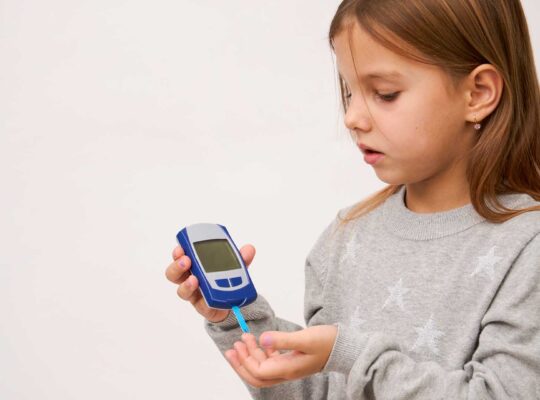
At the heart of monitoring blood sugar for decades, fingerstick glucometers remain a staple for their affordability and portability. Devices like the OneTouch Verio Reflect or Contour Next One use a small lancet to prick the finger, drawing a drop of blood onto a test strip. Results appear in seconds.
Why they’re great for kids: Many models feature cartoon-themed designs or audible alerts to make monitoring blood sugar less intimidating. The Accu-Chek Guide, for instance, requires a tiny sample (0.3 microliters), minimizing ouch moments. Pair it with colorful strips, and your little one might even see it as a game.
Pros: No prescription needed, insurance often covers strips, and they’re accurate within 5-10% of lab values. Cons: Requires manual checks (4-8 times daily), and repeated pricks can lead to calluses.
Cost: Starter kits under $20; strips $0.20-$1 each. For families budgeting for monitoring blood sugar, these are unbeatable.
2. Continuous Glucose Monitors (CGMs): Real-Time Insights Without the Prick
Enter the game-changer: CGMs like Dexcom G7 or FreeStyle Libre 3. These wearable sensors, about the size of two stacked quarters, are inserted under the skin (usually the arm or abdomen) and beam glucose readings to your phone every 5 minutes. No fingersticks needed for calibration in newer models.
For kids, CGMs revolutionize monitoring blood sugar by alerting to trends—rising arrows before dinner or dropping lines during recess. The Dexcom G7 boasts a 30-minute warm-up and 10-day wear time, with customizable alarms for hypo/hyper events. Parents love the share feature, sending data to multiple devices for school oversight.
Evidence shows CGMs reduce A1C by 0.5-1% in pediatric users and cut emergency visits by 40%. Waterproof options mean bath time or pool days don’t interrupt monitoring blood sugar.
Drawbacks: Upfront cost ($300-400/sensor, lasting 10-14 days) and occasional skin irritation. But with insurance, out-of-pocket drops to $50/month.
3. Flash Glucose Monitors: On-Demand Scanning for Tech-Savvy Families
A hybrid between traditional and continuous, flash monitors like Abbott’s FreeStyle Libre require no finger pricks—just scan the sensor with your phone for an instant reading. The glucose history up to 8 hours is available at a glance.
Ideal for active kids, these make monitoring blood sugar discreet—wave your phone over the arm patch during class. The Libre 2 adds optional alarms, bridging to full CGM functionality.
Studies in the Diabetes Care journal highlight a 20% drop in fingerstick frequency with flash tech, easing the burden on young users.
4. Smart Apps and Integration Software: The Digital Backbone of Monitoring Blood Sugar
No tool is complete without software. Apps like mySugr or Glooko sync glucometer/CGM data, offering graphs, carb calculators, and reminders. For monitoring blood sugar in kids, gamified versions like BlueLoop turn logs into badges and avatars, encouraging compliance.
Integration with insulin pumps (e.g., Tandem t: slim) enables automated adjustments, creating closed-loop systems that mimic a healthy pancreas.
In short, blending hardware with apps elevates monitoring blood sugar from chore to smart strategy.
Techniques for Accurate Blood Sugar Monitoring in Kids
Tools are only as good as the techniques behind them. Mastering monitoring blood sugar involves precision, timing, and empathy to keep kids engaged.
Step-by-Step: The Fingerstick Technique
- Wash Hands: Clean with soap and warm water—alcohol swabs can skew results.
- Prepare Device: Insert strip, prime lancet to depth 2-3 for minimal pain.
- Prick Site: Sides of fingers hurt less; rotate sites to avoid soreness.
- Apply Blood: Touch drop to strip; wait 5 seconds.
- Record and Act: Log time, meal, activity. If out of range, treat per plan (e.g., 15g carbs for lows).
For kids, use stickers as rewards post-check. Practice on fruit to demystify.
Inserting and Maintaining CGMs
Site selection matters: Avoid scars or active areas. Clean skin with alcohol, apply sensor with applicator (one-click for Dexcom). Secure with overpatch for sports.
Daily technique: Scan/wipe sensor clean; replace every 10-14 days. Teach kids to recognize adhesion issues early.
Interpreting Results and Patterns
Monitoring blood sugar shines in pattern recognition. Use apps to spot dawn phenomenon (morning highs) or post-exercise lows. Adjust based on insulin-to-carb ratios, consulting your diabetes educator.
Timing is everything: Check before meals, snacks, bed, and 2 hours post-meal, plus during illness or activity.
Non-Invasive Innovations on the Horizon
Emerging tech like optical sensors (e.g., Know Labs’ prototype) promises prick-free monitoring of blood sugar via wristbands. While not yet pediatric-approved, they’re exciting for future families.
Tips for Making Monitoring Blood Sugar Fun and Less Scary for Kids
Kids hate feeling different, so infuse joy into monitoring blood sugar. Turn checks into treasure hunts—hide the glucometer for a pre-dinner quest. Use apps with virtual pets that “grow” with stable readings.
For tweens, involve them in choosing colorful cases or themes. Role-play scenarios: “What if soccer makes it drop? Superhero snack to the rescue!” Positive reinforcement trumps nagging—celebrate streaks with ice cream (carb-counted, of course).
School integration: Partner with teachers for discreet checks, ensuring monitoring blood sugar fits seamlessly into recess or lunch.
Involving the Family in Blood Sugar Monitoring
Diabetes is a team sport. Siblings can learn alongside, fostering empathy—maybe a “check buddy” system. Grandparents? Train them on tools for sleepovers.
Family meals become teachable moments: Plate half veggies, quarter protein, quarter carbs while discussing monitoring blood sugar impacts. Apps like Share with family views keep everyone looped in.
Common Challenges and How to Overcome Them in Monitoring Blood Sugar
Resistance is real—toddlers’ tantrums over pricks, teens rebel against constant buzzes. Solution: Gradual exposure therapy, starting with play. Skin sensitivities? Hypoallergenic tapes or site rotation.
Accuracy pitfalls: Expired strips or dirty hands. Combat with checklists. Cost barriers? Seek assistance programs from ADA or manufacturers.
For busy families, automate with reminders. Remember, consistency over perfection in monitoring blood sugar.
Success Stories: Real-Life Wins in Monitoring Blood Sugar
Nothing inspires like real triumphs. Take 8-year-old Mia, diagnosed with type 1 at age 5. Her family struggled with erratic fingersticks until switching to Dexcom G6. “Alerts saved us during a school field trip—her sugar dipped, but grandma got the ping in time,” shares mom Lisa. Now, Mia’s A1C is 6.2%, and she competes in dance without fear. Monitoring blood sugar became her superpower.
Then there’s Jamal, a 12-year-old athlete. Post-diagnosis, basketball was sidelined by unpredictable lows. Adopting FreeStyle Libre and the mySugr app, he tracks trends pre-game. “I hit 20 points in the championship—stable sugars let me focus,” he says. His story, featured in a JDRF webinar, shows how tech empowers dreams.
Or consider the Thompson family: Twins with type 2 diabetes from genetics. Shared CGM dashboards turned rivalry into support— “We compete for the lowest A1C!” laughs dad. Their journey highlights family bonding through monitoring blood sugar.
These stories prove: With the right tools and mindset, kids don’t just manage—they excel.
Frequently Asked Questions (FAQ) About Monitoring Blood Sugar in Kids
At what age should kids start helping with monitoring blood sugar?
Most can assist by age 7-8, starting with simple tasks like washing hands. Full independence varies, but encourage involvement early for confidence.
How often should I monitor blood sugar for a child with type 1 diabetes?
Aim for 4-10 times daily, including before/after meals, bed, and activity. CGMs provide continuous data, reducing manual checks.
Are CGMs safe for active kids?
Yes—waterproof and durable, but secure with patches for contact sports. Consult your doctor for the best sites.
What if my child’s blood sugar is always high despite monitoring?
Review patterns with your endocrinologist; it could signal insulin needs or diet tweaks. Consistent monitoring of blood sugar uncovers root causes.
Can monitoring blood sugar prevent long-term complications?
Absolutely—studies show tight control cuts retinopathy risk by 76% and nephropathy by 54% in youth.
How do I afford advanced tools like CGMs?
Check insurance; many cover 80-100%. Programs like NeedyMeds or manufacturer coupons help bridge gaps.
Disclaimer
This article is for informational purposes only and is not a substitute for professional medical advice, diagnosis, or treatment. Always consult your child’s healthcare provider before making changes to diabetes management, including tools or techniques for monitoring blood sugar. Individual needs vary, and improper use can lead to serious health risks. The stories shared are anonymized and based on real experiences, but do not guarantee similar outcomes.
References
- American Diabetes Association. (2023). Standards of Medical Care in Diabetes—2023. Diabetes Care, 46(Supplement 1). Available at: diabetesjournals.org/care/issue/46/Supplement_1
- Sherr, J. L., et al. (2020). Use of Continuous Glucose Monitoring in Youth With Type 1 Diabetes. Pediatrics, 145(3). DOI: 10.1542/peds 2019-2177
- Battelino, T., et al. (2019). Effect of Continuous Glucose Monitoring on Glycemic Control in Adolescents and Young Adults With Type 1 Diabetes. Diabetes Therapy, 10(4). DOI: 10.1007/s13300-019-0646-2
- Juvenile Diabetes Research Foundation (JDRF). (2022). Family Stories: Thriving with Type 1. jdrf.org/stories
- Centers for Disease Control and Prevention (CDC). (2024). Managing Diabetes in Children. cdc.gov/diabetes/managing