How to Create a Diabetes-Friendly Meal Plan
for Beginners
Managing diabetes can feel overwhelming at first, especially when it (How to Create a Diabetes-Friendly Meal Plan for Beginners) comes to what you eat. But with the right approach, creating a diabetes-friendly meal plan doesn’t have to be complicated.
This guide is designed for beginners, breaking down the essentials into simple, actionable steps. Whether you’ve been recently diagnosed with type 2 diabetes, prediabetes, or are supporting a loved one, a well-structured meal plan can help stabilize blood sugar levels, support weight management, and improve overall health.
In this comprehensive article, we’ll explore the fundamentals of diabetes nutrition, provide a step-by-step guide to building your plan, share sample menus, highlight foods to embrace and avoid, offer practical tips, and include inspiring success stories. We’ll also address common questions in our FAQs section.
Remember, while this information is based on established guidelines from reputable sources, it’s not a substitute for personalized medical advice.
Disclaimer
This article is for informational purposes only and is not intended as medical advice. (How to Create a Diabetes-Friendly Meal Plan for Beginners) Diabetes management is highly individual and should be overseen by a healthcare professional, such as a doctor, registered dietitian, or certified diabetes educator.
Before making any changes to your diet or lifestyle, consult your healthcare team to ensure it aligns with your specific needs, medications, and health conditions. Factors like age, activity level, and type of diabetes (type 1 vs. type 2) can influence recommendations. Always monitor your blood sugar levels and adjust as needed under professional guidance.
Understanding Diabetes and Its Relationship with
Food
Diabetes is a chronic condition where the body either doesn’t produce enough insulin (type 1) or doesn’t use it effectively (type 2), leading to elevated blood sugar levels. Over time, uncontrolled blood sugar can cause complications like heart disease, nerve damage, and kidney issues.
The good news? Diet plays a pivotal role in management. A diabetes-friendly meal plan focuses on balancing carbohydrates, proteins, and fats to prevent spikes in blood glucose while providing essential nutrients.
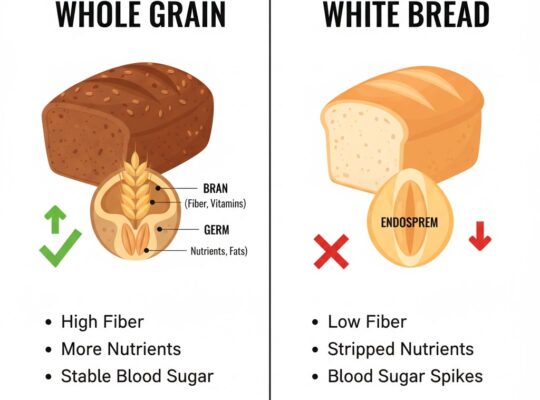
Carbohydrates have the most direct impact on blood sugar because they break down into glucose. However, not all carbs are equal. Complex carbs from whole grains and veggies are better than simple sugars.
Proteins and fats slow digestion, helping to moderate those rises. Fiber, found in plants, also aids in blood sugar control and promotes satiety. According to health experts, aiming for meals that are nutrient-dense and portion-controlled is key.
For beginners, the goal isn’t perfection but progress. Start by tracking what you currently eat to identify patterns, then gradually incorporate changes. Tools like food diaries or apps (e.g., MyFitnessPal) can help monitor carbs and calories.
Key Principles of a Diabetes-Friendly Meal Plan
Before diving into creation, let’s cover the core principles:
The Plate Method
This simple visual tool, recommended by the American Diabetes Association, divides your plate into sections: half non-starchy vegetables (like broccoli or spinach), one-quarter lean protein (such as chicken or tofu), and one-quarter whole grains or starchy veggies (like brown rice or sweet potatoes). Add a serving of fruit or dairy on the side. It’s an easy way to ensure balance without strict counting.
Carbohydrate Counting
Carbs are crucial to track. Beginners might aim for 45-60 grams per meal, but this varies. Focus on quality: Choose low-glycemic index (GI) foods that release sugar slowly, like oats (GI around 55) over white bread (GI 75+).
Calorie Considerations
Calorie needs depend on factors like weight and activity. A common starting point for weight maintenance or loss is 1,500-2,000 calories daily, with adjustments for men/women or goals. Prioritize high-fiber, high-protein meals to stay full.
Macronutrient Balance
- Carbs: 45-65% of calories from complex sources.
- Proteins: 15-20%, from lean options to support muscle and satiety.
- Fats: 20-35%, emphasizing heart-healthy unsaturated fats like avocados and nuts.
Hydration and Timing
Drink plenty of water (aim for 8 cups daily) and space meals evenly—three main meals plus snacks—to avoid blood sugar dips. Consistency in timing helps regulate insulin.
Incorporating these principles reduces the risk of hyperglycemia and supports long-term health.
Step-by-Step Guide: How to Create Your Diabetes-
Friendly Meal Plan
Creating a plan is like building a roadmap. Follow these steps to get started:
Step 1: Assess Your Needs
Consult your doctor for personalized targets, like daily carb limits or calorie goals. Get a baseline A1C test and consider factors like allergies, preferences, or cultural foods. For example, if you’re a vegetarian, focus on plant-based proteins.
Step 2: Set Realistic Goals
Beginners should start small. Aim to swap one processed snack for a veggie-based one daily. Gradually build to a full week’s plan. Use the plate method as your foundation.
Step 3: Plan Your Meals
Decide on calorie level (e.g., 1,500 for weight loss). Structure around:
- Breakfast: High-fiber to kickstart metabolism.
- Lunch/Dinner: Balanced plates.
- Snacks: Nutritious, like yogurt with berries.
Incorporate variety to prevent boredom. Shop with a list to avoid impulse buys.
Step 4: Track and Adjust
Monitor blood sugar before/after meals. If levels spike after pasta, reduce portions or pair with protein. Apps or journals help log this.
Step 5: Incorporate Exercise and Monitoring
Pair your plan with 150 minutes of weekly activity, like walking, to enhance insulin sensitivity. Regular check-ins with a dietitian ensure sustainability.
This process empowers you to take control, turning overwhelming choices into manageable habits.
Foods to Include in Your Diabetes-Friendly Meal Plan
Focus on whole, unprocessed foods. Here’s a categorized list:
Non-Starchy Vegetables (Unlimited, Low-Carb)
- Leafy greens: Spinach, kale, lettuce.
- Cruciferous: Broccoli, cauliflower, Brussels sprouts.
- Others: Peppers, zucchini, tomatoes, cucumbers. These provide vitamins, minerals, and fiber with minimal blood sugar impact.
Fruits (Portion-Controlled, 1-2 Servings/Day)
- Berries: Strawberries, blueberries (low GI).
- Citrus: Oranges, grapefruits.
- Apples, pears (with skin for fiber). Limit to 15-30g carbs per serving to avoid spikes.
Whole Grains and Starchy Veggies (Moderated)
- Quinoa, barley, brown rice.
- Sweet potatoes, corn (in small portions). Choose whole over refined for better control.
Lean Proteins (3-4 oz per Meal)
- Poultry: Chicken, turkey (skinless).
- Fish: Salmon, tuna (rich in omega-3s).
- Plant-based: Beans, lentils, tofu, eggs. These stabilize blood sugar and promote fullness.
Healthy Fats (In Moderation)
- Avocados, nuts (almonds, walnuts), seeds (chia, flax).
- Oils: Olive, canola. Avoid trans fats; limit saturated.
Dairy or Alternatives (Low-Fat)
- Greek yogurt, skim milk, almond milk (unsweetened). Opt for low-sugar versions.
By prioritizing these, you’ll create satisfying meals that support diabetes management.
Foods to Avoid or Limit
Steer clear of items that cause rapid blood sugar rises:
- Sugary drinks: Soda, fruit juices (opt for water or infused versions).
- Refined carbs: White bread, pastries, chips.
- Processed meats: Bacon, sausages (high in sodium and fats).
- Sweets: Candy, cookies (save for occasional treats).
- Fried foods: French fries, doughnuts.
Read labels: Aim for <5g added sugar per serving. Hidden sugars in sauces or yogurts can add up.
Sample 7-Day Diabetes-Friendly Meal Plan for
Beginners
This plan is based on 1,500 calories, with about 45-60g carbs per meal. Adjust as needed; it’s inspired by expert recommendations. Each day includes breakfast, lunch, dinner, and two snacks. Total daily: ~80g protein, 30g fiber.
Day 1
- Breakfast: Greek yogurt parfait with 1/2 cup berries and 1 tbsp chia seeds (300 cal, 30g carbs).
- Snack 1: Apple with 1 oz almonds (200 cal, 20g carbs).
- Lunch: Grilled chicken salad with mixed greens, tomatoes, cucumber, and olive oil dressing (400 cal, 40g carbs).
- Snack 2: Carrot sticks with hummus (150 cal, 15g carbs).
- Dinner: Baked salmon with quinoa and steamed broccoli (450 cal, 45g carbs).
Day 2
- Breakfast: Oatmeal with cinnamon, 1/2 banana, and walnuts (300 cal, 35g carbs).
- Snack 1: Cottage cheese with cherry tomatoes (200 cal, 10g carbs).
- Lunch: Turkey wrap in whole-grain tortilla with lettuce, avocado, and veggies (400 cal, 40g carbs).
- Snack 2: Pear slices (150 cal, 20g carbs).
- Dinner: Stir-fried tofu with brown rice and mixed veggies (450 cal, 50g carbs).
Day 3
- Breakfast: Veggie omelet with spinach, peppers, and whole-grain toast (300 cal, 25g carbs).
- Snack 1: Handful of berries (200 cal, 15g carbs).
- Lunch: Lentil soup with side salad (400 cal, 45g carbs).
- Snack 2: Yogurt with flaxseeds (150 cal, 10g carbs).
- Dinner: Grilled fish with sweet potato and asparagus (450 cal, 50g carbs).
Day 4
- Breakfast: Smoothie with spinach, berries, protein powder, and almond milk (300 cal, 30g carbs).
- Snack 1: Celery with peanut butter (200 cal, 15g carbs).
- Lunch: Quinoa bowl with black beans, corn, and salsa (400 cal, 50g carbs).
- Snack 2: Orange (150 cal, 20g carbs).
- Dinner: Chicken stir-fry with cauliflower rice and greens (450 cal, 35g carbs).
Day 5
- Breakfast: Whole-grain toast with avocado and poached egg (300 cal, 25g carbs).
- Snack 1: Mixed nuts (200 cal, 10g carbs).
- Lunch: Tuna salad with greens and olive oil (400 cal, 30g carbs).
- Snack 2: Cucumber slices with cheese (150 cal, 10g carbs).
- Dinner: Veggie burger on whole-grain bun with side salad (450 cal, 45g carbs).
Day 6
- Breakfast: Chia pudding with almond milk and strawberries (300 cal, 30g carbs).
- Snack 1: Grapefruit half (200 cal, 20g carbs).
- Lunch: Egg salad with whole-grain crackers and veggies (400 cal, 35g carbs).
- Snack 2: Bell pepper strips with guacamole (150 cal, 15g carbs).
- Dinner: Baked turkey with barley and zucchini (450 cal, 50g carbs).
Day 7
- Breakfast: Cottage cheese with pineapple chunks (300 cal, 25g carbs).
- Snack 1: Handful of walnuts (200 cal, 10g carbs).
- Lunch: Bean salad with feta, olives, and greens (400 cal, 40g carbs).
- Snack 2: Apple slices (150 cal, 20g carbs).
- Dinner: Shrimp stir-fry with brown rice and broccoli (450 cal, 45g carbs).
This plan emphasizes variety and simplicity. Recipes can be found on sites like Mayo Clinic for inspiration. Track portions: Use measuring tools initially.
Tips for Success in Implementing Your Meal Plan
- Grocery Shopping: Make a list based on your plan. Shop the perimeter for fresh foods; read labels in aisles.
- Meal Prep: Batch-cook on weekends—prep salads, chop veggies, cook proteins. This saves time and reduces temptation.
- Dining Out: Choose grilled over fried; ask for dressings on the side. Share portions or box half.
- Handling Cravings: Opt for alternatives like dark chocolate (70%+ cocoa) in small amounts or herbal teas.
- Involve Family: Make it a group effort for support.
- Stay Hydrated: Water helps control hunger and blood sugar.
- Monitor Progress: Weigh weekly, check A1C every 3 months.
Consistency beats perfection—small wins add up.
Inspiring Success Stories
Hearing from others can motivate beginners. Here are three real-life-inspired stories (anonymized for privacy) of people who transformed their health through meal planning.
Story 1: Sarah’s Journey to Stability
Sarah, a 45-year-old teacher diagnosed with type 2 diabetes, struggled with erratic blood sugar from skipping meals and relying on fast food. She started with the plate method, filling half her plate with veggies. Within three months, her A1C dropped from 8.2% to 6.5%, and she lost 15 pounds. “Planning meals ahead made it easy—I prepped salads for lunch and enjoyed berries as snacks. It’s not a diet; it’s my new normal,” she shares. Her energy soared, allowing her to chase after her grandkids without fatigue.
Story 2: Mike’s Weight Loss Win
Mike, 52, an office worker with prediabetes, weighed 220 pounds and faced high cholesterol. Adopting a 1,800-calorie plan with carb counting, he focused on lean proteins and whole grains. Over six months, he shed 30 pounds, normalized his blood sugar, and reduced medications. “The key was variety—I rotated recipes to avoid boredom. Testing blood sugar daily kept me accountable,” he says. Now, he runs 5Ks and inspires colleagues.
Story 3: Elena’s Family-Focused Transformation
Elena, 38, a mom with gestational diabetes that progressed to type 2, worried about her kids’ habits. She involved her family in meal planning, using kid-friendly recipes like veggie-packed stir-fries. In a year, her A1C improved to 5.8%, and she lost 25 pounds. “We made it fun—grocery shopping became a game. My blood sugar stabilized, and I feel empowered,” she reflects. Her story highlights how meal plans can benefit the whole household.
These stories show that with commitment, positive changes are achievable.
FAQs About Diabetes-Friendly Meal Planning
What is the Diabetes Plate Method?
It’s a simple way to portion meals: Half veggies, quarter protein, quarter carbs. It’s beginner-friendly and helps control blood sugar without complex math.
How many carbs should I eat per day?
It varies, but 135-230g total (45-60g per meal) is common for adults. Consult a dietitian for your needs.
Can I eat fruit with diabetes?
Yes, in moderation. Choose low-GI options like berries over tropical fruits. Pair with protein to blunt spikes.
What if I have type 1 diabetes?
Meal planning is similar, but insulin dosing is key. Carb counting is essential; work closely with your endocrinologist.
Are low-carb diets safe for beginners?
They can help, but don’t go too extreme without guidance. Balance is better for sustainability.
How do I handle holidays or social events?
Plan: Eat a small healthy snack before, choose veggie-based dishes, and limit alcohol.
What’s the role of exercise in meal planning?
It enhances insulin sensitivity, allowing more carb flexibility. Aim for 30 minutes most days.
Can meal planning help with weight loss?
Absolutely—by controlling portions and calories, many lose weight naturally.
Where can I find more recipes?
Check resources like the American Diabetes Association or Mayo Clinic websites for free ideas.
Is snacking necessary?
Yes, to prevent blood sugar lows. Choose protein-rich options every 3-4 hours.
Conclusion
Creating a diabetes-friendly meal plan as a beginner is about empowerment, not restriction. By understanding basics, following steps, and using tools like the plate method, you can achieve better blood sugar control, energy, and well-being. Start small, celebrate progress, and seek support. With time, it’ll become second nature. Remember, you’re not alone; millions thrive with similar plans. Take that first step today for a healthier tomorrow.