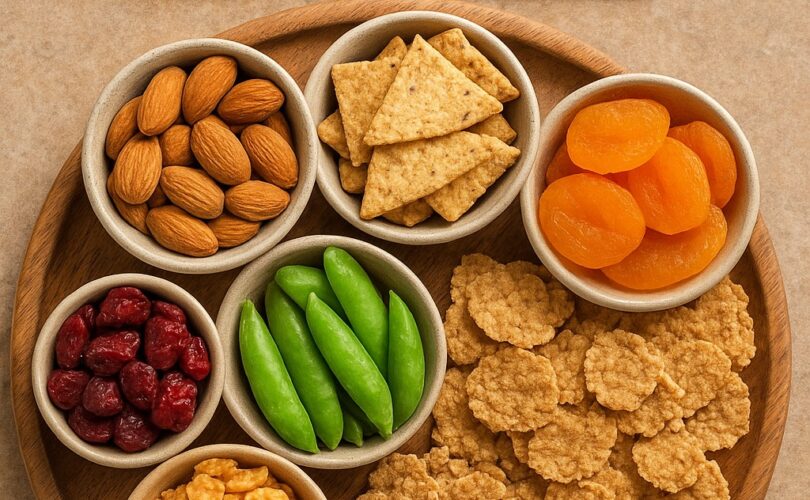
The High-Fiber Snack Dietitians Say Helps
Weight Loss
Weight loss journeys are often associated with strict diets (The High-Fiber Snack Dietitians Say Helps Weight Loss), endless hours in the gym, and restrictive eating patterns that leave you feeling deprived. But according to dietitians, losing weight doesn’t have to mean cutting out snacks or feeling hungry all the time.
In fact, one of the most effective strategies for supporting weight management is incorporating high-fiber snacks into your daily routine.

Fiber-rich snacks don’t just satisfy hungerthey keep you fuller for longer, regulate digestion, and can even reduce cravings for unhealthy foods. Among all the snack options out there, one particular high-fiber snack consistently comes up in dietitian recommendations: roasted chickpeas.
Packed with protein, fiber, and essential nutrients, roasted chickpeas are a crunchy, tasty, and versatile snack that supports weight loss naturally. In this article, we’ll explore why this snack is so effective, what science says about fiber and fat loss, and how you can include it in your diet to maximize results.
Why Fiber Matters for Weight Loss
-
Fiber Increases Satiety (The High-Fiber Snack Dietitians Say Helps Weight Loss)
One of the biggest challenges in weight loss is managing hunger. High-fiber foods slow digestion, which means you stay fuller for longer. This reduces the need for unnecessary snacking and prevents overeating at meals.
-
Fiber Reduces Cravings
Fiber balances blood sugar by slowing the absorption of carbohydrates. Stable blood sugar means fewer spikes and crashes, which often trigger cravings for sugary or processed foods.
-
Fiber Supports Digestive Health
A healthy gut is crucial for weight management. Fiber acts as a prebiotic, feeding good gut bacteria that influence metabolism and fat storage.
-
Fiber Helps Control Calorie Intake
Since high-fiber foods add bulk without many calories, they let you eat more volume while consuming fewer calories.
According to the Harvard School of Public Health, women should aim for about 25 grams of fiber daily, while men should target 38 grams. Unfortunately, most people consume less than half of the recommended amount. Adding fiber-rich snacks like roasted chickpeas helps close this gap.
The Snack Dietitians Recommend: Roasted Chickpeas
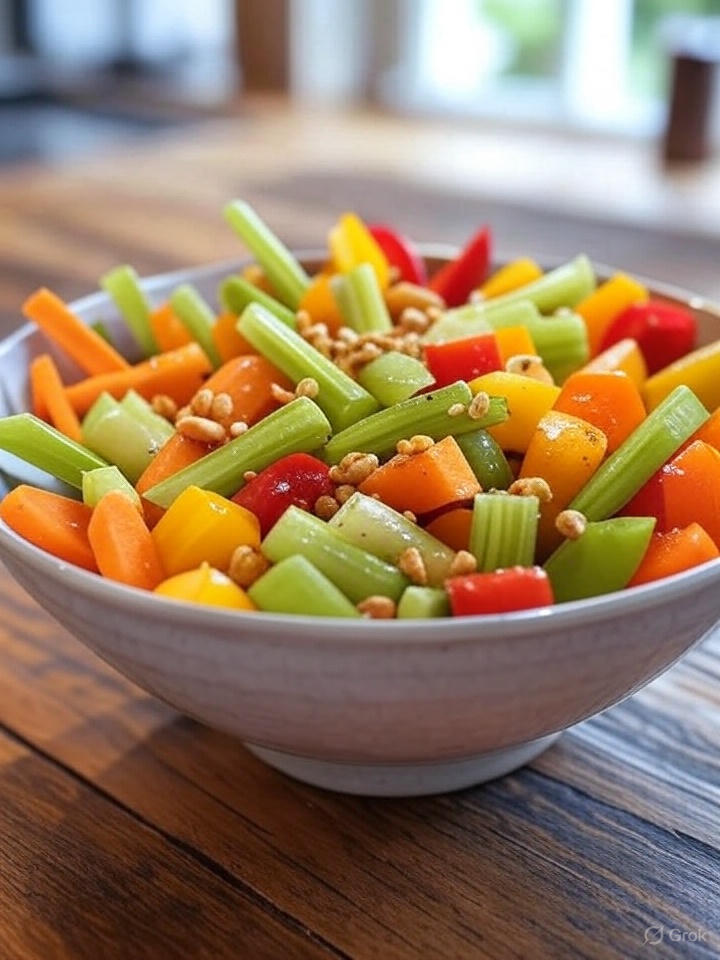
What Makes Roasted Chickpeas Special?
Chickpeas (also called garbanzo beans) are a legume loaded with soluble and insoluble fiber, plant-based protein, vitamins, and minerals. When roasted, they become a crunchy, flavorful snack that rivals chips and other processed junk foods (The High-Fiber Snack Dietitians Say Helps Weight Loss) but with far better nutrition.
Nutritional Profile (1 cup of roasted chickpeas):
- Calories: ~270
- Fiber: 12–13 grams
- Protein: 14–15 grams
- Fat: 4–5 grams (healthy, mostly unsaturated)
- Carbohydrates: 45 grams (slow-digesting)
This means just one serving gives you nearly half of your daily fiber needs, making it one of the most efficient weight loss snacks available.
Why Dietitians Love Roasted Chickpeas
- Portable: Easy to pack for work, school, or travel.
- Customizable: Can be flavored sweet (with cinnamon) or savory (with chili, garlic, or herbs).
- Affordable: A budget-friendly, nutrient-dense snack.
- Protein + Fiber Combo: Keeps you full while supporting muscle preservation during weight loss.
Scientific Evidence Linking Fiber to Weight Loss
Several studies highlight the connection between high-fiber diets and successful weight management:
- Annals of Internal Medicine (2015): Found that simply increasing fiber intake (without other dietary changes) led to weight loss and improved metabolic health. (The High-Fiber Snack Dietitians Say Helps Weight Loss)
- Journal of Nutrition (2009): Reported that people who consumed more fiber tended to weigh less and gain less weight over time.
- Harvard T.H. Chan School of Public Health: Notes that fiber improves satiety and helps regulate hormones that control hunger.
The combination of fiber and protein in chickpeas enhances satiety even more than fiber alone, making roasted chickpeas one of the best snack choices for dieters.
How to Prepare Roasted Chickpeas at Home
Making roasted chickpeas is simple and cost-effective. Here’s a step-by-step guide:
Ingredients:
- 1 can (15 oz) chickpeas (or 1.5 cups cooked chickpeas)
- 1–2 tbsp olive oil
- Seasonings (salt, pepper, garlic powder, paprika, cumin, chili powder, or cinnamon for a sweet option)
Instructions:
- Preheat oven to 400°F (200°C).
- Drain and rinse chickpeas, then pat them dry with a towel.
- Toss with olive oil and chosen seasonings.
- Spread evenly on a baking sheet.
- Roast for 25–35 minutes, shaking the pan halfway through, until crispy.
Flavor Variations:
- Spicy: Chili powder + paprika + garlic powder
- Sweet: Cinnamon + a touch of honey (optional)
- Savory: Rosemary + thyme + sea salt
These can be stored in an airtight container for up to a week, making them a convenient snack option.
Other High-Fiber Snacks Dietitians Recommend
While roasted chickpeas take the spotlight, other fiber-rich snacks can complement your diet:
- Air-Popped Popcorn – 3 cups = 4 grams fiber
- Apple Slices with Peanut Butter – fiber + healthy fats
- Chia Seed Pudding – 10 grams of fiber per serving
- Edamame – 8 grams of fiber per cup
- Hummus with Veggies – chickpeas + fiber-rich vegetables
- Oatmeal Energy Balls – fiber + slow-digesting carbs
- Almonds or Walnuts – nuts add fiber, protein, and healthy fats
Combining these snacks with roasted chickpeas gives variety while keeping fiber intake high.
Meal Plan Example: Using Roasted Chickpeas for
Weight Loss
Here’s how you might incorporate roasted chickpeas into a daily meal plan:
- Breakfast: Overnight oats with chia seeds (10g fiber)
- Snack: Roasted chickpeas (12g fiber)
- Lunch: Quinoa salad with vegetables and chickpeas (8g fiber)
- Snack: Apple slices with almond butter (5g fiber)
- Dinner: Grilled salmon with steamed broccoli and brown rice (9g fiber)
Total Fiber: ~44 grams (The High-Fiber Snack Dietitians Say Helps Weight Loss), well above the daily recommendation, which supports weight loss and overall health.
Tips for Success with High-Fiber Snacks
- Increase slowly – Too much fiber at once may cause bloating; increase gradually.
- Stay Hydrated – Fiber works best when paired with adequate water intake.
- Balance with Protein – Fiber plus protein enhances satiety and prevents muscle loss.
- Choose Whole Foods – Avoid packaged “fiber bars” with added sugars.
- Make It Enjoyable – Season chickpeas in fun ways so you don’t get bored.
Long-Term Benefits of High-Fiber Snacks
Beyond weight loss, incorporating fiber-rich snacks like roasted chickpeas can lead to:
- Reduced risk of heart disease
- Lower cholesterol
- Improved blood sugar control
- Better gut health
- Enhanced longevity
This is why dietitians often emphasize sustainable, balanced eating habits rather than quick fixes.
Conclusion
When it comes to weight loss, the best strategy is not extreme dieting but smart food choices that satisfy hunger, provide nutrients, and support long-term health. (The High-Fiber Snack Dietitians Say Helps Weight Loss) Roasted chickpeas stand out as a high-fiber snack dietitians recommend because they are affordable, customizable, and incredibly effective in supporting satiety and fat loss.
By making roasted chickpeas (and other fiber-rich snacks) a regular part of your diet, you can boost your daily fiber intake, reduce cravings, and reach your weight loss goals more healthily and sustainably.
Disclaimer
This article is for educational purposes only and is not intended as medical advice. Always consult a registered dietitian, nutritionist, or healthcare provider before making significant changes to your diet, especially if you have underlying health conditions. (The High-Fiber Snack Dietitians Say Helps Weight Loss)
References
- Harvard T.H. Chan School of Public Health. “Fiber and Weight Control.”
- Annals of Internal Medicine (2015). “Dietary Fiber and Weight Loss Study.”
- Journal of Nutrition (2009). “Dietary Fiber Intake and Long-Term Weight Change.”
- U.S. Department of Agriculture (USDA) Food Database.