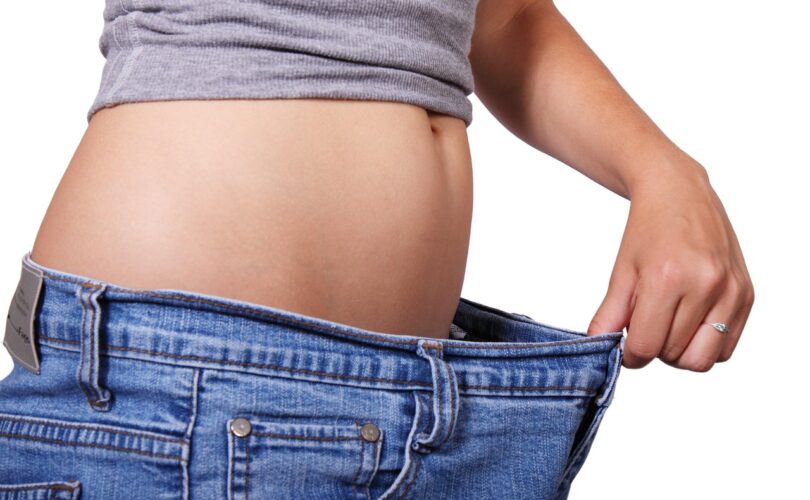
Healthy Weight Loss: Your Guide to Safe, Sustainable Results
Many people want to shed extra pounds, but the key is doing it in a way that supports your health and lasts for life. Healthy weight loss means losing fat gradually while keeping muscle, boosting energy, and improving overall well-being. It is not about quick fixes or extreme diets that leave you tired and frustrated.
Experts from the CDC and Mayo Clinic agree that losing 1 to 2 pounds (0.5 to 1 kg) per week is safe and more likely to stay off. This approach combines smart eating, regular movement, good sleep, and stress management. When you focus on healthy weight loss, you build habits that benefit your heart, joints, mood, and long-term health.
:max_bytes(150000):strip_icc():focal(624x0:626x2)/laura-hyman1-de97f2ccbb7646efb9e4065f983a24ef.jpg)
:max_bytes(150000):strip_icc():focal(999x0:1001x2)/robinsplit-94aa073db3b24413ac04cdf3c8295aba.jpg)
Real people achieve healthy weight loss and feel stronger, happier, and more confident. Their transformations show that small, consistent changes create big results over time.
Why Healthy Weight Loss Matters More Than Quick Fixes
Rapid weight loss often means losing water and muscle, not fat. This can slow your metabolism and make it harder to maintain results. Healthy weight loss protects your muscle mass, keeps your energy steady, and reduces the risk of rebound weight gain.
Carrying extra weight can increase the chance of type 2 diabetes, high blood pressure, heart disease, and joint pain. Even losing 5-10% of your body weight can improve blood sugar, cholesterol, and blood pressure. That is why healthy weight loss is not just about looks—it is about feeling better and living longer.
Crash diets or very low calories can cause nutrient shortages, hair loss, fatigue, and mood swings. In contrast, healthy weight loss nourishes your body while creating a gentle calorie deficit. You eat real food, stay active, and enjoy the process.
Understanding How Weight Loss Works
Weight loss happens when you burn more calories than you consume—a calorie deficit. But healthy weight loss is not just about cutting calories blindly. Your body needs fuel for daily functions, exercise, and repair.
Your basal metabolic rate (BMR) is the number of calories you burn at rest. Add daily activity, and you get your total daily energy expenditure (TDEE). For healthy weight loss, aim for a 500-750 calorie daily deficit. This supports losing about 1 pound per week without starving your body.
Use free online calculators from Mayo Clinic or similar trusted sites to estimate your needs. Factors like age, sex, height, weight, and activity level matter. A doctor or dietitian can help personalize this for you.
Protein, fiber, and healthy fats keep you full longer and support muscle. Simple carbs and sugary drinks spike hunger quickly. Choosing whole foods makes healthy weight loss easier and more satisfying.
Setting Realistic Goals for Healthy Weight Loss
Start with a clear, achievable goal. Instead of “lose 20 kg fast,” aim for “lose 0.5-1 kg per week while feeling energetic.” Track non-scale victories like looser clothes, better sleep, or more stamina.
Break big goals into small steps. For example, walk 30 minutes daily, add one extra vegetable serving, or drink water instead of soda. Celebrate progress every week to stay motivated.
Be patient. Healthy weight loss is a marathon, not a sprint. Sustainable change takes time, but the results last because they become part of your lifestyle.
Nutrition Tips for Healthy Weight Loss
Focus on a balanced plate. Fill half with vegetables and fruits, one quarter with lean protein, and one quarter with whole grains. Add healthy fats in moderation.
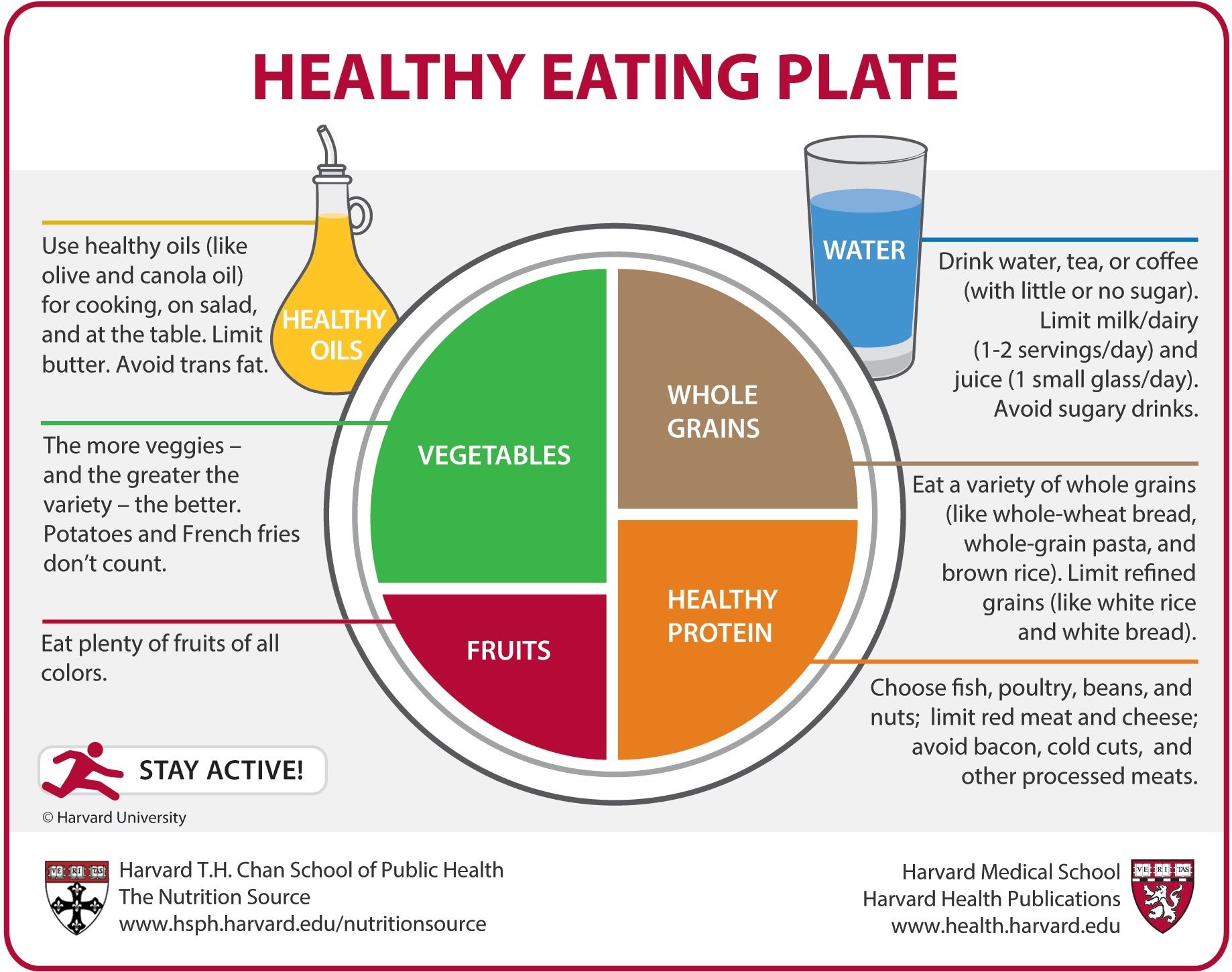
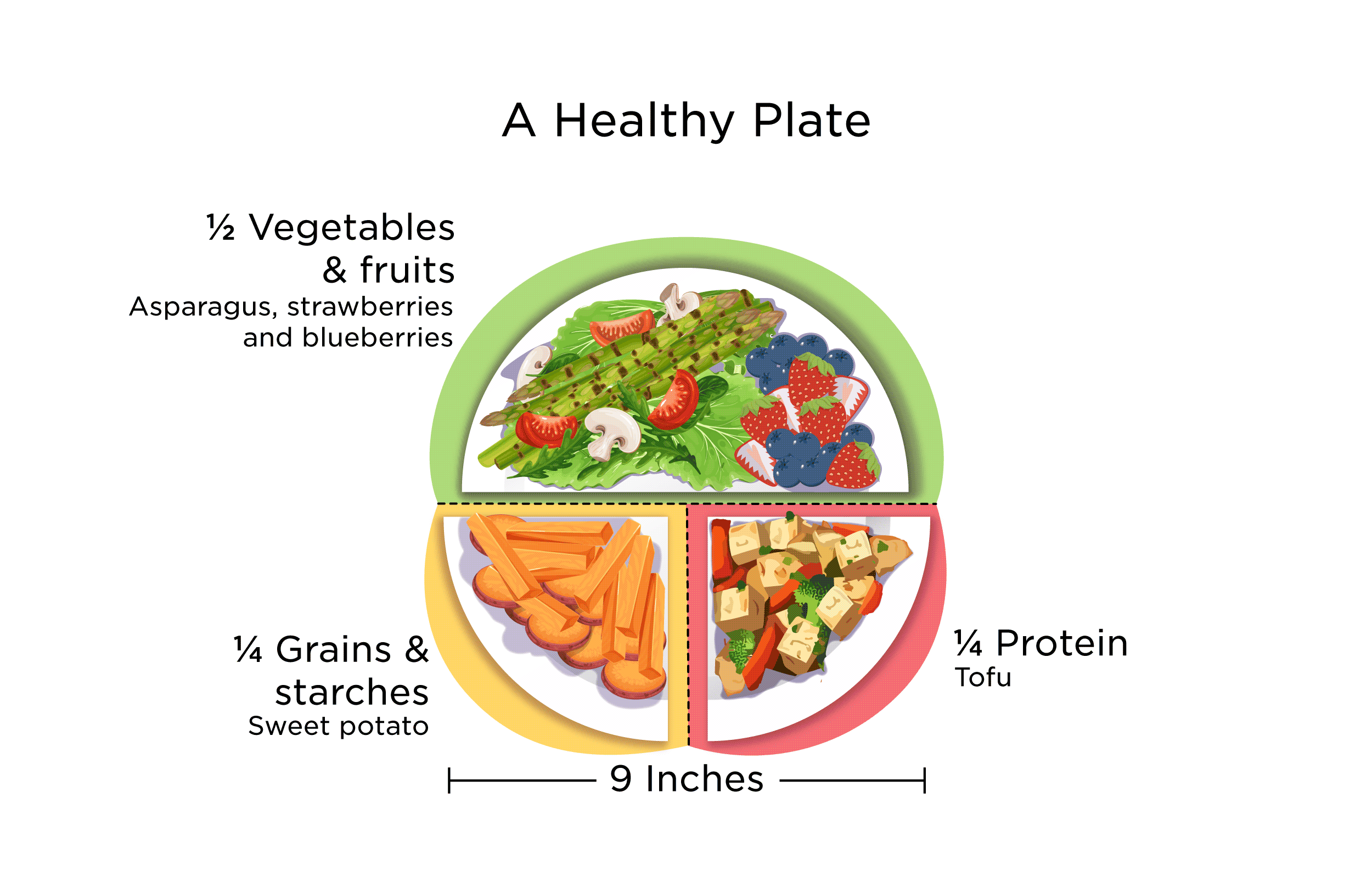
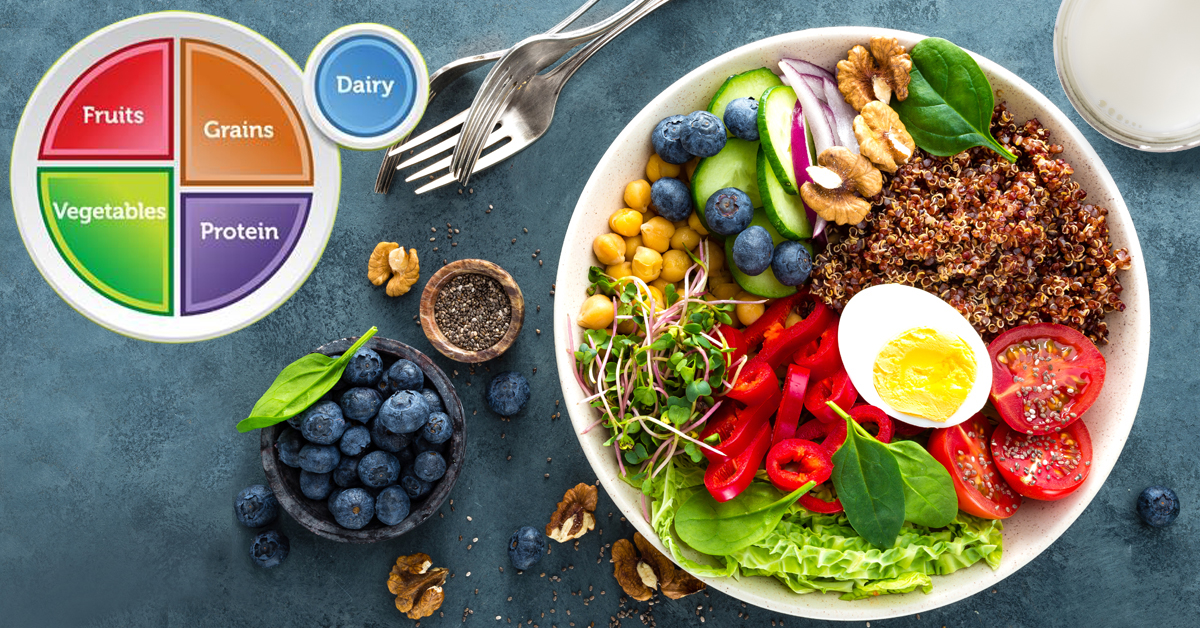
Prioritize these foods for healthy weight loss:
- Lean proteins: Chicken, fish, eggs, beans, lentils, tofu, and Greek yogurt. Protein boosts metabolism through the thermic effect of food and keeps you full.
- Fiber-rich vegetables and fruits: Broccoli, spinach, berries, apples, and carrots. They add volume with few calories and help control hunger.
- Whole grains: Oats, brown rice, quinoa, and whole-wheat bread. They provide steady energy and fiber.
- Healthy fats: Avocado, nuts, seeds, and olive oil in small amounts. They support hormone health.
- Metabolism supporters: Green tea, chili peppers, coffee (in moderation), and ginger. These may give a small boost when part of a balanced plan.
Cut back on sugary drinks, processed snacks, fried foods, and excessive sweets. Read labels—hidden sugars and fats add up quickly.
Portion control helps without feeling deprived. Use smaller plates, eat slowly, and stop when you feel 80% full. Meal prepping and planning prevent impulsive choices.
A sample day for healthy weight loss could include:
- Breakfast: Oatmeal with berries, nuts, and Greek yogurt.
- Lunch: Grilled chicken salad with lots of veggies, quinoa, and olive oil dressing.
- Snack: Apple with a handful of almonds.
- Dinner: Baked fish, steamed broccoli, and sweet potato.
- Evening: Herbal tea or a small piece of dark chocolate if needed.
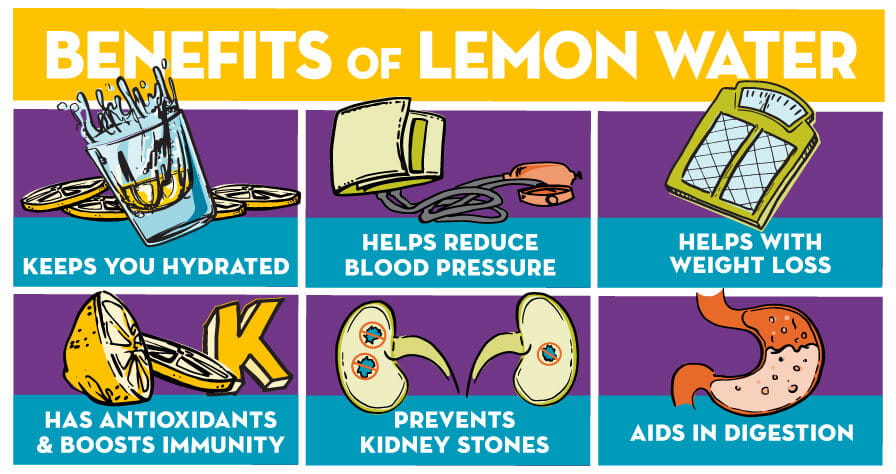
Stay hydrated. Drink plenty of water—aim for 8-10 glasses daily. Sometimes thirst feels like hunger. Adding lemon can make it more refreshing and may support digestion.
Exercise and Physical Activity for Healthy Weight Loss
Movement burns calories and builds muscle, which raises your resting metabolism. Combine cardio and strength training for the best results.
Aim for at least 150 minutes of moderate activity per week, like brisk walking, plus two strength sessions. For faster healthy weight loss, increase to 300 minutes if your body allows.

:max_bytes(150000):strip_icc()/Health-GettyImages-1462659672-b1fd4e0e88df4a59aea1c32ec2d5e53d.jpg)
Effective activities include:
- Walking or jogging outdoors.
- Cycling or swimming.
- Bodyweight exercises like squats, push-ups, and planks.
- Resistance training with weights or bands.
- Fun options like dancing, yoga, or team sports.
Start where you are. If you are new to exercise, begin with 10-15 minute walks and build up. Involve your family—family walks, or games make healthy weight loss enjoyable and create healthy habits together.
Strength training is especially important. It preserves muscle while you lose fat, helping your body look toned and keeping metabolism strong.
Non-exercise activity matters too. Take stairs, stand more, or do household chores. Every movement adds up.
The Role of Sleep and Stress in Healthy Weight Loss
Sleep and stress greatly affect hormones that control hunger. Poor sleep raises ghrelin (hunger hormone) and lowers leptin (fullness hormone). Aim for 7-9 hours of quality sleep nightly.
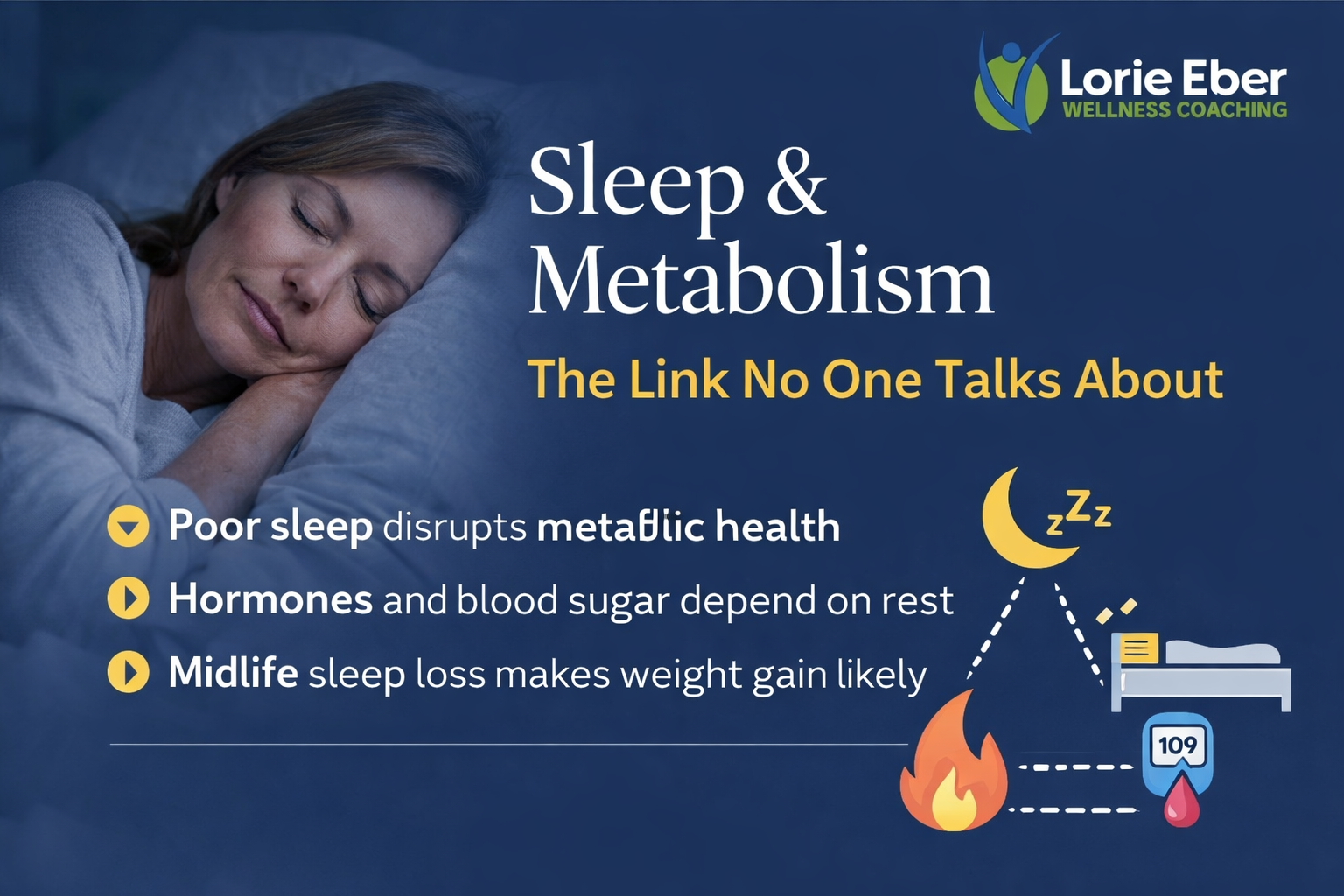
Create a bedtime routine: dim lights, avoid screens, and keep a consistent schedule. Good sleep supports better food choices and more energy for activity.
Chronic stress raises cortisol, which can increase belly fat and cravings. Practice stress management daily.
:max_bytes(150000):strip_icc()/meditation-4157199_round2_standardsizing-7f47dee543b74e3282f6604e8e9ef126.png)

Try deep breathing, meditation, yoga, walking in nature, or talking with loved ones. Even 10 minutes daily helps.
Healthy weight loss includes caring for your mind as well as your body.
Tracking Progress and Overcoming Plateaus
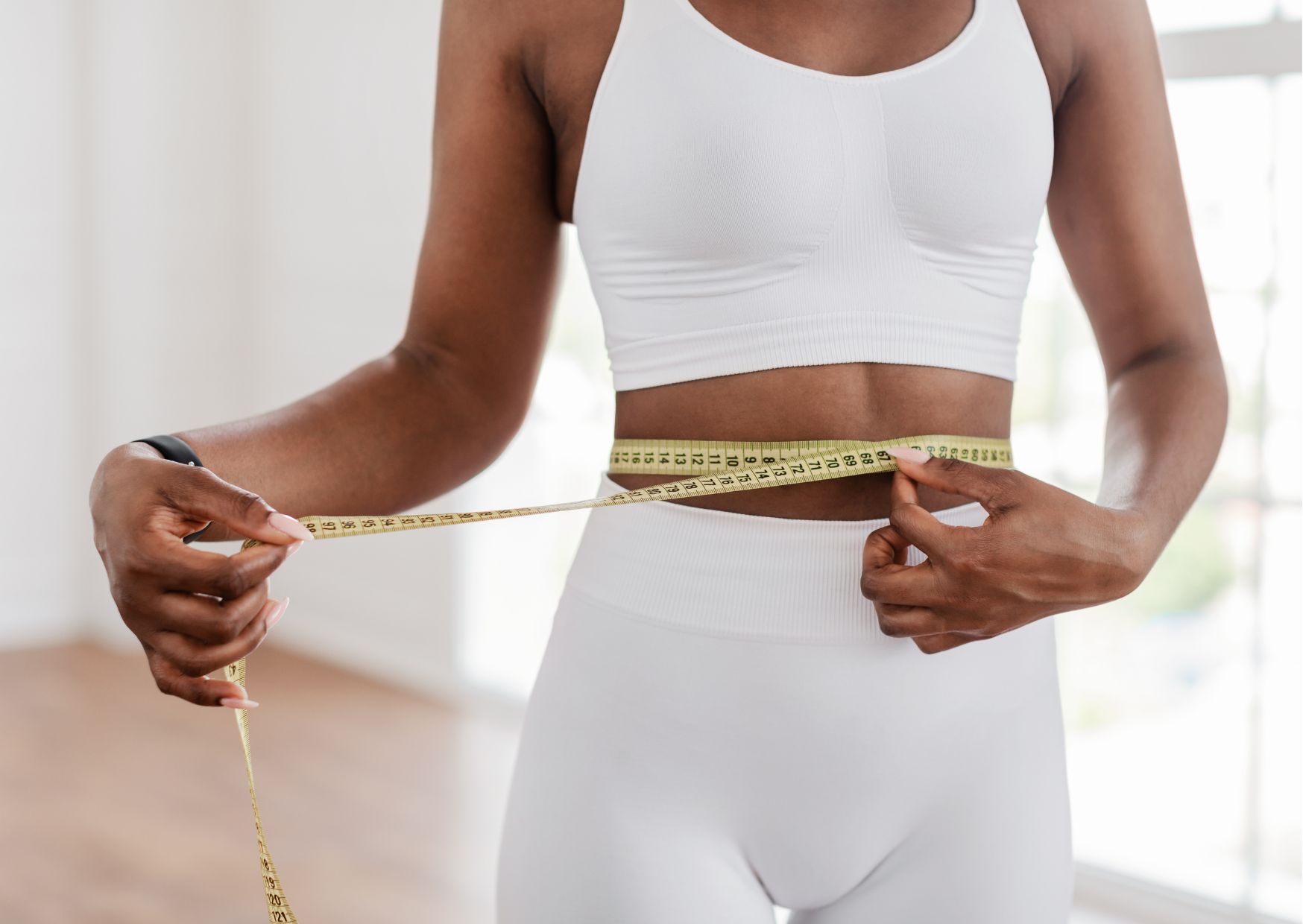
Weigh yourself weekly, not daily, as weight can fluctuate. Measure waist, hips, and other areas. Take progress photos and note how clothes fit.

If progress stalls—a common weight loss plateau—do not panic. Reassess habits: Are portions creeping up? Is the activity consistent? Adjust calories slightly or change your workout routine. Increase protein or fiber if needed. Sometimes a short maintenance break helps reset.
Stay consistent. Plateaus are normal and temporary when you persist with healthy weight loss strategies.
Building a Supportive Environment and Involving Family
Success is easier with support. Share goals with family and friends. Cook healthy meals together, plan active weekends, or join a walking group.
Healthy weight loss becomes a family affair when everyone enjoys better food and movement. Children learn good habits, and partners motivate each other.
If needed, consult professionals—a doctor, registered dietitian, or trainer. They provide personalized advice and monitor health markers.
Avoid supplements promising miracles. Most lack strong evidence and can have side effects. Focus on real food and lifestyle first.
Common Myths About Weight Loss Debunked
Many myths confuse people trying healthy weight loss:
- Myth: Carbs are bad. Reality: Whole carbs like fruits, veggies, and grains provide essential nutrients and fiber.
- Myth: Fat makes you fat. Reality: Healthy fats support health; excess calories from any source cause gain.
- Myth: Skipping meals helps. Reality: It often leads to overeating later and slows metabolism.
- Myth: All calories are equal. Reality: Nutrient quality matters—protein and fiber affect fullness and metabolism differently than empty calories.
- Myth: You can out-exercise a poor diet. Reality: Diet drives most weight loss; exercise supports it and health.
Focus on evidence-based practices instead of trends.
Long-Term Maintenance for Lasting Healthy Weight Loss
Once you reach your goal, shift to maintenance. Continue balanced eating and activity. Regular check-ins prevent small slips from becoming big gains.
Many who succeed keep food journals, stay active, and weigh periodically. They view healthy weight loss as a lifelong journey, not a temporary diet.
Celebrate non-scale wins: more energy, better mood, improved lab results, or playing actively with family.
Success Stories That Inspire Healthy Weight Loss
Real people show what is possible. One woman lost over 100 pounds by focusing on whole foods, daily walks, and better sleep. She now enjoys hiking with her family and feels years younger.
Another family lost weight together through home-cooked meals and evening walks. The parents gained energy, and the kids developed healthy tastes.
These stories prove healthy weight loss works when you commit to sustainable changes.
Conclusion: Start Your Healthy Weight Loss Journey Today
Healthy weight loss is achievable for anyone willing to make gradual, positive changes. Eat nourishing foods, move your body, prioritize sleep and stress relief, and track progress kindly.
Remember, the goal is better health and a life you love—not perfection. Small daily actions add up to big transformations.
Talk to your doctor before starting, especially if you have health conditions. With patience and consistency, you can achieve healthy weight loss and keep the results for life.
Healthy weight loss empowers you to feel your best. Begin today—one meal, one walk, one good night’s sleep at a time.
Disclaimer
This article is for informational purposes only and is not a substitute for professional medical advice. Consult your doctor or a qualified healthcare provider before starting any weight loss program, especially if you have medical conditions, are pregnant, breastfeeding, or taking medications. Individual results vary based on age, health status, genetics, and adherence. Sustainable healthy weight loss requires personalized guidance.
FAQs
What is the safe rate for healthy weight loss? Most experts recommend 1-2 pounds (0.5-1 kg) per week. This pace supports fat loss while preserving muscle and reducing the risk of regain.
Can I lose weight without exercise? Yes, diet creates the main calorie deficit, but adding movement improves health, preserves muscle, and helps maintain results long-term.
How important is protein in healthy weight loss? Very important. Protein keeps you full, supports muscle, and slightly boosts metabolism. Aim to include it in every meal.
What should I do if I hit a weight loss plateau? Reassess your food intake, increase activity intensity or duration, manage stress better, or take a short maintenance phase. Small adjustments often restart progress.
Is drinking more water helpful for healthy weight loss? Yes. Water supports metabolism, helps control appetite, and replaces high-calorie drinks. Aim for adequate hydration daily.
How does sleep affect healthy weight loss? Poor sleep disrupts hunger hormones, increases cravings, and can reduce fat loss even with calorie control. Prioritize 7-9 hours nightly.
References
- Centers for Disease Control and Prevention (CDC). Steps for Losing Weight.
- Mayo Clinic. Weight loss: 6 strategies for success.
- National Institutes of Health (NIH) reviews on physical activity and weight management.
- Harvard T.H. Chan School of Public Health. Healthy Eating Plate.
- Evidence-based studies on sleep, stress, and metabolism from peer-reviewed sources.