Can Intermittent Fasting Aid in Weight Loss?
Many people search for simple ways to lose extra pounds without counting every calorie or joining expensive gyms. One popular method today is time-restricted eating. Can Intermittent Fasting Aid in Weight Loss? This question comes up again and again because it sounds easy and natural. In this long guide, we will explore the answer in plain, everyday English. We will explore real science, offer easy tips, share meal ideas, and feature real stories, among other topics. By the end, you will understand if this approach fits your life.
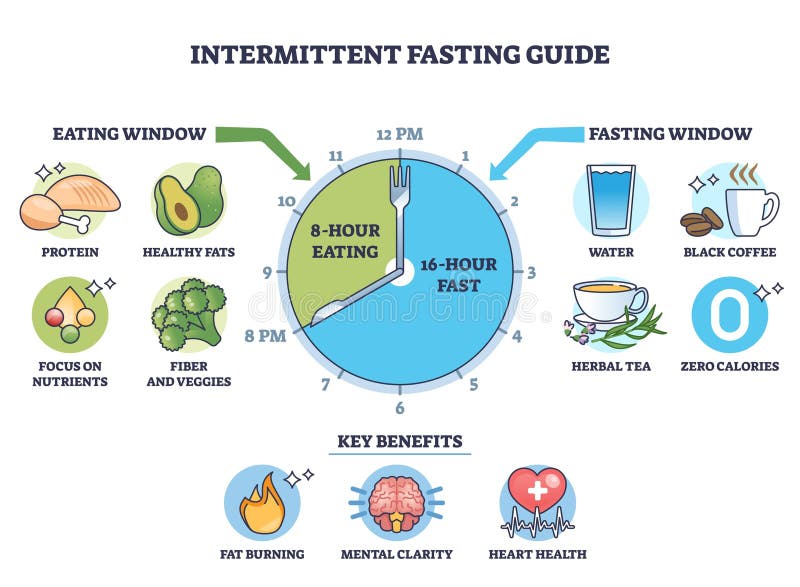
The picture above shows a clear clock for the popular 16/8 plan. The green part is your eating window, and the blue part is fasting time. This visual makes the idea simple to follow.
Can Intermittent Fasting Aid in Weight Loss? Yes, for many people it does, but only when done right. It works mainly by cutting calories without feeling like you are on a strict diet. Your body learns to burn stored fat during the fasting hours. Studies from 2025 and 2026 show mixed but hopeful results. Some people lose 3 to 8 percent of their body weight in a few months. Others see smaller changes. The key is consistency and choosing the right style for your body.
What Is Intermittent Fasting?
Intermittent fasting is not about what you eat but when you eat. You cycle between periods of eating and periods of not eating. During fasting windows, you drink only water, black coffee, or tea with zero calories. No snacks, no juices, nothing with calories. This gives your digestive system a break and changes how your body uses energy.
There are several popular types:
- 16/8 method: Eat in an 8-hour window, fast for 16 hours. Most people skip breakfast and eat from noon to 8 p.m.
- 5:2 diet: Eat normally five days a week. On two non-consecutive days, eat only 500–600 calories.
- Eat-Stop-Eat: Fast for a full 24 hours once or twice a week.
- Alternate-day fasting: Eat very little (or nothing) every other day.
Each type can fit different lifestyles. Beginners often start with 16/8 because it feels natural—just shift your meals a few hours later or earlier.
Can Intermittent Fasting help with weight loss? Many beginners ask this after seeing friends post amazing photos. The answer starts with understanding your body’s natural fat-burning mode.
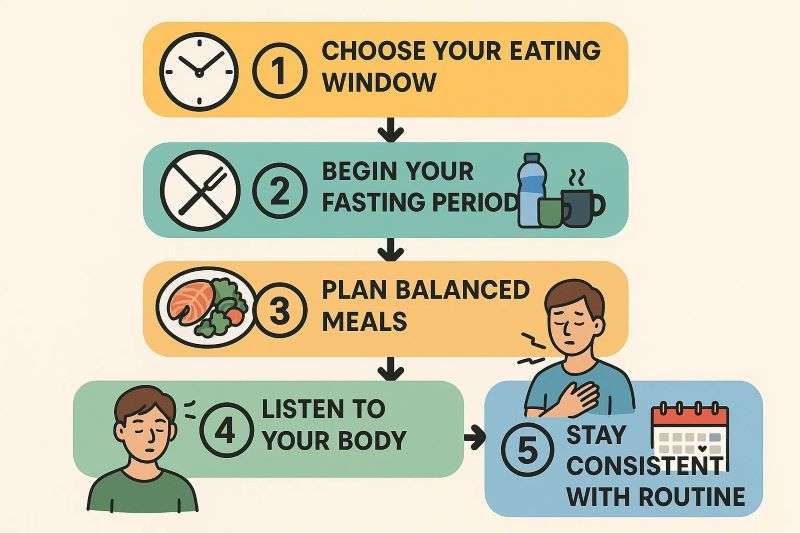
This step-by-step guide picture helps new users see exactly how to begin safely.
How Does Intermittent Fasting Work for Weight Loss?
Your body normally burns sugar from food for energy. When you fast longer than 10–12 hours, sugar runs low. Then your body switches to burning fat. This process is called ketosis in longer fasts. Even in shorter fasts, you eat fewer calories overall because the eating window is smaller. You feel full faster and snack less.
Insulin levels drop during fasting. High insulin makes fat storage easier. Lower insulin helps your body release stored fat. Over time, this can reduce belly fat, which is the most dangerous kind.
A big 2025 study in The BMJ looked at 99 trials with over 6,500 people. It found that intermittent fasting gives similar weight loss to regular calorie cutting—about 2–4 kg on average. Alternate-day fasting sometimes showed a small extra benefit.
Another 2026 Cochrane review of 22 trials said intermittent fasting gives little extra help compared with normal diet advice. Yet many real people still lose weight because they stick to it better than strict diets.
Can Intermittent Fasting help with weight loss? Science says it can when it creates a natural calorie deficit and improves how your body handles sugar and fat.
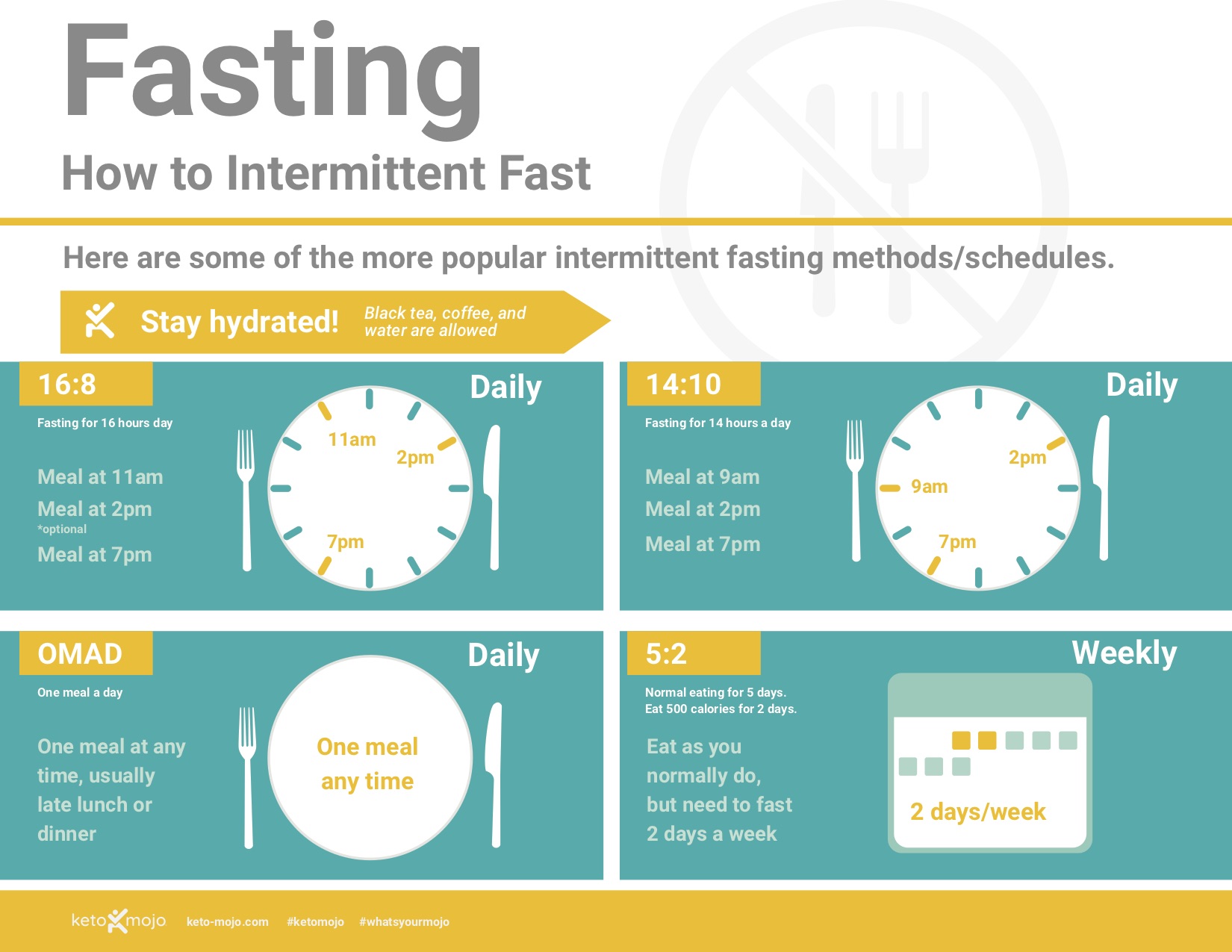
The infographic above explains the simple daily flow: drink water in the morning, eat balanced meals at your window, and sleep well. This schedule shows why the method feels easy.
Scientific Evidence: Can Intermittent Fasting help with weight loss?
Let’s look deeper at the numbers. A 2025 Harvard-linked review found intermittent fasting matches traditional diets for weight loss and heart health. Alternate-day fasting stood out as slightly stronger in short trials.
In people with type 2 diabetes, one 2026 study showed a 12-hour fasting plan plus calorie control helped drop weight more than calorie control alone (6.5% vs 4.4%). Blood sugar also improved.
Longer studies (12–24 months) show the weight stays off if you keep the habit. One review of 15 trials found results last as long as regular dieting.
But not every study agrees. Some 2026 reports say intermittent fasting is no better than “doing nothing” if people do not control portions during eating windows. The real power comes from pairing it with healthy food choices.
Can Intermittent Fasting help with weight loss? Evidence from 2025–2026 confirms it works for many adults, especially when combined with walking or strength training. Results vary from 1–2 kg in the first month to 10+ kg in six months for committed people.
Can Intermittent Fasting help with weight loss? Yes—real-world stories prove it. One man lost 65 pounds by simply skipping breakfast and eating within 8 hours. His before-and-after photos show a huge change in energy and confidence.
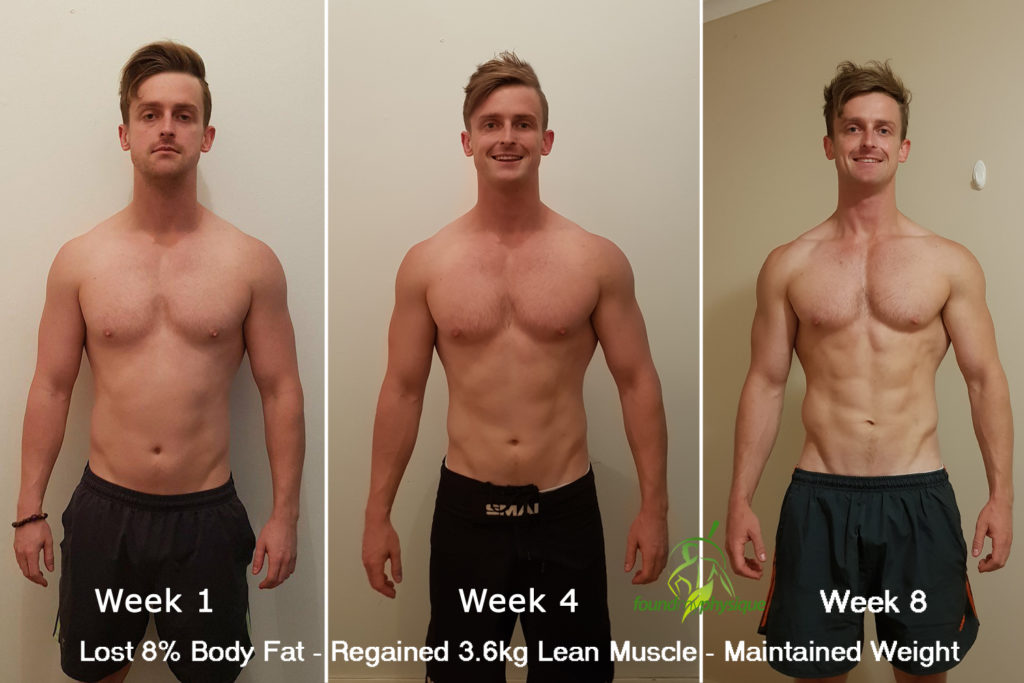
Look at this real 8-week transformation. The man on the right lost noticeable belly fat and gained muscle tone. Many people report similar changes.
Extra Benefits Beyond Weight Loss
Intermittent fasting does more than slim your waist. It can:
- Lower bad cholesterol and triglycerides
- Improve blood pressure
- Reduce inflammation
- Boost brain focus (many say they think more clearly after 14 days)
- Support better sleep when you stop late-night eating
Harvard researchers note it lowers oxidative stress, which helps fight aging and disease.
Can Intermittent Fasting help with weight loss? While the main goal is pounds lost, these side benefits make the lifestyle worth trying for overall health.
How to Start Intermittent Fasting Safely
Start slow. If you are new, try a 12-hour fast first (finish dinner by 7 p.m., breakfast at 7 a.m.). After one week, move to 14 hours, then 16.
Drink lots of water. Add black coffee or herbal tea in the morning to reduce hunger.
Choose nutrient-rich foods in your window: vegetables, lean protein, whole grains, and healthy fats. Avoid loading up on junk food just because the window is open.
Track your energy for the first two weeks. Most side effects fade after the body adjusts.
Can Intermittent Fasting help with weight loss? It will only help if you start gently and listen to your body.

This plate shows the perfect balance: half vegetables, quarter protein, quarter healthy carbs. Fill your plate like this every meal.
Easy Sample Meal Plans for 16/8
Eating window: 12 p.m. to 8 p.m.
Day 1 lunch (12 p.m.): Grilled chicken salad with lots of greens, avocado, and olive oil dressing. Afternoon snack (3 p.m.): Greek yogurt with berries and a handful of almonds. Dinner (7 p.m.): Baked salmon, quinoa, and steamed broccoli.
Day 2: Lunch: Vegetable stir-fry with tofu and brown rice. Snack: Apple with peanut butter. Dinner: Turkey stir-fry with mixed vegetables.
Repeat and change proteins and veggies so you never get bored. Total calories stay around 1,800–2,200 for most adults, creating the deficit needed for fat loss.
Can Intermittent Fasting help with weight loss? These simple meals keep you full and satisfied while the fasting hours do the fat-burning work.
Real Success Stories
Sarah, a busy mom in Delhi, lost 12 kg in four months with 16/8. She says, “I stopped midnight snacking and felt more energetic.” Her clothes fit better, and her doctor praised her blood sugar numbers.
Raj, a 45-year-old office worker, dropped 8 kg in 10 weeks with 5:2. On fasting day,s he ate only soup and salad. He kept the weight off for over a year.
These stories match the 2025–2026 da,ta where people who stay consistent see lasting results.
This happy woman shows the confidence that comes with successful weight loss. Many people feel the same after a few months.
Can Intermittent Fasting help with weight loss? Real people around the world say yes when they find a plan they can live with every day.
Potential Side Effects and How to Handle Them
Some people feel hungry, tired, or get headaches in the first 1–2 weeks. Others notice mood swings or constipation.
Drink extra water. Add a pinch of salt to the morning water if you feel light-headed. Eat more fiber-rich vegetables in your window.
If you feel very weak or dizzy, stop and eat something. Most side effects go away once your body adapts.
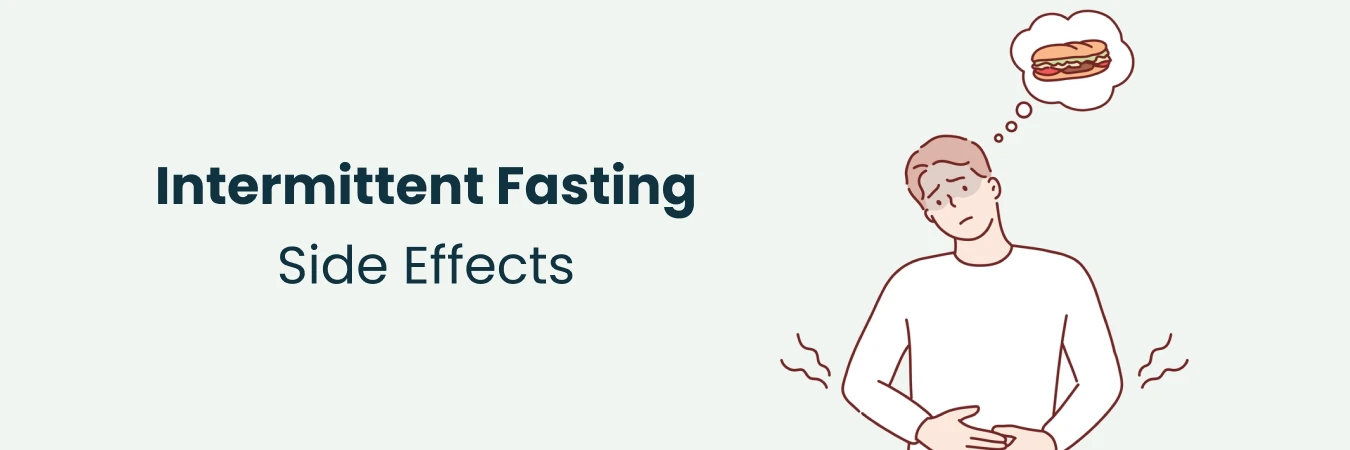
This illustration shows common hunger feelings. Remember, they usually pass quickly.
Can Intermittent Fasting help with weight loss? It can, but watch for side effects and ease in slowly.
Tips for Long-Term Success
- Pair fasting with daily walking—30 minutes burns extra calories.
- Lift weights twice a week to keep muscle while losing fat.
- Sleep 7–8 hours; poor sleep makes hunger hormones stronger.
- Track weight once a week, not daily.
- Celebrate non-scale wins like better-fitting clothes or more energy.
Can Intermittent Fasting help with weight loss? These habits turn short-term results into lifelong change.
Intermittent Fasting vs Traditional Dieting
Many wonder which works better. A 2025 network meta-analysis showed both give similar weight loss. Intermittent fasting feels easier for some because there is no constant calorie counting. Others prefer measuring food every day. Choose what fits your personality.

This comparison table from a major study shows how different fasting styles stack up against regular eating. Alternate-day fasting sometimes wins by a small margin.
Can Intermittent Fasting help with weight loss? It often matches or slightly beats other diets in real life because people stick with it longer.
Who Should Not Try Intermittent Fasting?
Pregnant or breastfeeding women, people with eating disorders, those with low blood sugar problems, or anyone with certain medications should talk to a doctor first. Teens and older adults with frailty also need extra care.
Can Intermittent Fasting help with weight loss? For healthy adults, yes. For others, a doctor’s green light is essential.
Putting It All Together
Intermittent fasting offers a flexible, no-fuss way to create a calorie deficit and improve health markers. Recent 2025–2026 science shows it works about as well as traditional diets for most people. Some lose more fat, especially around the middle. Success depends on choosing the right type, eating nutritious meals, staying active, and being patient.
Can Intermittent Fasting help with weight loss? The answer is yes for millions who have tried it. Start small, listen to your body, and celebrate every step.
Can Intermittent Fasting help with weight loss? Keep asking yourself this question every week to stay motivated.
Can Intermittent Fasting help with weight loss? With the right plan, the answer becomes a confident yes.
Can Intermittent Fasting help with weight loss? Science, stories, and simple steps all point in the same direction.
Can Intermittent Fasting help with weight loss? Many people in 2026 are still discovering how powerful this habit can be.
Can Intermittent Fasting help with weight loss? If you combine it with good sleep and movement, results often surprise you.
Can Intermittent Fasting help with weight loss? The clock becomes your friend when you use it wisely.
Can Intermittent Fasting help with weight loss? Real transformations happen when you make it part of your daily routine.
Can Intermittent Fasting help with weight loss? Beginners and long-time users both find new energy and smaller waists.
Can Intermittent Fasting help with weight loss? The evidence keeps growing, and so do the success stories.
Can Intermittent Fasting help with weight loss? Your journey starts with one meal shift today.
Can Intermittent Fasting help with weight loss? Yes—now you know how.
Disclaimer
This article is for information only and not medical advice. Intermittent fasting affects everyone differently. Always talk to your doctor or a registered dietitian before starting, especially if you have diabetes, heart problems, low blood pressure, are pregnant, breastfeeding, under 18, or take any medicine. Results are not guaranteed and depend on many personal factors. Stop immediately if you feel unwell and seek medical help.
FAQs
1. How much weight can I lose with intermittent fasting in one month? Most people lose 1–3 kg in the first month if they stay consistent. Some lose more, especially if they start witha higher weight.
2. Is 16/8 the best type for beginners? Yes, 16/8 is easiest for most people because it matches normal sleeping hours.
3. Can I drink coffee during fasting? Yes, black coffee or tea with zero calories is fine. Milk or sugar breaks the fast.
4. Will I lose muscle? Not if you eat enough protein in your window and do strength exercises. Many people keep or even gain muscle.
5. What if I feel too hungry? Start with shorter fasts and increase slowly. Hunger usually drops after 10–14 days.
6. Can women do intermittent fasting? Yes, but some women feel better with 14/10 instead of 16/8 because of hormone changes. Listen to your cycle.
7. Does intermittent fasting slow metabolism? Short-term studies show no big slowdown. Long fasts over 72 hours can affect it, but normal intermittent fasting does not.
8. How long should I try it before deciding? Give it at least 4–6 weeks. The body needs time to adjust.
9. Can kids or teenagers try it? No. Growing bodies need regular meals. Only adults should consider it.
10. Is intermittent fasting better than keto or low-carb? It depends on you. Some combine both for faster results. Intermittent fasting is simpler for many because it has fewer food rules.
References
- Garegnani LI et al. Intermittent fasting for adults with overweight or obesity. Cochrane Database Syst Rev. 2026.
- Semnani-Azad Z et al. Intermittent fasting strategies and their effects on body weight. BMJ. 2025.
- Harvard T.H. Chan School of Public Health. Intermittent fasting may be effective for weight loss. 2025.
- Abdel Fattah SM et al. The impact of intermittent fasting during weight reduction in type 2 diabetes. Eur J Clin Nutr. 2026.
- Mayo Clinic. Intermittent fasting: What are the benefits?
- Harvard Health. Should you try intermittent fasting for weight loss?
- Healthline. 9 Possible Side Effects of Intermittent Fasting.
- Additional 2025–2026 meta-analyses on PubMed and BMJ.
This complete guide gives you everything you need to decide and start safely. Remember, the best diet is the one you can follow happily for years. Can Intermittent Fasting help with weight loss? For many, the answer is a clear yes—when done with care and common sense. Start today and see what works for your body. Good luck!