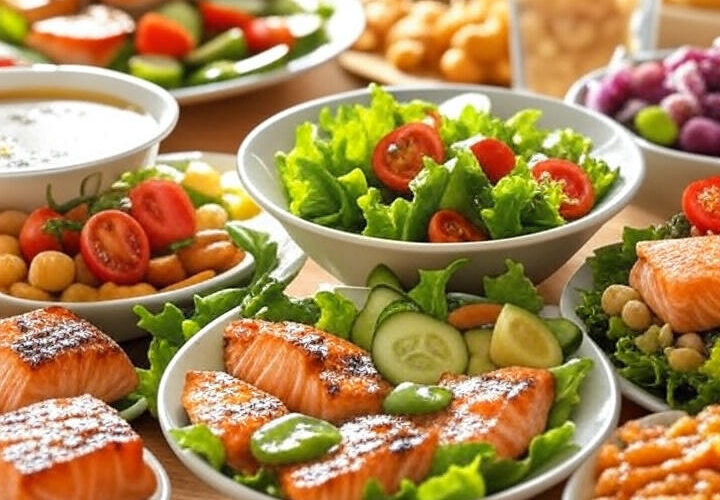
10 Natural Fat-Burning Foods You Already Have at Home
Key Points:
- Certain foods, like green tea, chili peppers, and avocados, may boost metabolism and support fat loss due to their thermogenic properties or nutrient content. (10 Natural Fat-Burning Foods You Already Have at Home)
- Incorporating these foods into a balanced diet can aid weight management, but results vary based on individual factors like lifestyle and genetics.
- Scientific studies suggest these foods may enhance fat burning, though no food alone causes significant weight loss without a calorie deficit.
- Always consult a healthcare professional before making major dietary changes, especially if you have health conditions.

What Are Fat-Burning Foods?
Fat-burning foods are nutrient-rich ingredients that may increase metabolism (10 Natural Fat-Burning Foods You Already Have at Home) improve satiety, or enhance fat oxidation. These foods often contain compounds like caffeine, capsaicin, or healthy fats that support energy expenditure or appetite control. While no single food will melt fat away, adding them to a healthy diet can support weight loss goals when paired with exercise and proper nutrition.
Why Focus on Natural Foods?
Natural, whole foods are minimally processed, packed with nutrients, and free from artificial additives. They’re often readily available in your kitchen, making them a convenient and cost-effective choice for supporting fat loss. Below, we explore 10 such foods, their benefits, and how to incorporate them into your daily meals.
10 Natural Fat-Burning Foods You Already Have at
Home
Incorporating fat-burning foods into your diet can be a simple yet effective way to support your weight loss journey. These foods are likely already in your pantry or fridge, making them accessible for anyone looking to boost metabolism and promote fat loss. Below, we dive into 10 natural fat-burning foods, backed by science, along with practical tips, success stories, and a disclaimer for safe use.
Green Tea

Why It Works: Green tea is rich in catechins, particularly epigallocatechin gallate (EGCG), which may enhance fat oxidation and boost metabolism. Studies suggest that green tea can increase calorie burning by up to 4% daily. Its caffeine content also stimulates the central nervous system, promoting energy expenditure.
How to Use It: Brew a cup of green tea (loose leaves or tea bags) and drink 2–3 cups daily. Avoid adding sugar to maximize benefits. Try it iced with a splash of lemon for a refreshing twist.
Success Story: Sarah, a 34-year-old teacher, replaced sugary sodas with green tea. Over six months, she lost 10 pounds by combining green tea with a balanced diet and daily walks. “I felt more energized, and my cravings for sweets dropped significantly,” she says.
Chili Peppers
Why It Works: Capsaicin, the compound responsible for the heat in chili peppers, has thermogenic properties that increase calorie burning. Research indicates capsaicin can boost metabolism by 5% and enhance fat oxidation. It may also reduce appetite, helping you eat less.
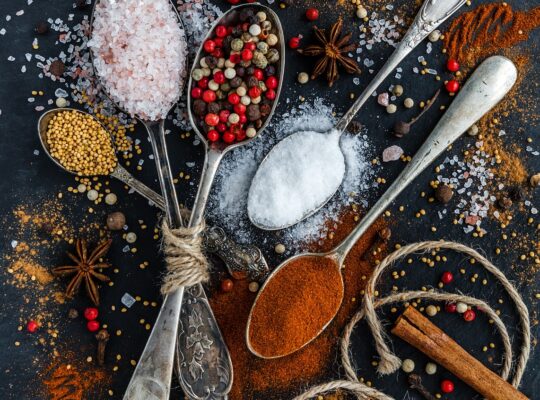
How to Use It: Add fresh or dried chili peppers to soups, stir-fries, or sauces. Start with small amounts if you’re sensitive to spice. Capsaicin supplements are an option, but consult a doctor first.
Success Story: Mark, a 42-year-old accountant, added chili flakes to his meals. Paired with portion control, he lost 15 pounds in four months. “The spice made meals more exciting, and I felt fuller longer,” he shares.
Avocados
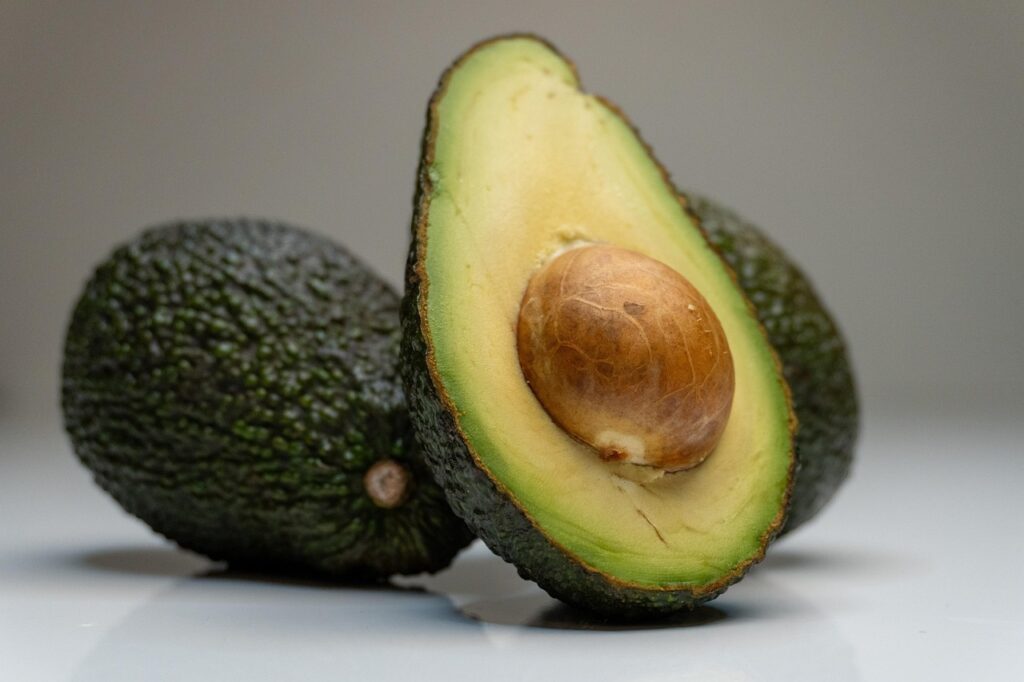
Why It Works: Avocados are packed with monounsaturated fats, which promote satiety and may reduce belly fat. They’re also high in fiber, aiding digestion and appetite control. A study inthe Nutrition Journal found that avocado consumers had lower body weight and waist circumference.
How to Use It: Spread avocado on whole-grain toast, add it to salads, or blend it into smoothies. Half an avocado per day is a good portion size.
Success Story: Emily, a 29-year-old graphic designer, swapped creamy dressings for avocado-based ones. She lost 8 pounds in three months and noticed better skin health. “It kept me full for hours,” she says.
Oats
Why It Works: Oats are rich in soluble fiber, particularly beta-glucan, which promotes fullness and stabilizes blood sugar levels. This reduces overeating and supports fat loss. A study in The Journal of Nutrition showed that high-fiber diets aid weight management.
How to Use It: Start your day with a bowl of oatmeal topped with berries or nuts. Choose steel-cut or rolled oats over instant varieties to avoid added sugars.
Success Story: James, a 50-year-old retiree, began eating oats for breakfast. Combined with regular exercise, he lost 12 pounds in five months. “I stopped snacking mid-morning because I wasn’t hungry,” he notes.
Greek Yogurt
Why It Works: Greek yogurt is high in protein, which increases satiety and supports muscle maintenance during weight loss. It also contains probiotics that may improve gut health, potentially aiding fat loss. Research in The American Journal of Clinical Nutrition links high-protein diets to greater fat loss.
How to Use It: Eat plain, unsweetened Greek yogurt with fruit or nuts as a snack or breakfast. Use it as a base for smoothies or salad dressings.
Success Story: Lisa, a 38-year-old nurse, added Greek yogurt to her diet. She lost 9 pounds in two months while feeling more satisfied between meals. “It’s my go-to snack now,” she says.
Apples
Why It Works: Apples are high in fiber and water, promoting fullness and reducing calorie intake. Pectin, a type of fiber in apples, may slow digestion and stabilize blood sugar. A study in Appetite found that eating apples before meals reduced overall calorie consumption.
How to Use It: Eat a whole apple as a snack or add sliced apples to salads or oatmeal. Aim for one apple per day.
Success Story: Rachel, a 31-year-old marketing manager, ate an apple before lunch daily. She lost 7 pounds in three months. “It curbed my appetite, so I ate smaller portions,” she explains.
Eggs
Why It Works: Eggs are a protein powerhouse, increasing satiety and supporting muscle maintenance. A study in The International Journal of Obesity found that egg-based breakfasts led to greater weight loss compared to carb-heavy meals.
How to Use It: Enjoy boiled, poached, or scrambled eggs for breakfast or as a snack. Aim for 1–2 eggs per serving, up to 5–7 per week, depending on dietary needs.
Success Story: Tom, a 45-year-old engineer, switched to egg-based breakfasts. He lost 14 pounds in four months. “I felt full until lunch and had more energy,” he says.
Salmon
Why It Works: Salmon is rich in omega-3 fatty acids, which may reduce inflammation and improve insulin sensitivity, supporting fat loss. Its high protein content also promotes satiety. A study in Nutrients linked omega-3 intake to reduced body fat.
How to Use It: Grill or bake salmon and pair it with vegetables for a balanced meal. Aim for two 3–4 oz servings per week.
Success Story: Anna, a 36-year-old writer, included salmon in her weekly meals. She lost 10 pounds in three months. “It was delicious and kept me satisfied,” she says.
Almonds
Why It Works: Almonds are high in healthy fats, protein, and fiber, which promote fullness. A study in The European Journal of Clinical Nutrition found that almonds reduced hunger and didn’t lead to weight gain when consumed in moderation.
How to Use It: Snack on a handful (about 1 oz or 23 almonds) daily or add them to salads and yogurt. Avoid salted or flavored varieties to keep it healthy.
Success Story: David, a 40-year-old salesman, replaced chips with almonds. He lost 8 pounds in two months. “They’re crunchy and satisfying,” he shares.
Coffee
Why It Works: Coffee’s caffeine content boosts metabolism and enhances fat oxidation. Research in The American Journal of Clinical Nutrition suggests that caffeine can increase energy expenditure by 3–5%.
How to Use It: Drink black coffee or with a splash of milk, avoiding sugary syrups. Limit to 2–3 cups daily to avoid side effects like jitters.
Success Story: Mia, a 27-year-old student, switched to black coffee from sugary lattes. She lost 6 pounds in two months. “It gave me energy for workouts,” she says.
How to Incorporate These Foods into Your Diet
To maximize the fat-burning potential of these foods, follow these tips:
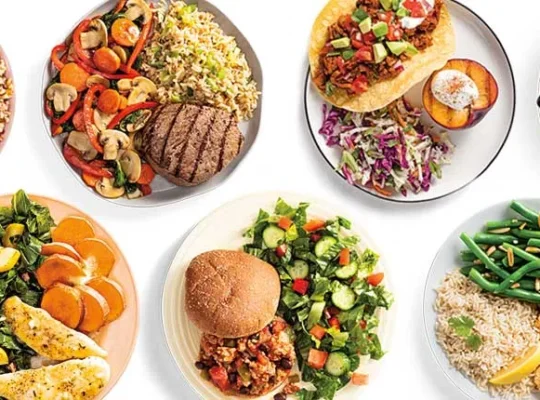
- Balance Your Plate: Combine these foods with vegetables, lean proteins, and whole grains for a nutrient-dense diet.
- Portion Control: Even healthy foods can lead to weight gain if overeaten. Stick to recommended serving sizes.
- Stay Consistent: Incorporate these foods daily or weekly for sustained results.
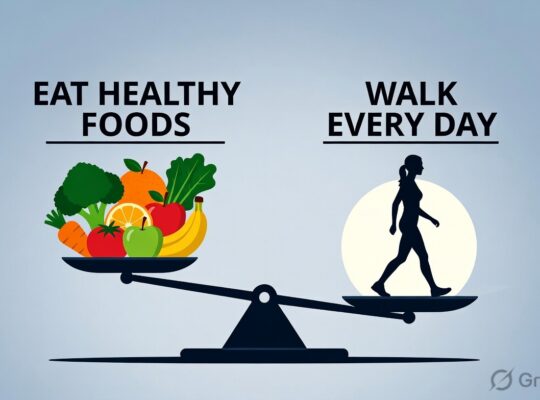
- Pair with Exercise: Regular physical activity, like walking or strength training, enhances fat loss.
- Stay Hydrated: Drink plenty of water to support metabolism and digestion.
The Science Behind Fat-Burning Foods
Fat-burning foods work through several mechanisms:
- Thermogenesis: Foods like chili peppers and green tea increase heat production, boosting calorie burn.
- Satiety: High-fiber and high-protein foods (e.g., oats, Greek yogurt) reduce hunger, helping you eat fewer calories.
- Metabolic Health: Omega-3s in salmon and monounsaturated fats in avocados improve insulin sensitivity, aiding fat loss.
- Blood Sugar Regulation: Fiber-rich foods like apples and oats stabilize blood sugar, reducing fat storage.
A 2018 meta-analysis in The Journal of Nutritional Biochemistry found that diets rich in these foods were associated with modest fat loss when combined with a calorie-controlled diet. However, results vary based on individual factors like age, activity level, and genetics.
Success Stories in Depth
- Sarah’s Journey with Green Tea
Sarah struggled with weight gain after a sedentary job took over her routine. She started drinking green tea instead of sugary drinks and paired it with daily 30-minute walks. Over six months, she lost 10 pounds and reported higher energy levels. “It was a small change that made a big difference,” she says. - Mark’s Spicy Transformation
Mark, a self-proclaimed foodie, added chili flakes to his meals to enhance flavor. He also reduced portion sizes and started jogging twice a week. In four months, he lost 15 pounds and felt more confident. “The spice made healthy eating fun,” he notes. - Emily’s Avocado Success
Emily replaced high-calorie dressings with avocado-based alternatives. She also began meal prepping to control portions. In three months, she lost 8 pounds and noticed improved digestion. “Avocados made my meals tastier and kept me full,” she shares.
Potential Risks and Considerations
While these foods are generally safe, consider the following:
- Allergies: Nuts like almonds can cause allergic reactions in some people.
- Moderation: Overconsuming coffee or chili peppers may cause jitters or digestive issues.
- Medical Conditions: Consult a doctor if you have conditions like acid reflux (chili peppers) or kidney issues (high-protein foods).
- Calorie Balance: These foods support fat loss only when part of a calorie-controlled diet.
Comparison Table of Fat-Burning Foods
| Food | Key Nutrient | Benefit | Serving Size | Calories per Serving |
| Green Tea | Catechins, Caffeine | Boosts metabolism | 1 cup (8 oz) | ~2 kcal |
| Chili Peppers | Capsaicin | Increases thermogenesis | 1 tsp dried | ~6 kcal |
| Avocados | Monounsaturated Fats | Promotes satiety | ½ avocado | ~120 kcal |
| Oats | Beta-Glucan Fiber | Stabilizes blood sugar | ½ cup dry | ~150 kcal |
| Greek Yogurt | Protein, Probiotics | Enhances fullness | ¾ cup plain | ~100 kcal |
| Apples | Pectin Fiber | Reduces appetite | 1 medium apple | ~95 kcal |
| Eggs | Protein | Supports muscle maintenance | 2 large eggs | ~140 kcal |
| Salmon | Omega-3 Fatty Acids | Improves insulin sensitivity | 3–4 oz cooked | ~200 kcal |
| Almonds | Healthy Fats, Fiber | Reduces hunger | 1 oz (23 almonds) | ~160 kcal |
| Coffee | Caffeine | Boosts energy expenditure | 1 cup (8 oz) black | ~2 kcal |
Tips for Long-Term Success
- Meal Planning: Plan meals to include these foods regularly. For example, start with oats and eggs for breakfast, an apple as a snack, and salmon with avocado for dinner.
- Track Progress: Use a food diary or app to monitor your intake and ensure you’re in a calorie deficit if weight loss is your goal.
- Lifestyle Factors: Prioritize sleep (7–9 hours) and stress management, as both impact metabolism and appetite.
- Variety: Rotate these foods to avoid dietary boredom and ensure a range of nutrients.
Conclusion
Incorporating these 10 natural fat-burning foods into your diet can support your weight loss goals by boosting metabolism, reducing hunger, and improving metabolic health. While they’re not magic solutions, they’re powerful allies when combined with a balanced diet and active lifestyle. Start small by adding one or two foods to your meals and build from there. Always consult a healthcare professional before making significant dietary changes.
Disclaimer:
The information in this article is for educational purposes only and is not a substitute for professional medical advice. Consult a doctor or dietitian before starting any weight loss plan, especially if you have health conditions or dietary restrictions. Individual results may vary, and no food guarantees fat loss without a calorie-controlled diet and exercise.
Key Citations:
- Hursel, R., et al. (2010). The effects of green tea on weight loss and weight maintenance: A meta-analysis. International Journal of Obesity. https://www.nature.com/articles/ijo2009135
- Dulloo, A. G., et al. (1999). Efficacy of capsaicin in weight management. The American Journal of Clinical Nutrition. https://pubmed.ncbi.nlm.nih.gov/10480442/
- Wien, M., et al. (2013). Avocado consumption and body weight. Nutrition Journal. https://nutritionj.biomedcentral.com/articles/10.1186/1475-2891-12-155
- Rebello, C. J., et al. (2014). Dietary fiber and satiety. The Journal of Nutrition. https://pubmed.ncbi.nlm.nih.gov/24646816/
- Leidy, H. J., et al. (2015). The role of protein in weight loss. The American Journal of Clinical Nutrition. https://pubmed.ncbi.nlm.nih.gov/25926512/
- Flood-Obbagy, J. E., & Rolls, B. J. (2009). The effect of fruit in different forms on energy intake. Appetite. https://pubmed.ncbi.nlm.nih.gov/19013189/
- Wien, M. A., et al. (2003). Eggs and weight loss. The International Journal of Obesity. https://pubmed.ncbi.nlm.nih.gov/12975637/
- Papanikolaou, Y., & Fulgoni, V. L. (2017). Omega-3 fatty acids and weight loss. Nutrients. https://pubmed.ncbi.nlm.nih.gov/28753974/
- Tan, S. Y., & Mattes, R. D. (2013). Almond consumption and appetite. The European Journal of Clinical Nutrition. https://pubmed.ncbi.nlm.nih.gov/23884309/
- Weinberg, B. A., & Bealer, B. K. (2001). Caffeine and metabolism. The American Journal of Clinical Nutrition. https://pubmed.ncbi.nlm.nih.gov/11157339/