

Common Mistakes to Avoid in Diabetes Self-Care
Diabetes self-care is a critical aspect of managing this chronic condition effectively. (Common Mistakes to Avoid in Diabetes Self-Care) With millions of people worldwide living with diabetes, understanding how to navigate daily routines can make a significant difference in preventing complications like heart disease, nerve damage, and vision problems.
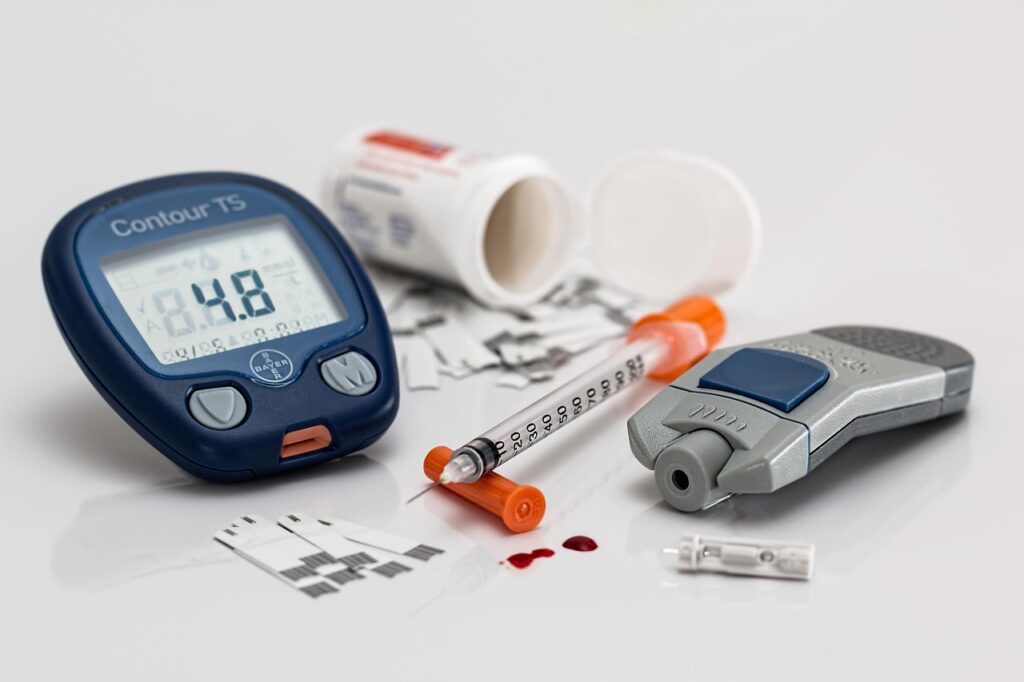
However, even the most diligent individuals can fall into common pitfalls that undermine their efforts. In this comprehensive guide, we’ll explore the most frequent diabetes self-care mistakes and provide practical tips on how to avoid them.
By focusing on avoiding errors in diabetes management, you can improve your blood sugar control, enhance your quality of life, and reduce the risk of long-term health issues.
Whether you’re newly diagnosed or have been managing diabetes for years, recognizing these common mistakes in diabetes self-care is essential. According to health experts, many people unintentionally sabotage their progress through habits that seem harmless but can lead to unstable blood glucose levels.
This article draws from reliable sources like WebMD and Mayo Clinic to highlight these issues, offering evidence-based advice to help you stay on track.
We’ll cover everything from medication mishaps to dietary blunders, exercise oversights, and more. Plus, we’ll share inspiring success stories from real individuals who turned their diabetes management around by steering clear of these traps. Remember, effective diabetes self-care isn’t about perfection; it’s about consistency and informed choices.
By the end of this read, you’ll be equipped with the knowledge to sidestep these diabetes pitfalls and embrace a healthier lifestyle. Let’s dive in and empower you to take control of your diabetes journey.
Understanding the Importance of Diabetes Self-Care
Before we delve into specific mistakes (Common Mistakes to Avoid in Diabetes Self-Care), it’s worth emphasizing why diabetes self-care matters so much. Diabetes, whether type 1 or type 2, requires ongoing attention to blood sugar levels, diet, physical activity, and medication adherence.
Poor self-care can lead to hyperglycemia (high blood sugar) or hypoglycemia (low blood sugar), both of which pose serious risks. For instance, uncontrolled diabetes increases the chances of cardiovascular problems, kidney failure, and foot ulcers.
A key keyword in this context is “diabetes management errors,” which often stem from misinformation or oversight. Health organizations like the American Diabetes Association stress that education is the cornerstone of successful self-care. Yet, many people make avoidable mistakes due to busy lifestyles, lack of awareness, or conflicting advice. Avoiding these common mistakes in diabetes self-care can lead to better A1C levels, a measure of average blood sugar over two to three months, and fewer hospital visits.
Statistics show that proper self-management can reduce diabetes-related complications by up to 50%. This underscores the need for proactive steps. In the sections below, we’ll break down the top mistakes, explain why they happen, and offer strategies to prevent them. Incorporating these tips into your routine can transform your approach to diabetes self-care.
Mistake 1: Skipping Regular Blood Sugar Monitoring
One of the most prevalent diabetes self-care mistakes is neglecting to check blood sugar levels consistently. Many people assume that if they feel fine, their glucose is under control, but this couldn’t be further from the truth. Blood sugar fluctuations can occur without noticeable symptoms, leading to silent damage over time.
Why does this happen? Life gets hectic—work, family, and daily chores can make monitoring seem like an extra burden. Some avoid it due to the discomfort of finger pricks or the cost of supplies. However, irregular checks mean missing patterns that could indicate the need for adjustments in diet, exercise, or medication.
To avoid this pitfall in diabetes management, set a schedule: check fasting levels in the morning, before and after meals, and at bedtime. Use continuous glucose monitors (CGMs) if possible for real-time data without constant pricking. Apps and devices can send reminders, making it easier to stay on top of things. Regular monitoring helps identify triggers like stress or certain foods, allowing for timely interventions.
Experts recommend aiming for blood sugar targets set by your doctor, typically 80-130 mg/dL before meals and under 180 mg/dL after. By prioritizing this, you can prevent complications and maintain energy levels throughout the day. Consistent monitoring is a foundational step in effective diabetes self-care.
Mistake 2: Taking Medication Incorrectly or Skipping Doses
Medication adherence is crucial, yet it’s a common area where errors creep in. Whether it’s forgetting a dose, taking it at the wrong time, or improper storage, these mistakes can destabilize blood sugar and lead to emergencies.
Common reasons include forgetfulness, side effects like nausea from metformin, or believing you don’t need meds on “good” days. Insulin users might miscalculate doses or use expired vials. Storing insulin improperly—too hot or cold—reduces its effectiveness, as noted in health guidelines.
Avoid this by using pill organizers, setting alarms, or linking doses to meals. Discuss side effects with your doctor for alternatives. For insulin, mark vials clearly to distinguish types and store them in the fridge door, not the freezer. Regular check-ins with a pharmacist can clarify instructions.
Proper medication management prevents spikes and dips, reducing risks like diabetic ketoacidosis. It’s a simple yet powerful way to enhance diabetes self-care.
Mistake 3: Ignoring Dietary Pitfalls Like Hidden Carbs and
Sugary Drinks
Diet plays a starring role in diabetes management, but many fall into traps like underestimating carbs or choosing the wrong beverages. Thinking “just a little” sugar won’t hurt, or ignoring labels leads to unexpected blood sugar surges.
For example, fruit juices or sodas seem healthy but are loaded with sugar. Even “low-fat” products might compensate with extra carbs. Overlooking portion sizes or glycemic index (GI)—how quickly foods raise blood sugar—compounds the issue.
To steer clear, read labels meticulously and opt for water, unsweetened tea, or infused drinks. Focus on low-GI foods like vegetables, whole grains, and lean proteins. Meal prepping helps control portions, and tools like carb-counting apps provide guidance.
A balanced plate method—half veggies, quarter protein, quarter carbs—simplifies choices. Avoiding these dietary mistakes in diabetes self-care promotes steady energy and weight management.
Mistake 4: Overlooking the Role of Physical Activity
Exercise is a powerhouse for diabetes control, yet inconsistency or overdoing it is a frequent error. Some skip it altogether, fearing hypoglycemia, while others push too hard without monitoring.
Sedentary lifestyles worsen insulin resistance, especially in type 2 diabetes. On the flip side, intense workouts without carb adjustments can cause lows.
Aim for 150 minutes of moderate activity weekly, like walking or swimming. Start slow, monitor blood sugar before and after, and carry fast-acting carbs. Strength training twice a week builds muscle, improving glucose uptake.
Incorporating movement into daily life—parking farther or taking stairs—makes it sustainable. This avoids exercise-related pitfalls in diabetes management.
Mistake 5: Neglecting Stress Management and Sleep
Stress and poor sleep are silent saboteurs in diabetes self-care. Chronic stress raises cortisol, spiking blood sugar, while inadequate sleep disrupts insulin sensitivity.
Many dismiss these as unrelated, but research links them directly to poorer control. Busy schedules or anxiety about diabetes itself exacerbate the cycle.
Combat this with mindfulness, yoga, or deep breathing. Aim for 7-9 hours of sleep nightly; establish routines like dimming lights early. Journaling or therapy can address emotional stress.
Better stress and sleep management lead to more stable glucose levels and overall well-being.
Mistake 6: Skipping Routine Medical Checkups and
Screenings
Regular doctor visits are non-negotiable, yet many delay them, thinking self-monitoring suffices. This misses early detection of complications like retinopathy or neuropathy.
Procrastination often stems from fear of bad news or time constraints. However, annual eye exams, foot checks, and blood tests are vital.
Schedule appointments proactively and prepare questions. Build a support team including endocrinologists and dietitians.
Staying vigilant with checkups prevents severe issues, reinforcing strong diabetes self-care.
Mistake 7: Not Tracking or Logging Progress
Failing to log blood sugar, meals, and activities means losing valuable insights. Without records, spotting trends or sharing data with doctors becomes impossible.
This mistake occurs due to perceived hassle or forgetting. Yet, patterns like post-meal spikes reveal needed changes.
Use apps or journals for easy tracking. Review weekly to adjust habits.
Logging empowers informed decisions, avoiding guesswork in diabetes management.
Mistake 8: Ignoring Foot Care and Skin Health
Diabetes affects circulation and nerves, making foot issues common. Neglecting daily checks leads to ulcers or infections.
Many overlook this until problems arise, but prevention is key.
Inspect feet daily, wear proper shoes, and moisturize. See a podiatrist regularly.
Prioritizing foot care prevents amputations and maintains mobility.
Mistake 9: Over-Reliance on Supplements Without
Guidance
Supplements like cinnamon or chromium tempt many, but using them without advice can interact with meds or provide false security.
Consult doctors before starting; focus on proven lifestyle changes.
This avoids ineffective or harmful additions to diabetes self-care.
Mistake 10: Not Building a Support System
Managing diabetes alone is tough; isolation leads to burnout.
Seek support from family, groups, or online communities.
Sharing experiences reduces stress and provides tips.
Mistake 11: Misunderstanding Alcohol’s Impact
Alcohol can cause unpredictable blood sugar changes; moderation is key.
Track effects and eat when drinking to avoid lows.
Mistake 12: Trying to Change Everything at Once
Overwhelm from massive overhauls leads to failure.
Start small, like one habit weekly, for sustainable progress.
Success Stories: Real-Life Triumphs in Diabetes
Management
Hearing from others who have overcome diabetes self-care mistakes can be incredibly motivating. Here are three inspiring stories based on real experiences shared by individuals.
Story 1: Roger’s Journey to Stability
Roger, a 55-year-old from New Jersey, was diagnosed with type 2 diabetes in 2019. Initially, he skipped blood sugar checks and ignored dietary advice, leading to frequent highs and fatigue. A wake-up call came during a hospital visit for complications. Roger committed to daily monitoring and carb tracking, joining a support group for accountability. Within six months, his A1C dropped from 9.5% to 6.8%. Today, he runs marathons and advocates for diabetes education, proving that avoiding monitoring mistakes can reclaim vitality.
Story 2: Bruno’s Family-Inspired Turnaround
Bruno Graizzaro, diagnosed at 50 with type 2 diabetes, watched his family suffer complications. He initially neglected exercise and meds, but after educating himself, he adopted walking routines and proper insulin storage. Losing 30 pounds and stabilizing his blood sugar, Bruno now enjoys family activities without fear. His story highlights how learning from past pitfalls transforms diabetes management.
Story 3: Maggie’s Professional Edge
As a healthcare worker with type 2 diabetes, Maggie faced irony in her struggles. She overate carbs and skipped logs until working with a diabetes educator. Tailoring nutrition and fitness goals, she achieved consistent control. Maggie’s success shows that professional guidance helps avoid common errors, leading to a fulfilling life.
These stories illustrate that with persistence, anyone can overcome diabetes self-care mistakes.
Disclaimer
This article is for informational purposes only and is not intended as medical advice. Diabetes management is highly individual, and what works for one person may not suit another. Always consult your healthcare provider before making changes to your diet, exercise, medication, or monitoring routine. The authors and publishers disclaim any liability for actions taken based on this content.





[…] Diabetes is a chronic condition affecting millions worldwide, (10 Daily Habits to Manage Diabetes Naturally), but managing diabetes naturally through lifestyle changes can significantly improve blood sugar control and overall health. Whether you’re dealing with type 2 diabetes or prediabetes, incorporating daily habits to manage diabetes naturally can help reduce reliance on medications, prevent complications, and enhance quality of life. […]