Family Fitness Challenges to Combat Juvenile Diabetes
Family fitness challenges to combat juvenile diabetes can be a great way for everyone in the home to get moving and support each other. Juvenile diabetes, also known as type 1 diabetes, affects many kids and teens. It happens when the body can’t make enough insulin, a hormone that helps turn food into energy. Without enough insulin, blood sugar levels can get too high, leading to health problems. But the good news is that staying active as a family can help manage this condition and make life more fun.
In this article, we’ll discuss why family fitness challenges to combat juvenile diabetes are beneficial. We’ll explain what juvenile diabetes is in simple terms, share easy ideas for challenges, and give tips on eating right and tracking progress. Whether you’re a parent, sibling, or caregiver, getting involved in family fitness challenges to combat juvenile diabetes can build stronger bonds and healthier habits. Let’s dive in and see how you can start today!

Understanding Juvenile Diabetes
Juvenile diabetes is a condition where the body’s immune system attacks the cells in the pancreas that make insulin. This usually starts in children or young adults, but it can happen at any age. Without insulin, sugar from food stays in the blood rather than entering cells for energy. This leads to high blood sugar, which can cause tiredness, thirst, frequent trips to the bathroom, and other issues.
Common signs of juvenile diabetes include feeling very thirsty, peeing a lot, losing weight without trying, feeling hungry all the time, and being very tired. If not managed, it can lead to serious problems like diabetic ketoacidosis, which is a medical emergency. Doctors diagnose it with blood tests and treat it with insulin shots or pumps, along with watching what you eat and staying active.
Family fitness challenges to combat juvenile diabetes play a big role because exercise helps the body use insulin better. It can lower blood sugar levels and improve overall health. For kids with juvenile diabetes, regular activity can make them feel stronger and more in control. Parents should work with doctors to adjust insulin doses around exercise times to avoid low blood sugar.
According to experts, juvenile diabetes is autoimmune, meaning the body mistakes its own cells for enemies. Genetics and things like viruses might trigger it, but it’s not caused by eating too much sugar. Managing it involves daily checks of blood sugar, healthy meals, and movement. That’s where family fitness challenges to combat juvenile diabetes come in – they make exercise a team effort.

Benefits of Family Fitness Challenges to Combat Juvenile Diabetes
Joining family fitness challenges to combat juvenile diabetes offers many perks for everyone. For kids with the condition, exercise can help control blood sugar by making the body more sensitive to insulin. This means less insulin might be needed, and blood sugar stays steadier. Studies show that regular activity lowers the risk of heart problems later in life, which is important since diabetes can affect the heart.
Physical activity also builds strong muscles and bones, helps with weight control, and boosts energy. For children, it improves mood and sleep, reducing stress that can mess with blood sugar. Family fitness challenges to combat juvenile diabetes make this fun, so kids don’t see it as a chore. Instead, it’s playtime with mom, dad, or siblings.
For the whole family, these challenges create bonding time. You laugh together during games or walks, strengthening relationships. Parents model healthy habits, teaching kids that staying active is normal. Even without diabetes, everyone benefits from better fitness, lower stress, and happier days. Guidelines recommend at least 60 minutes of activity a day for kids, including aerobic stuff like running and strength-building activities like climbing.
Family fitness challenges to combat juvenile diabetes can include simple things like dancing or biking. They help prevent lows or highs in blood sugar when planned right. Overall, they promote a positive outlook on managing diabetes as a family unit.
Getting Started with Family Fitness Challenges to Combat Juvenile Diabetes
Starting family fitness challenges to combat juvenile diabetes is easy if you plan. First, talk to your child’s doctor about safe activities. They can guide on adjusting insulin or carbs around exercise. Get everyone excited by setting goals together, like “We’ll walk every evening” or “Try a new game each week.”
Choose activities that fit your family’s likes and ages. For little kids, keep it short and fun; for teens, add competition. Track progress with a chart or app to see improvements. Reward efforts with non-food treats, like a movie night.
Safety is key in family fitness challenges to combat juvenile diabetes. Always have fast-acting carbs handy for low blood sugar, like juice or glucose tabs. Check blood sugar before, during, and after activity. Start slow to build stamina and avoid injury.
Make it a routine by scheduling times, like after dinner or weekends. Involve everyone so no one feels left out. With patience, family fitness challenges to combat juvenile diabetes become a natural part of life.
Here are some exciting ideas for family fitness challenges to combat juvenile diabetes. These are simple, need little gear, and can be done indoors or out.
- Daily Walk or Hike Challenge: Set a goal to walk or hike a certain distance each day. Start with 20 minutes and build up. Make it fun by counting animals or collecting leaves. This aerobic activity helps lower blood sugar steadily.

- Dance Party Challenge: Turn on music and dance for 15-30 minutes. Everyone picks songs. It’s great for cardio and laughs. Dancing in family fitness challenges to combat juvenile diabetes burns energy and lifts spirits.
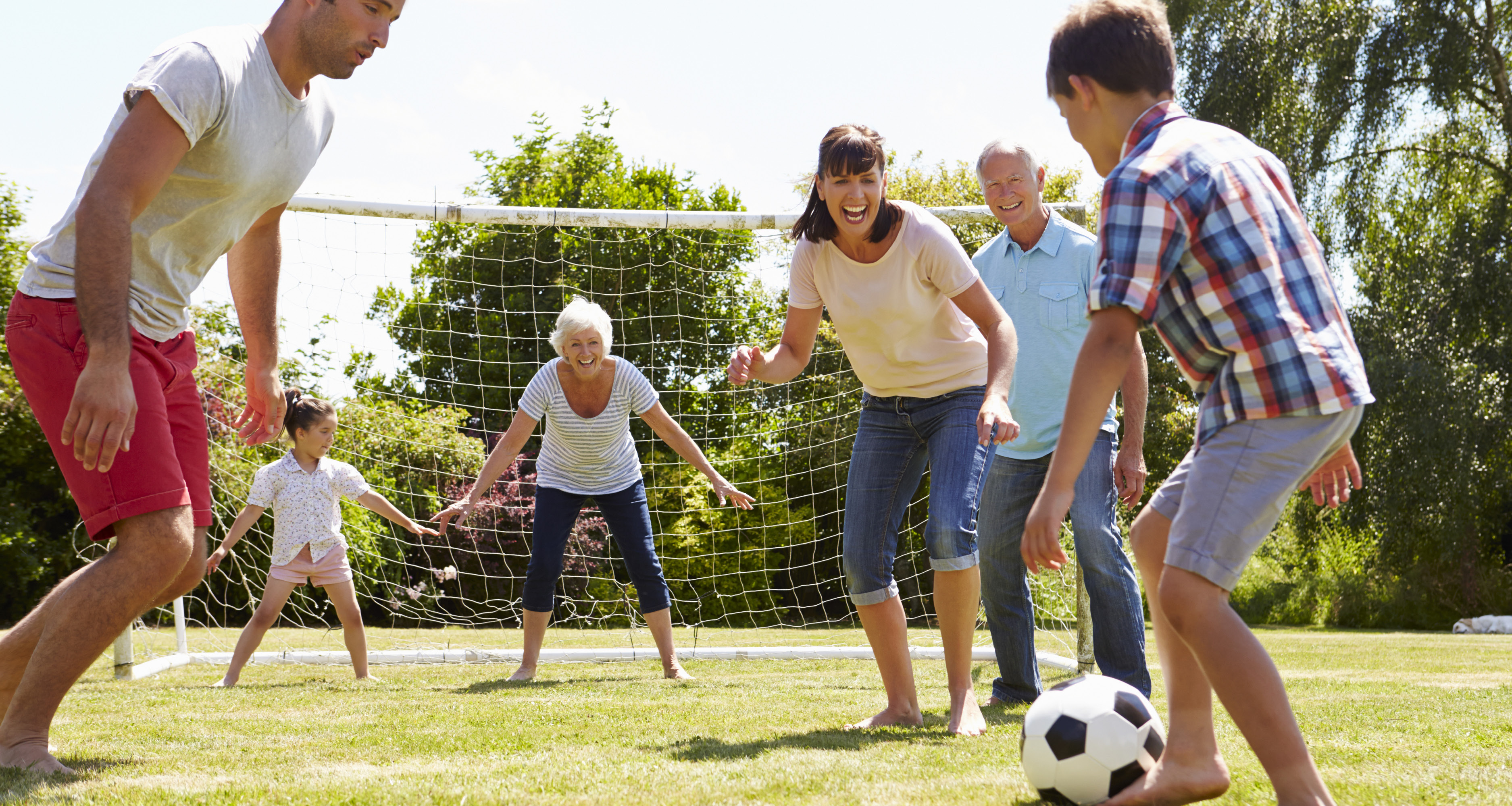
- Sports Day Challenge: Play soccer, basketball, or tag in the yard. Divide into teams for friendly competition. Sports build teamwork and strength, key to managing juvenile diabetes.
- Yoga or Stretching Challenge: Follow online videos for kid-friendly yoga. Poses like tree or downward dog improve flexibility and calm the mind. Yoga in family fitness challenges to combat juvenile diabetes aids balance and reduces stress.

- Obstacle Course Challenge: Set up a course with pillows, cones, or chairs. Time each other running through. It boosts agility and is adaptable for all ages.
- Bike Ride Challenge: Go for family bike rides on safe paths. Aim for longer distances over time. Cycling is excellent for heart health in family fitness challenges to combat juvenile diabetes.
- Jump Rope or Hopscotch Challenge: Jump rope or draw hopscotch with chalk. Count jumps or create patterns. These build coordination and are quick energy burners.
- Strength Building Challenge: Do push-ups, squats, or planks together. Start with 10 reps and increase. Strength exercises help with insulin use.
- Scavenger Hunt Challenge: Hide items around the house or park and race to find them. It combines movement with problem-solving.
- Swimming or Water Games Challenge: If you have access to a pool, swim laps or play games like Marco Polo. Water activities are gentle on joints.
These ideas make family fitness challenges to combat juvenile diabetes enjoyable. Mix them up to keep things fresh.
Incorporating Nutrition in Family Fitness Challenges to Combat Juvenile Diabetes
Nutrition goes hand-in-hand with family fitness challenges to combat juvenile diabetes. Eating right helps control blood sugar and fuels activity. Focus on balanced meals with carbs, proteins, and fats.
Carbs affect blood sugar most, so choose whole grains, fruits, and veggies over sugary treats. For example, have oatmeal with berries for breakfast instead of sugary cereal. Proteins like chicken, eggs, or beans help steady blood sugar. Include healthy fats from nuts or avocados.
In family fitness challenges to combat juvenile diabetes, plan snacks before exercise, like an apple with peanut butter. This prevents lows. Use the plate method: half veggies, quarter protein, quarter carbs.
Tips: Eat regular meals, count carbs for insulin dosing, and try new recipes together. Hydrate with water, not soda. On special days, adjust for treats but balance with activity.
Healthy eating supports the goals of family fitness challenges to combat juvenile diabetes, making management easier.

Monitoring Progress in Family Fitness Challenges to Combat Juvenile Diabetes
Tracking is important in family fitness challenges to combat juvenile diabetes. Use apps or journals to log activities, blood sugar, and feelings. Check blood sugar often to see how exercise affects it.
Set milestones, like completing a week of challenges, and celebrate. Adjust plans if needed, like shortening sessions if tired. Doctors can review data for advice.
Monitoring keeps everyone motivated and safe in family fitness challenges to combat juvenile diabetes.

Success Stories from Family Fitness Challenges to Combat Juvenile Diabetes
Many families have thrived with family fitness challenges to combat juvenile diabetes. Take the Smith family: Their 10-year-old with juvenile diabetes started daily walks. Blood sugar improved, and they bonded over talks. Now, they hike on weekends.
Another story: The Lees did dance challenges. Their teen felt less stressed, and A1C dropped. They say family support made the difference.
Disclaimer
This article is for informational purposes only and is not intended as medical advice. Always consult with a healthcare professional, such as a doctor or registered dietitian, before starting any new fitness or nutrition program, especially if your child has juvenile diabetes or any other health condition. Family fitness challenges to combat juvenile diabetes should be tailored to individual needs and monitored closely to ensure safety.
FAQ
What is juvenile diabetes? Juvenile diabetes, or type 1 diabetes, is when the body doesn’t make insulin. It needs daily management with insulin, food, and activity.
How do family fitness challenges help combat juvenile diabetes? They improve insulin sensitivity, control blood sugar, and boost overall health. Plus, they’re fun for the family.
Are there safe exercises for kids with juvenile diabetes? Yes, like walking, swimming, or yoga. Always check blood sugar and consult a doctor.
What foods should we eat during these challenges? Balanced meals with veggies, proteins, and whole grains. Limit sugars and count carbs.
How often should we do family fitness challenges? Aim for 60 minutes a day, but start slow and build up.
Can siblings without diabetes join? Absolutely! It benefits everyone and builds team spirit.
What if blood sugar drops during exercise? Have quick carbs ready and stop to check levels.
How to make challenges fun for young kids? Use games, music, and rewards to keep them engaged.
References
-
- Mayo Clinic: Type 1 diabetes in children – Symptoms and causes
- Cleveland Clinic: Type 1 Diabetes: What It Is, Causes, Symptoms & Treatment
- CDC: Type 1 Diabetes
- Johns Hopkins Medicine: Type 1 Diabetes in Children
- NCBI: Type 1 Diabetes in Children
- Breakthrough T1D: Type 1 Diabetes – Diagnosis, Symptoms, Causes, and Treatment
- American Diabetes Association: Understanding Type 1 Diabetes
- HealthyChildren.org: Type 1 Diabetes: Causes, Symptoms, Diagnosis & Treatment
- CHOP: Type 1 Diabetes
- PMC: Physical Activity Management for Youth With Type 1 Diabetes
- UC Davis: Type I diabetes: nutrition and exercise
- KidsHealth: How Being Active Helps Kids With Type 1 Diabetes
- ADA: Exercise & Type 1
- Nationwide Children’s: Diabetes and Exercise
- ScienceDirect: Benefits of physical activity in children and adolescents with type 1 diabetes
- UPMC: How Exercise Benefits Kids With Diabetes
- Beyond Type 1: Your Child Can Exercise Safely with T1D
- Dartmouth Health: Nutrition and Meal Planning
- KidsHealth: Healthy Eating for Children With Diabetes
- NovoCare: Type 1 Diabetes Meal Planning for Children
- UF Diabetes Institute: Type 1 Diabetes Nutrition
- My Health Alberta: Nutrition Tips for Diabetes in Children
- Children’s Diabetes Foundation: Food & Diet
- Diatribe: Children With Diabetes: Diet and Lifestyle Tips for Weight Management
- BSW Health: Is there such a thing as a Type 1 diabetes diet?
- Youth Sport Trust: 60 Second Physical Activity Challenges
- 24Life: Workout Challenges for the Whole Family
- Action for Healthy Kids: Get Family Fit: Family Activity Points
- American Coaching Academy: FitKids 30 Day Challenges
- NHS: Activities for kids
- Nationwide Children’s: Making Family Fitness Fun
- Family Fun Twin Cities: 50+ Fun Physical Activities for Kids of All Ages
- SHAPE America: 101 Tips for Family Fitness Fun