Mastering Low Blood Sugar Management.
Low blood sugar, also known as hypoglycemia, can happen suddenly and leave you feeling weak, confused, or even in danger. Millions of people around the world, especially those with diabetes, face this issue every day. Knowing the early warnings and simple steps to fix it can make a big difference in your daily life. In this detailed guide, we explore everything you need to stay safe and in control. How to Handle Hypoglycemia: Signs and Quick Fixes is a key topic that everyone at risk should understand well. How to Handle Hypoglycemia: Signs and Quick Fixes helps you act fast before problems get worse. How to Handle Hypoglycemia: Signs and Quick Fixes can save lives when applied correctly at home or on the go.

Many people do not realize how common hypoglycemia is until they experience it themselves. Whether you manage diabetes with insulin or other medicines, or you have other health factors, learning the basics is essential. This article breaks down the topic into simple, easy-to-follow parts using everyday language. We cover what happens in your body, the clear signs to watch for, fast ways to bring your sugar back up, and long-term tips to prevent it. By the end, you will feel more confident. How to Handle Hypoglycemia: Signs and Quick Fixes becomes second nature once you practice the steps regularly.
What Is Hypoglycemia and Why Does It Matter?
Hypoglycemia occurs when your blood sugar level drops too low. For most people with diabetes, this means below 70 mg/dL. For others, it can be even lower, around 55 mg/dL. Your brain and body need glucose, a type of sugar, for energy. When levels fall, everything slows down. You may feel tired, shaky, or unable to think clearly. How to Handle Hypoglycemia: Signs and Quick Fixes starts with knowing this basic fact.
In simple terms, your body usually keeps blood sugar steady through hormones like insulin and glucagon. Insulin lowers sugar after meals, while glucagon raises it when needed. But medicines, skipped meals, or extra exercise can throw this balance off. How to Handle Hypoglycemia: Signs and Quick Fixes becomes very important here because untreated low sugar can lead to confusion, seizures, or loss of consciousness. Children, older adults, and pregnant women face higher risks, too.
Non-diabetic hypoglycemia is less common but still happens. It can come from certain stomach surgeries, heavy alcohol use without food, or rare medical conditions. No matter the cause, the signs and quick fixes stay mostly the same. Understanding this helps you or your loved ones react fast. How to Handle Hypoglycemia: Signs and Quick Fixes applies to both diabetic and non-diabetic cases in daily routines.
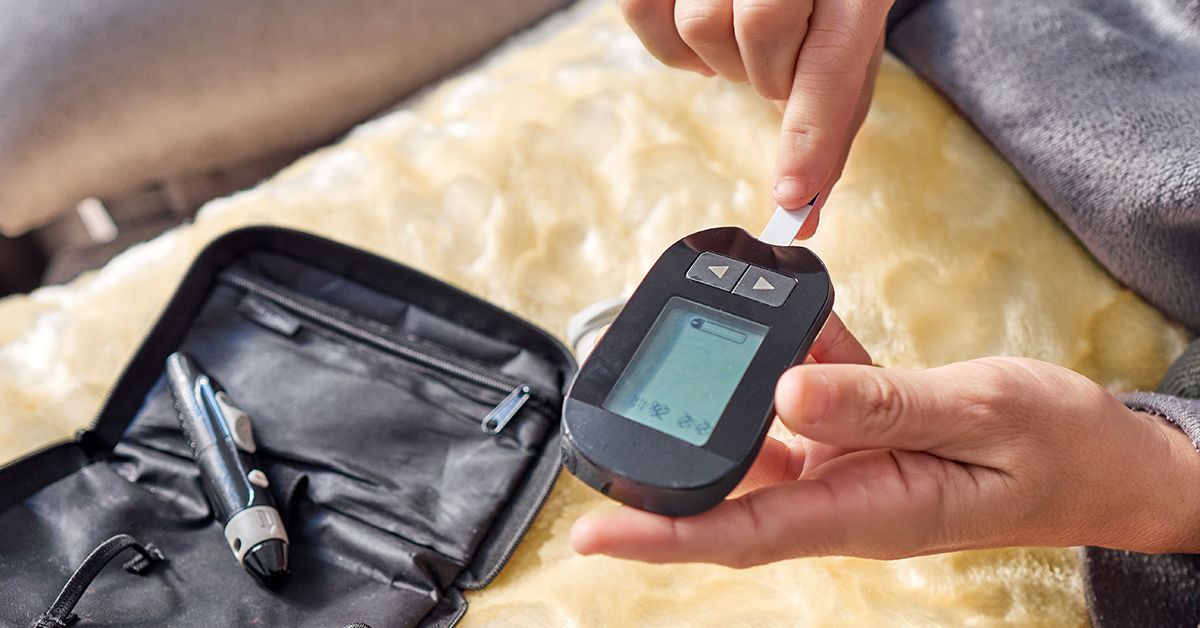
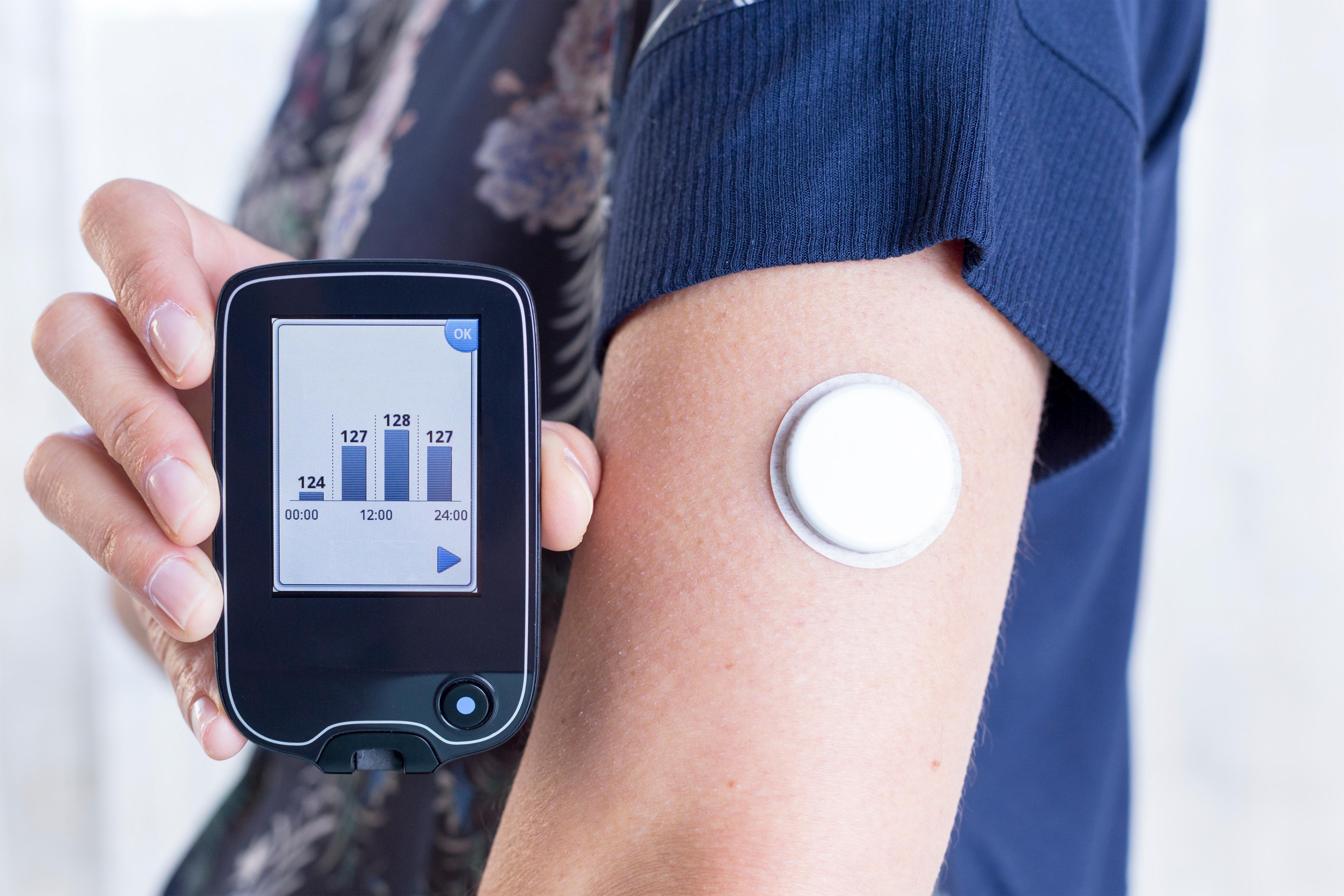
Blood sugar testing is your best friend. A simple meter at home gives instant results. Many people now use continuous glucose monitors, or CGMs, that alert you before levels drop too far. These tools make handling episodes easier and give peace of mind. How to Handle Hypoglycemia: Signs and Quick Fixes works best when you check levels often and keep records.
Recognizing the Common Signs and Symptoms Early
Spotting hypoglycemia early can prevent big problems. Symptoms usually start mild but can become serious fast. Mild signs include shakiness, sweating, hunger, fast heartbeat, anxiety, and pale skin. You might feel dizzy, weak, or have a headache. Some people get irritable or cry easily without reason. How to Handle Hypoglycemia: Signs and Quick Fixes relies on noticing these clues right away.
As levels drop lower, symptoms get worse. You may feel confused, have trouble speaking, or see blurry vision. Severe cases bring seizures, passing out, or coma. Nighttime hypoglycemia is sneaky because you sleep through early warnings. You might wake up with night sweats, bad dreams, or a headache the next morning. How to Handle Hypoglycemia: Signs and Quick Fixes includes learning your personal pattern so you catch it sooner.
Everyone’s symptoms differ slightly. Some feel them at 80 mg/d, L while others notice only below 60. This is called hypoglycemia unawareness and is more common after many years of diabetes or tight control. If you have this, you need extra careful monitoring. How to Handle Hypoglycemia: Signs and Quick Fixes teaches you to test often instead of waiting for feelings.
Friends and family play a big role, too. Teach them the signs so they can help if you cannot speak. A simple card in your wallet that says “I may have low blood sugar” can be lifesaving. How to Handle Hypoglycemia: Signs and Quick Fixes is a team effort at home, work, or school.
Causes That Lead to Low Blood Sugar Episodes
Several things can trigger hypoglycemia. For people with diabetes, too much insulin or other blood sugar medicines is the top cause. Skipping or delaying a meal, eating less carbs than planned, or exercising harder than usual without adjusting snacks also increases risk. Alcohol is another big factor because it blocks the liver from releasing stored sugar. How to Handle Hypoglycemia: Signs and Quick Fixes begins by identifying your personal triggers.
In non-diabetics, reactive hypoglycemia can occur a few hours after a big carb-heavy meal. Certain medicines, infections, or hormone problems can play a part too. Pregnancy, kidney disease, or liver issues change how the body handles sugar. How to Handle Hypoglycemia: Signs and Quick Fixes helps you understand these differences so you can talk better with your doctor.
Stress, heat, or travel can also affect levels. Jet lag or new time zones mess with meal schedules. How to Handle Hypoglycemia: Signs and Quick Fixes means planning for changes in routine.
Step-by-Step Quick Fixes That Work Fast
When you notice signs, act immediately. The most popular method is called the 15-15 rule. Eat or drink 15 grams of fast-acting carbohydrates, wait 15 minutes, then check your blood sugar again. If still low, repeat. How to Handle Hypoglycemia: Signs and Quick Fixes follows this simple rule every time.
Good choices for 15 grams include half a cup of fruit juice, 3 to 4 glucose tablets, one tablespoon of sugar or honey, or a handful of regular candy. Avoid chocolate or fatty foods because they slow absorption. How to Handle Hypoglycemia: Signs and Quick Fixes works best with pure sugar sources that hit your bloodstream quickly.
After your level returns to normal, eat a small snack with protein and carbs like cheese and crackers or peanut butter on bread. This keeps sugar steady longer. How to Handle Hypoglycemia: Signs and Quick Fixes includes this follow-up step to stop the roller-coaster effect.

For severe cases where you cannot swallow safely, glucagon is the answer. This hormone injection raises blood sugar fast. Family members should learn how to give it. Many kits come with clear instructions and pictures. How to Handle Hypoglycemia: Signs and Quick Fixes prepares you for the worst moments with the right supplies nearby.
After glucagon or an emergency shot, go to the hospital. Doctors will check for underlying issues. How to Handle Hypoglycemia: Signs and Quick Fixes never replaces professional care in serious situations.
Prevention Tips to Avoid Future Episodes
Prevention is always better than treatment. Eat regular meals every three to four hours. Balance each plate with protein, healthy fats, and fiber to slow sugar release. How to Handle Hypoglycemia: Signs and Quick Fixes includes building steady eating habits that reduce surprises.
Carry fast carbs with you always. Keep glucose tabs in your car, bag, desk, and nightstand. How to Handle Hypoglycemia: Signs and Quick Fixes means being ready anywhere.
Adjust medicines with your doctor when you change activity levels. If you exercise more, you may need less insulin or extra snacks. How to Handle Hypoglycemia: Signs and Quick Fixes grows stronger with good communication and regular check-ups.
Use technology like CGMs for alerts. These devices send warnings to your phone before levels drop. How to Handle Hypoglycemia: Signs and Quick Fixes becomes easier and less stressful with modern tools.
Diet and Nutrition Strategies for Steady Blood Sugar
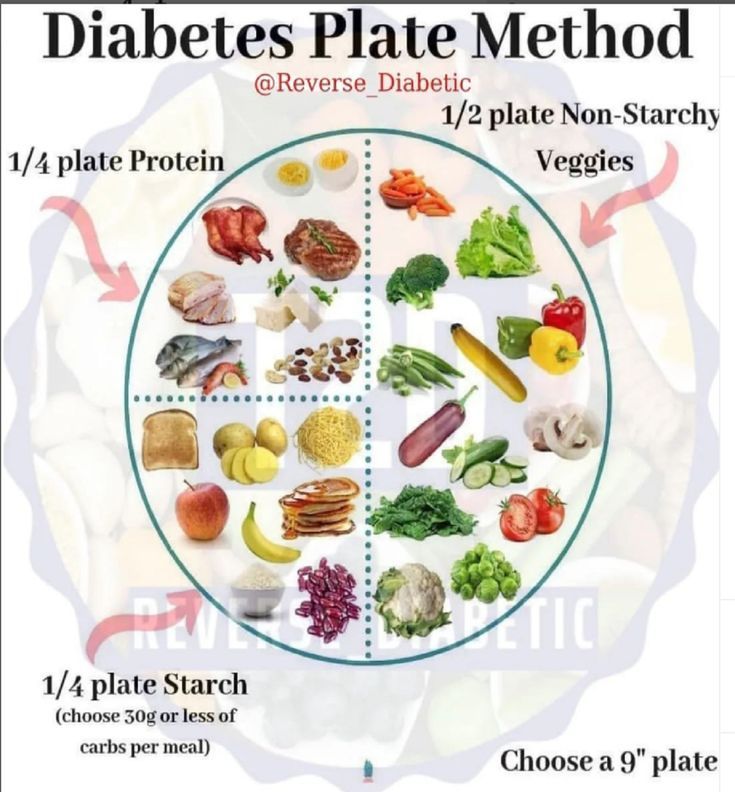
A diabetes-friendly plate helps prevent lows. Fill half with non-starchy vegetables, one quarter with lean protein, and one quarter with whole grains or starchy veggies. Add a small fruit and low-fat dairy. How to Handle Hypoglycemia: Signs and Quick Fixes pairs well with smart meal planning.
Sample daily meals could look like this: Breakfast – oatmeal with nuts and berries. Lunch – grilled chicken salad with veggies and olive oil. Snack – apple with peanut butter. Dinner – baked fish, brown rice, and broccoli. Evening snack – yogurt if needed. How to Handle Hypoglycemia: Signs and Quick Fixes supports these balanced choices every day.
Drink plenty of water and limit alcohol. Alcohol without food is risky. How to Handle Hypoglycemia: Signs and Quick Fixes reminds you to pair any drink with food.
For special days like holidays or travel, plan extra snacks and test more often. How to Handle Hypoglycemia: Signs and Quick Fixes keeps you safe during fun times, too.
Special Considerations for Different Groups
Children with diabetes need extra attention because they cannot always explain their symptoms. Parents should teach school staff and pack emergency kits. How to Handle Hypoglycemia: Signs and Quick Fixes adapts for young ages with age-appropriate snacks and games.
Elderly people may have slower reactions or other medicines that interact. Caregivers should watch closely and simplify kits. How to Handle Hypoglycemia: Signs and Quick Fixes considers physical limits and memory changes.
Pregnant women face changing needs. Tight control helps the baby but raises the risk. of hypoglycemia. Frequent monitoring and doctor visits are key. How to Handle Hypoglycemia: Signs and Quick Fixes protects both mother and child.
Athletes and active people should time carbs around workouts. How to Handle Hypoglycemia: Signs and Quick Fixes includes pre- and post-exercise snacks.
When to Seek Professional Medical Help
Not every episode needs a doctor, but some do. If you need glucagon more than once, levels stay low after treatment, or you have frequent unexplained lows, call your healthcare team. How to Handle Hypoglycemia: Signs and Quick Fixes includes knowing your limits and asking for help.
Severe symptoms like seizures or unconsciousness always need emergency care. How to Handle Hypoglycemia: Signs and Quick Fixes guides you until help arrives.
Living Well and Building Confidence
Many people live full, active lives with proper management. Join support groups, track patterns in a journal, and celebrate small wins. How to Handle Hypoglycemia: Signs and Quick Fixes becomes part of a healthy lifestyle rather than a fear.
Share your plan with friends so they feel comfortable helping. How to Handle Hypoglycemia: Signs and Quick Fixes creates a support network around you.
Myths and Facts About Hypoglycemia
Myth: Only people with diabetes get it. Fact: Others can too. Myth: You can feel it every time. Fact: Unawareness exists. How to Handle Hypoglycemia: Signs and Quick Fixes separates truth from fiction so you stay informed.
Building Your Emergency Kit
Keep glucose tabs, juice boxes, glucagon, meter strips, and a medical ID. Check expiry dates every few months. How to Handle Hypoglycemia: Signs and Quick Fixes means having supplies ready before you need them.
How to Handle Hypoglycemia: Signs and Quick Fixes is a skill you build over time with practice and patience. How to Handle Hypoglycemia: Signs and Quick Fixes empowers you to enjoy life without constant worry. How to Handle Hypoglycemia: Signs and Quick Fixes turns scary moments into manageable ones. How to Handle Hypoglycemia: Signs and Quick Fixes helps families feel prepared. How to Handle Hypoglycemia: Signs and Quick Fixes works for daily routines, travel, and special events. How to Handle Hypoglycemia: Signs and Quick Fixes saves time and stress when followed step by step. How to Handle Hypoglycemia: Signs and Quick Fixes encourages regular doctor visits. How to Handle Hypoglycemia: Signs and Quick Fixes improves overall health when combined with good habits. How to Handle Hypoglycemia: Signs and Quick Fixes is something you can teach others. How to Handle Hypoglycemia: Signs and Quick Fixes keeps you safe at night or during exercise. How to Handle Hypoglycemia: Signs and Quick Fixes grows easier the more you use it. How to Handle Hypoglycemia: Signs and Quick Fixes supports long, happy, active days.
In conclusion, hypoglycemia does not have to control your life. With knowledge of signs, quick fixes, prevention, and support, you stay one step ahead. Remember the 15-15 rule, carry supplies, monitor often, and work closely with your doctor. How to Handle Hypoglycemia: Signs and Quick Fixes is your reliable roadmap. How to Handle Hypoglycemia: Signs and Quick Fixes puts power back in your hands. How to Handle Hypoglycemia: Signs and Quick Fixes helps you live freely and confidently. How to Handle Hypoglycemia: Signs and Quick Fixes makes every day safer and brighter.
Disclaimer
This article is for informational purposes only and is not a substitute for professional medical advice. The content about how to handle hypoglycemia: signs and quick fixes is based on general knowledge and reliable health sources. Always consult your doctor or healthcare provider for personalized advice, especially if you have diabetes or other health conditions. In case of a medical emergency, call your local emergency services immediately. Do not ignore symptoms or delay treatment.
Frequently Asked Questions (FAQs)
1. What are the first signs of hypoglycemia? Early signs include shakiness, sweating, hunger, dizziness, and a fast heartbeat. Check your blood sugar right away if you feel any of these.
2. How does the 15-15 rule work for quick fixes? Consume 15 grams of fast carbs, wait 15 minutes, and recheck your level. Repeat if still low, then eat a small snack.
3. Can non-diabetic people have hypoglycemia? Yes, though less common. Causes include certain foods, alcohol, or medical conditions. The same quick fixes apply.
4. What foods work best for fast relief? Glucose tablets, fruit juice, regular soda, candy, or honey. Avoid slow-digesting items like chocolate.
5. When should I use glucagon? Use it only if the person cannot swallow safely or is unconscious. It raises blood sugar quickly but needs follow-up medical care.
6. How can I prevent nighttime lows? Eat a bedtime snack with protein and carbs if your level is borderline. Use a CGM with alarms.
7. Is hypoglycemia dangerous if untreated? Yes. It can lead to seizures, coma, or injury. Always treat promptly.
8. Do I need to see a doctor after every episode? Not every time, but frequent lows or severe ones require a visit to adjust treatment.
9. How do CGMs help with handling hypoglycemia: signs and quick fixes? They give real-time readings and alerts before symptoms start, giving you time to act.
10. Can exercise cause hypoglycemia? Yes, especially intense or long sessions. Plan extra carbs and check levels before, during, and after.
References
- Mayo Clinic. Hypoglycemia – Symptoms and causes. Available at: https://www.mayoclinic.org/diseases-conditions/hypoglycemia/symptoms-causes/syc-20373685
- Cleveland Clinic. Hypoglycemia (Low Blood Sugar). Available at: https://my.clevelandclinic.org/health/diseases/16548-hypoglycemia-low-blood-sugar
- American Diabetes Association. Hypoglycemia (Low Blood Glucose). Available at: https://diabetes.org/diabetes/treatment-care/hypoglycemia
- Centers for Disease Control and Prevention. Diabetes and Hypoglycemia. Available at: https://www.cdc.gov/diabetes/managing/hypoglycemia.html
- National Institute of Diabetes and Digestive and Kidney Diseases. Hypoglycemia. Available at: https://www.niddk.nih.gov/health-information/diabetes/overview/preventing-problems/low-blood-glucose-hypoglycemia
- Beyond Type 1. Fast-Acting Carbs Chart. Available at: https://beyondtype1.org/fast-acting-carbs-chart/
This comprehensive guide gives you practical tools and knowledge. Stay safe, test often, and live well.