Ultimate Diabetic Foot Care Guide.
Living with diabetes means paying extra attention to your feet every single day. Small issues can quickly become big problems if you ignore them. This guide will show you simple, easy steps you can follow at home to keep your feet healthy and strong. You will learn exactly why daily habits matter and how they help you stay active and independent for years to come.
Many people with diabetes worry about foot problems, but the good news is that most of these issues can be prevented with consistent care. By following the advice in this article, you can lower your risk of serious complications like ulcers, infections, and even amputation. The focus is on practical actions you can do right now, no matter your age or how long you have had diabetes.
How to Prevent Diabetic Foot Complications with Daily Care starts with understanding your body and making small changes part of your routine. This article explains everything in simple words so you can start today and feel confident about your foot health.
Why Feet Need Special Care When You Have Diabetes
Diabetes can damage nerves and blood vessels over time. When nerves do not work well, you may not feel pain from a small cut or blister. This condition is called neuropathy. Poor blood flow, known as peripheral artery disease, makes it harder for wounds to heal. Together, these problems raise the chance of foot ulcers and infections.
Without feeling pain, a tiny sore can grow bigger before you notice it. Infections can spread fast and sometimes lead to hospital stays or surgery. Statistics show that people with diabetes have a much higher risk of foot issues, but daily attention makes a huge difference.
How to Prevent Diabetic Foot Complications with Daily Care is not complicated. It is about building habits that protect your skin, improve circulation, and catch problems early. When you control your blood sugar, choose the right shoes, and check your feet every day, you give your body the best chance to stay healthy.
Simple daily actions reduce the risk of ulcers by up to 50 percent or more, according to health experts. You do not need expensive equipment—just a mirror, mild soap, lotion, and a few minutes of your time.
The Power of a Daily Foot Care Routine
A good routine takes only 10 to 15 minutes each day but can save you from months of pain and medical bills. How to Prevent Diabetic Foot Complications with Daily Care means turning these steps into something you do automatically, like brushing your teeth.
Start your day or end your evening with foot care. Make it relaxing—sit in a comfortable chair, play soft music, or do it while watching your favorite show. Consistency is the secret. Even if you feel fine today, keep going because problems can start without warning.
How to Prevent Diabetic Foot Complications with Daily Care works best when you combine foot checks, cleaning, protection, and overall diabetes management. Let us break it down step by step so you can follow along easily.
Step 1: Inspect Your Feet Every Single Day
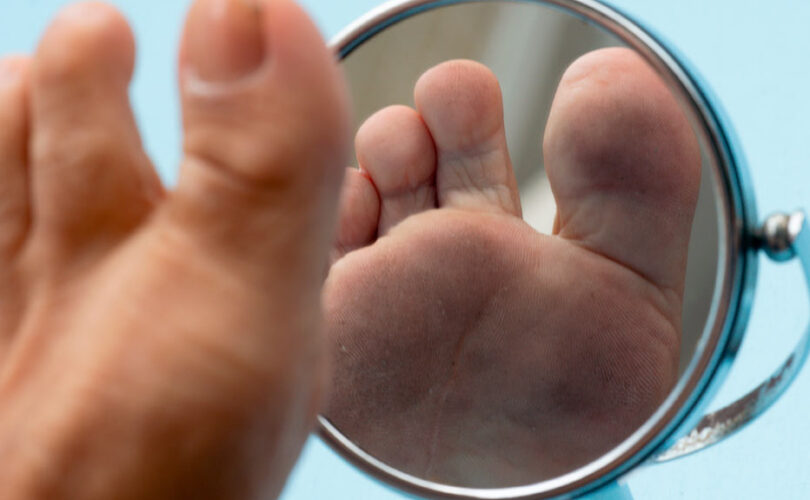
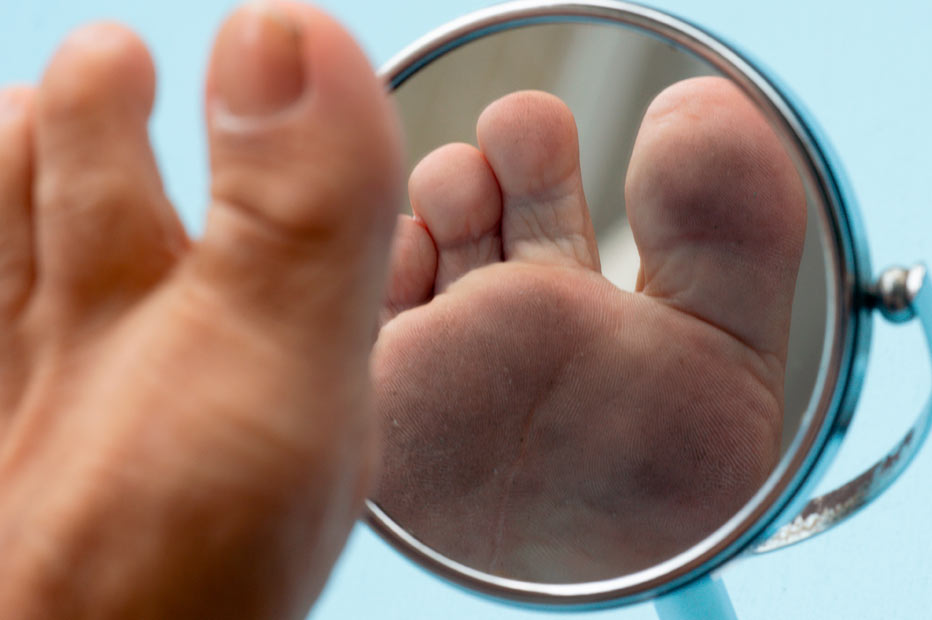
Look at your feet closely every morning or night. Use a mirror to see the bottoms and between the toes. Check for cuts, blisters, redness, swelling, calluses, or changes in skin color. Feel for hot or cold spots. If you cannot bend easily, ask a family member or use a hand mirror.

Why does this matter? Neuropathy can hide pain, so your eyes become your best tool. Catching a small red spot early can stop it from turning into an ulcer.
Tips for easy inspection:
- Do it at the same time every day.
- Look at the top, bottom, sides, heels, and between each toe.
- Note any new corns or dry skin.
- Write down what you see in a small notebook or phone app to track changes.
How to Prevent Diabetic Foot Complications with Daily Care includes this daily check because it is the first line of defense. Spend two minutes here, and you will feel more in control of your health.
Step 2: Wash Your Feet Gently with Warm Water
Wash your feet daily with warm—not hot—water and a mild soap. Test the water temperature with your elbow or a thermometer to keep it around 37°C (98°F). Soaking for more than a few minutes is not recommended because it can make the skin too soft and prone to breaking.

Gently clean between the toes, but do not scrub hard. This removes dirt and sweat that can cause infections. Pat your feet dry completely with a soft towel, especially between the toes,s where moisture can hide and lead to fungus.
How to Prevent Diabetic Foot Complications with Daily Care means treating your skin kindly during washing. Hot water or harsh soaps can cause cracks that let germs in. Mild soap and careful drying keep the skin strong and healthy.
Step 3: Moisturize to Keep Skin Soft but Smartly
After drying, apply a thin layer of moisturizing lotion or cream to the tops and bottoms of your feet. Use products made for sensitive or diabetic skin—look for ones without fragrance or alcohol. Never put lotion between the toes because extra moisture there can cause infections.

Dry skin cracks easily, and cracks are entry points for bacteria. Moisturizing prevents that. Rub the lotion in gently with circular motions to help blood flow too.
How to Prevent Diabetic Foot Complications with Daily Care gets easier when your skin stays flexible. Choose urea-based or petroleum jelly creams that lock in moisture without making feet slippery.
Step 4: Trim Nails the Safe Way
Cut toenails straight across after a bath when they are softer. Use clean clippers and file sharp edges with an emery board. Do not cut into the corners or round the nails too much, as this can cause ingrown toenails. If you have thick nails or poor eyesight, let a podiatrist do it.
This step stops painful ingrown nails that can become infected. How to Prevent Diabetic Foot Complications with Daily Care includes proper nail care because even small cuts around nails can lead to big trouble.
Step 5: Protect Your Feet with the Right Footwear
Never walk barefoot, even at home. Wear clean, dry socks and well-fitting shoes every day. Check inside shoes for pebbles or rough spots before putting them on. Choose socks without seams and shoes with extra room for toes.

How to Prevent Diabetic Foot Complications with Daily Care relies heavily on what you put on your feet. Good shoes cushion pressure points and prevent blisters. Diabetic-specific shoes or extra-depth styles often work best. Change socks if they get damp.
Rotate shoes so the same pair does not get worn every day. This gives them time to dry and keeps your feet happier.
Step 6: Support Circulation with Movement and Blood Sugar Control
Light exercise improves blood flow to your feet. Try ankle circles, toe wiggles, or short walks every day. Swimming or seated exercises are gentle on joints.

Keep blood sugar in target range with healthy eating and medicine as prescribed. High sugar damages nerves and vessels over time. A balanced plate with vegetables, lean protein, and whole grains helps a lot.

How to Prevent Diabetic Foot Complications with Daily Care includes these habits because better circulation and stable sugar levels protect nerves and skin from the inside.
Monitor your blood sugar regularly with a glucometer or continuous monitor.

Step 7: Know When to See a Professional
Visit a podiatrist every 1 to 3 months, or more often if you have had foot problems before. They can remove calluses safely and check circulation. See a doctor right away if you notice redness, warmth, swelling, pus, or fever.
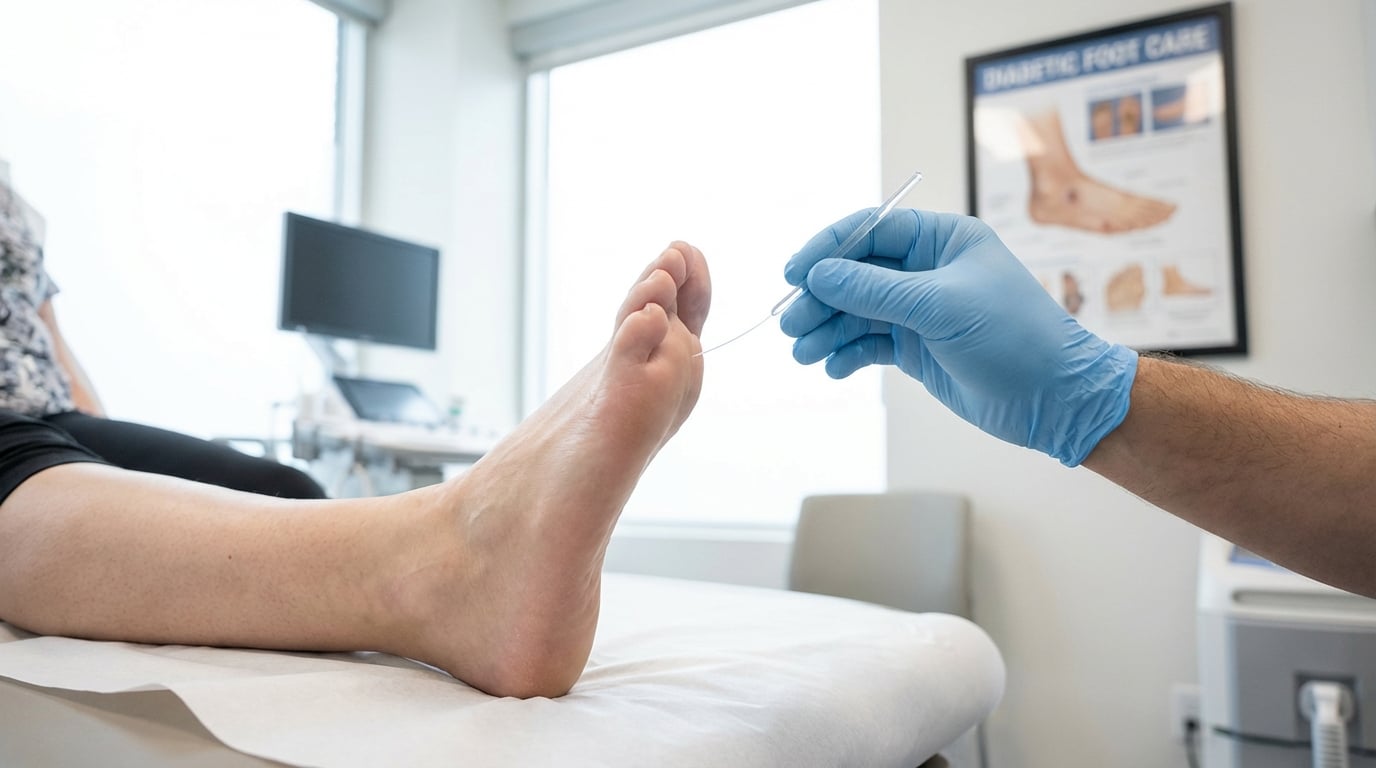
How to Prevent Diabetic Foot Complications with Daily Care is stronger when you team up with healthcare experts. They catch issues you might miss.
Recognizing Early Warning Signs
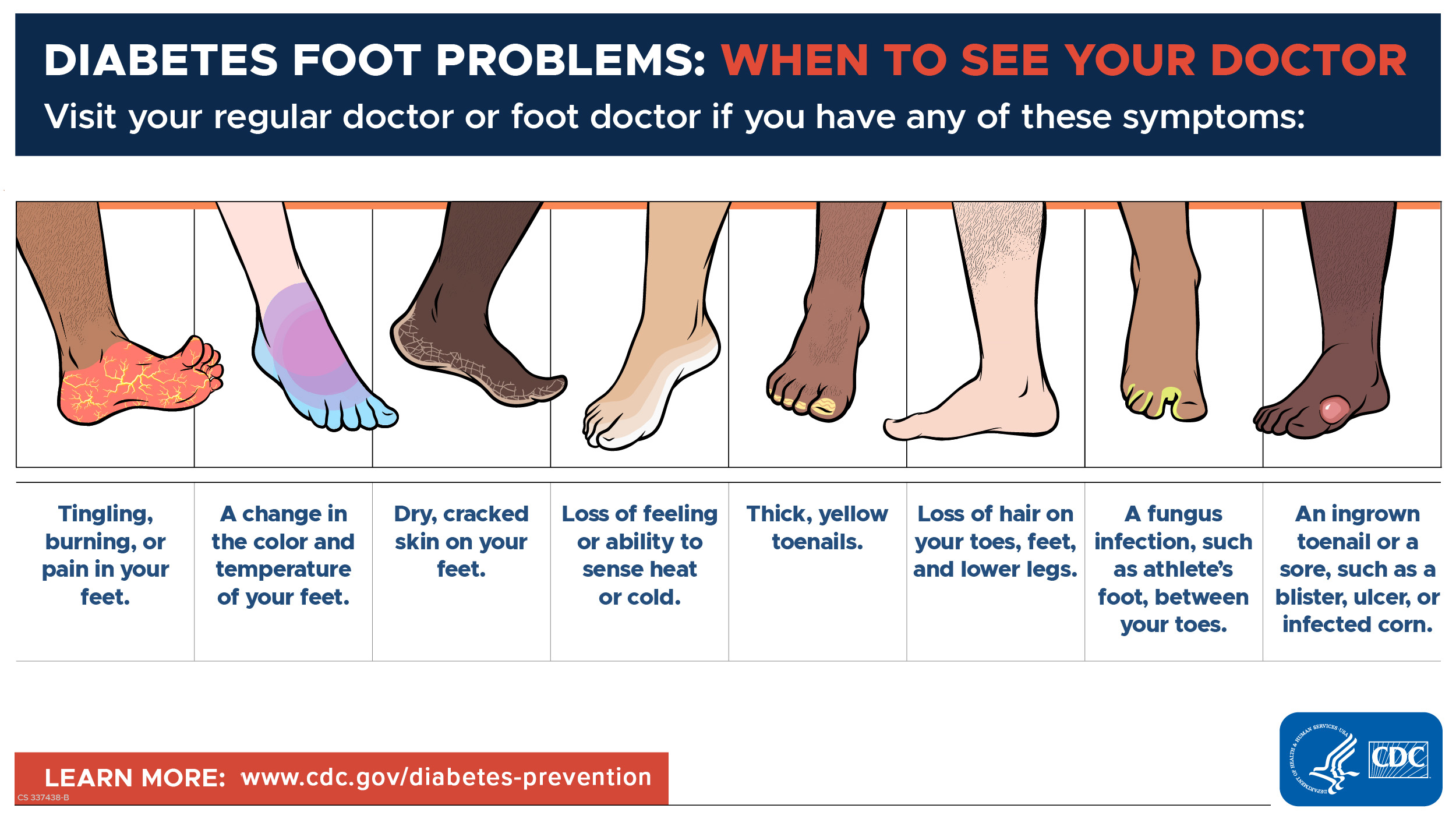
Watch for tingling, burning, color changes, dry cracked skin, or loss of feeling. Blisters, sores, or ingrown nails need immediate attention.
Do not try to treat deep cuts or ulcers yourself. Early action prevents hospitalization.
How to Prevent Diabetic Foot Complications with Daily Care means acting fast on any change.
Common Myths About Foot Care
Myth: “If it does not hurt, it is not serious.” Fact: Neuropathy hides pain, so silent problems are dangerous.
Myth: “I can soak my feet in hot water.” Fact: Hot water damages skin. Use warm only.
How to Prevent Diabetic Foot Complications with Daily Care means ignoring these myths and sticking to proven steps.
Long-Term Success Stories and Tips
Many people with diabetes live active lives without foot problems because they follow daily routines. One man in his 70s checks his feet every night and has avoided ulcers for 15 years. Small habits add up.
Keep a foot care kit ready: mirror, lotion, clippers, and extra socks. Tell family about your routine so they can help if needed.
How to Prevent Diabetic Foot Complications with Daily Care becomes a lifestyle that gives you peace of mind and freedom to enjoy daily activities.
How to Prevent Diabetic Foot Complications with Daily Care is possible for everyone with diabetes. The steps are simple, but the results are powerful.
How to Prevent Diabetic Foot Complications with Daily Care saves time, money, and worry in the long run.
How to Prevent Diabetic Foot Complications with Daily Care empowers you to take charge of your health.
How to Prevent Diabetic Foot Complications with Daily Care works when you stay consistent every day.
How to Prevent Diabetic Foot Complications with Daily Care inclu, des regular professional check-ups too.
How to Prevent Diabetic Foot Complications with Daily Care means protecting your independence.
How to Prevent Diabetic Foot Complications with Daily Care helps you walk pain-free for years.
How to Prevent Diabetic Foot Complications with Daily Care starts with the very first foot check today.
How to Prevent Diabetic Foot Complications with Daily Care is the best gift you can give yourself and your loved ones.
How to Prevent Diabetic Foot Complications with Daily Care turns knowledge into action.
How to Prevent Diabetic Foot Complications with Daily Care keeps your feet healthy, strong, and ready for whatever life brings.
How to Prevent Diabetic Foot Complications with Daily Care is your daily insurance against serious problems.
Conclusion
Your feet carry you through life, so treat them with care. Follow the daily routine outlined here, control your blood sugar, wear good shoes, and see your doctor regularly. These habits can help you avoid complications and enjoy an active life.
Start small today—one step at a time builds a strong defense. Share this guide with friends or family who have diabetes. Together, we can make foot health a priority.
Disclaimer This article is for informational purposes only and is not a substitute for professional medical advice. Always consult your doctor, podiatrist, or diabetes educator before starting any new foot care routine or changing your diabetes management plan. Individual results may vary based on your personal health history and medical condition. If you have any foot symptoms, seek medical help immediately.
Frequently Asked Questions (FAQs)
1. How often should I check my feet if I have diabetes? Every day, without fail. Use a mirror to see all areas.
2. Can I walk barefoot around the house? No. Even indoors, wear house shoes or slippers to protect against injury.
3. What is the best lotion for diabetic feet? Choose fragrance-free, urea-based creams made for dry or sensitive skin. Avoid putting it between toes.
4. How do I know if my shoes fit properly for diabetes? They should have wide toe boxes, extra depth, and no rubbing. Try them on in the afternoon when feet may swell a little.
5. Is it safe to cut my own toenails? Yes, if you can see well and cut straight across. Otherwise, let a podiatrist handle it.
6. Does controlling blood sugar really help my feet? Yes. Stable blood sugar protects nerves and blood vessels, reducing the risk of neuropathy and poor healing.
7. What should I do if I find a blister or cut? Clean it gently, cover with a sterile bandage, and call your doctor the same day. Do not pop the blister.
8. Are there special socks for people with diabetes? Yes—seamless, moisture-wicking, non-constricting socks help prevent blisters and keep feet dry.
9. How often do I need to see a foot doctor? At least once a year, or every 1-3 months if you have neuropathy or previous foot issues.
10. Can exercise make foot problems worse? Gentle exercises like walking or swimming usually help circulation. Avoid high-impact activities if you have ulcers or severe neuropathy—ask your doctor first.
References
- American Diabetes Association. Foot Complications. Available at diabetes.org.
- Centers for Disease Control and Prevention. Diabetes and Foot Problems. cdc.gov/diabetes.
- Mayo Clinic. Diabetic Foot Care: What You Need to Know. mayoclinic.org.
- International Working Group on the Diabetic Foot (IWGDF) Guidelines.
- National Institute of Diabetes and Digestive and Kidney Diseases (NIDDK). Diabetic Neuropathy.
- Podiatry Today and peer-reviewed journals on diabetic foot prevention (2024-2026 updates).
Follow these tips every day and you will be taking strong steps toward better health. Your feet will thank you!