

Motivating Inactive Kids to Move with Juvenile Diabetes
Motivating inactive children with juvenile diabetes is a crucial part of helping them stay healthy and happy. Juvenile diabetes, also known as type 1 diabetes, happens when the body can’t make insulin on its own. This means kids need to take insulin and watch their blood sugar levels every day. Many kids with this condition become inactive because they feel tired, worry about low blood sugar, or just don’t feel like moving. But getting them active can make a big difference. In this article, we’ll talk about ways for motivating inactive kids to move with juvenile diabetes, why it’s important, and how to do it safely.

Parents and caregivers often wonder how to start motivating inactive kids with juvenile diabetes to move. It’s not always easy, but with the right steps, it can become fun. Exercise helps regulate blood sugar levels, boosts energy, and improves mood. Kids who move more feel better and have fewer health problems later on. Let’s dive into understanding the basics first.
What Is Juvenile Diabetes and Why Do Kids Become Inactive?
Juvenile diabetes is a condition where the pancreas stops producing insulin, a hormone that helps turn food into energy. Without insulin, blood sugar levels can get too high or too low. This affects kids from a young age, and they need shots or a pump to get insulin. According to health experts, regular check-ups and a balanced life are musts.
Many kids with juvenile diabetes become inactive because of fear or tiredness. For example, they might worry about their blood sugar dropping during play, which can make them dizzy or shaky. Parents might also hold them back to avoid risks. But staying still can lead to weight gain, weak muscles, and even more blood sugar issues. Motivating inactive kids to move with juvenile diabetes starts with knowing these reasons.
Sometimes, kids just prefer screens over sports. Video games and TV are fun, but they don’t help the body. In motivating inactive kids to move with juvenile diabetes, we need to make moving as exciting as games. Small changes, like short walks, can build up to more activity.
The Big Benefits of Getting Active
Getting active has lots of good effects for kids with juvenile diabetes. First, it helps insulin work better, so blood sugar stays steady. Kids who exercise often have better control over their diabetes. It also builds strong bones and muscles, which is great for growing bodies.
Exercise boosts mood, too. Active kids feel happier and less stressed. For those with juvenile diabetes, this can mean better focus at school and more confidence. Studies show that moving helps lower the risk of heart problems later in life.
One big plus is better sleep. Kids who play during the day sleep well at night, which helps their blood sugar. Motivating inactive kids to move with juvenile diabetes can lead to these wins. Even small activities, like dancing or biking, add up. Aim for 60 minutes a day, as experts suggest.
Physical activity also helps with weight. Keeping a healthy weight makes diabetes easier to manage. Kids feel proud when they learn new skills, like kicking a ball or swimming. This builds self-esteem, which is key in motivating inactive kids to move with juvenile diabetes.

Common Challenges in Motivating Inactive Kids to Move with Juvenile Diabetes
There are hurdles to overcome when motivating inactive kidswith juvenile diabetes to move. One big one is fear of low blood sugar, called hypoglycemia. This can happen during exercise if not planned right. Kids might feel scared, and parents, too.
Another challenge isa lack of energy. High blood sugar can make kids tired, so they don’t want to move. Bad weather or no safe places to play can stop them. Also, some kids feel embarrassed about their diabetes devices, like pumps or monitors.
Time is a barrier. Busy school days and homework leave little room for play. For families, finding time together is hard. But these can be fixed with planning. Motivating inactive kids to move with juvenile diabetes means tackling these one by one.
Stigma is another issue. Kids might worry friends will tease them. Educating others helps. Clinics suggest talking to teachers and coaches about diabetes.
Fun Strategies for Motivating Inactive Kids to Move with Juvenile Diabetes
Now, let’s look at ways to get started. Make it fun! Turn exercise into games. For example, play tag or hide-and-seek. These get hearts pumping without feeling like work.
Family time is great for motivating inactive kids with juvenile diabetes to move. Go for walks together or bike rides. Parents being active sets a good example. Try family dance parties at home.
Use rewards. After a week of activity, give a small treat like a new toy or extra playtime. But keep rewards healthy, not sugary.
Join teams or classes. Sports like soccer or swimming build friends and fun. Coaches can learn about diabetes to keep things safe.
Indoor fun works too. Yoga videos or jumping jacks during TV breaks. Apps with kid-friendly workouts make it easy.
Set small goals. Start with 10 minutes a day, then add more. Track progress with a chart. This motivates kids as they see wins.
Involve friends. Playdates with active games help. Motivating inactive kids with juvenile diabetes to move is easier with buddies.

Safe Ways to Exercise with Juvenile Diabetes
Safety first when motivating inactive kids to move with juvenile diabetes. Check blood sugar before, during, and after activity. Keep it between 100-250 mg/dL to start.
Have snacks ready. Fast carbs like juice for lows. Water is key to staying hydrated.
Wear ID. A bracelet saying “I have diabetes” helps in emergencies.
Different exercises affect blood sugar differently. Running might lower it, weights might raise it. Learn what works for your child.
Talk to doctors. They can adjust insulin for activity. Use monitors to watch levels in real time.
Start slow. Build up time and intensity. Stop if feeling bad.
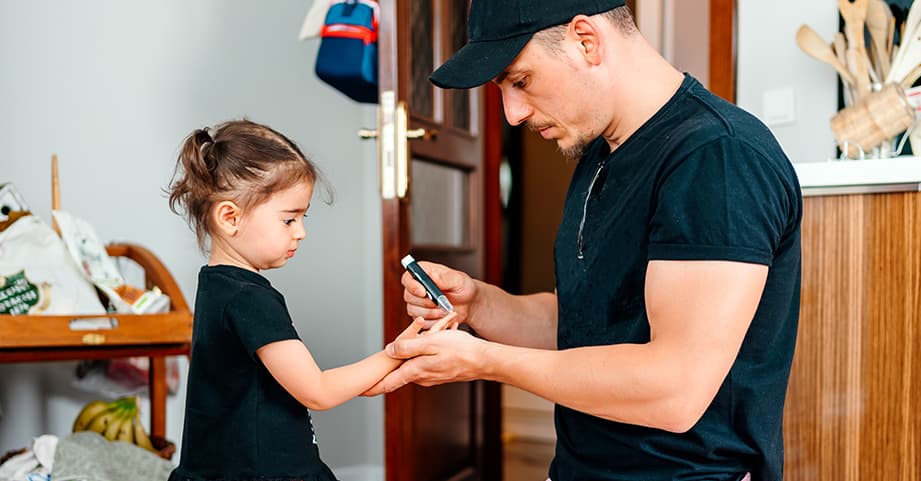
Overcoming Barriers Step by Step
To beat barriers in motivating inactive kids with juvenile diabetes, plan. For fear of lows, teach signs and treatments.
Make time. Schedule play like homework. Find free parks or home spaces.
Build confidence. Praise efforts, not just wins. This helps kids try new things.
Get support. Join diabetes groups for tips and friends.
Use tech. Apps track activity and remind you to move.
For bad weather, indoor options like dancing or stairs.
The Role of Family and Friends
Family is huge in motivating inactive kids to move with juvenile diabetes. Parents can lead by example, like walking after dinner.
Siblings can join in, making it a team thing. Friends, too – invite them to play.
Schools help with gym class and awareness.
Community events like walks for diabetes raise ffundsand support.
Using Technology and Games for Motivation
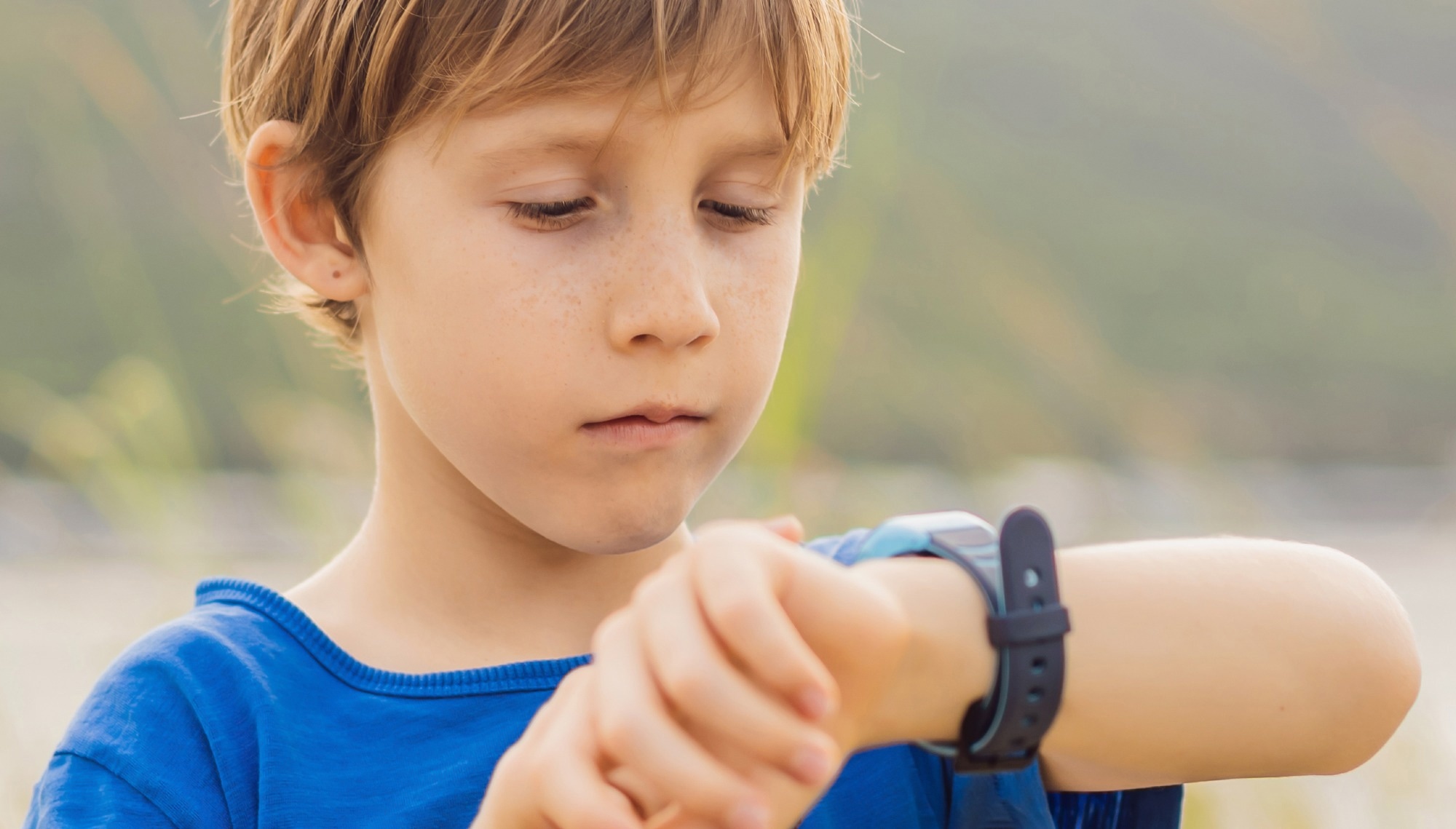
Tech makes motivating inactive kids to move with juvenile diabetes exciting. Fitness trackers count steps and give badges.
Apps with games turn exercise into adventures. as Pokémon GO, but watch blood sugar.
Wearables alert for lows. This makes parents feel safe.
Online challenges with friends add competition.
Healthy Snacks to Fuel Activity
Snacks keep energy up. Choose low-carb ones like cheese or nuts.
Veggies with dip, or fruit with peanut butter. Avoid too much sugar.
Timing matters. Snack before exercise if blood sugar is low.
:max_bytes(150000):strip_icc()/lower-carbohydrate-snacks-for-type-1-diabetes-5202742_FINAL-579bd5d348b74774a61548ae21a8a8ff.jpg)
Real Stories of Success
Many kids succeed in motivating inactive kids to move with juvenile diabetes. One boy started with short walks, then joined soccer. His blood sugar improved, and he made friends.
A girl used dance videos at home. She felt stronger and happier.
These stories show it’s possible with patience.
Wrapping It Up: Keep Moving Forward
Motivating inactive kids to move with juvenile diabetes takes time, but it’s worth it. Start small, make it fun, and stay safe. With family support andthe right tools, kids can thrive. Remember, every step counts in motivating inactive kids to move with juvenile diabetes.
Motivating inactive kids with juvenile diabetes helps them live full lives. Keep trying new things and celebrate wins.
Disclaimer
This article is for information only and not medical advice. Always talk to a doctor before starting new activities for kids with juvenile diabetes. Each child is different, and plans should fit their needs. We are not responsible for any health issues from following this.
FAQ
What is juvenile diabetes?
Juvenile diabetes is type 1 diabetes, where the body doesn’t make insulin. Kids need insulin and care to manage it.
Why is exercise important for kids with juvenile diabetes?
Exercise helps control blood sugar, builds strength, and boosts mood. It’s key to health.
How can I start motivating my inactive child?
Begin with fun, short activities like games. Build up slowly and use rewards.
What if my child has low blood sugar during exercise?
Check levels often. Have snacks ready and stop if needed.
Are there safe sports for kids with diabetes?
Yes, like swimming or biking. Talk to coaches about diabetes.
How much activity do kids need?
Aim for 60 minutes a day of moderate activity.
Can tech help with motivation?
Yes, apps and trackers make it fun and track progress.
What snacks are good before exercise?
Low-carb ones like nuts or cheese to keep energy steady.
How to overcome fear of exercise?
Educate on the signs of problems and plan with doctors.
Where can I find more support?
Diabetes groups, clinics, and online communities.
References
- KidsHealth.org – How Being Active Helps Kids With Type 1 Diabetes
- NovoCare – Exercise for Kids with Type 1 Diabetes
- PMC – Physical Activity Management for Youth With Type 1 Diabetes
- UC Davis – Type I diabetes: nutrition and exercise
- Breakthrough T1D – Exercise for children with type 1 diabetes
- ADA – Exercise & Type 1
- Type1Support – Exercise and Type 1 Diabetes: Get Your Kids Moving!
- Children with Diabetes – Finding Your Footing with Physical Activity and T1D
- Cigna – Type 1 Diabetes in Children: Safe Exercise
- Wiley – Motivations for physical activity in youth with type 1 diabetes
- Enhance-D – Research Spotlight: How Can We Support Children with T1D
- Facebook – Michigan Medicine Post
- Humana – How Being Active Helps Kids With Type 1 Diabetes
- My Health Alberta – Type 1 Diabetes in Children: Safe Exercise
- Frontiers – Exercise Management for Young People With Type 1 Diabetes
- PMC – Physical Activity Management for Youth With Type 1 Diabetes
- Diabetes Journals – Physical Activity Support Can Improve Outcomes
- KidsHealth – How Being Active Helps Kids With Type 1 Diabetes
- NovoCare – Why physical activity is so important
- ADA – Exercise & Type 1
- Nationwide Children’s – Diabetes and Exercise
- UC Davis – Type I diabetes: nutrition and exercise
- UPMC – How Exercise Benefits Kids With Diabetes
- UMM Health – Diabetes and Your Child: Safe Exercise
- MSU – Kids with diabetes should be encouraged to play sports
- KidsHealth – Helping Your Young Athlete With Type 1 Diabetes




[…] Juvenile diabetes, also known as type 1 diabetes, is a condition where the body’s pancreas stops making insulin. Insulin is like a key that lets sugar from food enter cells for energy. Without it, sugar builds up in the blood, which can cause problems. This usually happens in kids and teens, but it can start at any age. Unlike type 2 diabetes, which is often linked to lifestyle, a juvenile diabetes diagnosis comes from the body’s immune system attacking the pancreas by mistake. […]