
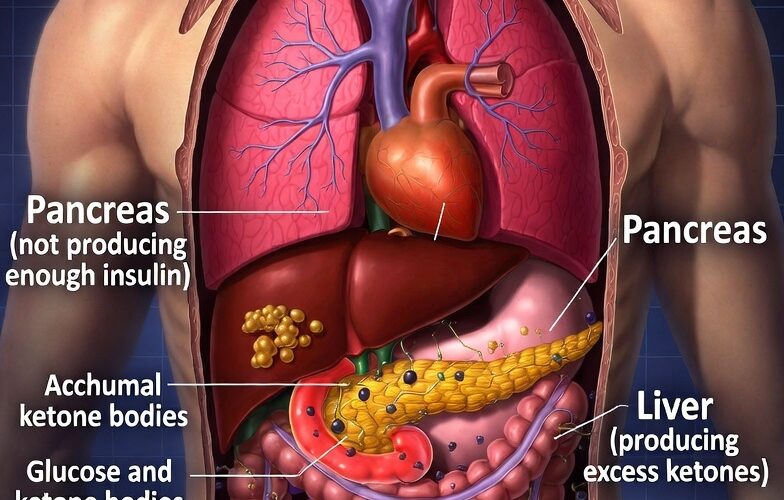
Ketoacidosis | A Serious Complication to Watch For
In the world of diabetes management, few threats loom as large and immediate as ketoacidosis. Often referred to simply as ketoacidosis, this condition represents a serious complication to watch for, especially among individuals living with type 1 diabetes or those at risk for undiagnosed diabetes. Ketoacidosis occurs when the body, starved of insulin, begins breaking down fat at an alarming rate, producing harmful acids known as ketones that acidify the blood. This metabolic crisis can escalate rapidly, turning a manageable health issue into a life-threatening emergency. Understanding ketoacidosis is crucial—not just for those diagnosed with diabetes, but for anyone who wants to recognize the warning signs early. In this comprehensive guide, we’ll delve deep into what ketoacidosis is, its causes, symptoms, treatment options, and most importantly, how to prevent it from derailing your health. Whether you’re newly diagnosed or a long-time diabetes warrior, staying vigilant against ketoacidosis can make all the difference. Ketoacidosis | A Serious Complication to Watch For
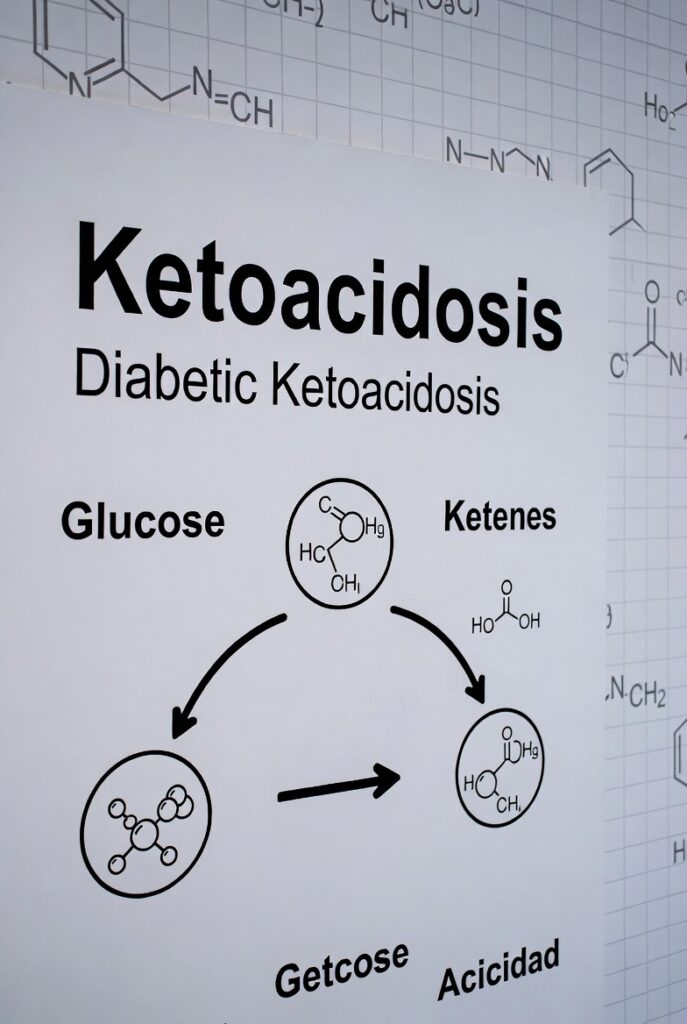
Ketoacidosis doesn’t discriminate by age or experience level; it can strike the young child with undiagnosed type 1 diabetes or the veteran patient who misses a single insulin dose during an illness. As a serious complication to watch for, ketoacidosis demands respect and proactive measures. According to health experts, early detection and intervention can prevent hospitalization in many cases. Let’s explore this condition in detail to empower you with knowledge that could save lives.
Understanding Ketoacidosis: The Basics
At its core, ketoacidosis is a metabolic derangement where the body shifts from using glucose as its primary fuel source to burning fat, leading to an accumulation of ketones in the bloodstream. The most common form is diabetic ketoacidosis (DKA), which accounts for the majority of cases and is the focus of much of this article. However, ketoacidosis can also manifest in other scenarios, such as alcoholic ketoacidosis (AKA) from excessive drinking without adequate nutrition, or starvation ketoacidosis during prolonged fasting. Ketoacidosis | A Serious Complication to Watch For
Diabetic ketoacidosis, in particular, is a hallmark serious complication to watch for in diabetes care. It develops when insulin levels plummet, often due to insufficient production in type 1 diabetes or inadequate administration in managed cases. Without insulin, glucose can’t enter cells, forcing the liver to convert fatty acids into ketones for energy. These ketones—acetoacetate, beta-hydroxybutyrate, and acetone—build up, dropping blood pH below 7.3 and creating a state of acidosis. This isn’t just uncomfortable; it’s dangerous, as it can lead to dehydration, electrolyte imbalances, and organ failure if unchecked.
Historically, ketoacidosis was a leading cause of death in diabetes before the advent of insulin therapy in the 1920s. Today, while treatable, it remains a sobering reminder of diabetes’s volatility. In the United States alone, DKA affects over 140,000 people annually, with hospitalization rates highest among children and young adults. Recognizing ketoacidosis as a serious complication to watch for means understanding its biochemical cascade: hyperglycemia (blood sugar over 250 mg/dL), ketonemia (high blood ketones), and anion gap metabolic acidosis. These triad elements form the diagnostic cornerstone, but prevention starts with awareness.
Beyond DKA, alcoholic ketoacidosis emerges in chronic drinkers who binge without eating, depleting glycogen stores and mimicking the insulin-deficient state. Starvation ketoacidosis, though rarer, can occur in extreme dieting or malnutrition, underscoring that ketoacidosis isn’t exclusive to diabetes. However, in diabetic contexts, it’s the insidious onset that makes ketoacidosis a serious complication to watch for—symptoms can brew for days before exploding into crisis. Ketoacidosis | A Serious Complication to Watch For
Causes of Ketoacidosis: What Triggers This Serious Complication?
The root cause of ketoacidosis boils down to insulin deficiency, but the triggers are multifaceted, often intertwining with everyday life events. In type 1 diabetes, where the pancreas produces little to no insulin, ketoacidosis can erupt from absolute shortages. For type 2 diabetics, relative insulin deficiency—exacerbated by stress hormones—can push the body into ketosis.Ketoacidosis | A Serious Complication to Watch For
Common precipitants include infections, the silent saboteurs of blood sugar control. Urinary tract infections, pneumonia, or even a common cold can spike counter-regulatory hormones like cortisol and glucagon, which oppose insulin’s action. Illness reduces appetite and increases vomiting, compounding dehydration and delaying insulin delivery. Studies show that up to 50% of DKA episodes are infection-related, making it a prime serious complication to watch for during flu season.
Insulin therapy mishaps are another major culprit. Missed doses, pump failures (like occluded tubing or battery death), or using expired insulin can all precipitate ketoacidosis. Imagine a clogged insulin pump during a busy day—by evening, ketone levels could be skyrocketing. Physical trauma, such as surgery or accidents, emotional stress from job loss or grief, and even pregnancy (with its hormonal surges) can tip the scales.Ketoacidosis | A Serious Complication to Watch For
Medications play a sneaky r, role too. Corticosteroids for asthma or arthritis boost blood sugar, while SGLT2 inhibitors—a class of type 2 diabetes drugs—can rarely induce euglycemic DKA, where blood sugar isn’t sky-, high but ketones are. Alcohol and drug misuse, particularly cocaine, further dehydrates and disrupts metabolism. In undiagnosed diabetes, ketoacidosis often serves as the dramatic debut, with 15-20% of type 1 cases presenting this way.
Understanding these causes is key to viewing ketoacidosis as a serious complication to watch for. It’s not random; it’s often predictable with vigilance. For instance, if you’re battling a stomach bug, double-check your insulin and ketone strips—proactive steps that can avert disaster.
Risk Factors: Who Is Most Vulnerable to Ketoacidosis?
Not everyone with diabetes will face ketoacidosis, but certain profiles heighten the odds, transforming it into a serious complication to watch for. Foremost are those with type 1 diabetes, where insulin dependence is absolute. Children and adolescents, with their erratic eating and activity, face elevated risks—DKA hospitalization rates peak in this group.
Undiagnosed type 1 diabetes is a ticking bomb; symptoms like unexplained weight loss and fatigue mask the brewing storm. In type 2 diabetes, risks rise with ketosis-prone subtypes, common in certain ethnic groups like African Americans or Hispanics. Non-compliance with insulin—due to cost, forgetfulness, or denial—amplifies vulnerability.Ketoacidosis | A Serious Complication to Watch For
Lifestyle factors compound this: irregular meals, excessive alcohol, or high-carb indulgences without dose adjustments. Comorbidities like heart disease or kidney issues impair resilience, while pregnancy doubles DKA risk due to placental hormones. Socioeconomic barriers, such as limited access to healthcare or education, disproportionately affect underserved communities, making ketoacidosis a serious complication to watch for in global health disparities.
Healthcare providers emphasize education as a buffer. Those using insulin pumps must master troubleshooting, as device malfunctions account for 20% of cases. By identifying personal risk factors, individuals can tailor prevention, ensuring ketoacidosis remains a footnote rather than a headline in their health story.
Recognizing Symptoms: Early Warning Signs of Ketoacidosis
Ketoacidosis sneaks up with subtle cues before unleashing chaos, making symptom awareness vital for spotting this serious complication to watch for. Early symptoms mimic general malaise: excessive thirst (polydipsia) and frequent urination (polyuria) as the kidneys flush excess glucose, leading to dehydration. You might guzzle water yet feel parched, with dry mouth and cracked lips as telltales.
As ketoacidosis progresses, gastrointestinal distress dominates: nausea, vomiting, and abdominal pain that feels like a knot in your gut. Fatigue crashes in waves, leaving you weak and drowsy—simple tasks become Herculean. The breath turns fruity, an acetone-like scent from exhaled ketones, often the first olfactory red flag noticed by loved ones. Ketoacidosis | A Serious Complication to Watch For
Advanced symptoms signal urgency: rapid, deep breathing (Kussmaul respirations) to expel CO2 and buffer acidosis; confusion or disorientation as the brain starves amid toxic blood; and flushed, hot skin from dehydration. In severe ketoacidosis, vision blurs, muscles ache, and consciousness fades into coma—a dire, serious complication to watch for that demands immediate action.
Children may present atypically, with bedwetting or irritability masking the crisis. Home tests confirm suspicions: blood glucose over 250 mg/dL and moderate-to-high urine ketones via over-the-counter strips. Don’t wait for the full symphony; even a solo symptom like fruity breath warrants a call to your doctor. Early recognition turns potential tragedy into a manageable blip.
Diagnosis: Confirming Ketoacidosis in Clinical Settings
Diagnosing ketoacidosis requires swift, precise testing to address this serious complication to watch for. In the emergency room, arterial blood gas reveals the acidosis (pH <7.3), while serum bicarbonate is below 18 mEq/L, and an elevated anion gap (>10-12 mEq/L) seals the metabolic picture. Blood and urine ketone levels—beta-hydroxybutyrate, preferably over outdated nitroprusside tests—quantify the ketonemia a.Ketoacidosis | A Serious Complication to Watch For
Hyperglycemia is a hallmark, though euglycemic DKA (glucose <200 mg/dL) complicates matters in SGLT2 users. Electrolytes are scrutinized: potassium may be high initially but plummet with treatment, risking arrhythmias. Underlying triggers demand investigation—blood cultures for infection, EKGs for cardiac issues.
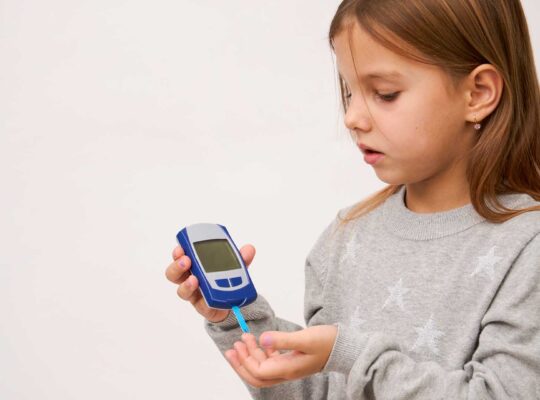
For at-home suspicion, continuous glucose monitors (CGMs) alert to spikes, paired with ketone meters for confirmation. If you’re trending high and ketones register moderate, it’s time for professional input. Accurate diagnosis not only confirms ketoacidosis but also guides tailored therapy, preventing recurrence.
Treatment Approaches: Managing and Reversing Ketoacidosis
Treating ketoacidosis is a race against time, transforming a serious complication to watch for into a resolved episode through protocol-driven care. Hospitalization is standard, with IV fluids as the frontline hero—saline boluses rehydrate and dilute glucose, often 1-1.5 liters in the first hour for adults. This counters the profound dehydration from osmotic diuresis.
Insulin therapy follows: low-dose IV infusion (0.1 units/kg/hour) lowers glucose gradually (50-75 mg/dL/hour) while suppressing ketogenesis. Hourly monitoring prevents hypoglycemia or cerebral edema, a feared pediatric risk. Electrolytes, especially potassium, are replenished meticulously—hypokalemia can trigger fatal heart rhythms.
Underlying causes get equal attention: antibiotics for infections, stress-dose steroids for adrenal issues. In mild cases caught early, subcutaneous insulin and oral hydration might suffice for outpatient treatment, but severe ketoacidosis demands ICU vigilance. Resolution markers include pH >7.3, bicarbonate >15 mEq/L, and closed anion gap—typically within 24 hours, though full recovery spans days.
Post-treatment, discharge planning is crucial: education on sick-day rules, pump checks, and follow-up to prevent relapse. With prompt intervention, mortality dips below 1%, underscoring why viewing ketoacidosis as a serious complication to watch for saves lives.
Prevention Strategies: Staying One Step Ahead of Ketoacidosis
Preventing ketoacidosis hinges on disciplined diabetes management, rendering it a preventable serious complication to watch for. Core tenets: consistent insulin adherence, whether via injections or pumps—never skip doses, and always have backups. Monitor blood sugar 4-6 times daily, more during stress or illness, aiming for targets like 70-180 mg/dL. Ketoacidosis | A Serious Complication to Watch For
Sick-day protocols are lifesavers: increase testing frequency, hydrate aggressively (even if nauseous, sip broths), and adjust insulin upward for hyperglycemia. Ketone testing becomes routine when glucose exceeds 240 mg/dL or symptoms lurk—urine strips or blood meters guide decisions. If moderate ketones appear, extra insulin and medical contact follow.
Education empowers: join diabetes self-management programs for nuanced skills, like carb counting amid variable activity. Technology aids—CGMs with alerts flag trends before they cascade into ketoacidosis. Lifestyle buffers include balanced nutrition, exercise, and stress reduction via mindfulness or support groups.
For high-risk folks, annual reviews with endocrinologists refine plans. Pregnancy demands tight control, with obstetric input. By embedding these habits, ketoacidosis shifts from imminent threat to rare outlier, fostering confidence in daily life.
Living with Diabetes: Long-Term Strategies to Avoid Ketoacidosis
Navigating diabetes long-term means architecting a life where ketoacidosis is a distant specter, not a serious complication to watch for. This involves holistic integration: dietary patterns rich in fiber and lean proteins stabilize glucose, minimizing insulin swings. Regular physical activity—30 minutes most days—enhances sensitivity, but pair it with monitoring to avoid lows that rebound into highs.
Mental health is non-negotiable; anxiety or depression can sabotage adherence, inviting ketoacidosis. Therapy, peer networks, or apps tracking mood alongside metrics build resilience. Travel prep includes extra supplies, time-zone insulin tweaks, and ketone kits for jet-lag disruptions.
Workplace advocacy ensures breaks for checks, while family involvement—teaching loved ones symptoms—creates a safety net. Annual A1C goals under 7% reflect control, but real success lies in empowerment. Celebrate milestones like DKA-free years to sustain motivation. Ultimately, living with diabetes is about thriving, not just surviving, with ketoacidosis demoted to a cautionary tale.
Real-Life Success Stories: Triumph Over Ketoacidosis
Hearing from survivors humanizes ketoacidosis, proving it’s a serious complication to watch for, but one that doesn’t define outcomes. Take James, a spirited 2-year-old whose story began in the holiday glow of Christmas 2015. His parents noticed insatiable thirst and soaked diapers, chalked up initially to teething. Family history of type 1 diabetes prompted a pediatric visit, but a negative urine glucose test sent them home reassured. Weeks later, symptoms escalated: James downed 30 ounces of milk in a morning, his once-chubby frame withered, and labored breathing emerged. On January 10, 2016, vomiting turned his skin ashen; he rushed back, retesting confirmed diabetes with blood sugar at 418 mg/dL. In full-blown DKA, he entered PICU, stabilized over 24 hours with IVs and insulin, then spent four days learning management. Today, James thrives as a type 1 ambassador, his misdiagnosis a rallying cry for vigilant testing.
Katie Janowiak’s ordeal, after 15 years with type 1, underscores that even experts aren’t immune. Food poisoning from a restaurant meal spiked her sugar to over 500 mg/dL despite corrections. Vomiting ensued, but dehydration clouded judgment—she skipped ketone checks amid misery. Fourteen hours later, her husband found her expelling blood-tinged bile; ER triage revealed battery-acid blood pH. ICU teams dosed her like a cardiac case; 30 more minutes, and coma loomed. Her endocrinologist called it a miracle. Post-recovery, Katie champions ketone awareness, arming her family with DKA drills. Her brush with this serious complication to watch for? A pivot to unbreakable protocols.
Then there’s Stefany Shaheen’s daughter, whose ER scare birthed advocacy. A stomach bug masked rising sugars; by presentation, DKA gripped her with nausea and lethargy. Hospital delays in insulin frustrated, but swift fluids and therapy pulled her through. Stefany’s takeaways: empower parents with education and push systemic changes for faster care. These stories illuminate paths forward, turning terror into testimony.
Frequently Asked Questions (FAQs) About Ketoacidosis
What exactly is ketoacidosis, and why is it considered a serious complication to watch for?
Ketoacidosis is a metabolic emergency where ketones acidify the blood due to insulin shortage, most often in diabetes. It’s serious because, untreated, it leads to coma or death within hours.
Who is at the highest risk for developing ketoacidosis?
Primarily those with type 1 diabetes, undiagnosed cases, or insulin non-adherents. Illness or pump failures heighten odds.
What are the first signs of ketoacidosis I should never ignore?
Thirst, frequent urination, nausea, and fruity breath. Test ketones if glucose tops 240 mg/dL.
How is ketoacidosis treated in the hospital?
With IV fluids, insulin infusions, and electrolyte correction, we can resolve most cases in 24 hours.
Can ketoacidosis happen to people with type 2 diabetes?
Yes, though rarer, triggers like infections or certain meds can induce it.
How do I test for ketones at home to prevent ketoacidosis?
Use urine strips or blood meters when sick or hyperglycemic—moderate/high levels mean call your doctor.
What’s a sick-day plan for avoiding ketoacidosis?
Frequent monitoring, extra insulin, hydration, and ketone checks—consult your provider for personalization.
Is ketoacidosis preventable with good diabetes management?
Absolutely—adherence to insulin, monitoring, and education slashes risks dramatically.
What complications can arise from untreated ketoacidosis?
Dehydration, brain swelling, organ failure, or death—prompt care is lifesaving.
How long does recovery from ketoacidosis take?
Typically 24-48 hours in hospital, with full energy return in days to weeks.
Disclaimer
This article is for informational purposes only and does not constitute medical advice, diagnosis, or treatment. Ketoacidosis is a medical emergency—always consult a healthcare professional for personalized guidance. If you suspect symptoms, seek immediate care. The stories shared are individual experiences and may not reflect typical outcomes.
Conclusion: Empower Yourself Against Ketoacidosis
Ketoacidosis, as a serious complication to watch for, underscores the fragility and ferocity of diabetes, yet it’s eminently manageable with knowledge and action. From decoding its biochemical fury to mastering prevention, you’ve gained tools to safeguard your health. Remember James’s resilience, Katie’s wake-up call—they embody hope amid hardship. Commit to monitoring, educate your circle, and lean on professionals. By demystifying ketoacidosis, we reclaim control, turning potential peril into empowered living. Stay vigilant, stay healthy.
References
- Mayo Clinic. (2025). Diabetic ketoacidosis – Symptoms & causes.
- CDC. (2024). Diabetic Ketoacidosis. https://www.cdc.gov/diabetes/about/diabetic-ketoacidosis.html
- Cleveland Clinic. (n.d.). Diabetes-Related Ketoacidosis (DKA): Symptoms & Treatment. https://my.clevelandclinic.org/health/diseases/21945-diabetic-ketoacidosis-dka
- NCBI. (2025). Adult Diabetic Ketoacidosis. https://www.ncbi.nlm.nih.gov/books/NBK560723/
- American Diabetes Association. (n.d.). Diabetic Ketoacidosis (DKA) – Warning Signs, Causes & Prevention. https://diabetes.org/about-diabetes/complications/ketoacidosis-dka/dka-ketoacidosis-ketones
- Beyond Type 1. (2017). A Misdiagnosis left my 2-year-old in DKA. https://beyondtype1.org/a-misdiagnosis-left-my-2-year-old-in-dka-fighting-for-his-life/
- Medtronic Diabetes. (2013). The Scary Experience of Diabetic Ketoacidosis. https://www.medtronicdiabetes.com/loop-blog/the-scary-experience-of-diabetic-ketoacidosis




[…] the world of pediatric health, few conditions demand as much vigilance as juvenile diabetes. This autoimmune disorder, often diagnosed in childhood or adolescence, disrupts the body’s […]