
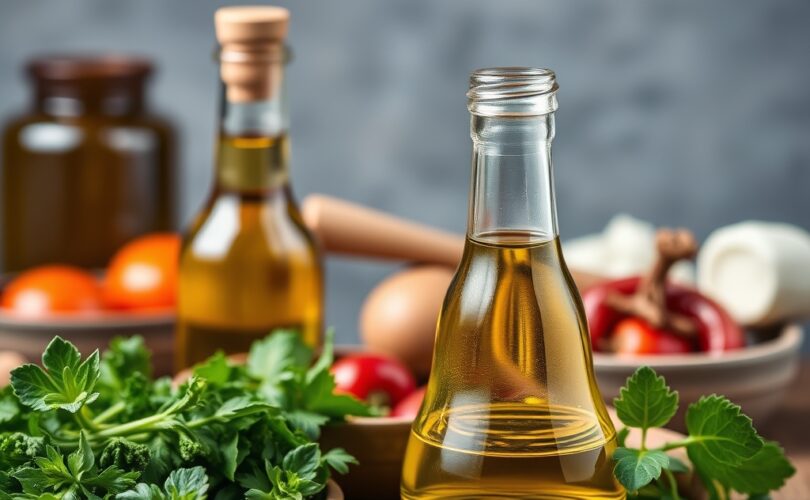
Best and Worst Cooking Oils for Diabetes
Managing diabetes isn’t just about monitoring blood sugar levels or counting carbs; it’s a holistic approach that includes every element of your diet, right down to the cooking oils you use. If you’re living with type 1 or type 2 diabetes, the fats you choose for sautéing vegetables, drizzling on salads, or frying proteins can make a significant difference in your insulin sensitivity, inflammation levels, and overall heart health. With over 37 million Americans diagnosed with diabetes and millions more at risk, selecting the right oils isn’t a luxury; it’s a necessity. Poor choices can spike inflammation and contribute to insulin resistance, while smarter swaps can stabilize glucose and support weight management. “Best and Worst Cooking Oils for Diabetes”

In this guide, we’ll dive deep into the science-backed best cooking oils for diabetes, those rich in monounsaturated and polyunsaturated fats that promote stable blood sugar, and the worst ones to steer clear of, like those loaded with omega-6 fatty acids that fuel chronic inflammation. We’ll explore how these oils interact with your body, share practical tips for incorporation, and even highlight real-life success stories from people who’ve transformed their health through simple oil switches. By the end, you’ll feel empowered to revamp your pantry and kitchen routine for better glycemic control.
Whether you’re a newly diagnosed diabetic or a long-time manager, understanding the fatty acid profile of your oils is key. Oils aren’t created equal: some are extracted from olives or avocados and boast heart-protective antioxidants, while others come from industrial seed processing and are stripped of nutrients. Let’s break it down, starting with why these matters. (Best and Worst Cooking Oils for Diabetes)
Why Cooking Oils Matter for Diabetes Management
Diabetes, at its core, is a condition of metabolic imbalance where your body struggles to process glucose effectively, leading to elevated blood sugar levels. Type 2 diabetes, which accounts for 90-95% of cases, often stems from insulin resistance, exacerbated by factors like obesity, sedentary lifestyles, and surprise dietary fats. But not all fats are villains; in fact, the right ones can be heroes. (Best and Worst Cooking Oils for Diabetes)
Cooking oils provide essential fatty acids that your body can’t produce on its own, influencing everything from cell membrane health to hormone production. For diabetics, the focus is on oils that minimize glycemic impact while maximizing anti-inflammatory benefits. Monounsaturated fats (MUFAs), found in olive and avocado oils, have been shown to improve insulin sensitivity and lower HbA1c levels—a key marker of long-term blood sugar control. A study in the Journal of Clinical Endocrinology & Metabolism found that participants who incorporated MUFAs into their meals saw a 15-20% improvement in post-meal glucose spikes compared to those using saturated fats. “Best and Worst Cooking Oils for Diabetes”
Polyunsaturated fats (PUFAs), particularly omega-3s from sources like flaxseed, offer another layer of protection by reducing triglycerides and inflammation—both diabetes risk amplifiers. Omega-3s work by modulating the body’s response to oxidative stress, which is rampant in uncontrolled diabetes and can damage blood vessels, raising the risk of heart disease (a leading cause of death among diabetics). On the flip side, excessive omega-6 PUFAs, common in many vegetable oils, can tip the inflammatory scale unfavorably. The ideal omega-6 to omega-3 ratio is around 4:1, but modern diets often skew to 20:1 or higher, promoting low-grade inflammation that worsens insulin resistance. “Be”
Beyond blood sugar, oils affect cardiovascular health, a critical concern since diabetics are two to four times more likely to develop heart disease. Saturated fats in some oils raise LDL (“bad”) cholesterol, while unsaturated ones boost HDL (“good”) cholesterol and improve endothelial function, the lining of your arteries. Smoke point is another factor: oils that break down at high heat release free radicals, potentially harming beta cells in the pancreas that produce insulin.
Research underscores these points. A meta-analysis in Nutrients reviewed 20 studies and concluded that replacing saturated fats with unsaturated oils like canola or olive could reduce type 2 diabetes risk by up to 25%. Another trial in Diabetes Care showed that sesame oil supplementation lowered fasting blood glucose by 15% over two months. These aren’t isolated findings; organizations like the American Diabetes Association (ADA) recommend prioritizing unsaturated fats in diabetes meal plans. “Best and Worst Cooking Oils for Diabetes”
But it’s not just about health metrics, it’s about enjoyment. Swapping oils doesn’t mean bland meals. Imagine stir-frying broccoli in nutty sesame oil or finishing a grilled salmon with a flaxseed drizzle. The key is balance: aim for 20-35% of daily calories from fats, with most from quality sources. In the next sections, we’ll spotlight the stars and the skips, arming you with actionable knowledge to cook smarter, not harder. “Best and Worst Cooking Oils for Diabetes”
The Best Cooking Oils for Diabetes: Top Choices and How to
Use Them
When it comes to the best cooking oils for diabetes, look for those high in MUFAs and omega-3s, low in processing, and versatile for everyday use. These oils support stable energy, reduce oxidative stress, and even enhance nutrient absorption from veggies and whole grains. Based on expert consensus from the ADA and recent studies, here are seven standout options, complete with nutritional breakdowns, benefits, and recipe ideas. “Best and Worst Cooking Oils for Diabetes”
1. Extra Virgin Olive Oil (EVOO): The Mediterranean Powerhouse
Extra virgin olive oil tops nearly every list for diabetes management, thanks to its 70-80% MUFA content (primarily oleic acid) and potent polyphenols like oleocanthal, which mimic ibuprofen’s anti-inflammatory effects. A landmark PREDIMED study involving over 7,000 high-risk participants found that those consuming at least four tablespoons of EVOO daily had a 30% lower risk of type 2 diabetes progression. It improves endothelial function, lowers LDL oxidation, and enhances insulin signaling, potentially dropping fasting glucose by 10-15 mg/dL.
Nutritionally, one tablespoon offers 120 calories, 14g fat (mostly unsaturated), and zero carbs—ideal for low-glycemic cooking. Its smoke point of 325-375°F makes it perfect for low-to-medium heat, like sautéing garlic or baking fish.
How to Use It: Drizzle over salads for a zesty vinaigrette (mix with balsamic and herbs), or use in marinades for chicken breasts. Try this diabetes-friendly recipe: Sauté 1 lb. zucchini in 1 tbsp EVOO with onions, then toss with cherry tomatoes and feta for a 5g net carb side dish.
Pros: Heart-protective, antioxidant-rich, flavorful. Cons: Lower smoke point limits deep-frying; pricier than refined oils.
2. Avocado Oil: Creamy and Heat-Stable
Avocado oil is a rising star, boasting a near-perfect fatty acid profile: 70% MUFAs, 12% PUFAs, and vitamin E for extra antioxidant punch. Research in Nutrients showed it reduces postprandial glucose spikes by 20% when used in meal prep, thanks to its ability to slow carb digestion. It’s also rich in lutein, supporting eye health—a bonus for diabetics prone to retinopathy.
With 124 calories per tablespoon and a sky-high smoke point of 520°F, it’s unbeatable for high-heat methods like stir-frying or roasting.
How to Use It: Roast root veggies (carrots, parsnips) at 400°F with 2 tsp avocado oil and rosemary under 10g carbs per serving. Or blend into smoothies for a subtle creaminess.
Pros: Versatile for all cooking temps, mild taste. Cons: Can be expensive; ensure it’s unrefined for max benefits.
3. Canola Oil: Affordable Heart Helper
Don’t dismiss canola—it’s derived from rapeseed and packs 63% MUFAs plus a favorable omega-3:6 ratio (1:2). A study in The American Journal of Clinical Nutrition linked canola consumption to better glycemic control and 10% lower inflammation markers in type 2 diabetics. It’s low in erucic acid (modern varieties are safe) and budget-friendly.
Per tablespoon: 124 calories, 14g fat. Smoke point: 400°F.
How to Use It: Bake salmon fillets brushed with canola and lemon—omega-3 synergy for blood sugar bliss. Or whip up a low-carb mayo with it.
Pros: Neutral flavor, widely available. Cons: Often highly processed; opt for cold-pressed.
4. Flaxseed Oil: Omega-3 Boost for Cold Use
Flaxseed oil shines for its alpha-linolenic acid (ALA) content—over 50% omega-3s—helping combat the omega imbalance in Western diets. Trials indicate it lowers HbA1c by 0.5-1% and triglycerides by 15%. However, its low smoke point (225°F) means it’s best uncooked.
One tbsp: 120 calories, 14g fat (high PUFA).
How to Use It: Stir into yogurt with berries for breakfast (adds fiber synergy) or dress kale salads.
Pros: Potent anti-inflammatory. Cons: Not for heating; nutty taste may need masking. “Best and Worst Cooking Oils for Diabetes”
5. Sesame Oil: Antioxidant-Rich Asian Staple
Sesame oil’s sesamol and sesame compounds enhance antioxidant defenses, with studies showing 15% glucose reductions after two months. It’s 40% MUFAs and has a toasty flavor that elevates stir-fries.
Smoke point: 350-410°F; 120 calories/tbsp.
How to Use It: Flavor broccoli stir-fry with tofu—under 8g carbs.
Pros: Adds depth to dishes. Cons: Strong aroma; use sparingly.
6. High-Oleic Sunflower Oil: Refined for Stability
This variant is bred for 80%+ oleic acid, mimicking olive oil’s benefits without the price tag. It supports lipid profiles and insulin response.
Smoke point: 450°F; neutral taste.
How to Use It: Fry eggs or grill veggies.
Pros: High heat tolerance. Cons: Avoid regular sunflower (high omega-6).
7. Macadamia Nut Oil: Luxe Low-Carb Choice
With the best omega-6:3 ratio (1:1), it’s a MUFA powerhouse for glucose metabolism.
Smoke point: 413°F; buttery flavor.
How to Use It: Dress arugula salads.
Pros: Rare allergy risk. Cons: Costly.
Incorporating these can transform your meals—start with one swap per week for sustainability.
The Worst Cooking Oils for Diabetes: Oils to Limit or Avoid
Not all oils are allies; some, especially highly processed seed oils, are laden with omega-6s that promote inflammation and insulin resistance. Here’s why to sideline them and healthier alternatives.
1. Soybean Oil: The Ubiquitous Inflamer
Found in 60% of processed foods, soybean oil is 50%+ linoleic acid (omega-6), linked to 20% higher diabetes risk in cohort studies. It oxidizes easily, worsening vascular damage.
Why Avoid: Spikes CRP (inflammation marker). Swap: Avocado oil.
2. Corn Oil: High-Heat Hazard
58% omega-6, which contributes to endothelial dysfunction and higher triglycerides.
Why Avoid: Promotes oxidative stress. Swap: Canola.
3. Regular Sunflower and Safflower Oils: Omega Overload
These are 65-75% linoleic acid, tipping ratios are unfavorable.
Why Avoid: Linked to beta-cell impairment. Swap: High-oleic versions.
4. Cottonseed Oil: Processed Pollutant
Often partially hydrogenated, it contains trans fats, raising LDL by 10%.
Why Avoid: Heart risk amplifier. Swap: Olive.
5. Palm Oil: Saturated Fat Trap
50% saturated, it elevates cholesterol like butter.
Why Avoid: Worsens insulin sensitivity. Swap: Coconut in moderation.
6. Vegetable Oil Blends: Mystery Mix
Often, soybean-corn combos they’re inflammatory cocktails.
Why Avoid: Unpredictable profiles. Swap: Single-source EVOO.
Ditching these can lower inflammation within weeks—check labels religiously.
Tips for Choosing and Using Cooking Oils Effectively
Selecting the right oil is half the battle; using it wisely seals the deal. Prioritize cold-pressed or unrefined oils for nutrient retention, and store them in dark, cool places to prevent rancidity. Match smoke points to methods: high for frying (avocado), low for dressings (flax). Measure portions—1-2 tbsp daily max—to control calories. “Best and Worst Cooking Oils for Diabetes”
Experiment with infusions: Add garlic to olive oil for flavor without carbs. For baking, blend oils for balance. Track how they affect your glucose via a food diary or app. Consult a dietitian for personalization, especially if on statins or insulin.
Real-Life Success Stories: Transforming Health One Oil at a Time
Sarah, a 52-year-old teacher with type 2 diabetes, was frustrated by her HbA1c hovering at 8.2 despite meds. Switching to EVOO for all cooking—drizzling on salads, sautéing in stir-fries—she saw levels drop to 6.5 in three months, shedding 15 pounds. “It was simple; my Italian-inspired meals felt indulgent, not restrictive,” she shares. Studies back her win: Olive oil’s polyphenols stabilized her post-meal spikes.
Then there’s Mike, 45, a construction worker battling fatigue from blood sugar swings. He replaced corn oil fries with avocado oil-roasted potatoes, incorporating flax drizzles. In six months, his A1c fell from 7.8 to 5.9, and energy soared. “No more crashes—it’s like I reclaimed my afternoons,” he says. His story echoes plant-based reversals where oil swaps amplified whole-food benefits.
And Lisa, 60, post-diagnosis, used sesame oil in Asian-inspired low-carb bowls. Her triglycerides plummeted 30%, crediting the oil’s sesamin for curbing cravings. These tales prove: Small changes yield big rewards.
Frequently Asked Questions (FAQs)
Q: Can I use coconut oil if I have diabetes? A: In moderation, it’s 90% saturated fat, which may raise cholesterol, but some studies show neutral glucose effects. Limit to 1 tsp/day; opt for virgin. “Best and Worst Cooking Oils for Diabetes”
Q: What’s the best oil for frying with diabetes? A: Avocado or high-oleic sunflower—high smoke points prevent harmful compounds.
Q: Do cooking oils directly raise blood sugar? A: No, they’re carb-free, but poor choices inflame, indirectly worsening control.
Q: How much oil should a diabetic use daily? A: 1-2 tbsp total, focusing on unsaturated sources.
Q: Is canola oil inflammatory? A: No, its omega balance is favorable; myths stem from processing concerns—choose expeller-pressed.
Q: Can oils help reverse prediabetes? A: Yes, MUFAs like those in olive oil improve sensitivity, per ADA guidelines.
Q: What’s a quick swap for butter in diabetic recipes? A: EVOO or a 1:1 avocado oil blend.
Q: Are nut oils safe for allergies? A: Avoid if allergic; peanut oil is legume-based, but refined versions are low-risk.
Disclaimer
This article is for informational purposes only and is not a substitute for professional medical advice, diagnosis, or treatment. Always consult your healthcare provider or a registered dietitian before making dietary changes, especially if you have diabetes or related conditions. Individual responses to oils vary based on genetics, medications, and overall diet. “Best and Worst Cooking Oils for Diabetes”
References
- Diabetes Care Community. “7 Healthier Cooking Oil Options For Diabetes.” Jan 28, 2025.
- La Tour Angelle. “7 Best Cooking Oils for Diabetics.” Sep 2, 2021. Link
- American Heart Association. “Healthy Cooking Oils.” Oct 24, 2023. Link
- Kauvery Hospital. “Which Cooking Oils Are Best for Diabetics?” Nov 11, 2020. Link
- PMC. “Cooking Oil Consumption Is Positively Associated with Risk of Type 2 Diabetes.” May 4, 2020. Link
- Maverik Oils. “7 Cooking Oils For People with Diabetes.” Link
- Health Central. “The Best and Worst Oils for People With Diabetes.” Jul 13, 2016. Link
- HealthPartners. “Cooking oil 101: The best and worst cooking oils for your health.” Link
- Virta Health. “What Are The Best Cooking Oils For Diabetes?” Mar 22, 2024. Link
- Algae Cooking Club. “4 Best Cooking Oils for Diabetics.” Nov 14, 2024. Link
- Health.com. “Which Cooking Oils Are Best for Your Health?” Oct 3, 2024. Link
- IC Family Medicine. “The Best and Worst Cooking Oils for Managing Cholesterol.” May 26, 2025. Link
- PMC. “Olive oil in the prevention and management of type 2 diabetes mellitus.” Apr 10, 2017. Link
- Forks Over Knives. “How I Reversed Type 2 Diabetes, Dropped More than 100 Pounds.” Dec 21, 2020. Link
- The Guardian. “Type 2 diabetes and the diet that cured me.” May 12, 2013. Link
- BMC Nutrition. “Effect of dietary vegetable oil consumption on blood glucose levels.” May 27, 2016. Link
- Fiore Olive Oils. “Type 2 diabetes: The cooking oil proven to lower blood sugar levels.” Apr 6, 2020. Link
- ScienceDirect. “Health Effects of Various Edible Vegetable Oils: An Umbrella Review.” Link
- PMC. “The effects of canola and olive oils on insulin resistance.” Link
- Johns Hopkins. “The Evidence Behind Seed Oils’ Health Effects.” Jun 6, 2025. Link
- Dietitian Live. “The Best and Worst Cooking Oils for People with Diabetes.” Oct 2, 2025. Link
- Viva! “D-Diet Success Stories.” Link
- Enhance-D. “Training Guide: The Mediterranean Diet.” Jun 10, 2024. Link
- “Best and Worst Cooking Oils for Diabetes”





[…] their health. Regular intake of processed, high-calorie meals loaded with refined carbs, added sugars, and unhealthy fats disrupts metabolic processes, promoting inflammation and fat accumulation. […]