
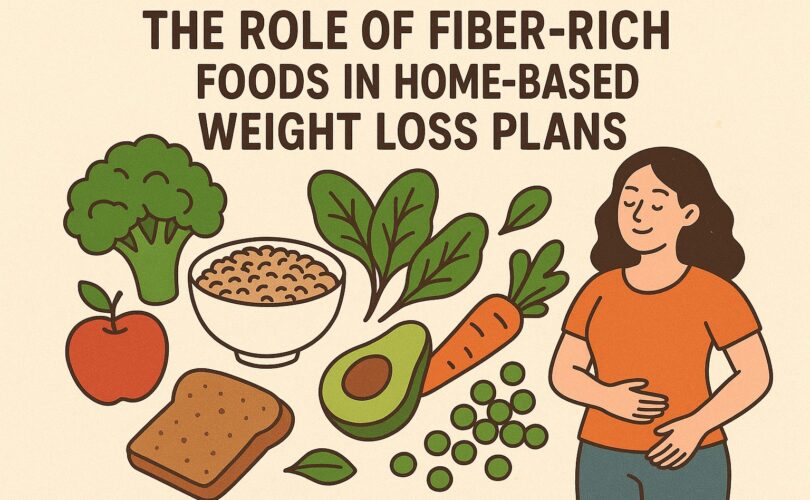
The Role of Fiber-Rich Foods in Home-Based
Weight Loss Plans
In today’s fast-paced world, (The Role of Fiber-Rich Foods in Home-Based Weight Loss Plans) many people are turning to home-based weight loss plans to shed extra pounds without the need for expensive gym memberships or complicated diets. These plans emphasize sustainable lifestyle changes that can be implemented right from your kitchen.
One key element that often stands out in effective home-based weight loss strategies is the incorporation of fiber-rich foods. Fiber-rich foods for weight loss have gained significant attention due to their ability to promote satiety, regulate digestion, and support overall health. But what exactly makes fiber such a powerhouse in home-based weight loss plans?
This makes it an ideal component for anyone looking to create a calorie deficit while feeling full and satisfied. Research shows that increasing dietary fiber intake can lead to meaningful weight loss, even when other aspects of the diet remain unchanged. For instance, aiming for just 30 grams of fiber per day has been linked to reduced body weight and improved metabolic health.
These plans often involve meal prepping with everyday ingredients like fruits, vegetables, whole grains, and legumes, which are not only affordable but also readily available. By integrating fiber-rich foods into your daily routine, you can curb cravings, stabilize blood sugar levels, and enhance your gut microbiome all from the comfort of home.
Moreover, the rise of remote work and home-centric lifestyles has made it easier than ever to adopt such habits. Whether you’re a busy parent, a remote worker, or someone recovering from an injury, home-based weight loss plans centered on fiber can fit seamlessly into your schedule.
This article will delve deep into the science behind fiber’s role in weight loss, provide practical tips for incorporation, highlight top foods, address potential challenges, and share inspiring success stories. By the end, you’ll have a comprehensive guide to leveraging fiber-rich foods in your own home-based weight loss journey.
Understanding Dietary Fiber: Types and Sources
To fully appreciate the role of fiber-rich foods in home-based weight loss plans, it’s essential to understand what dietary fiber is and its different types. Dietary fiber refers to the parts of plant foods that your body can’t digest or absorb. Unlike fats, proteins, or carbohydrates that are broken down and used for energy, fiber moves through your digestive tract, aiding various bodily functions.
Insoluble fiber, on the other hand, promotes the movement of material through your digestive system and increases stool bulk, which is beneficial for those who struggle with constipation. Good sources are whole-wheat flour, wheat bran, nuts, beans, and vegetables like cauliflower, green beans, and potatoes.
The recommended daily intake is about 25 grams for women and 38 grams for men, but most people fall short, consuming only half that amount. This gap presents an opportunity for home-based weight loss enthusiasts to boost their intake through simple swaps.
Instead of refined grains, opt for whole grains; replace sugary snacks with fruits and nuts. These changes not only increase fiber but also enhance nutrient density, making your meals more satisfying without extra calories.
Understanding these basics sets the foundation for why fiber-rich foods are indispensable in home-based weight loss plans. They provide volume to meals, helping you eat less while feeling full, and contribute to long-term health improvements.
How Fiber Aids Weight Loss: The Science Behind It
The mechanisms through which fiber aids weight loss are multifaceted and well-supported by scientific evidence. At its core, fiber helps create a calorie deficit by promoting feelings of fullness, or satiety, which reduces overall food intake. When you consume fiber-rich foods, they absorb water and expand in your stomach, signaling to your brain that you’re satisfied. This can prevent overeating, a common pitfall in weight loss efforts.
One key mechanism is the impact on appetite hormones. Soluble fiber stimulates the release of gut peptides like GLP-1, which regulate hunger and body weight. Studies have shown that this hormone can mimic effects similar to some weight loss medications, making fiber a natural alternative for home-based plans.
Another important aspect is the reduction in calorie absorption. Fiber binds to fats and sugars in the digestive tract, excreting them rather than allowing full absorption. This can lower the effective calorie count of your meals without restricting portions. For example, adding beans to a salad not only boosts fiber but also makes the meal less calorie-dense.
Research consistently supports these mechanisms. A study found that increasing fiber intake by 14 grams per day led to a 10% decrease in calorie intake and about 4 pounds of weight loss over four months. Another analysis showed that dietary fiber promotes weight loss independently of macronutrient composition.
Inflammation reduction is another benefit. Chronic inflammation is linked to obesity, and fiber-rich diets combat this by supporting anti-inflammatory gut bacteria. For home-based plans, this translates to better overall well-being, making it easier to stick to your goals.
Benefits of Fiber-Rich Foods in Home-Based Weight Loss Plans
Home-based weight loss plans thrive on simplicity, affordability, and sustainability, and fiber-rich foods excel in all these areas. Unlike fad diets requiring exotic ingredients, fiber sources are everyday staples like apples, beans, and oats, making them perfect for budget-conscious individuals.
One major benefit is convenience. You can prepare fiber-packed meals at home without special tools. For instance, a smoothie with berries and spinach provides a quick, high-fiber breakfast that supports weight loss efforts. This ease of preparation encourages adherence, a key to long-term success.
Cost-effectiveness is another advantage. Fiber-rich foods are often inexpensive and have a long shelf life. Buying in bulk, think lentils or frozen vegetables, reduces grocery bills while ensuring you have weight loss aids on hand.
Sustainability is crucial in home-based plans, and fiber promotes this by fostering gradual, maintainable changes. Rather than drastic calorie cuts, increasing fiber naturally reduces intake, leading to steady weight loss without deprivation.
Additionally, fiber supports holistic health, reducing risks of diseases like diabetes and heart issues, which can motivate continued effort. In a home setting, this means feeling energized for daily activities, enhancing quality of life.
Finally, personalization is easy. Tailor your fiber intake to preferences—vegan, gluten-free, or family-friendly—making home-based weight loss plans inclusive and effective.
Top Fiber-Rich Foods to Include in Your Diet
To maximize the role of fiber-rich foods in home-based weight loss plans, focus on a variety of sources. Here’s a curated list of top options, with fiber content per serving:
- Legumes: Lentils (15g per cup cooked), black beans (15g), chickpeas (12g). These are versatile for soups and salads.
- Fruits: Raspberries (8g per cup), pears (5.5g with skin), apples (4.5g), bananas (3g). Eat with skin for max fiber.
- Vegetables: Broccoli (5g per cup), Brussels sprouts (4g), artichokes (10g per medium), sweet potatoes (4g with skin).
- Whole Grains: Oats (4g per 1/2 cup dry), quinoa (5g per cup cooked), brown rice (3.5g), whole-wheat pasta (5g per cup).
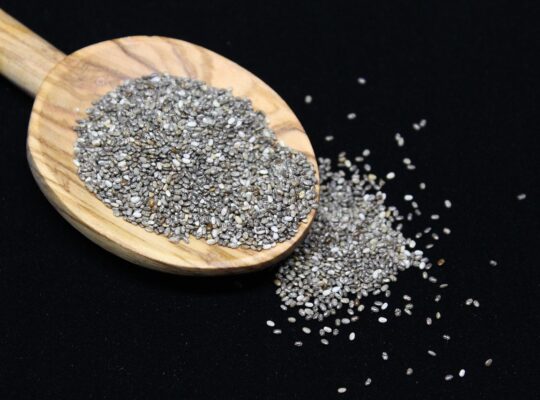
- Nuts and Seeds: Chia seeds (10g per ounce), almonds (3.5g), flaxseeds (8g).
- Incorporate these into meals: Add chia to yogurt, lentils to stews, or broccoli to stir-fries. Recipes like a quinoa salad with black beans and veggies can provide 20g+ fiber per serving, aiding weight loss.
Experiment with combinations to keep things exciting, ensuring your home-based plan remains enjoyable.
Incorporating Fiber into Daily Meals: Tips and Sample Plans
Successfully integrating fiber-rich foods into home-based weight loss plans requires practical strategies. Start slowly to avoid digestive discomfort, and increase by 5g weekly.
Tips:
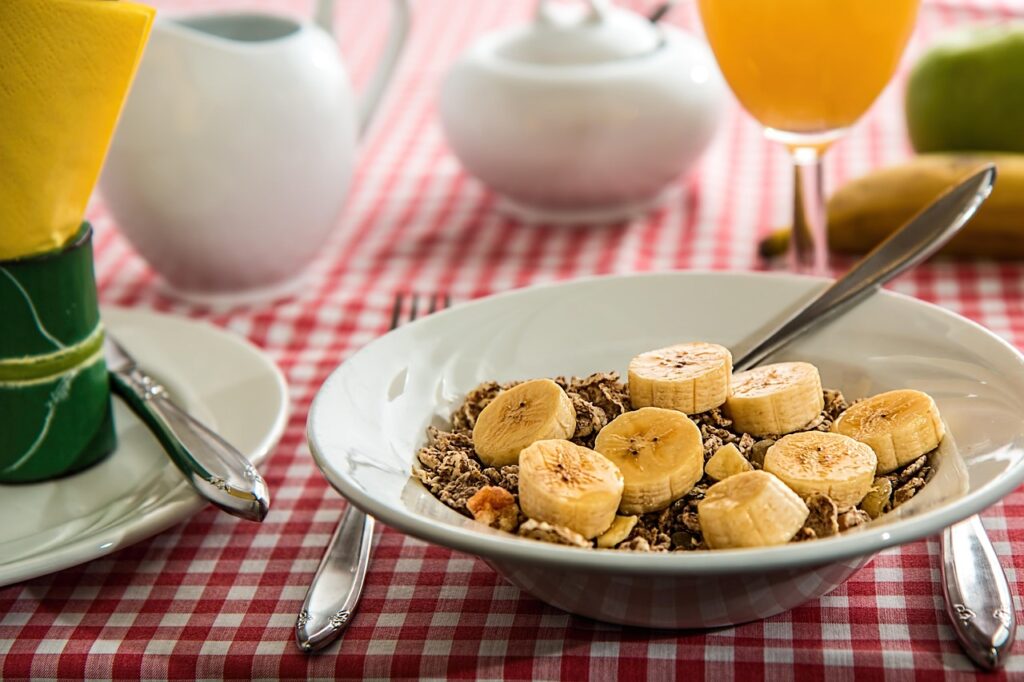
- Breakfast Boost: Swap cereal for oatmeal with berries and nuts.
- Snack Smart: Choose apples with peanut butter or carrot sticks.
- Lunch and Dinner: Add veggies to every meal; use whole grains as bases.
- Hydrate: Drink plenty of water to aid fiber digestion.
Sample 7-Day Plan (aiming 30g+ fiber/day):
- Day 1: Breakfast – Oatmeal with banana (10g); Lunch – Lentil soup (15g); Dinner – Quinoa stir-fry with broccoli (10g).
- Day 2: Breakfast – Smoothie with spinach, berries (8g); Lunch – Chickpea salad (12g); Dinner – Whole-wheat pasta with veggies (10g).
Continue similarly, varying foods for nutrition.
Track intake with apps to ensure progress in your home-based plan.
Potential Challenges and Solutions
While beneficial, a high-fiber diet can present challenges. Common issues include bloating, gas, and constipation if increased too quickly. Solution: Gradual increase and ample water intake.
For those with GI conditions like IBS, high fiber might exacerbate symptoms. Consult a doctor and start with soluble fibers.
Nutrient absorption concerns exist, but a balanced diet mitigates this. Solutions include variety and monitoring health.
Overcoming these ensures that fiber’s role in home-based weight loss is positive.
Success Stories: Real-Life Transformations
Many have succeeded with fiber-rich diets in home-based plans. Jen, over 50, lost 100+ pounds by focusing on 90g protein, 30g fiber, and 50g healthy fats daily, incorporating berries and lentils.
Regina dropped 116 pounds over the years with a fiber-focused approach, maintaining for four years despite health issues.
A client lost 60 pounds by prioritizing lean protein and high-fiber veggies like broccoli and beans.
These stories highlight fiber’s transformative power in home-based weight loss.
Disclaimer
This article is for informational purposes only and does not constitute medical advice. Consult a healthcare professional before starting any weight loss plan, especially if you have underlying health conditions. Individual results may vary.
References
- Healthline: Fiber Can Help You Lose Weight — but Only a Specific Type – https://www.healthline.com/nutrition/fiber-can-help-you-lose-weight
- Harvard Health: Making one change — getting more fiber — can help with weight loss – https://www.health.harvard.edu/blog/making-one-change-getting-fiber-can-help-weight-loss-201502177721
- Mayo Clinic: Dietary fiber: Essential for a healthy diet – https://www.mayoclinic.org/healthy-lifestyle/nutrition-and-healthy-eating/in-depth/fiber/art-20043983
- UnityPoint: Does Fiber Help with Weight Loss? 15 Fiber-Rich Foods – https://www.unitypoint.org/news-and-articles/does-fiber-help-with-weight-loss
- PMC: Increased dietary fiber is associated with weight loss – https://pmc.ncbi.nlm.nih.gov/articles/PMC10150096/




[…] you’re wondering how to make herbal teas for weight loss at home, you’ve come to the right place. This comprehensive guide will walk you through […]