Best Diet Plan for Weight Loss in the USA
Many people across the United States search for the best diet plan for weight loss that is safe, effective, and easy to follow. With busy lifestyles, family responsibilities, and access to a wide range of foods, finding a plan that fits real life is key. The good news is that sustainable weight loss does not require extreme restrictions or expensive products. Science-backed approaches focus on nutrient-rich foods, portion control, and habits you can maintain long-term.
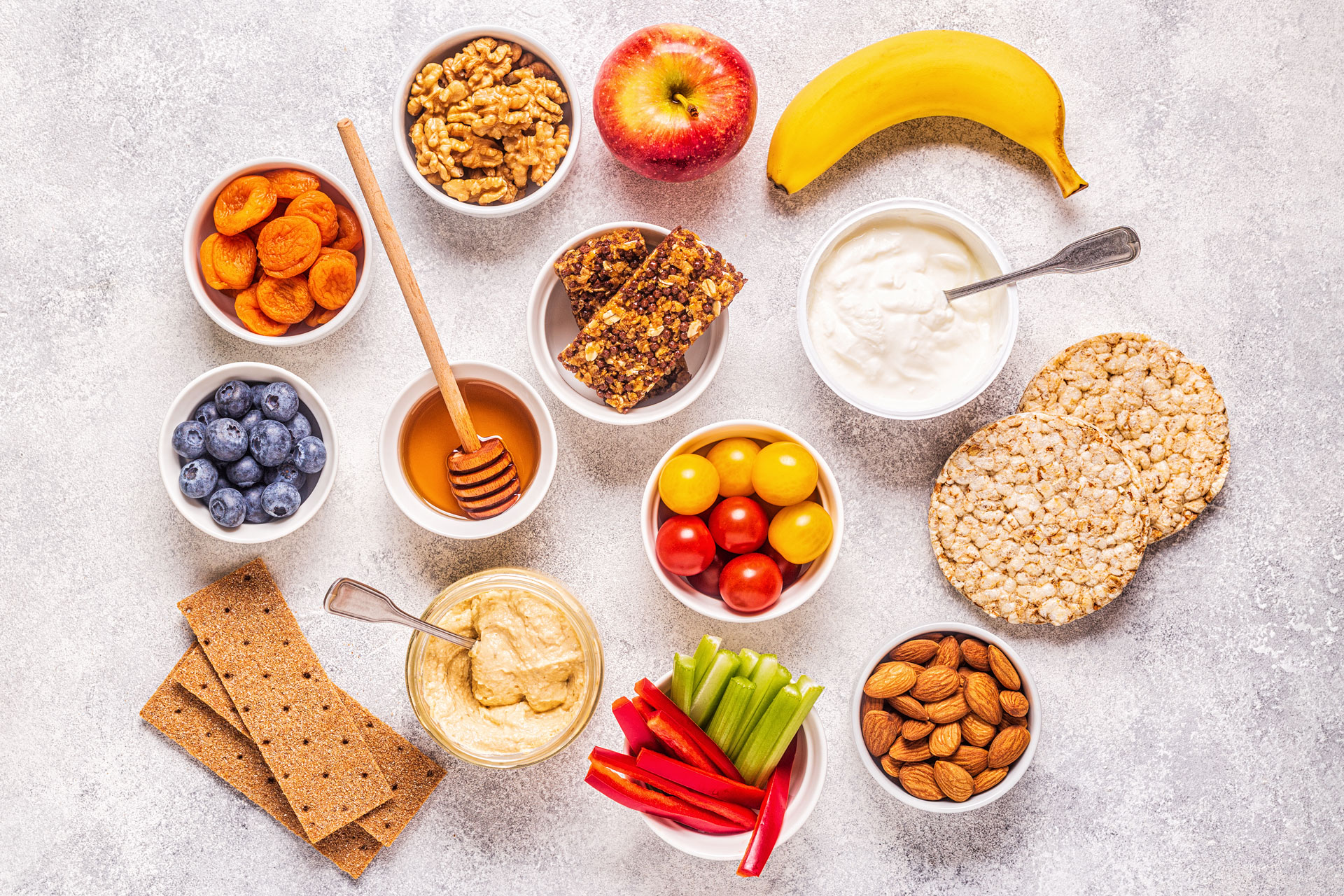
The best diet plan for weight loss in the USA emphasizes whole foods like vegetables, fruits, lean proteins, whole grains, and healthy fats. These plans help create a calorie deficit while keeping you full and energized. Experts from organizations like the USDA and leading health sites consistently rank flexible, balanced eating patterns highest for both short-term results and lifelong success.
Why Sustainable Weight Loss Matters in the USA
Obesity rates remain a concern in the United States, and many adults want to lose weight to improve energy, reduce health risks, and feel better. However, quick-fix diets often lead to yo-yo weight changes. The best diet plan for weight loss supports gradual progress—about 1 to 2 pounds per week—while building habits that prevent regain.
Key principles for any effective plan include:
- Eating mostly nutrient-dense foods that provide vitamins, minerals, and fiber.
- Controlling portions without feeling deprived.
- Staying hydrated and active.
- Focusing on consistency rather than perfection.
Family meals play an important role, too. Eating together encourages healthier choices and stronger bonds.

Top Recommended Diets for Weight Loss
Several diets stand out as top choices for Americans seeking reliable results. These are frequently recommended by dietitians and backed by research.
1. Mediterranean Diet – Often Called the Gold Standard
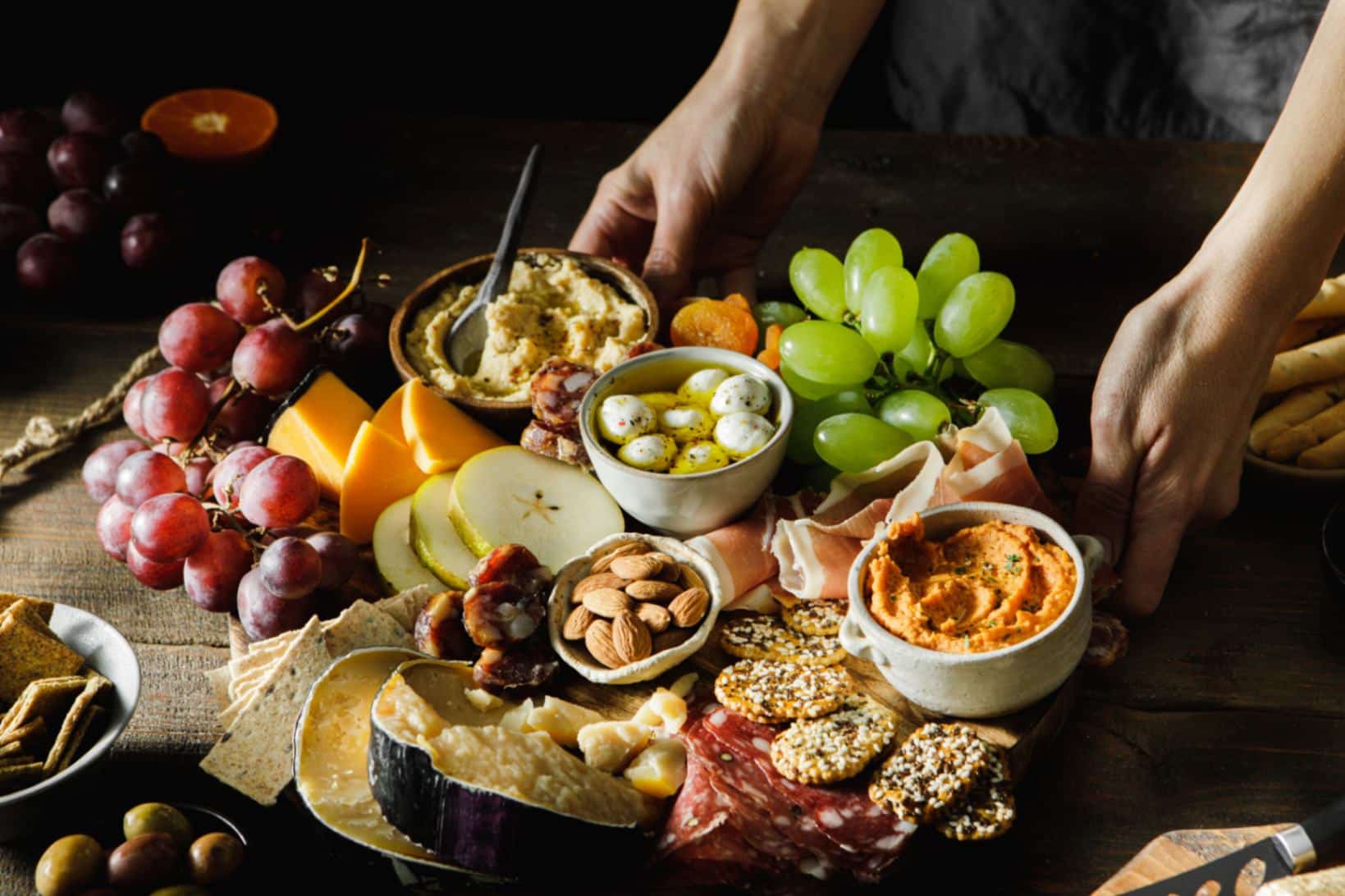
The Mediterranean diet tops many expert lists for overall health and weight loss. It focuses on plant-based foods, healthy fats like olive oil, fish, nuts, seeds, whole grains, fruits, and vegetables. Red meat and sweets are limited but not banned.
Studies show people following this pattern lose weight effectively while improving heart health, blood sugar, and inflammation. One review found it led to greater weight loss than low-fat diets in some cases, with better long-term maintenance.
:max_bytes(150000):strip_icc()/EWL-2058981-ultimate-mediterranean-diet-shopping-list-hero-01-V2-648584f67a2a40039d7a62e2d80d8271.jpg)
Why it works for weight loss:
- High fiber from plants keeps you full longer.
- Healthy fats satisfy hunger without excess calories.
- Flexible enough for family meals and eating out in the USA.
Sample daily foods:
- Breakfast: Greek yogurt with berries and a handful of almonds.
- Lunch: Grilled fish or chickpeas with a large salad drizzled in olive oil, plus whole-grain bread.
- Dinner: Vegetable stir-fry with lean poultry or beans, quinoa, and herbs.
- Snacks: Fresh fruit, carrots with hummus, or a small piece of cheese.
Many Americans adapt this diet easily because ingredients like olive oil, salmon, and produce are widely available.
2. DASH Diet – Great for Heart Health and Weight Control
The DASH (Dietary Approaches to Stop Hypertension) diet was designed to lower blood pressure but also supports weight loss. It is rich in fruits, vegetables, low-fat dairy, whole grains, lean proteins, and nuts while limiting sodium, sweets, and red meats.
Research indicates DASH can reduce body weight and belly fat, especially when combined with calorie awareness. It aligns well with USDA guidelines and is practical for families.
Key features:
- 4-5 servings each of fruits and vegetables daily.
- Low-fat or fat-free dairy for calcium and protein.
- Sodium goal of 2,300 mg or less per day (or 1,500 mg for stronger effects).
A typical plate might include baked salmon, brown rice, steamed broccoli, and a side of melon.
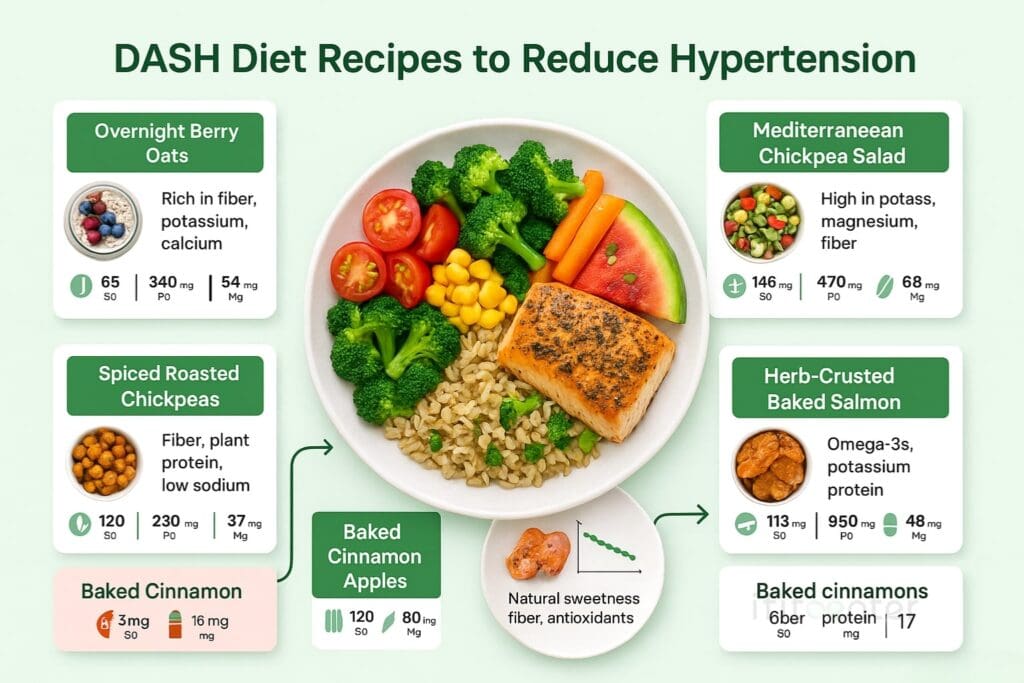
This plan is easy to follow in the USA because grocery stores carry all the needed items, and it promotes balance,d family-friendly meals.
3. Plant-Based or Flexitarian Approaches
Plant-based eating, which includes vegetarian or mostly plant foods with occasional animal products, consistently shows strong results for weight loss. These diets are lower in calorie density thanks to high fiber and water content in vegetables, fruits, beans, and whole grains.
Meta-analyses confirm that people switching to plant-based patterns often lose more weight than those on standard diets, sometimes without strict calorie counting. They also improve cholesterol and blood sugar.
Benefits:
- You can eat larger volumes of food for fewer calories.
- Greater variety keeps meals interesting.
- Environmentally friendly and budget-conscious in many cases.
Example meals: Oatmeal with fruits and nuts for breakfast, lentil soup with salad for lunch, and veggie stir-fry with tofu or beans for dinner.
Flexitarian versions allow occasional meat or fish, making them easier for families transitioning together.
4. Volumetrics Diet – Eat More, Weigh Less
The Volumetrics approach, developed by nutrition researcher Barbara Rolls, focuses on foods with low energy density. You fill up on high-volume, low-calorie options like soups, salads, fruits, and vegetables while moderating higher-density foods like nuts, oils, and meats.
This method supports natural calorie reduction without hunger and ranks highly for sustainable weight loss.
5. Commercial Programs Popular in the USA
Many Americans benefit from structured support:
- WeightWatchers (WW): Uses a points system that encourages balanced choices. No food is off-limits, which helps with long-term adherence. It often ranks as a top program for flexibility and community support.
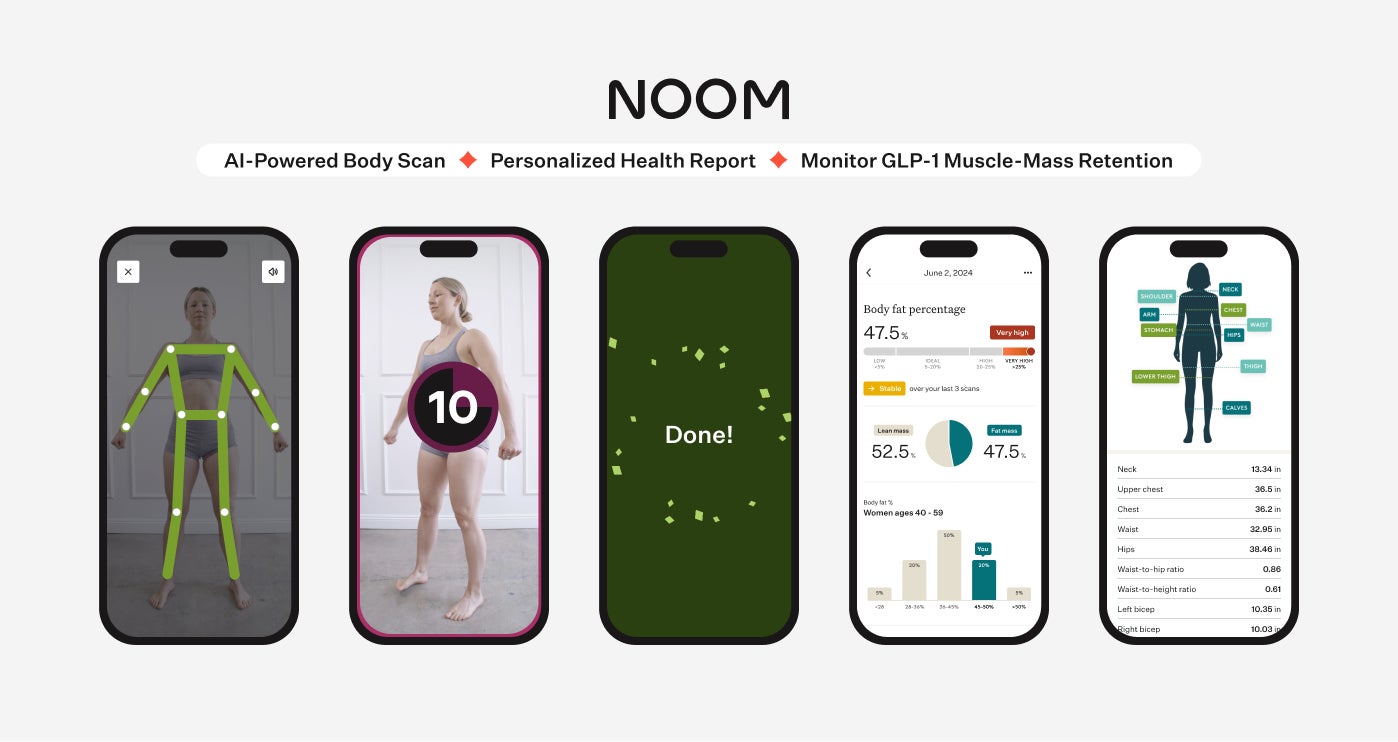
- Noom: A psychology-based app that teaches mindful eating and habit change. It uses color-coded food logging (green, yellow, orange) and daily lessons. Many users appreciate the behavioral focus over strict rules.
- Nutrisystem: Provides portion-controlled meals delivered to your door. Convenient for busy people, though combining with fresh produce is recommended for balance.
These programs often include tracking tools, coaching, and community features that increase success rates.
Intermittent Fasting as a Tool
Some people pair eating patterns with intermittent fasting (IF), which focuses on when you eat rather than what. Common methods include 16:8 (16 hours fasting, 8-hour eating window) or 5:2 (normal eating 5 days, restricted calories 2 days).
Research shows IF can produce similar weight loss to daily calorie restriction, with some studies noting benefits for insulin sensitivity and belly fat. Alternate-day fasting sometimes shows slightly stronger effects, but results vary by individual.
A visual of an intermittent fasting schedule with healthy foods:

Important: IF is not suitable for everyone (e.g., pregnant people, those with eating disorders, or certain medical conditions). Consult a doctor before starting.
Creating Your Personalized Best Diet Plan for Weight Loss
The best diet plan for weight loss is one you can stick with. Here is a practical framework adaptable to most top diets:
- Calculate your needs: Use an online tool or app to estimate daily calories for maintenance, then subtract 500 calories for steady loss. Aim for protein at each meal (chicken, fish, eggs, beans, Greek yogurt, tofu).
- Build balanced plates: Fill half with non-starchy vegetables, one-quarter with lean protein, and one-quarter with whole grains or starchy veggies. Add healthy fats like avocado or olive oil.
- Meal ideas for a week (around 1,500-1,800 calories, adjust as needed):
- Breakfast: Overnight oats with berries, chia seeds, and a scoop of Greek yogurt.
- Lunch: Large salad with mixed greens, grilled chicken or chickpeas, tomatoes, cucumber, olives, feta, and olive oil dressing. Side of fruit.
- Dinner: Baked salmon or turkey, quinoa or brown rice, roasted broccoli and carrots, small sweet potato.
- Snacks: Apple with almond butter, carrot sticks with hummus, or a handful of mixed berries.
- Incorporate movement: Walk 30 minutes daily, add strength training 2-3 times a week. Exercise boosts mood and preserves muscle during weight loss.
- Track and adjust: Use a simple app or journal. Weigh yourself weekly, not daily. Focus on how clothes fit and energy levels.
Assortment of healthy weight loss foods:
![Spring Reset: Healthy Eating for Weight Loss [2025]](https://healthynestnutrition.com/wp-content/uploads/2025/04/groceries.png)
Tips for Success with Family and a Busy Life
- Involve the whole family: Prepare meals together and choose kid-friendly options like veggie-packed tacos or smoothies.
- Shop smart: Stock up on frozen vegetables, canned beans (low-sodium), and seasonal produce.
- Handle eating out: Choose grilled proteins, salads, and ask for dressings on the side.
- Manage cravings: Eat regular meals to avoid extreme hunger. Allow small treats mindfully.
- Stay consistent on weekends: Plan so busy schedules do not derail progress.
Many families in the USA find that simple changes—like swapping soda for water and adding a vegetable to every dinner—lead to noticeable results over months.

Common Challenges and How to Overcome Them
- Plateaus: Increase protein, review portions, or add variety. Small adjustments often restart progress.
- Hunger: Prioritize high-fiber and high-protein foods. Drink water before meals.
- Time constraints: Batch-cook on weekends or use quick options like pre-washed greens and rotisserie chicken (skin removed).
- Social events: Enjoy the company and choose wisely—fill your plate with veggies first.
Remember, weight loss is personal. Genetics, age, hormones, sleep, and stress all play roles. What works for one person may need tweaking for another.
Combining Diet with Lifestyle Changes
For the best diet plan for weight loss, pair eating changes with:
- 7-9 hours of quality sleep nightly.
- Stress management (walking, meditation, hobbies).
- Limiting alcohol and sugary drinks.
- Regular check-ins with a doctor or registered dietitian, especially if you have health conditions.
Newer 2025-2030 Dietary Guidelines for Americans emphasize nutrient-dense foods, protein needs, and limiting processed items—principles that align with top weight-loss diets.
Sample 7-Day Meal Plan Outline (Adaptable)
Day 1-7 structure (Mediterranean/DASH style):
- Breakfast: Whole-grain toast with avocado and eggs or yogurt parfait.
- Mid-morning: Fruit and a few nuts.
- Lunch: Bean or tuna salad wrap with lots of veggies.
- Afternoon: Veggie sticks with yogurt dip.
- Dinner: Lean protein + two vegetables + whole grain.
- Evening (if needed): Herbal tea or a small piece of dark chocolate.
Variety of proteins (fish twice a week, plant-based foods on other days) and colors of produce for maximum nutrients.
Long-Term Maintenance
The real test of the best diet plan for weight loss is keeping the weight off. Focus on habits:
- Continue tracking occasionally.
- Build a support network (family, friends, or online groups).
- Treat setbacks as learning opportunities.
- Celebrate non-scale victories like better energy or improved lab results.
Research shows people who maintain weight loss often follow patterns similar to the Mediterranean or plant-forward styles with ongoing mindful eating.
Conclusion
There is no single magic solution, but the best diet plan for weight loss in the USA combines balanced nutrition, flexibility, and realistic habits. Whether you choose the Mediterranean diet, DASH, a plant-based approach, or a supported program like WeightWatchers or Noom, success comes from consistency and listening to your body.
Start with small, sustainable changes today. Consult a healthcare professional before major shifts, especially if you have medical conditions. With patience and the right plan, you can achieve your goals and enjoy better health for years to come.
Disclaimer: This article is for informational purposes only and is not a substitute for professional medical or nutritional advice. Weight loss results vary by individual. Always consult your doctor or a registered dietitian before starting any new diet or exercise program, particularly if you have health concerns, are pregnant, breastfeeding, or taking medications. Rapid weight loss can be unsafe. Sustainable changes are key to long-term success.
FAQs
1. What is the best diet plan for weight loss in the USA right now? The Mediterranean diet and programs like WeightWatchers or Noom frequently rank highest due to strong evidence, flexibility, and sustainability. Choose based on your lifestyle and preferences.
2. How much weight can I expect to lose on a good plan? Most healthy plans support 1-2 pounds per week. Faster loss is often water weight and harder to maintain.
3. Do I need to count calories? Not always. Focusing on whole foods and portions works well for many. Apps can help if you prefer tracking.
4. Is intermittent fasting safe for weight loss? It can be effective for some, but it is not better than consistent calorie control for everyone. Check with your doctor first.
5. Can families follow the same diet plan? Yes. Plans like Mediterranean or DASH are family-friendly and promote shared healthy meals.
6. What about keto or very low-carb diets? They can produce a quick initial loss but may be harder to sustain long-term and require careful planning to avoid nutrient gaps.
7. How important is exercise with diet? Very important for preserving muscle, boosting mood, and maintaining weight loss. Combine strength and cardio.
References
- U.S. News & World Report expert rankings on best diets and weight-loss programs.
- Healthline, Forbes Health, and Prevention reviews of 2025-2026 diet plans.
- Studies on Mediterranean and DASH diets have been published in journals like The Lancet and the American Journal of Medicine.
- Research on plant-based diets and intermittent fasting from sources including PMC/NIH and Harvard T.H. Chan School of Public Health.
- USDA Dietary Guidelines for Americans (relevant editions).
Always refer to the latest peer-reviewed sources and professional guidelines for the most current information.