
What is the best Intermittent Fasting schedule for beginners?
If you have been searching online for answers about losing weight or feeling more energetic, you have probably come across the question: What is the best Intermittent Fasting schedule for beginners? This simple eating pattern has helped millions of people around the world feel better and drop extra pounds without counting every calorie.
What is the best Intermittent Fasting schedule for beginners? Many experts say the answer is the 16/8 method because it is gentle, easy to follow, and fits most daily routines. In this long guide, we will explain everything step by step in very easy English so you can start confidently today.
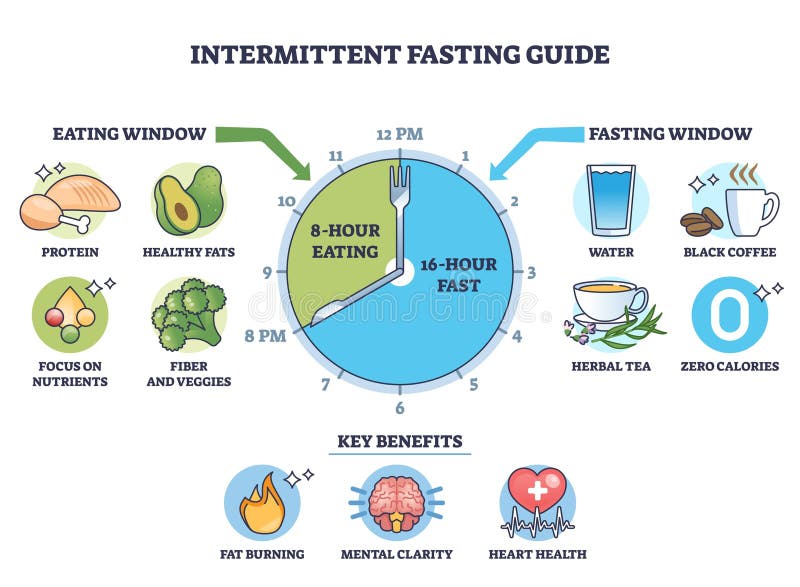
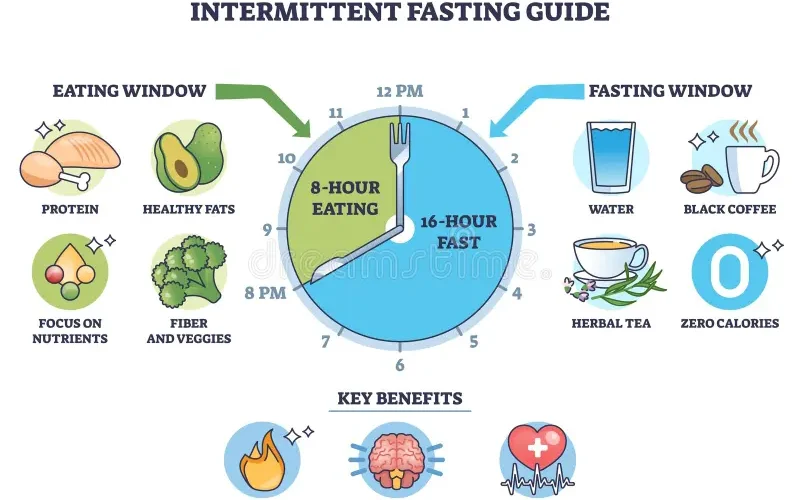
This clear clock picture shows exactly how the 16/8 schedule works. The green part is your eating window, and the blue part is the fasting time. Beginners love this visual because it makes the whole plan simple to understand at a glance.
What Exactly Is Intermittent Fasting?
Intermittent fasting is not a diet that tells you what food to eat. It is a timing plan that tells you when to eat and when to rest from food. Your body spends less time digesting and more time burning stored fat. This natural switch can improve energy, focus, and even sleep.
For complete beginners, the idea feels new, but it is actually very old. People in ancient times often ate only when food was available. Today, we eat all day long because snacks are everywhere. Intermittent fasting simply brings back a natural rhythm.
What is the best Intermittent Fasting schedule for beginners? The key is to pick a plan that matches your lifestyle so you do not feel stressed or hungry all the time. We will explore many options, but we keep coming back to one winner for new starters.
Why Beginners Should Try Intermittent Fasting
Before we dive deeper, let us look at the good things that happen when you follow a good schedule.
- Easy weight loss – You naturally eat fewer calories because your eating window is shorter.
- Better blood sugar control – Many people see steadier energy and less craving for sweets.
- Sharper mind – Fasting helps the brain make new cells and clear waste.
- Simple routine – No need to buy special foods or cook complicated meals.
- More free time – Fewer meals mean less time in the kitchen.
Studies from trusted places like Johns Hopkins and Harvard show these benefits appear within weeks when people stick to the plan safely.
Of course, results depend on your age, health, and how well you follow the rules. That is why we always say start slow and listen to your body.
Popular Intermittent Fasting Schedules Explained
There are many ways to do intermittent fasting. Here are the most common ones that beginners hear about:
- 16/8 method (fast 16 hours, eat in 8 hours)
- 14/10 method (easier starter version)
- 18/6 method (a bit harder)
- 5:2 method (eat normally 5 days, cut calories 2 days)
- Eat-Stop-Eat (full 24-hour fast 1-2 days a week)
What is the best Intermittent Fasting schedule for beginners? Most nutrition experts and real users agree that the 16/8 method wins because it gives real results without feeling extreme. You still eat every day and sleep through most of the fasting time.
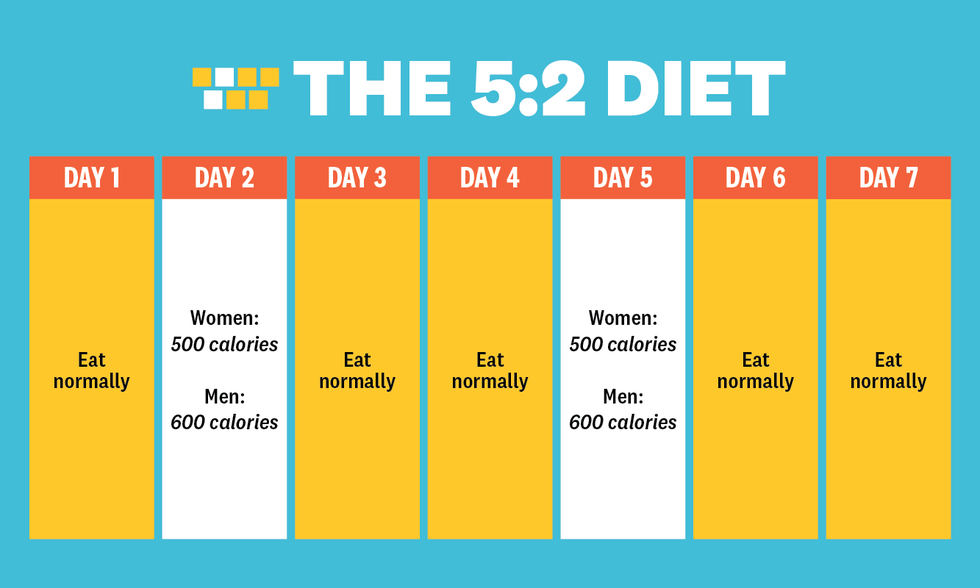
This colorful chart shows the 5:2 method clearly. It is useful if you want a plan that is not daily but still effective.
The 16/8 Method – The Top Choice for New Starters
Let us focus on the winner. In the 16/8 schedule, you fast for 16 hours and enjoy food for the remaining 8 hours. A very common example is eating only between 12 noon and 8 p.m. You skip breakfast, have lunch at noon, dinner by 7 p.m., and then nothing until noon the next day.
Why is this?s What is the best Intermittent Fasting schedule for beginners?
- You sleep for 7-8 hours during the fast.
- You can still enjoy normal meals with family.
- Hunger usually goes away after the first 3-4 days.
- It is flexible – you can shift the window to 10 a.m. to 6 p.m. if you like an early dinner.
Many people who tried harder plans like 18/6 gave up quickly, but they stayed happy with 16/8 for months and even years.
Here is a sample day for a beginner:
- 7 a.m. – Wake up, drink water or black coffee.
- 12 noon – First meal: big salad with chicken, avocado, and olive oil.
- 3 p.m. – Snack: Greek yogurt with berries and nuts.
- 7 p.m. – Dinner: grilled fish, vegetables, and brown rice.
- 8 p.m. – Window closes. Only water, herbal tea, or black coffee after this.
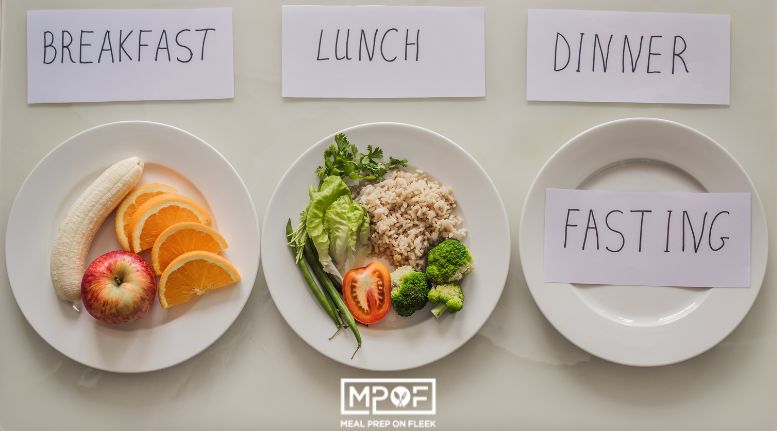
Look at this beautiful meal prep photo. Preparing lunches and dinners ahead makes the 16/8 window super easy and stress-free.
How to Choose Your Perfect Eating Window
What is the best Intermittent Fasting schedule for beginners? It depends on your daily life. Night owls who stay up late often pick noon to 8 p.m. Morning people may choose 9 a.m. to 5 p.m. The golden rule is to pick hours that feel natural so you do not fight your body clock.
Try the schedule for two weeks and adjust if needed. Some beginners start with 14/10 (eat 10 hours) for the first week, then move to 16/8. This gentle start prevents big hunger shocks.
Step-by-Step Guide to Start Intermittent Fasting Today
- Talk to your doctor (very important).
- Pick your window – most beginners choose noon to 8 p.m.
- Stock up on zero-calorie drinks: water, black coffee, green tea.
- Plan your first three meals inside the window.
- Keep a simple journal: note energy levels and hunger each day.
- Add light walking after dinner – it helps digestion.
- Be patient – the first 5 days are the hardest.
What is the best Intermittent Fasting schedule for beginners? Following these exact steps makes the 16/8 method feel easy instead of scary.
What You Can Drink During Fasting Hours
This is a big question for new people. You can drink:
- Plain water (best choice)
- Black coffee (no sugar or milk)
- Green or herbal tea
- Sparkling water with no calories
These drinks keep you hydrated and even reduce hunger. Many beginners say black coffee is their secret weapon in the morning.

This peaceful photo shows someone enjoying coffee during the fasting window. It proves you do not have to feel deprived.
Best Foods to Eat in Your Window
Focus on real, filling foods, so you stay satisfied until the next day:
- Protein: eggs, chicken, fish, Greek yogurt, lentils
- Healthy fats: avocado, nuts, olive oil, seeds
- Vegetables: broccoli, spinach, carrots, salad greens
- Whole grains: brown rice, oats, quinoa (small portions)
- Fruits: berries, apples, oranges (not too much)
Avoid sugary drinks, chips, and fast food inside the window. These make you hungrier later. A balanced plate keeps blood sugar steady and energy high.
Common Mistakes Beginners Make (and How to Avoid Them)
Mistake 1: Jumping straight to 18/6 or 24-hour fasts. Fix: Start with 14/10 or 16/8.
Mistake 2: Eating huge junk meals in the window. Fix: Choose nutrient-rich foods that fill you up.
Mistake 3: Forgetting water. Fix: Drink at least 3 liters every day.
Mistake 4: Giving up after three days of hunger. Fix: Hunger passes – push through one more day,y and it gets much easier.
What is the best Intermittent Fasting schedule for beginners? Avoiding these mistakes is the real secret to long-term success with the 16/8 plan.
Exercise and Intermittent Fasting – A Perfect Pair
You can exercise while fasting. Many people do light walks or yoga in the morning, fast, and feel great. Save heavier workouts like weights for the eating window so you have energy and can refuel right after.
Beginners should start with 30-minute walks every day. This boosts fat burning without tiring you out.
Success Stories from Real Beginners
Sarah from Delhi started on 16/8 three months ago. She lost 8 kg, her energy went up, and she no longer craves evening snacks. “The first week was tough, but now I love it,” she says.
Rahul tried the same schedule and dropped belly fat while keeping muscle. He now recommends it to all his friends.
These stories prove that the best Intermittent Fasting schedule for beginners is the 16/8 method when done right.
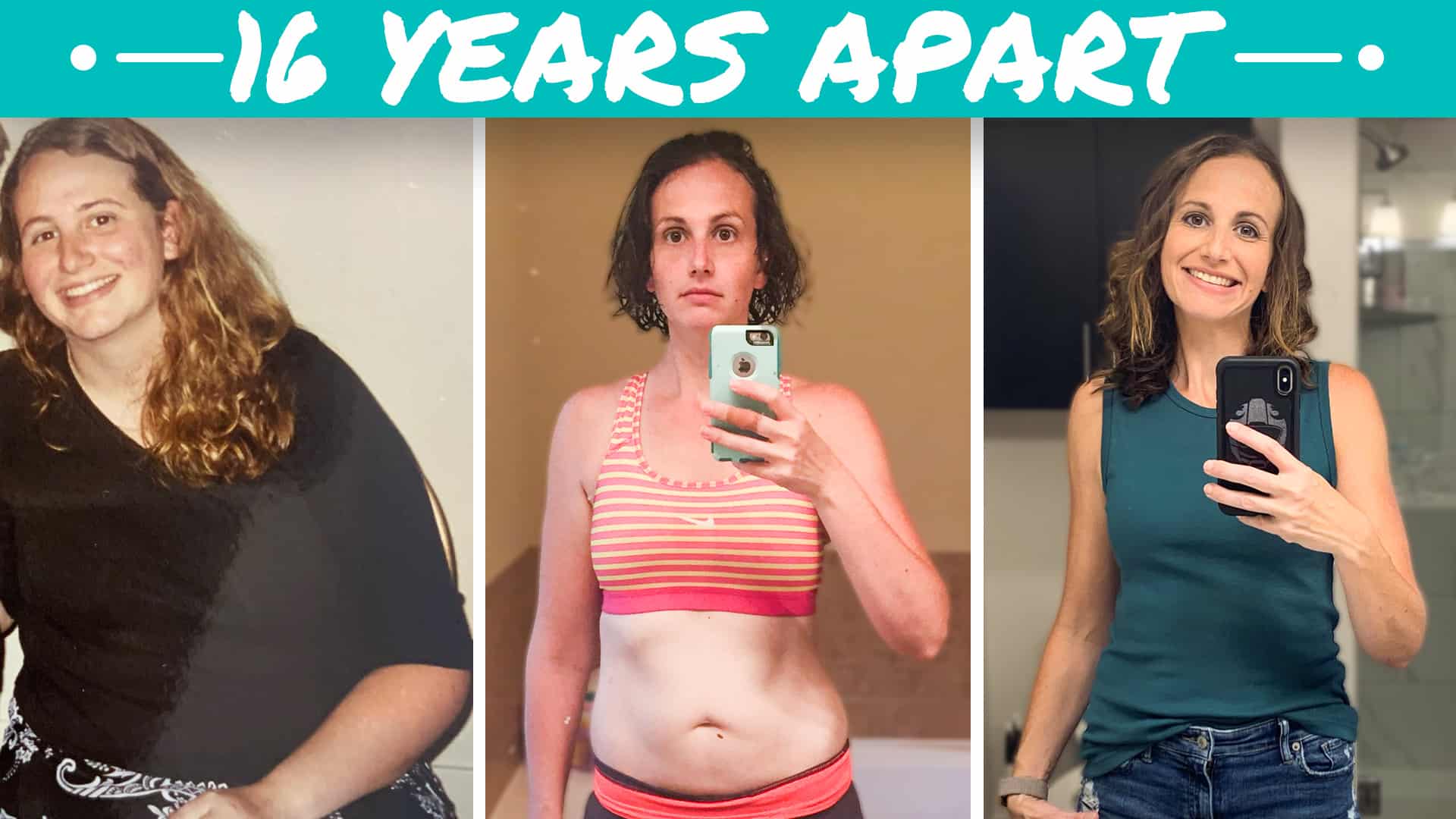
See this inspiring before-and-after picture. Real people achieve amazing changes with consistent intermittent fasting.
The Science Made Simple
When you fast for 1 to 6 hours, your body switches from burning sugar to burning fat. This process is called ketosis (light version). Insulin levels drop, which helps burn stored fat. Cells also repair themselves better during fasting – a process called autophagy.
Harvard researchers found people lose about half a pound per week without feeling deprived. Other studies show better heart health markers and lower inflammation.
All this happens naturally when you give your body a longer break from food.
30-Day Beginner Plan to Make It Easy
Week 1: 14-hour fast (eat 10 hours) Week 2: Move to 15-hour fast Week 3: Full 16/8 Week 4: Add one longer fast day (18 hours) if you feel ready
Track your weight, energy, and sleep each Sunday. Most people see clear changes by day 14.
What is the best Intermittent Fasting schedule for beginners? This gradual 30-day plan turns the 16/8 method into a habit instead of a shock.
More Tips for Long-Term Success
- Prepare meals on Sunday so you are never stuck.
- Eat slowly and stop when 80% full.
- Sleep 7-8 hours – poor sleep makes fasting harder.
- Manage stress with deep breathing or short meditation.
- Celebrate small wins like fitting into old clothes.
These small changes make the schedule feel natural after one month.
What About the 5:2 Method for Beginners?
Some people like eating normally for five days and cutting calories to 500-600 on two non-consecutive days. This works well if you travel a lot or hate daily rules. However, most beginners find the 16/8 daily schedule easier because it becomes automatic.
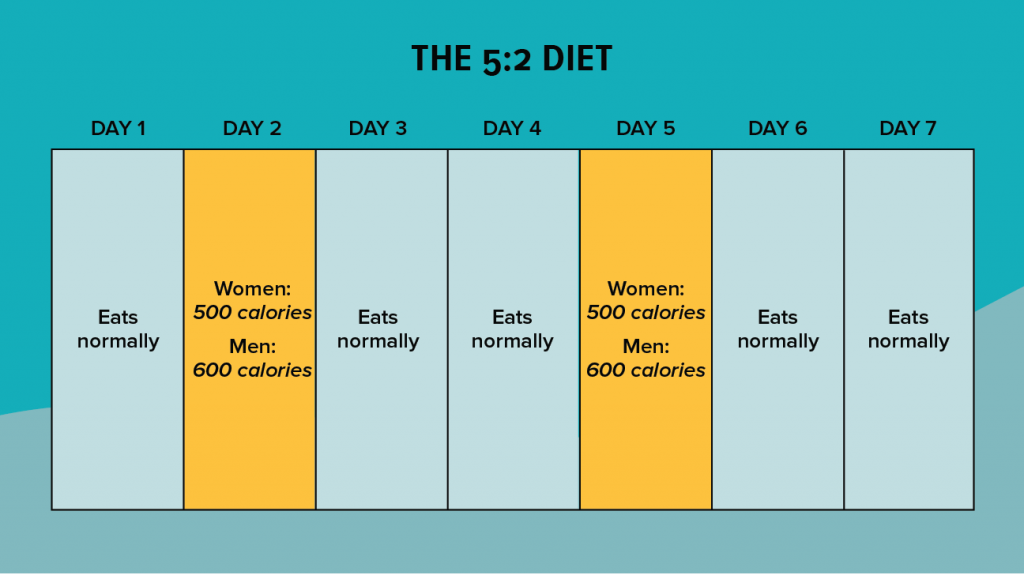
This calendar image shows exactly how the 5:2 method looks week after week.
Myths About Intermittent Fasting
Myth: You will lose muscle. Truth: Proper protein in the window protects muscle.
Myth: It slows metabolism. Truth: Short-term fasting actually keeps metabolism steady or even boosts it.
Myth: Only for young people. Truth: Many people in their 40s, 50s, and 60s succeed safely with doctor approval.
How to Break Your Fast the Right Way
The first meal after fasting should be gentle. Start with soup, yogurt, or eggs instead of heavy fried food. This prevents stomach discomfort and keeps energy steady.
Shopping List for Beginner Success
- Eggs and Greek yogurt
- Chicken, fish, lentils
- Lots of vegetables and berries
- Nuts and seeds
- Olive oil and spices
- Black coffee and herbal teas
Keep the kitchen ready, and success becomes much easier.
What is the best Intermittent Fasting schedule for beginners? Having the right foods ready makes the 16/8 plan a simple lifestyle, rather than a struggle.
Combining Intermittent Fasting with Other Healthy Habits
Add strength training twice a week. Drink more water. Walk 10,000 steps daily. These habits multiply the benefits of your fasting schedule. Many people report better skin, deeper sleep, and a happier mood after one month.
What If You Feel Tired or Dizzy?
This can happen in the first week. Drink extra water with a pinch of salt, eat a little more protein, or shorten the fast by one hour. If symptoms continue, stop and see your doctor. Safety always comes first.
Long-Term Benefits After Six Months
People who stick with 16/8 often keep the weight off, have lower blood pressure, and feel more in control of their eating. Some even report fewer cravings for sweets all day long.
Sample Weekly Meal Ideas
Monday: Noon – chicken salad; 7 p.m. – grilled salmon and broccoli Tuesday: Noon – lentil soup; 7 p.m. – vegetable stir-fry with tofu Wednesday: Same pattern but swap proteins
You can repeat and change flavors so you never get bored. Each meal stays inside the 8-hour window.
What is the best Intermittent Fasting schedule for beginners? These real meal examples show how flexible and tasty the 16/8 method really is.
Tracking Progress Without Obsession
Weigh yourself once a week. Take body measurements. Notice how clothes fit. Write three good things you feel each day. These gentle trackers keep motivation high without stress.
Intermittent Fasting for Busy People
Office workers can eat from 1 p.m. to 9 p.m. Parents can choose 11 a.m. to 7 p.m. Students can pick from 2 p.m. to 10 p.m. The beauty of 16/8 is that it moves with your life.
Special Tips for Women Beginners
Women sometimes do better starting with 14/10 and keeping fasting windows shorter during certain cycle days. Listen to your body and adjust. Many women report easier periods and less bloating after adapting.
Special Tips for Men Beginners
Men often see faster fat loss because of higher muscle mass. They can add resistance training easily inside the window and enjoy bigger meals without worry.
What Happens After One Year?
Many long-term users say they cannot imagine going back to all-day eating. Their bodies feel lighter, minds clearer, and energy steadier. The 16/8 schedule becomes their new normal.
What is the best Intermittent Fasting schedule for beginners? After reading everything, you now know why experts and real people choose 16/8 above all others for starting.
Conclusion
We have covered every detail from basics to advanced tips. You now understand exactly what the best Intermittent Fasting schedule is for beginners. – It is the 16/8 method done with patience, good food, and doctor guidance.
Start small, stay consistent, and watch your body thank you. Thousands of beginners in India and around the world have changed their lives with this simple timing plan. You can be next.
Remember: What is the best Intermittent Fasting schedule for beginners? The one you can follow happily for life. The 16/8 method wins again and again because it is practical, effective, and kind to your body.
What is the best Intermittent Fasting schedule for beginners? We hope this guide answered all your questions and gave you the confidence to begin today.
What is the best Intermittent Fasting schedule for beginners? Choose 16/8, prepare your first week, and enjoy the journey.
What is the best Intermittent Fasting schedule for beginners? It is the schedule that fits your life while giving real results – and that is 16/8.
What is the best Intermittent Fasting schedule for beginners? After everything we shared, the answer stays clear and simple.
What is the best Intermittent Fasting schedule for beginners? Start with 16/8 and adjust only if needed.
What is the best Intermittent Fasting schedule for beginners? Yes, the 16/8 method is still the top recommendation.
What is the best Intermittent Fasting schedule for beginners? You now have all the tools to succeed.
What is the best Intermittent Fasting schedule for beginners? Go ahead and try it – your future self will be glad you did.
What is the best Intermittent Fasting schedule for beginners? The journey starts with one meal inside an 8-hour window.
What is the best Intermittent Fasting schedule for beginners? We have repeated it many times because it is the question that started this whole guide.

This image reminds us to always consult a doctor before beginning, just as we said in the disclaimer.
FAQs
Q1: Is 16/8 safe for complete beginners? Yes, most healthy adults can start safely after doctor approval. Begin slowly and listen to your body.
Q2: Can I drink tea or coffee? Yes, black coffee and plain tea are allowed during fasting hours.
Q3: Will I feel very hungry at first? The first 3-5 days can be tough, but hunger usually drops sharply after that.
Q4: How much weight can I lose in one month? Beginners often lose 2-5 kg depending on starting weight and food choices.
Q5: Can I exercise while fasting? Light walking is fine. Save intense workouts for the eating window.
Q6: What if I miss my window one day? Just return to the plan the next day. One mistake does not ruin everything.
Q7: Is intermittent fasting good for women? Yes, many women succeed. Some prefer gentler windows during certain times of the month.
Q8: Do I need to count calories? No. The shorter window naturally reduces calories for most people.
Q9: Can kids or teenagers try it? No. Growing children need regular meals and should not fast without medical supervision.
Q10: How long should I continue? You can continue as long as you feel good and your doctor says it is safe.
References
- Johns Hopkins Medicine – Intermittent Fasting: What it is and how it works
- Harvard T.H. Chan School of Public Health – The health benefits of intermittent fasting
- Cleveland Clinic – Intermittent Fasting: 4 Different Types Explained
- Healthline – Intermittent Fasting Diet Plan: 7-Day Meal Guide
- Mayo Clinic – Intermittent fasting: Fad or valid weight-loss solution?
- Verywell Health – 7 Intermittent Fasting Schedules and How to Choose
- Mass General Brigham – Intermittent Fasting Benefits, Risks, and How it Works
All information is based on current, reliable health sources as of 2026. Stay safe, start slow, and enjoy your new, healthier rhythm with intermittent fasting!


