
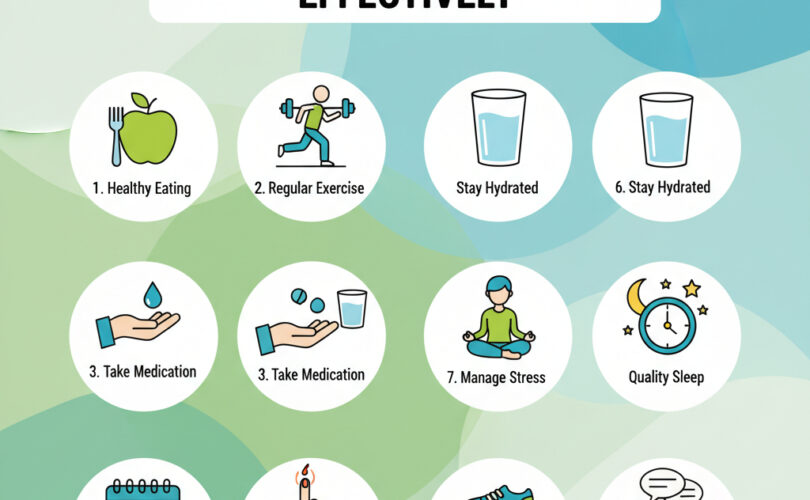
Top 10 Daily Habits for Managing Type 2
Diabetes Effectively
Living with type 2 diabetes can feel overwhelming at first, but incorporating simple (Top 10 Daily Habits for Managing Type 2 Diabetes Effectively) consistent daily habits into your routine can make a world of difference. Type 2 diabetes is a chronic condition where your body either resists the effects of insulin or doesn’t produce enough insulin to maintain normal blood sugar levels.
According to health experts, effective management focuses on lifestyle changes that help control blood glucose, reduce complications, and improve overall well-being. In this comprehensive guide, we’ll explore the top 10 daily habits for managing type 2 diabetes, backed by practical tips, benefits, and evidence-based insights.
Whether you’re newly diagnosed or looking to refine your approach, these habits can empower you to take charge of your health.
By prioritizing these routines, many people have successfully lowered their A1C levels, lost weight, and even reduced their reliance on medications. We’ll also share inspiring success stories from individuals who turned their diagnosis into a catalyst for positive change.
Remember, while these habits are grounded in reliable health recommendations, they’re not a substitute for personalized medical advice.
Why Daily Habits Matter in Type 2 Diabetes
Management
Before diving into the list, it’s essential to understand why daily habits are crucial. (Top 10 Daily Habits for Managing Type 2 Diabetes Effectively) Type 2 diabetes affects over 34 million Americans, and poor management can lead to serious complications like heart disease, nerve damage, and kidney issues.
However, research shows that lifestyle interventions can prevent or delay these risks. For instance, regular monitoring and healthy eating can stabilize blood sugar spikes, while exercise enhances insulin sensitivity. Adopting these habits isn’t about perfection; it’s about consistency. Start small, track your progress, and adjust as needed with your healthcare team’s guidance.
1. Monitor Your Blood Sugar Levels Daily
One of the foundational habits for managing type 2 diabetes is checking your blood glucose (Top 10 Daily Habits for Managing Type 2 Diabetes Effectively) levels regularly. This practice provides real-time insights into how food, activity, and stress affect your body, allowing you to make informed adjustments.
Benefits of Daily Monitoring
Frequent checks help prevent hyperglycemia (high blood sugar) and hypoglycemia (low blood sugar), reducing the risk of long-term complications. Studies indicate that consistent self-monitoring can lower A1C levels by up to 1%. It also empowers you to spot patterns, like how a morning walk impacts your readings.
Practical Tips
- Use a glucometer or continuous glucose monitor (CGM) as recommended by your doctor.
- Check at key times: fasting in the morning, before and after meals, and before bed. (Top 10 Daily Habits for Managing Type 2 Diabetes Effectively)
- Log results in an app or journal to share with your healthcare provider.
- Aim for target ranges: 80-130 mg/dL before meals and under 180 mg/dL after.
Incorporate this habit by setting phone reminders. Over time, it becomes second nature, helping you feel more in control.
2. Adopt a Balanced and Nutritious Diet
Eating well is a cornerstone of type 2 diabetes management. Focus on nutrient-dense foods that stabilize blood sugar rather than restrictive diets.
Key Components of a Diabetes-Friendly Diet
Prioritize whole foods: vegetables, fruits, lean proteins, whole grains, and healthy fats. Limit processed sugars, refined carbs, and saturated fats. For example, choose brown rice over white and opt for berries instead of candy.
Benefits
A balanced diet can improve insulin resistance, aid weight loss, and lower cholesterol. Research from the American Diabetes Association highlights that healthier carbohydrate choices reduce the risk of cardiovascular issues. (Top 10 Daily Habits for Managing Type 2 Diabetes Effectively)
Daily Tips
- Start your day with a protein-rich breakfast like eggs and veggies.
- Use the plate method: half non-starchy veggies, a quarter protein, a quarter whole grains.
- Snack smart: nuts, yogurt, or apple slices with peanut butter.
- Read labels to avoid hidden sugars in drinks and sauces.
Meal prepping on weekends ensures you stick to this habit, making healthy choices effortless.
3. Engage in Regular Physical Activity
Movement is medicine for type 2 diabetes. Aim for at least 150 minutes of moderate exercise per week, but (Top 10 Daily Habits for Managing Type 2 Diabetes Effectively) break it into daily sessions for sustainability.
Types of Exercise to Include
Mix aerobic activities like walking or cycling with strength training such as weightlifting or yoga. Even household chores count!
Benefits
Exercise increases insulin sensitivity, helping cells use glucose more efficiently. It also supports weight management and boosts mood. Regular activity can reduce A1C by 0.5-1% and lower blood pressure.
How to Make It a Habit
- Walk for 30 minutes after dinner.
- Join a class or use free online videos for variety.
- Track steps with a pedometer, aim for 7,000-10,000 daily.
- Start slow if you’re new to exercise to avoid injury.
Consistency trumps intensity; find activities you enjoy to keep motivation high.
4. Maintain a Healthy Weight
Weight management is pivotal, as even modest loss can dramatically improve diabetes control.
Strategies for Sustainable Weight Loss (Top 10 Daily Habits for Managing Type 2 Diabetes Effectively)
Combine diet and exercise while focusing on portion control. Avoid fad diets; aim for 1-2 pounds per week.
Benefits
Losing 5-10% of body weight can enhance insulin function and reduce medication needs. It also decreases the risk of heart disease and sleep apnea.
Daily Implementation
- Weigh yourself weekly, not daily, to track progress.
- Incorporate mindful eating: eat slowly and stop when full.
- Set realistic goals, like swapping soda for water.
- Seek support from a dietitian or support group.
Remember, it’s about health, not aesthetics—celebrate non-scale victories like better energy levels.
5. Stay Hydrated Throughout the Day
Hydration often gets overlooked, but it’s vital for blood sugar regulation.
Why Water Matters
Dehydration can concentrate blood sugar, leading to higher levels. Water helps the kidneys flush excess glucose.
Benefits
Adequate hydration supports digestion, energy, and weight control. It can prevent overeating by curbing false hunger signals.
Tips for Daily Hydration
- Drink 8-10 glasses (64-80 oz) of water daily.
- Infuse with lemon or cucumber for flavor without calories.
- Limit caffeinated or sugary drinks.
- Carry a reusable bottle as a reminder.
Monitor urine color: pale yellow indicates good hydration.
6. Manage Stress Effectively
Chronic stress raises cortisol, which can spike blood sugar. Daily stress management is key.
Techniques to Try
Practice mindfulness, deep breathing, or meditation. Hobbies like reading or gardening also help.
Benefits
Reducing stress improves glycemic control and mental health. It can lower A1C and enhance sleep quality.
Building the Habit
- Dedicate 10 minutes daily to relaxation exercises.
- Journal thoughts before bed.
- Connect with friends or a therapist.
- Avoid stressors like overcommitting.
Over time, this habit fosters resilience against diabetes-related anxiety.
7. Prioritize Quality Sleep
Aim for 7-9 hours of restful sleep nightly, as poor sleep disrupts insulin production.
Improving Sleep Hygiene
Maintain a consistent schedule, create a cool, dark environment, and avoid screens before bed.
Benefits
Good sleep regulates hormones, aiding blood sugar stability. It reduces cravings for unhealthy foods and boosts energy for exercise.
Daily Routines
- Wind down with herbal tea.
- Exercise earlier in the day.
- Track sleep with an app.
- Address issues like sleep apnea with your doctor.
Quality sleep is a game-changer for sustained energy and better decisions.
8. Take Medications as Prescribed
Adherence to your treatment plan is non-negotiable.
Understanding Your Regimen
Whether oral meds, insulin, or others, follow dosages and timings precisely.
Benefits
Medications help maintain target blood sugar, preventing complications.
Tips for Compliance
- Use pill organizers or apps for reminders.
- Discuss side effects with your provider.
- Never skip doses without advice.
- Refill prescriptions early.
This habit ensures other lifestyle efforts are supported effectively.
9. Limit Alcohol and Quit Smoking
These vices exacerbate diabetes risks.
Moderation and Cessation
Limit alcohol to one drink daily for women, two for men. Quit smoking entirely.
Benefits
Quitting smoking improves circulation and lung health, while moderate alcohol consumption prevents blood sugar fluctuations.
Practical Steps
- Seek cessation programs or nicotine aids.
- Choose non-alcoholic alternatives.
- Track triggers and replace with healthy habits.
- Celebrate milestones.
Your body will thank you with better overall health.
10. Schedule Regular Medical Check-ups
Stay proactive with healthcare visits.
What to Expect
Annual exams, foot checks, eye exams, and blood tests.
Benefits
Early detection of issues prevents progression.
Making It Routine
- Book appointments in advance.
- Prepare questions and logs.
- Follow up on recommendations.
- Involve family for support.
Regular check-ups keep you accountable and informed.
Success Stories: Real People Thriving with Type 2
Diabetes
Hearing from others can inspire your journey. Here are a few anonymized success stories based on real experiences shared by individuals managing type 2 diabetes.
Story 1: Roger’s Transformation
Roger, a New Jersey resident, was diagnosed with type 2 diabetes in 2019 at age 55. Overwhelmed at first, he committed to daily walks and cutting sugary drinks. Within six months, he lost 20 pounds and lowered his A1C from 8.5% to 6.2%. “It changed my life, I have more energy for my grandkids now,” he says. Roger credits monitoring and meal planning for his success.
Story 2: Bruno’s Long-Term Victory
Bruno, diagnosed in 2006 at 50, feared complications like his family members. (Top 10 Daily Habits for Managing Type 2 Diabetes Effectively) He adopted a veggie-heavy diet and strength training. Over 15 years, he’s maintained stable blood sugar without major issues. “Consistency is key. I prep meals daily and exercise no matter what,” Bruno shares. His story highlights preventing family legacies of poor health.
Story 3: Maggie’s Medication-Free Life
Maggie, a healthcare professional, was diagnosed with type 2 diabetes but turned to education and lifestyle changes. With her diabetes educator’s help, she focused on balanced eating and stress reduction. Remarkably, she’s now off medications, with normal A1C levels. “Education empowered me—small daily habits added up,” she explains.
Story 4: A Group Effort from Know Diabetes by Heart Ambassadors
Volunteers like those in the Know Diabetes by Heart program share how group support helped. One ambassador lost 30 pounds through daily habits like hydration and walking, reducing heart risk. “Sharing stories keeps me motivated,” they note. These collective experiences show community power in management.
These stories prove that with dedication, managing type 2 diabetes can lead to a fuller life.
Disclaimer
This article is for informational purposes only and is not intended as medical advice, diagnosis, or treatment. Always consult your healthcare provider before (Top 10 Daily Habits for Managing Type 2 Diabetes Effectively)making changes to your diet, exercise, or medication regimen. Individual needs vary, and professional guidance is essential to tailor strategies to your health status. The success stories are based on real accounts, but results are not guaranteed.
FAQs: Common Questions About Managing Type 2
Diabetes
Here are answers to frequently asked questions to help clarify your diabetes management journey.
1. What is type 2 diabetes?
Type 2 diabetes occurs when the body becomes resistant to insulin or doesn’t produce enough. It’s often linked to lifestyle factors like obesity and inactivity.
2. Can type 2 diabetes be reversed?
While not curable, it can go into remission through weight loss, diet, and exercise. Remission means normal blood sugar without meds.
3. How often should I check my blood sugar?
Typically 1-4 times daily, depending on your plan. More if adjusting meds or ill.
4. What foods should I avoid? (Top 10 Daily Habits for Managing Type 2 Diabetes Effectively)
Limit sugary drinks, processed meats, refined carbs, and high-salt items. Focus on whole foods.
5. Is exercise safe with diabetes?
Yes, but start slow and monitor blood sugar. Consult your doctor for personalized advice.
6. How does stress affect diabetes?
Stress raises cortisol, spiking blood sugar. Manage with relaxation techniques.
7. What are common complications?
Heart disease, neuropathy, retinopathy, and kidney damage can occur if unmanaged.
8. Can I drink alcohol?
In moderation—check with your doctor, as it can affect blood sugar.
9. Why is sleep important?
Poor sleep impairs insulin sensitivity. Aim for 7-9 hours nightly.
10. How do I start managing my diabetes?
Begin with small habits, track progress, and work with a healthcare team.
Conclusion:
Empower Your Journey Today
Managing type 2 diabetes effectively boils down to these top 10 daily habits, from monitoring blood sugar (Top 10 Daily Habits for Managing Type 2 Diabetes Effectively) to regular check-ups. By integrating them gradually, you can achieve better control, fewer complications, and a higher quality of life. Draw inspiration from the success stories and use the FAQs for quick guidance. Start today, your future self will appreciate it. For more personalized strategies, reach out to your healthcare provider.






[…] foods should I avoid to control blood sugar? Limit sugary foods, refined carbs like white bread, processed snacks, and high-GI items like candy […]