

Intermittent Fasting
Schedules, Benefits, and Potential Risks
Introduction to Intermittent Fasting
In today’s fast-paced world, where health and wellness trends evolve rapidly, Intermittent Fasting has emerged as a popular approach to managing weight, improving metabolic health, and potentially extending lifespan. Unlike traditional diets that focus on what you eat, Intermittent Fasting emphasizes when you eat, cycling between periods of eating and fasting. This eating pattern doesn’t prescribe specific foods but rather structures your meals around designated time windows or days.
Intermittent Fasting isn’t a new concept; it has roots in various cultural and religious practices, such as Ramadan or Lent, where fasting plays a central role. Modern science, however, has brought it into the spotlight, with research exploring its effects on the body. From celebrities to everyday individuals, many are adopting Intermittent Fasting for its purported simplicity and effectiveness. But what exactly does it entail, and is it suitable for everyone? This comprehensive guide delves into the schedules, benefits, and potential risks of Intermittent Fasting, drawing on the latest insights to help you make an informed decision.
As we explore Intermittent Fasting further, it’s essential to understand its foundational principles. During fasting periods, the body shifts from using glucose as its primary energy source to burning stored fat, a process known as metabolic switching. This can lead to various physiological changes that proponents claim enhance overall health. However, like any lifestyle change, Intermittent Fasting comes with considerations that vary based on individual health status, age, and goals.
What is Intermittent Fasting?
At its core, Intermittent Fasting is an eating pattern that alternates between periods of food intake and abstinence. It’s not about calorie counting per se, though it often results in reduced caloric consumption due to shorter eating windows. The key is timing: by extending the time between meals, Intermittent Fasting allows the body to enter a fasted state, where insulin levels drop, and fat-burning mechanisms kick in.
Scientific studies highlight that Intermittent Fasting triggers several cellular processes. For instance, after depleting sugar stores, the body begins to produce ketones from fat, which can improve brain function and energy levels. This metabolic shift is believed to mimic the benefits of calorie restriction without the need for constant monitoring of portions.
Intermittent Fasting differs from starvation because it’s controlled and periodic. Starvation occurs after prolonged fasting (typically 5-7 weeks in healthy adults), leading to muscle and organ breakdown. In contrast, Intermittent Fasting is designed to be sustainable, with fasting periods ranging from 12 hours to several days, depending on the method.
One of the appeals of Intermittent Fasting is its flexibility. It can be adapted to fit busy lifestyles, making it more approachable than rigid diets. However, success depends on consistency and listening to your body’s signals. As research continues, including studies from institutions like Johns Hopkins Medicine, Intermittent Fasting is gaining credibility as a tool for weight management and disease prevention.
Popular Schedules of Intermittent Fasting
Intermittent Fasting offers various schedules, allowing individuals to choose one that aligns with their routine and tolerance. Here are some of the most common methods, each with its unique structure.
The 16/8 Method
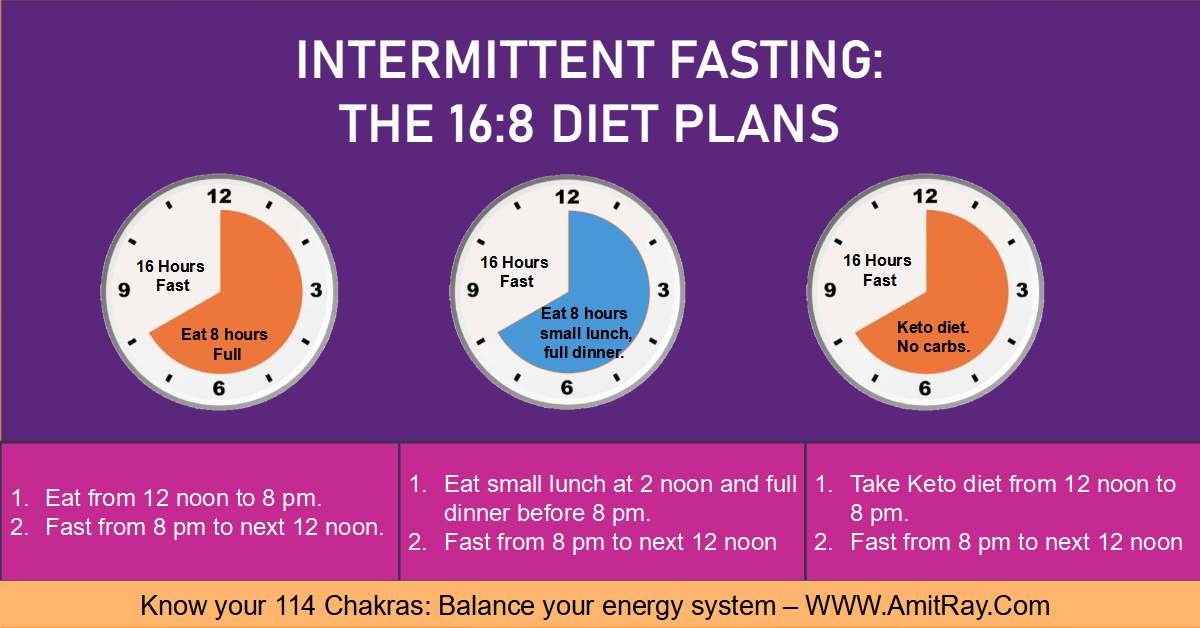
The 16/8 method is perhaps the most popular form of Intermittent Fasting, involving 16 hours of fasting followed by an 8-hour eating window. For example, you might eat between noon and 8 p.m., fasting from 8 p.m. until noon the next day. This schedule aligns well with natural circadian rhythms, as it often skips breakfast, allowing the body to fast overnight.
Studies suggest that the 16/8 approach can lead to weight loss of 3-8% over several weeks by creating a calorie deficit. It’s beginner-friendly because the fasting period includes sleep time, reducing perceived hunger. Variations include shifting the window to 10 a.m. to 6 p.m. for those who prefer earlier meals.
The 5:2 Diet
In the 5:2 diet, you eat normally for five days a week and restrict calories to 500-600 on the remaining two non-consecutive days. This isn’t a full fast but a significant reduction, often called “fasting days.” On these days, focus on nutrient-dense foods like vegetables, lean proteins, and small portions to meet the limit.
Research indicates this method can improve insulin sensitivity and reduce inflammation, similar to other Intermittent Fasting protocols. It’s ideal for those who find daily restrictions challenging, as it allows normal eating most of the week. However, planning is key to avoiding overeating on non-fasting days.
Eat-Stop-Eat
Eat-Stop-Eat involves a full 24-hour fast once or twice a week. For instance, you might finish dinner at 7 p.m. and not eat again until 7 p.m. the next day. During the fast, only water, tea, or black coffee is allowed.
This schedule promotes autophagy, a cellular repair process where the body cleans out damaged cells. While effective for weight loss, it can be intense for beginners, potentially causing fatigue or irritability. It’s recommended to start with shorter fasts and build up.
Alternate-Day Fasting
Alternate-Day Fasting alternates between “feast” days (normal eating) and “fast” days (500 calories or less). Some variations allow zero calories on fast days, but this can be unsustainable.
Clinical trials show weight loss of 2.5-8% in 3-8 weeks, along with improvements in triglycerides and cholesterol. However, adherence can be low due to hunger on fast days. It’s best for those with medical supervision.
Other Variations
Less common schedules include the Warrior Diet (20 hours fasting, 4-hour eating window) or spontaneous meal skipping. The key to any Intermittent Fasting schedule is personalization—experiment to find what works without causing stress.
Benefits of Intermittent Fasting
Intermittent Fasting has garnered attention for its wide-ranging benefits, supported by both animal and human studies. While more long-term research is needed, current evidence points to improvements in several health areas.
Weight Loss and Fat Reduction
One of the primary benefits of Intermittent Fasting is weight loss. By shortening the eating window, many naturally consume fewer calories, leading to a deficit. Studies show average losses of 3-8% body weight over 3-12 months. Additionally, it preserves muscle mass better than continuous calorie restriction in some cases.
Intermittent Fasting boosts metabolism by increasing norepinephrine, which enhances fat burning. In one study, participants lost fat while maintaining muscle during 16-hour fasts. This makes it effective for reducing visceral fat, the dangerous kind around organs.
Improved Metabolic Health
Intermittent Fasting can enhance insulin sensitivity, lowering blood sugar levels and reducing the risk of type 2 diabetes. Fasting periods allow insulin to drop, promoting fat breakdown and better glucose control. Research from Mass General Brigham notes reduced insulin resistance as a key benefit.
It also improves lipid profiles, lowering LDL cholesterol and triglycerides while raising HDL. These changes contribute to better heart health, with studies linking Intermittent Fasting to lower blood pressure and inflammation.

Brain Health and Cognitive Function
Fasting stimulates brain-derived neurotrophic factor (BDNF), which supports neuron growth and protects against neurodegenerative diseases like Alzheimer’s. Human studies show improved verbal memory and thinking.
Animal research indicates fasting preserves learning and memory, slowing brain disease processes. Many report sharper focus during fasts, attributed to ketone use for brain fuel.
Cellular Repair and Longevity
Intermittent Fasting triggers autophagy, where cells recycle damaged components, potentially extending lifespan. This process protects against age-related diseases, including cancer and inflammatory conditions.
Studies suggest reduced oxidative stress and gene expression changes that promote longevity. While human data is limited, animal models show extended lifespans with fasting regimens.
Heart Health Benefits
By lowering cholesterol, blood pressure, and inflammation, Intermittent Fasting may reduce cardiovascular risk. One study found improved heart measurements in participants. However, a 2024 study linked 8-hour eating windows to higher cardiovascular death risk, highlighting the need for caution with extreme schedules.
Other Potential Benefits
Intermittent Fasting may boost immunity, improve physical performance, and aid tissue repair. It’s also linked to better sleep and mood in some individuals, though results vary.
Potential Risks and Side Effects of Intermittent Fasting
While Intermittent Fasting offers benefits, it’s not without risks. Understanding these is crucial for safe practice.
Hunger and Irritability
Initial side effects include increased hunger, headaches, and mood swings as the body adapts. These usually subside after 2-4 weeks, but can lead to overeating if not managed.
Nutrient Deficiencies
Restricting eating windows might limit nutrient intake, risking deficiencies in vitamins and minerals. Focus on balanced meals during eating periods to mitigate this.
Muscle Loss
Weight loss from Intermittent Fasting can include muscle, impacting metabolism. Incorporate resistance training to preserve lean mass.
Impact on Women and Hormones
Some women experience hormonal disruptions, like irregular periods, from Intermittent Fasting. Shorter fasts may be better for reproductive health.
Risks for Certain Groups
Intermittent Fasting isn’t recommended for pregnant or breastfeeding women, those with eating disorders, diabetes (risk of hypoglycemia), or underweight individuals. Older adults may lose too much weight, leading to frailty.
Long-Term Concerns
A study linked <8-hour eating windows to 91% higher cardiovascular death risk. More research is needed on long-term safety, as most studies are short-term.
Other side effects: fatigue, dizziness, constipation, and sleep disturbances. Monitor and consult a doctor if issues persist.
How to Start Intermittent Fasting Safely
Begin with a gentle schedule like 12/12, gradually extending to 16/8. Stay hydrated, eat nutrient-rich foods, and listen to your body. Combine with exercise for optimal results.

Track progress with a journal, noting energy levels and hunger. If you’re new, seek professional advice.
Tips for Success with Intermittent Fasting
- Hydrate: Drink water and herbal tea during fasts.
- Nutrient Focus: Prioritize whole foods, proteins, fats, and veggies.
- Exercise: Time workouts during eating windows.
- Sleep: Aim for 7-9 hours to support recovery.
- Be Patient: Adaptation takes time.
- Avoid Extremes: Don’t push if feeling unwell.
Intermittent Fasting can be transformative, but sustainability is key.
Disclaimer
This article on Intermittent Fasting is for informational purposes only and does not constitute medical advice. Intermittent Fasting may not be suitable for everyone, particularly those with medical conditions, pregnant or breastfeeding individuals, or a history of eating disorders. Always consult a healthcare professional before starting Intermittent Fasting or any new diet regimen. Results vary, and potential risks should be weighed against benefits. The author and publisher are not responsible for any adverse effects from applying this information.
FAQs
What is the best Intermittent Fasting schedule for beginners?
The 16/8 method is ideal for beginners, as it involves fasting for 16 hours (including sleep) and eating within an 8-hour window.
Can Intermittent Fasting help with weight loss?
Yes, Intermittent Fasting often leads to weight loss by reducing calorie intake and boosting fat burning, with studies showing 3-8% reductions in body weight.
Are there any foods to avoid during Intermittent Fasting?
Focus on whole, nutrient-dense foods. Avoid processed sugars and junk food to maximize benefits.
Is Intermittent Fasting safe for women?
It can be, but some women may experience hormonal changes. Shorter fasts or cycling methods are recommended; consult a doctor.
How long does it take to see results from Intermittent Fasting?
Many notice changes in 2-4 weeks, including energy boosts and weight loss, but full benefits may take months.
Can I drink coffee during Intermittent Fasting?
Yes, black coffee or tea (no sugar or milk) is allowed, as it has minimal calories.
Does Intermittent Fasting cause muscle loss?
It can, but combining with resistance training and adequate protein minimizes this risk.
Is Intermittent Fasting better than traditional dieting?
It depends; Intermittent Fasting suits some for its simplicity, but calorie restriction works similarly for weight loss.
What if I feel dizzy during Intermittent Fasting?
This could indicate dehydration or low blood sugar. Break the fast with a small meal and consult a doctor.
Can children or teens do Intermittent Fasting?
No, it’s not recommended for those under 18, as they need consistent nutrition for growth.
References
- Johns Hopkins Medicine: Intermittent Fasting Overview.
- Mass General Brigham: Pros and Cons of Intermittent Fasting.
- Harvard Health: Side Effects of Intermittent Fasting.
- American Heart Association: Time-Restricted Eating Risks.
- PMC: Science of Intermittent Fasting.
- Mayo Clinic: Benefits of Intermittent Fasting.
- Missouri Baptist: Intermittent Fasting and Heart Health.
- ZOE: Pros and Cons Assessed.
- NP Journal: Approaches and Implications.
- ScienceDirect: Health Effects Systematic Review.
- Healthline: Side Effects.
- Vinmec: Fasting for a Day.
- Pure Sports Med: Benefits and Risks.
- Mayo Clinic Hometown Health: Intermittent Fasting for Weight Loss.
- Dietitians Australia: Intermittent Fasting.
- Trifecta Nutrition: Benefits and Risks.


