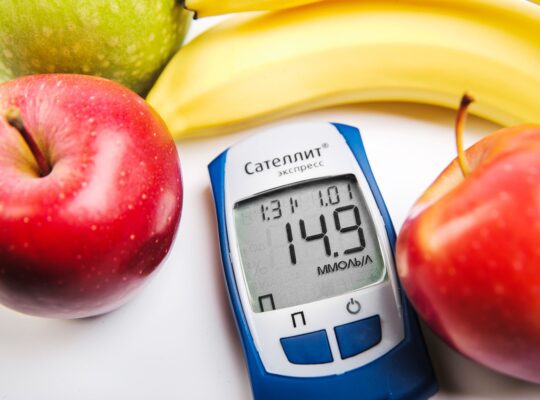
Can Better Blood Sugar Control Reduce Anxiety?
Many people today struggle with both unstable energy levels and feelings of worry or nervousness. One question that comes up often in health discussions is this: Can better blood sugar control reduce anxiety? The answer, according to growing research and real-life experiences, is yes in many cases. When blood sugar stays steady, the body and brain work better together, which can calm anxious feelings.
In this long, detailed guide, we will explore the science in simple words. We will look at how blood sugar affects mood, what studies say, and easy steps anyone can take. By the end, you will understand why so many experts now believe that better blood sugar control can reduce anxiety. Is a question worth answering with action?
Blood sugar, or glucose, is the main fuel for your body and especially your brain. When levels swing too high or too low, it can trigger stress responses that feel exactly like anxiety. Learning to keep blood sugar stable is one of the most natural ways to feel calmer every day.
Let us begin by understanding the basics so you can see the full picture.
Understanding Blood Sugar and How It Works in Daily Life
Blood sugar is the amount of glucose circulating in your blood. Your body gets glucose from the food you eat, especially carbohydrates. After a meal, glucose enters the bloodstream, and the hormone insulin helps cells absorb it for energy.
If blood sugar rises too high, the pancreas releases more insulin to bring it down. If it drops too low, the body releases other hormones like adrenaline and cortisol to raise it quickly. These ups and downs are normal in small amounts, but frequent swings can stress the whole system.
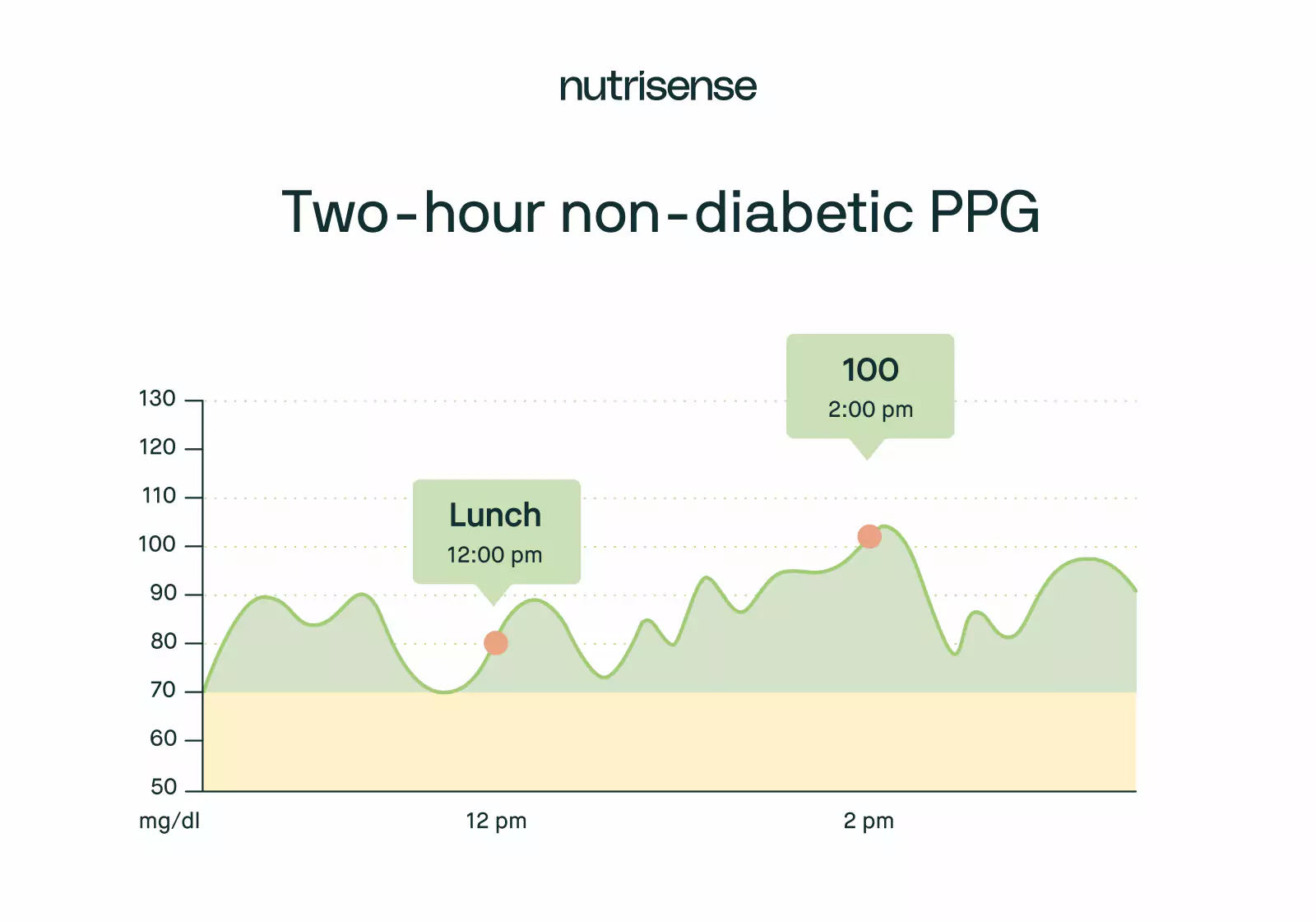
For most healthy adults, fasting blood sugar stays between 70 and 99 mg/dL. After eating, it may go up, but it should not stay high for long. People with diabetes or prediabetes often see bigger swings. Even people without diabetes can experience “reactive hypoglycemia,” where blood sugar drops sharply a few hours after a meal.
Stable blood sugar means steady energy, clear thinking, and balanced emotions. When levels crash, the brain signals danger, and that signal can feel like panic. This is why many health experts now ask: Can better blood sugar control reduce anxiety? The short answer is that steady glucose often lowers those false alarm signals.
What Anxiety Really Feels Like and Why It Matters
Anxiety is more than just worry. It includes physical feelings such as a racing heart, sweaty palms, shaky hands, trouble concentrating, and a sense of dread. These symptoms can appear suddenly and make daily life hard.
Millions of people experience anxiety disorders, and many do not realize that blood sugar plays a hidden role. The body’s fight-or-flight response is the same whether the trigger is real danger or a sudden drop in glucose. That overlap is important.
When blood sugar is unstable, the symptoms of low glucose mimic anxiety so closely that people often mistake one for the other. Checking blood sugar first can sometimes reveal the true cause.
The Strong Link Between Blood Sugar Levels and Anxiety Symptoms
Here is where the science gets exciting. Research shows clear connections. Low blood sugar, also called hypoglycemia, triggers the release of adrenaline. Adrenaline makes your heart beat faster, causes sweating, and creates feelings of nervousness. Cortisol, the stress hormone, joins in and can keep you feeling on edge even after the low passes.
High blood sugar over time, common in diabetes, is also linked to higher anxiety risk because of inflammation and changes in brain chemistry. Fluctuations after meals can affect hormones and the nervous system in ways that fuel anxious thoughts.
So, can better blood sugar control reduce anxiety? Many studies point to yes. When people keep their glucose steadier through diet, exercise, and monitoring, anxiety symptoms often improve. The brain gets consistent fuel instead of sudden shortages, and the body stops sending emergency signals.
:max_bytes(150000):strip_icc()/hypoglycemia-symptoms-1298883_final-822f05c81d464bf8b93ef9ce32afa963.jpg)
How Low Blood Sugar Triggers Anxiety-Like Feelings
Picture this: You skip a snack or eat only sugary foods. A few hours later, your hands shake, your heart races, and you feel irritable or panicky. These are classic hypoglycemia signs, but they feel exactly like an anxiety attack.
The body reacts fast to protect the brain, which needs constant glucose. It pumps out adrenaline to raise blood sugar quickly. That same adrenaline causes the physical symptoms we call anxiety. If this happens often, the brain can stay heightened, making everyday stress feel worse.
One clear example comes from people who have reactive hypoglycemia. They eat a high-carb meal, blood sugar spikes, insulin surges, and then glucose crashes. The crash brings anxiety symptoms. Changing to balanced meals prevents the crash and reduces those feelings.
Can better blood sugar control reduce anxiety? In these cases, yes—often within days or weeks of steady eating patterns.
Blood Sugar Fluctuations and Their Effect on Mood
Even small ups and downs after eating can influence how you feel. High-glycemic foods cause quick spikes followed by drops. These swings affect serotonin and other brain chemicals that control mood.
Studies link high-glycemic diets to higher depression and anxiety risk. On the other hand, low-glycemic eating keeps levels even, supporting a steady mood.
A helpful way to see this is through graphs of blood sugar over a day. Normal patterns show gentle curves. Problematic patterns show sharp peaks and valleys.

Scientific Evidence: Can Better Blood Sugar Control Reduce Anxiety?
Let us look at real research in simple terms. One study found that people with anxiety and hypoglycemia symptoms improved greatly after changing their diet to avoid big sugar swings. Their anxiety scores dropped, and they felt calmer.
Another area of research involves diabetes patients. People with diabetes are 20% more likely to have anxiety. When they achieve better blood sugar control, many report less worry and better emotional health. If one issue improves, the other often follows.
Stress management programs have also been tested. While they focus on relaxation, they often lead to better glucose numbers and lower anxiety at the same time. The reverse is also true: steadier blood sugar makes it easier to handle stress.
Recent articles explain that blood sugar changes after eating play a direct role in anxiety and depression through hormone effects. Stabilizing glucose reduces those effects.
Multiple sources confirm that better blood sugar control can reduce anxiety. It is not just a theory. It is supported by evidence from clinics and labs. People who monitor and balance their glucose see fewer panic-like episodes.
Can better blood sugar control reduce anxiety? Research keeps showing positive results, especially when low blood sugar was part of the problem.
Special Focus on People Living with Diabetes
If you have diabetes, managing blood sugar is already part of daily life. High or low glucose can worsen anxiety. Fear of hypos (lows) can create “hypo anxiety,” where worry about dropping sugar makes actual anxiety worse.
Better control through medication, diet, and exercise helps break this cycle. Studies show that lowering HbA1c (average blood sugar) often brings mood improvements. People feel more in control and less fearful.
Doctors now recommend checking blood sugar when anxious feelings start. Sometimes the fix is a small snack or insulin adjustment rather than anxiety medication alone.
Can better blood sugar control reduce anxiety? For many with diabetes, the answer is clearly yes, and it can improve quality of life dramatically.
Reactive Hypoglycemia in Non-Diabetics
You do not need diabetes to have blood sugar problems. Reactive hypoglycemia affects many people who eat modern high-sugar diets. Symptoms appear 2-4 hours after meals and include anxiety, dizziness, and fatigue.
Fixing this starts with balanced eating. Adding protein, fat, and fiber slows glucose absorption and prevents crashes. Many people notice anxiety fading once they stop the rollercoaster.
Can better blood sugar control reduce anxiety? Yes, even in healthy people without diagnosed diabetes. Simple changes often bring big relief.
Practical Steps to Achieve Better Blood Sugar Control
Now we move to action. Here are proven ways to keep blood sugar steady and potentially lower anxiety.
- Eat balanced meals every 3-4 hours. Include protein, healthy fat, and fiber with every carbohydrate. Examples: eggs with vegetables and avocado, chicken salad with olive oil, or Greek yogurt with berries and nuts.
- Choose low-glycemic foods. These release glucose slowly. Good choices include oats, lentils, sweet potatoes, leafy greens, apples, and quinoa. Avoid white bread, sugary drinks, and candy.


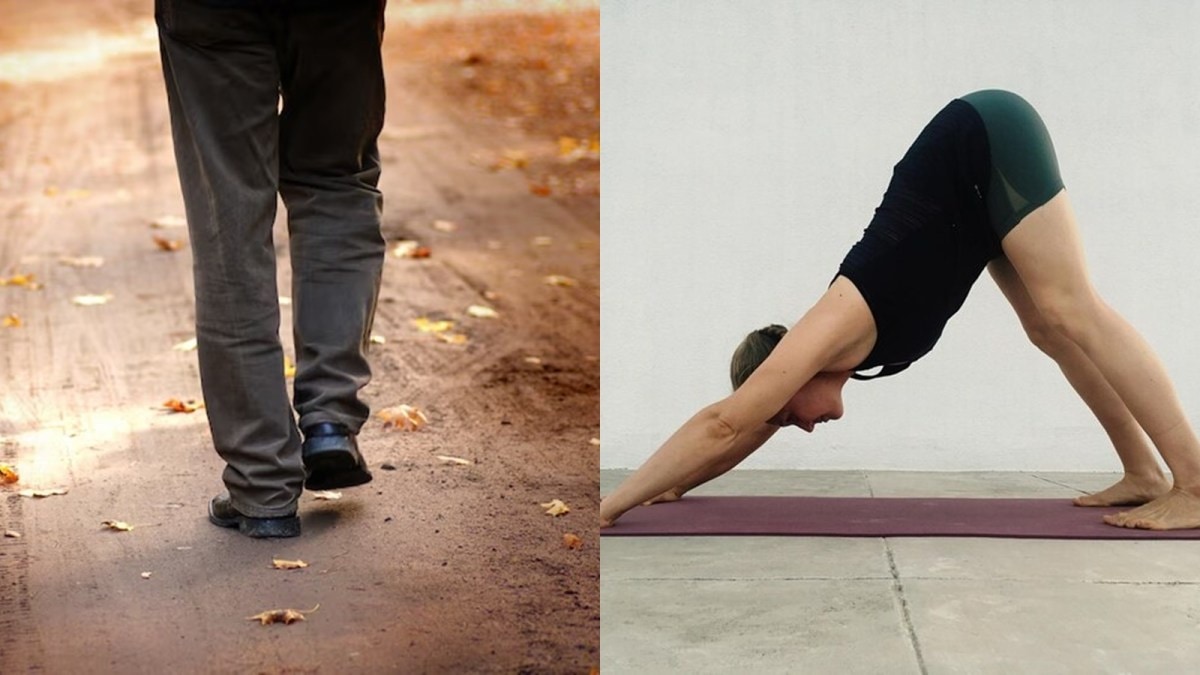
- Stay active. Walking after meals helps move glucose into muscles without big insulin spikes. Aim for 30 minutes most days. Yoga and strength training also improve insulin sensitivity and calm the mind.

- Drink plenty of water and limit caffeine and alcohol. Dehydration and stimulants can worsen swings.
- Get 7-9 hours of quality sleep. Poor sleep raises cortisol and makes blood sugar harder to control.
- Manage daily stress with deep breathing or short meditations. Lower stress hormones help glucose stability.
More Detailed Tips for Everyday Success
Let us expand on diet. Start your day with a protein-rich breakfast like scrambled eggs with spinach and cheese. This prevents morning crashes that trigger anxiety.
For lunch, try grilled fish with broccoli and brown rice. The fiber and protein keep levels even until dinner.
Snacks matter too. Instead of chips, choose almonds with an apple or carrot sticks with hummus. These combinations avoid the sugar spike-crash cycle.
Over a week, track how you feel. Many people notice fewer anxious moments by day three or four of steady eating.
Exercise details: A 15-minute walk after lunch can lower post-meal glucose by 20-30%. Yoga poses like downward dog improve circulation and reduce cortisol.
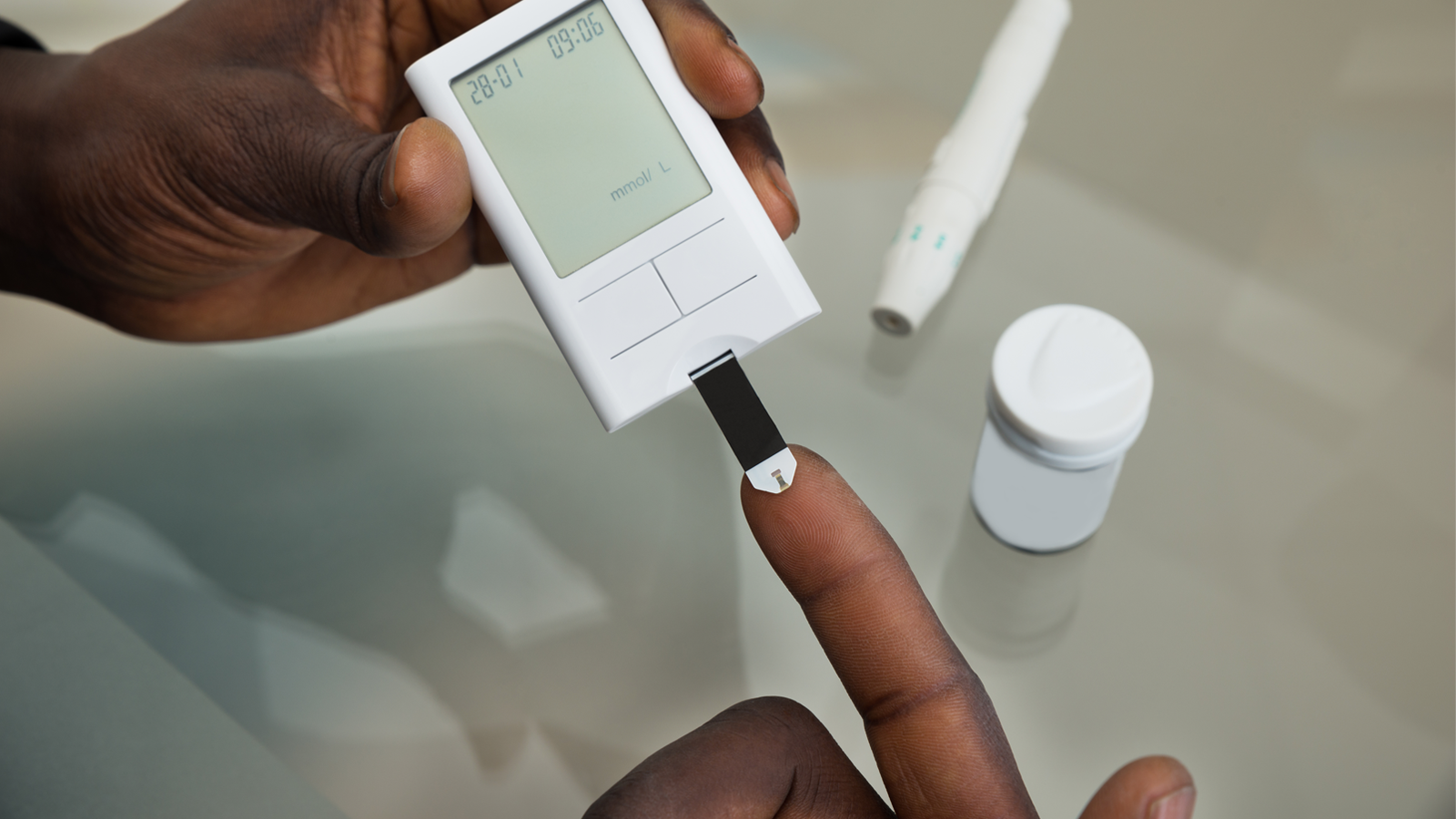
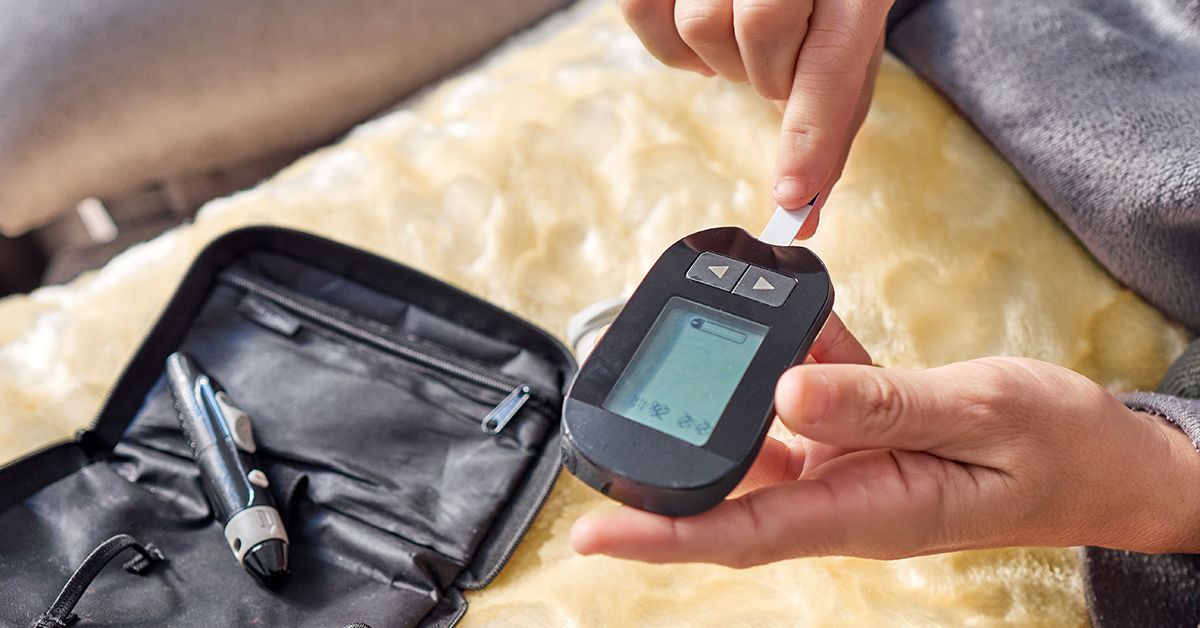
Monitoring is key. A simple home glucose meter shows patterns quickly. Test before and after meals to learn what works for your body.
Lifestyle Changes That Support Both Blood Sugar and Calmness
Sleep, movement, and relaxation work together. Create a bedtime routine: dim lights, no screens, and perhaps herbal tea. Good rest helps the body regulate glucose overnight.
Mindfulness practices lower overall stress, making blood sugar easier to manage. Even five minutes of slow breathing can prevent cortisol spikes that raise glucose.
Social support helps too. Talking with friends or joining a diabetes or wellness group reduces isolation that can worsen anxiety.
Can better blood sugar control reduce anxiety? When combined with these habits, the benefits multiply.
How to Monitor and Track Progress
Buy an affordable glucose meter or consider a continuous glucose monitor if your doctor recommends one. Log readings along with meals and mood notes. Patterns will appear within one to two weeks.
Share logs with your doctor for personalized advice. Small adjustments like changing meal timing can make a huge difference.
Extra Benefits You May Notice
Steady blood sugar often brings more energy, better focus, fewer cravings, and improved sleep. Weight management becomes easier, and inflammation may decrease. All these changes support long-term mental health.
Common Myths to Ignore
Myth 1: Only diabetics need to worry about blood sugar. False—anyone can have fluctuations.
Myth 2: Cutting all carbs is the only way. Not true—balanced carbs with protein work better long-term.
Myth 3: Anxiety is always psychological. Sometimes it has a physical root in glucose.
Putting It All Together
Can better blood sugar control reduce anxiety? The evidence and practical steps say yes for many people. Start small: one balanced meal, one daily walk, one glucose check. Over time, these habits can calm both body and mind.
Remember the disclaimer—work with a healthcare team. Track your progress and celebrate small wins. Steady blood sugar is a powerful tool for feeling better every day.
FAQs
1. Can better blood sugar control reduce anxiety even if I do not have diabetes? Yes. Many people without diabetes experience reactive hypoglycemia that mimics anxiety. Stabilizing glucose through diet often reduces those symptoms quickly.
2. How long does it take to see results if I improve my blood sugar control? Some people notice calmer feelings within days. Full benefits may take 2-4 weeks as the body adjusts. Consistency matters most.
3. What foods help most with stable blood sugar and less anxiety? Focus on protein, fiber, and healthy fats paired with moderate carbs. Eggs, nuts, vegetables, and whole grains are top choices.
4. Can better blood sugar control reduce anxiety without medication? In many cases, yes, especially when symptoms come from glucose swings. Always discuss with a doctor before changing any treatment.
5. Is exercise important for blood sugar and anxiety relief? Absolutely. Even light walking helps glucose move into cells and releases feel-good chemicals that ease worry.
6. How do I know if my anxiety is from low blood sugar? Check glucose when symptoms start. If it is below 70 mg/dL and symptoms improve after eating, blood sugar is likely involved.
7. Can better blood sugar control reduce anxiety long-term? Yes. Ongoing stable levels support brain health, lower inflammation, and reduce false stress signals for lasting calm.
References
- WebMD: The Link Between Low Blood Sugar and Anxiety
- CDC: Diabetes and Mental Health
- The Conversation: Blood Sugar Fluctuations After Eating and Anxiety/Depression
- PMC: Generalized Anxiety Disorder and Hypoglycemia Symptoms Improved with Diet Modification
- PMC: Key Nutrients for Optimal Blood Glucose Control and Mental Health
- Duke University Study: Stress Management and Glucose Control
- Diabetes Care Journal: Stress Management Improves Glycemic Control
- NHS and Cleveland Clinic resources on hypoglycemia symptoms
- American Diabetes Association guidelines on mental health and diabetes
These sources provide the foundation for the information shared. Always verify the latest research with your healthcare provider.
By following the ideas in this article and answering the question Can better blood sugar control reduce anxiety? With real changes, many people find greater peace and energy. Start today and see the difference for yourself.