
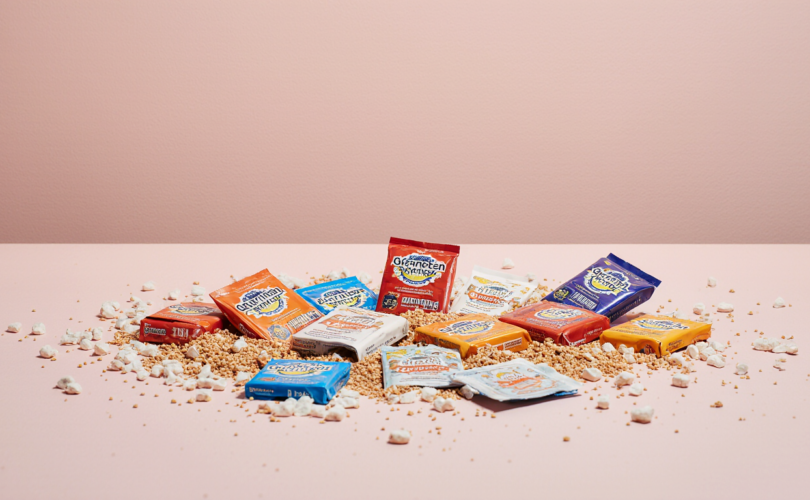
Are Artificial Sweeteners Safe for Diabetes?
In a world where sweet cravings are universal, managing diabetes adds an extra layer of complexity. (Are Artificial Sweeteners Safe for Diabetes?)For the millions living with type 1 or type 2 diabetes, every bite and sip can feel like a high-stakes decision. Sugar, the ultimate indulgence, spikes blood glucose levels, complicating insulin management and increasing risks for complications like heart disease and neuropathy. Enter artificial sweeteners: zero-calorie heroes promising the taste of sweetness without the glycemic fallout. But are they truly safe for diabetes? Or do they hide pitfalls that could undermine long-term health?
This question isn’t just academic; it’s a daily dilemma for diabetics navigating grocery aisles filled with “sugar-free” labels. According to the American Diabetes Association (ADA), over 38 million Americans have diabetes, and many turn to these substitutes to satisfy their palates while keeping carbs in check. Yet, headlines swing between reassurance and alarm: one study hails their blood sugar neutrality, while another whispers of gut disruptions or metabolic woes. As research evolves, so does our understanding. This comprehensive guide dives deep into the science, expert guidelines, and real-world insights to help you decide if artificial sweeteners deserve a spot in your diabetes-friendly pantry.
We’ll explore their types, benefits, risks, and alternatives, backed by credible sources like the Mayo Clinic, WebMD, and peer-reviewed journals. By the end, you’ll have the tools to make informed choices, because when it comes to diabetes, knowledge is your best defense against uncertainty.
Understanding Diabetes and the Sugar Conundrum
Diabetes isn’t a monolith; it’s a spectrum. Type 1 diabetes, an autoimmune condition, halts insulin production, requiring lifelong injections. Type 2, more common, stems from insulin resistance, often tied to lifestyle factors like obesity and poor diet. Both hinge on blood glucose control: too high, and it damages organs; too low, and hypoglycemia strikes. (Are Artificial Sweeteners Safe for Diabetes?)
Sugar, sucrose, fructose, you name it, breaks down into glucose, flooding the bloodstream and demanding insulin to shuttle it into cells for energy. For diabetics, this can trigger hyperglycemia, leading to fatigue, blurred vision, and worse. The ADA recommends limiting added sugars to under 25 grams daily for women and 36 for men, but cravings don’t read guidelines. Enter the allure of low-carb desserts and diet sodas.
Historically, sugar substitutes emerged in the 19th century with saccharin’s discovery in 1879. By the 1950s, as diabetes rates climbed, they became a go-to for glycemic control. Today, the global artificial sweeteners market tops $2 billion, driven by diabetic demand. But why the controversy? Early promises of calorie-free bliss clashed with emerging data on long-term effects.
Consider the glycemic index (GI): sugar scores 65, spiking blood sugar fast. Most artificial sweeteners? Zero GI, meaning no immediate rise. This neutrality lets diabetics enjoy yogurt parfaits or iced teas without the rollercoaster. Yet, a 2023 NutriNet-Santé study of 105,000 adults linked higher artificial sweetener intake to a 69% increased type 2 diabetes risk, sparking debate. Correlation or causation? Observational data can’t prove the latter, but it urges caution. (Are Artificial Sweeteners Safe for Diabetes?)
Beyond blood sugar, diabetes management involves holistic factors: weight, inflammation, and gut health. Artificial sweeteners might aid weight loss short term by slashing calories; swapping a sugary soda for a diet soda saves 140 calories per can. But if they fuel cravings or alter microbiomes, could they backfire? We’ll unpack this.
For prediabetics, the stakes are preventive. The CDC notes 96 million U.S. adults have prediabetes, where small swaps like sweeteners could tip the scales toward reversal. Yet, the World Health Organization (WHO) advises against non-sugar sweeteners for weight control, citing insufficient long-term evidence. As we dissect the data, remember: individual responses vary. What stabilizes one person’s A1C might unsettle another’s gut.
In essence, sugar’s the villain here; its absence via substitutes offers relief. But safety? That’s the nuanced plot twist.
What Are Artificial Sweeteners? Types and How They
Work
Artificial sweeteners, also called non-nutritive or intense sweeteners, mimic sugar’s taste at a fraction of the calories. Derived synthetically or from natural sources, they’re 200–20,000 times sweeter than sucrose, so tiny amounts suffice. Unlike sugar alcohols (e.g., xylitol), which provide bulk and some calories, these pass through the body undigested, excreted via urine or stool without fueling glucose. (Are Artificial Sweeteners Safe for Diabetes?)
Their magic lies in molecular structure: they bind taste receptors on the tongue, signaling “sweet!” without metabolic cost. For diabetics, this means flavor without the insulin surge.
Common Types of Artificial Sweeteners
The FDA approves six primary artificial sweeteners, each with a unique profile:
- Aspartame (Equal, NutraSweet): 200 times sweeter than sugar, it’s a dipeptide from aspartic acid and phenylalanine. Heat-sensitive, it’s ideal for cold drinks but breaks down in baking. Safe for most, but phenylketonuria (PKU) patients must avoid it due to phenylalanine buildup. Daily limit: 50 mg/kg body weight.
- Sucralose (Splenda): Chlorinated sucrose, 600 times sweeter, heat-stable for cooking. Popular in baked goods, it passes unchanged through the gut. Limit: 5 mg/kg.
- Saccharin (Sweet’N Low): The OG, 300–400 times sweeter, discovered accidentally in 1879. Once cancer-linked in rats (1970s scare), human studies cleared it; now GRAS (Generally Recognized as Safe). Versatile for hot/cold uses.
- Acesulfame Potassium (Ace-K, Sunett): 200 times sweeter, often blended (e.g., with aspartame) for balanced taste. Heat-stable, common in sodas and gums. Limit: 15 mg/kg.
- Neotame (Newtame): 7,000–13,000 times sweeter, a neotame derivative. Rare in homes, used industrially; contains trace phenylalanine.
- Advantame: Ultra-potent at 20,000 times the sweetness, FDA-approved in 2014. General-purpose, minimal phenylalanine. (Are Artificial Sweeteners Safe for Diabetes?)
Then, “natural” non-nutritives like stevia (from South American leaves) and monk fruit extract blur lines; they’re plant-based but processed. Stevia, 200–300 times sweeter, boasts potential antidiabetic perks like improved glucose tolerance.
How They Fit into Diabetes Diets
In carb-counting, these score zero, freeing “budget” for nutrient-dense foods. A diabetic baking banana bread? Swap sugar for sucralose to halve carbs without sacrificing moistness. But labels trick: “sugar-free” might hide carbs from flour or fruit.
Mechanistically, they bypass amylase digestion, hitting the large intestine intact. Here, some ferment, potentially tweaking gut flora, a double-edged sword we’ll explore next.
The Safety Debate: Pros and Cons for Diabetics
No topic divides nutritionists like artificial sweeteners’ diabetes safety. The ADA green-lights them as tools for reducing added sugars, noting no direct blood glucose impact. Mayo Clinic echoes: “Yes, you can use most if you have diabetes.” Yet, a 2023 Diabetes Care study tied aspartame and Ace-K to higher type 2 risk, adjusting for BMI and diet. (Are Artificial Sweeteners Safe for Diabetes?)
Pros: Why They’re a Diabetic Ally
- Glycemic Stability: Zero calories, zero GI. Aspartame doesn’t raise blood sugar; sucralose rarely does, per WebMD. Ideal for post-meal treats.
- Weight Management: Cutting 10% of calories via swaps helps lower A1C. A meta-analysis in PMC found short-term benefits for obesity-linked diabetes.
- Dental Perks: No tooth decay risk, unlike sugar.
- Versatility: From coffee to keto recipes, they enable guilt-free enjoyment.
Cleveland Clinic sums: In moderation, they’re safe, helping curb cravings in a balanced diet.
Cons: The Shadow Side
- Metabolic Mischief: Observational data links high intake to insulin resistance. A French cohort showed 38% higher diabetes odds with daily use. Why? Sweet taste sans calories confuses cephalic insulin response, priming fat storage.
- Gut Microbiome Disruption: Aspartame and sucralose may slash beneficial bacteria, per animal studies, impairing glucose metabolism. Human trials are mixed, but a 2024 PMC review flags potential inflammation ties.
- Cancer and Cardio Concerns: WHO’s 2023 aspartame “possible carcinogen” tag (Group 2B) stems from limited evidence. Erythritol in some stevia blends is linked to clotting risks.
- Cravings Cycle: Sweetness may heighten appetite, per Harvard Health, leading to overeating.
- Individual Variability: PKU aside, some report headaches or bloating; pregnant diabetics should limit saccharin.
The verdict? Benefits outweigh risks for moderate use (e.g., 1–2 servings daily), but whole foods trump processed swaps. UCSF’s Diabetes Center: “Safe to eat, but rumors of cancer lack support.” (Are Artificial Sweeteners Safe for Diabetes?)
In-Depth Look at Popular Artificial Sweeteners
Let’s zoom in on heavy-hitters, weighing diabetes-specific data.
Aspartame: The Ubiquitous Choice
Found in over 6,000 products, it’s a staple for diabetics. Pros: No glucose spike, aids weight loss in trials. Cons: Gut effects in rodents; WHO caution. Safe dose: 18 cans of IETsoda daily for a 150-lb person, far above typical.
Sucralose: Baking’s Best Friend
Splenda shines in recipes, with 2024 studies confirming minimal insulin response. But a small trial noted slight blood sugar rises in obese diabetics. Verdict: Great for variety, watch portions. (Are Artificial Sweeteners Safe for Diabetes?)
Saccharin: Timeless but Tarnished
Cleared post-1970s bans, it’s neutral on glucose. Rare bitter aftertaste; safe for all but nursing moms in excess.
Stevia and Monk Fruit: The “Natural” Contenders
Though not fully artificial, they’re GRAS. Stevia may lower blood pressure and enhance tolerance, per Healthline. Monk fruit’s antioxidants add anti-inflammatory bonuses. Drawback: Processed forms may include dextrose filler,s spiking sugar.
Ace-K and Others: The Blends
Often paired, they extend shelf life without aftertaste. Limited solo data, but combos are diabetes-approved.
Choose based on use: Cold? Aspartame. Heat? Sucralose.
Guidelines from Experts and Organizations
The ADA’s 2023 Nutrition for Life: “Nonnutritive sweeteners may substitute for sugar; they don’t raise glucose.” Echoed by Mayo: Monitor labels for hidden carbs.
WHO differs: Avoid for weight loss due to rebound risks. FDA sets ADI; they are rarely exceeded.
Dietitians advise: Pair with fiber-rich meals; track via apps like MyFitnessPal.
Natural Alternatives to Artificial Sweeteners
Craving authenticity? Try these diabetes-friendly options:
- Stevia/Monk Fruit: As above, zero GI, potential benefits.
- Erythritol/Allulose: Sugar alcohols with 0.2–0.4 calories/gram; minimal impact, but GI upset possible.
- Yacon Syrup/Tagatose: Prebiotic fibers slow absorption; studies show A1C reductions.
- Fruit Purees: Applesauce adds natural sweetness with fiber.
Healthline ranks stevia as the top for stabilization. Start small; ver-sweetness trains palates poorly. (Are Artificial Sweeteners Safe for Diabetes?)
Success Stories: Real Lives, Sweeter Choices
Meet Sarah, a 52-year-old type 2 diabetic from Ohio. Diagnosed in 2018, her A1C hovered at 8.2 amid soda habits. Switching to aspartame-sweetened diet drinks and stevia yogurt dropped it to 6.1 in six months, per her endocrinologist. “I lost 25 pounds without feeling deprived, coffee never tasted so good!” she shares on diabetes forums.
Then, Jamal, 45, is a Chicago teacher with prediabetes. Post-2022 diagnosis, sucralose baking let him enjoy family iftars guilt-free. “Blood sugar steady at 100 mg/dL fasting; energy up, cravings down.” His story, echoed in ADA testimonials, highlights moderation’s power.
Anonymized from Healthline communities: A 60-year-old retiree credits monk fruit tea for reversing prediabetes, shedding 15 pounds. These anecdotes, while not universal, illustrate sweeteners as bridges to sustainable habits, not cures. (Are Artificial Sweeteners Safe for Diabetes?)
Frequently Asked Questions (FAQs)
Q: Do artificial sweeteners cause cancer in diabetics? A: Limited evidence; aspartame’s “possible” WHO link doesn’t apply to moderate use. FDA deems safe.
Q: Can I bake with them? A: Yes, sucralose and Ace-K hold up; aspartame doesn’t.
Q: Are they better than sugar for weight loss? A: Short-term, yes; long-term, pair with diet changes.
Q: What’s the daily limit? A: Varies; e.g., 12 aspartame packets for adults. Consult docs.
Q: Do they affect medications? A: Rarely; no insulin interactions, but monitor gut meds.
Disclaimer
This article provides general information, not medical advice. Consult your healthcare provider before dietary changes, especially with diabetes. Individual responses vary; professional guidance ensures safety.
References
- American Diabetes Association. (2023). Nutrition for Life: Sugar Substitutes. [ http://chrome-extension://efaidnbmnnnibpcajpcglclefindmkaj/https://professional.diabetes.org/sites/dpro/files/2023-12/sugar_substitutes.pdf]
- WebMD. (2025). Artificial Sweeteners and Diabetes: Are They Safe?
- Cleveland Clinic. (2023). What To Know About Artificial Sweeteners and Diabetes.
- Mayo Clinic. (n.d.). Artificial Sweeteners: Any Effect on Blood Sugar?
- Healthline. (2024). Which Sugar Substitutes Are Good for Diabetes?
- Diabetes Care Journal. (2023). Artificial Sweeteners and Risk of Type 2 Diabetes.
- PMC. (2024). Artificial Sweeteners and Their Implications in Diabetes. (Are Artificial Sweeteners Safe for Diabetes?)



[…] grasp the refined carbs and diabetes connection, we first need to define the enemy. Refined carbohydrates are grains and starches that […]