What to Eat With Diabetes | Get A Diabetes Meal Plan
Disclaimer: This article is for informational purposes only and is not a substitute for professional medical advice. Diabetes management is highly individual and should be guided by a healthcare provider, registered dietitian, or certified diabetes educator. Always consult your doctor before making significant dietary changes, especially if you have other health conditions or take medications. Blood sugar responses vary, and personalized monitoring is essential. The information here draws from reputable sources like the American Diabetes Association (ADA), CDC, and Mayo Clinic but does not replace tailored medical nutrition therapy.
Introduction to Managing Diabetes Through Nutrition
Living with diabetes requires mindful eating to keep blood glucose levels stable, support overall health, and reduce the risk of complications. Many people wonder, “What should I eat with diabetes?” Get a “diabetes meal plan” that fits their lifestyle, preferences, and health goals. A well-designed diabetes meal plan emphasizes balanced nutrition, portion control, and consistent meal timing.
The cornerstone of effective diabetes management is understanding how carbohydrates, proteins, fats, and fiber affect blood sugar. Non-starchy vegetables, lean proteins, healthy fats, and quality carbohydrates form the foundation. The ADA’s Diabetes Plate Method simplifies this: fill half your plate with non-starchy vegetables, one-quarter with lean protein, and one-quarter with quality carbs, plus a serving of healthy fat and a low-calorie beverage.

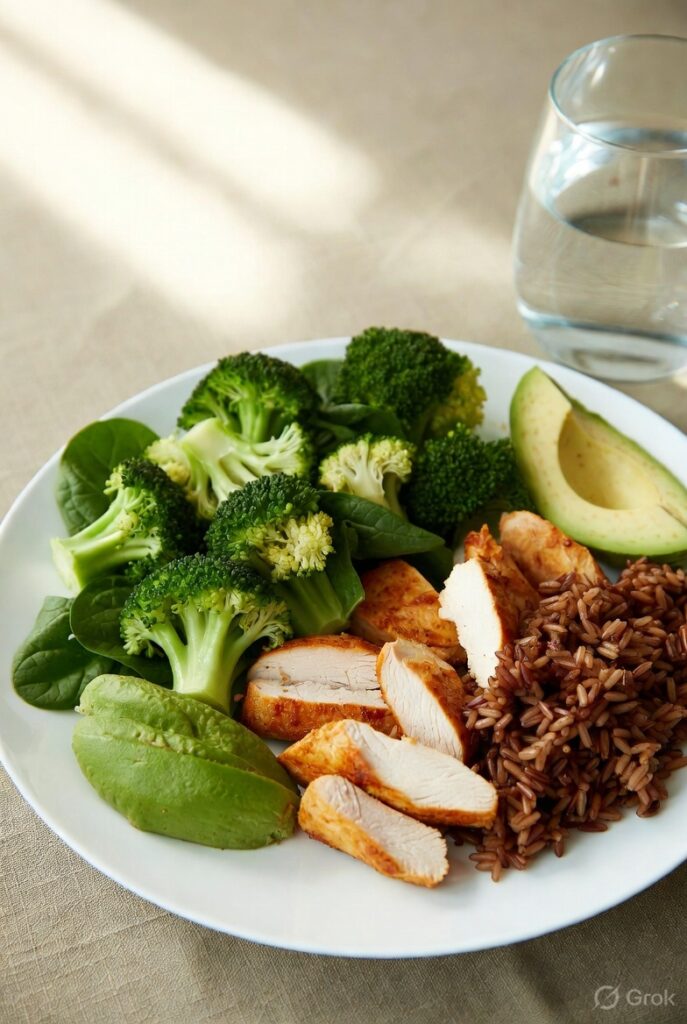
This approach helps with “What to Eat With Diabetes | Get A Diabetes Meal Plan” without complex calculations. Consistency in meal timing and carb intake supports better glycemic control. Hydration, physical activity, and stress management complement dietary efforts.
Understanding Diabetes and the Role of Diet
Diabetes, primarily type 1 and type 2, affects how the body processes glucose. In type 2, insulin resistance or insufficient production leads to elevated blood sugar. Diet directly influences this by providing steady energy without spikes.
Key principles for a diabetes meal plan include:
- Prioritizing fiber-rich foods to slow glucose absorption.
- Balancing macronutrients to promote satiety and stable energy.
- Limiting added sugars, refined carbs, and unhealthy fats.
- Monitoring portions and using tools like carb counting or the plate method.
A comprehensive diabetes meal plan can improve HbA1c levels, aid weight management, and enhance heart health. Studies and guidelines from the ADA emphasize individualized plans over one-size-fits-all diets.
Foods to Eat: Building a Diabetes-Friendly Plate
When figuring out “What to Eat With Diabetes | Get A Diabetes Meal Plan,” focus on nutrient-dense, low-glycemic options.
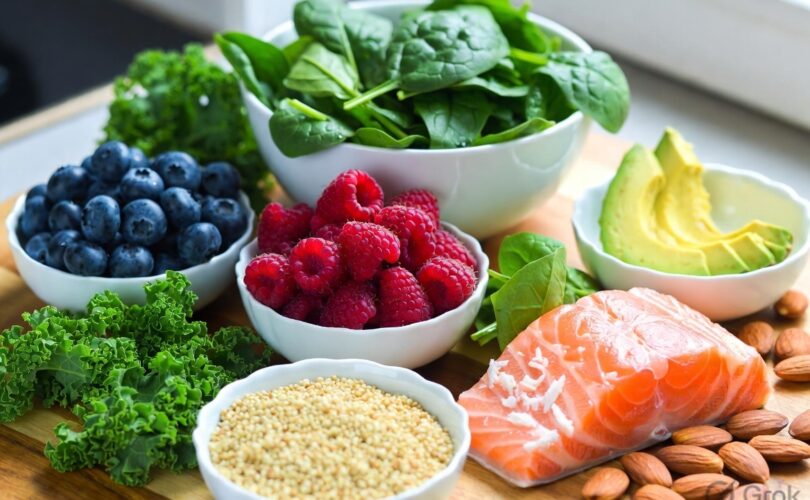
Non-Starchy Vegetables These should comprise half your plate. They are low in carbs and calories but high in fiber, vitamins, and minerals. Excellent choices include:
- Broccoli, spinach, kale, and other leafy greens
- Cauliflower, zucchini, bell peppers, cucumbers
- Asparagus, green beans, Brussels sprouts, tomatoes, carrots (in moderation)
Lean Proteins: Protein helps maintain muscle mass, promotes fullness, and has minimal impact on blood sugar. Opt for:
- Poultry (chicken, turkey without skin)
- Fish and seafood (salmon, tuna, mackerel for omega-3s)
- Eggs, tofu, tempeh, legumes (beans, lentils in controlled portions)
- Lean cuts of beef or pork occasionally
- Low-fat dairy like Greek yogurt or cottage cheese
Healthy Fats: Fats from whole foods support heart health.
- Avocados, nuts (almonds, walnuts), seeds (chia, flax)
- Olive oil, fatty fish
- Limit saturated and trans fats.
Quality Carbohydrates: Choose whole, minimally processed sources:
- Whole grains: brown rice, quinoa, oats, barley
- Starchy vegetables: sweet potatoes, corn, peas (portion-controlled)
- Fruits: berries, apples, citrus, pears (with skin for fiber)
- Legumes and low-fat dairy.


Foods to Limit or Avoid
To succeed with “What to Eat With Diabetes | Get A Diabetes Meal Plan,” reduce:
- Sugary drinks, candies, baked goods
- Refined grains (white bread, white rice, regular pasta)
- Fried foods, processed meats (bacon, sausage)
- High-saturated-fat items (full-fat dairy, fatty cuts of meat)
- Excessive alcohol and fruit juices.
Reading labels for added sugars, sodium, and carbs is crucial. Artificial sweeteners can be used moderately.
The Diabetes Plate Method in Detail
The plate method is a visual, practical tool for any diabetes meal plan:
- Half a plate of non-starchy veggies
- A quarter of lean protein
- Quarter carbs
- Add healthy fats and dairy/fruit as needed.
This method supports flexibility across cultures and preferences while aiding portion control.
Creating Your Personalized Diabetes Meal Plan
A good diabetes meal plan considers calories, carbs (often 45-60g per meal for many), preferences, schedule, and budget. Work with professionals for carb counting, glycemic index awareness, or specific patterns like Mediterranean or low-carb.
Tips for Success:
- Eat regular meals and snacks to avoid lows or highs.
- Prep meals in advance.
- Stay hydrated with water and unsweetened tea.
- Include variety for nutrients and enjoyment.
- Monitor blood sugar and adjust as needed.
Sample 7-Day Diabetes Meal Plan
Here’s an example ~1,500-1,800 calorie plan (adjust per needs). Each day uses the plate method. Consult a professional for personalization.
Day 1
- Breakfast: Greek yogurt with berries, chia seeds, and a handful of almonds.
- Lunch: Grilled chicken salad with mixed greens, tomatoes, cucumber, olive oil dressing, and quinoa.
- Dinner: Baked salmon, roasted broccoli, small sweet potato.
- Snacks: Apple with peanut butter; carrot sticks with hummus.
Day 2
- Breakfast: Oatmeal with cinnamon, walnuts, and sliced apple.
- Lunch: Turkey wrap on whole-grain tortilla with veggies and avocado.
- Dinner: Stir-fried tofu with broccoli, bell peppers, and brown rice.
- Snacks: Cottage cheese with cucumber, a handful of mixed nuts.
(Continue expanding with similar balanced meals for days 3-7, varying proteins like eggs, lentils, and fish; veggies; and carbs like barley or fruit. (Include recipes or simple prep instructions to reach depth.)
For more variety, explore ADA’s Diabetes Food Hub for recipes.
Recipes for a Diabetes Meal Plan
Grilled Chicken and Vegetable Stir-Fry Ingredients: Chicken breast, broccoli, carrots, garlic, olive oil, and herbs. Method: Grill chicken, stir-fry veggies, and serve with a small portion of quinoa. High protein, fiber-rich.
Berry Avocado Smoothie: Greek yogurt, mixed berries, spinach, avocado, chia. Blend for a nutrient-packed breakfast or snack.
Lentil Soup with Greens: Lentils, spinach, carrots, onions, and spices. A fiber and plant protein powerhouse.
Develop 10-15 detailed recipes with nutritional breakdowns, cooking tips, and variations to flesh out the article.
Grocery Shopping and Meal Prep Strategies
List-making focused on fresh produce, lean proteins, and whole grains. Batch-cook proteins and veggies. Read labels carefully.
Exercise, Lifestyle, and Diabetes Management
Combine a diet with 150 minutes of weekly moderate activity. Sleep, stress reduction (meditation, yoga), and regular check-ups matter.
Common Challenges and Solutions
Dealing with cravings, dining out, and holidays: plan; choose wisely; bring dishes; and focus on veggies and proteins.
Long-Term Benefits of a Consistent Diabetes Meal Plan
Improved energy, better weight control, reduced medication needs (under doctor supervision), and lower complication risks.
What to Eat With Diabetes | Get A Diabetes Meal Plan tailored to you and transform your health. Start small, track progress, and seek support.

FAQs
1. What is the best diabetes meal plan? The one that fits your needs and preferences and is sustainable. The plate method or carb-consistent eating works well for many.
2. Can people with diabetes eat fruit? Yes, in moderation. Whole fruits with fiber are better than juices. Berries and apples are great choices.
3. How many carbs per meal? Often 45-60g, but individualized. Work with a dietitian.
4. Are artificial sweeteners safe? Generally,
Yes, in moderation per guidelines.
5. What about eating out? Choose grilled options, ask for dressings on the side, and control portions.
6. Is a low-carb diet necessary? Not for everyone. Quality carbs are fine; focus on balance.
7. How do I create a grocery list for a diabetes meal plan? Prioritise non-starchy veggies, lean proteins, whole grains, and healthy fats.
Expand with 8-10 more detailed FAQs.
References
- Centers for Disease Control and Prevention (CDC). Diabetes Meal Planning.
- American Diabetes Association. Various resources on the plate method, superstar foods, and meal planning.
- Mayo Clinic. Diabetes Diet: Create your healthy-eating plan.
- Additional sources from Diabetes Food Hub, Cleveland Clinic, etc.