Herbal Weight Loss
Natural Ways to Support Your Journey to a Healthier You
Many people today look for gentle and natural methods to manage their weight. Herbal weight loss has become a popular topic because it promises support through plants and traditional remedies instead of harsh chemicals or strict diets alone. If you want to lose extra pounds without feeling deprived, understanding herbal weight loss can help you make informed choices.


Herbal weight loss refers to using herbs, teas, spices, and plant-based extracts to aid weight management. These natural options may help by boosting metabolism, reducing appetite, improving digestion, or supporting fat burning. While results vary, many people combine herbal weight loss approaches with healthy eating and exercise for better outcomes.
Why Consider Herbal Weight Loss?
Modern lifestyles often include processed foods, stress, and less physical activity, which can lead to weight gain. Herbal weight loss appeals because herbs have been used for centuries in traditional systems like Ayurveda, Traditional Chinese Medicine, and folk remedies. People like the idea of something from nature that might support their body gently.
Common reasons to explore herbal weight loss include:
- Wanting to avoid synthetic supplements
- Seeking ways to improve energy and digestion
- Looking for sustainable habits rather than quick fixes
- Managing cravings or emotional eating naturally
However, herbal weight loss works best as part of a balanced lifestyle. No herb replaces a calorie deficit, regular movement, and good sleep. Always consult a doctor before starting any new regimen, especially if you have health conditions or take medications.
How Does Herbal Weight Loss Work?
Herbal weight loss ingredients often target several body processes:
- Boosting Metabolism: Some herbs contain compounds like catechins or capsaicin that may slightly increase the number of calories your body burns at rest or during activity.
- Suppressing Appetite: Certain fibers or compounds can make you feel fuller longer, helping you eat less without feeling hungry all the time.
- Improving Fat Metabolism: Herbs may support the breakdown of stored fat or reduce new fat formation.
- Enhancing Digestion and Detox: Better gut health and elimination can reduce bloating and support overall energy.
- Balancing Blood Sugar: Stable sugar levels can prevent cravings and energy crashes that lead to overeating.
Scientific evidence for herbal weight loss is mixed. Some studies show modest benefits, while others find little to no effect. Results depend on the person, dosage, quality of the herb, and how it fits into daily habits. Herbal weight loss is not magic — consistency with diet and exercise matters most.
Popular Herbs and Ingredients for Herbal Weight Loss
Many plants are marketed for herbal weight loss. Here are some of the most discussed ones:
Green Tea (Camellia sinensis) Green tea is one of the most studied options for herbal weight loss. It contains catechins (especially EGCG) and a bit of caffeine. These may slightly increase fat oxidation and energy expenditure.
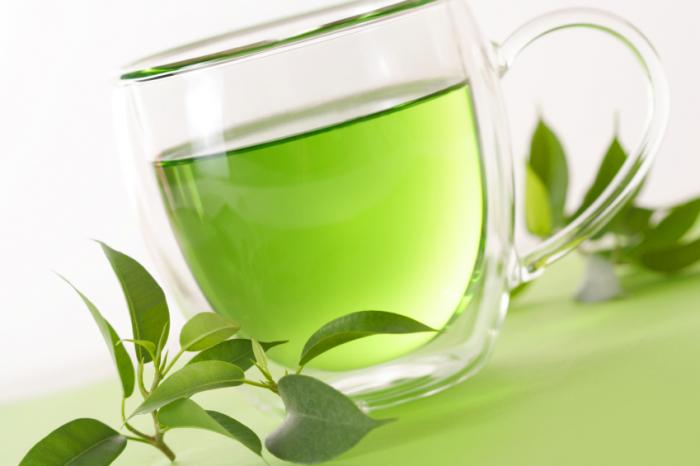

Drinking 2–4 cups of green tea per day is a simple way to start. It also provides antioxidants that support overall health.
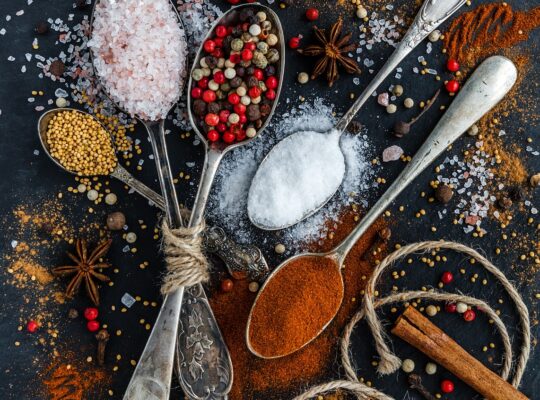
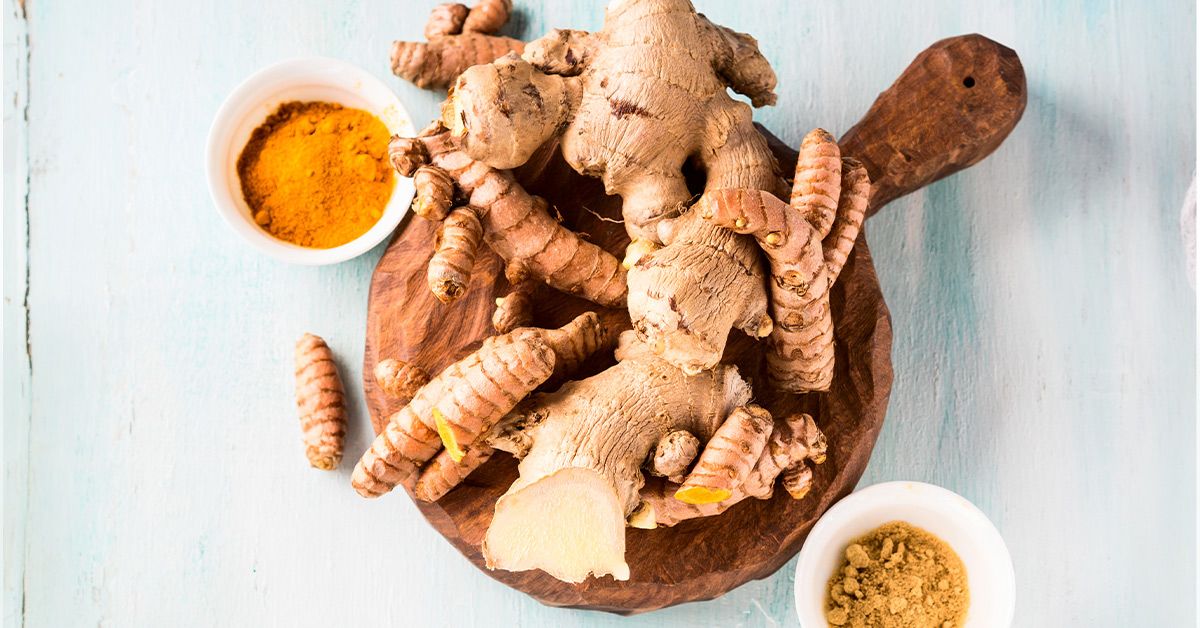
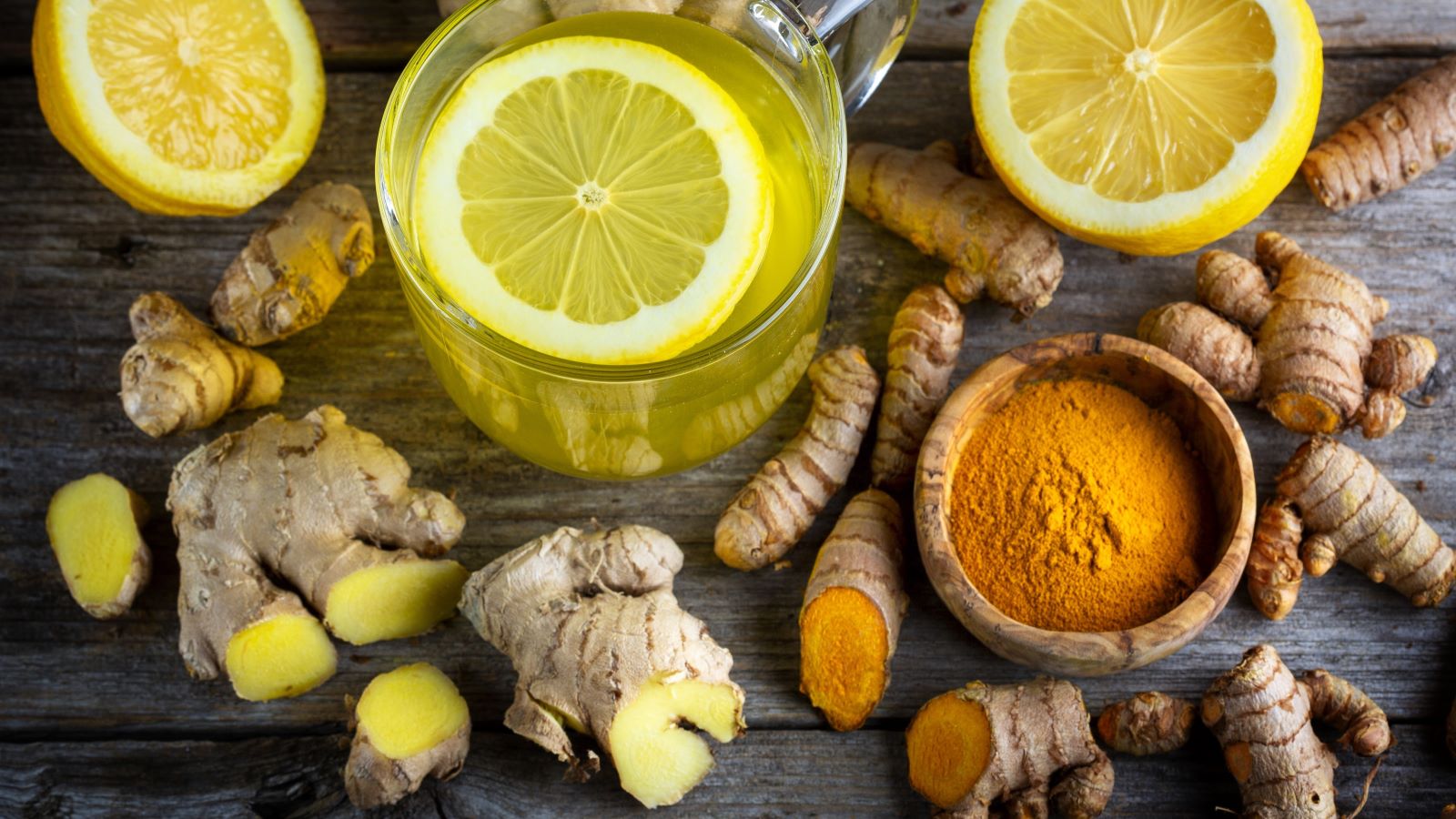
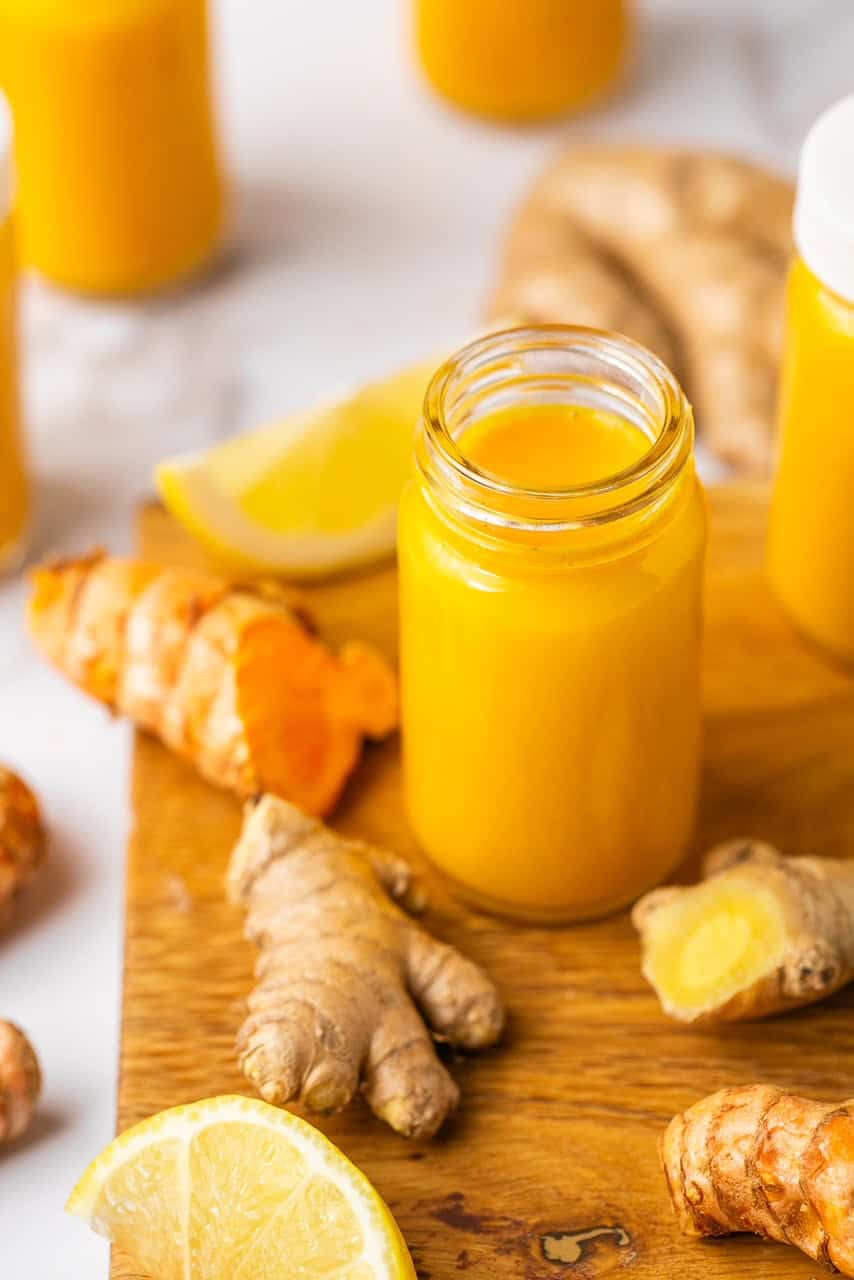
Ginger and turmeric are common kitchen spices with potential herbal weight loss benefits. Ginger may reduce appetite and improve digestion. Turmeric’s active compound curcumin has anti-inflammatory properties and may influence fat metabolism.
Garcinia Cambogia. This tropical fruit contains hydroxycitric acid (HCA). It is claimed to block an enzyme involved in fat production and reduce appetite. Studies show mixed results.


Psyllium Hus:k This soluble fiber expands in the stomach, promoting fullness. It is often ranked highly among natural options for modest weight support when taken with water before meals.

Other Mentions: Cinnamon for blood sugar balance, hibiscus tea, and oolong tea also appear in many herbal weight loss discussions.
Herbal Teas for Weight Loss Support
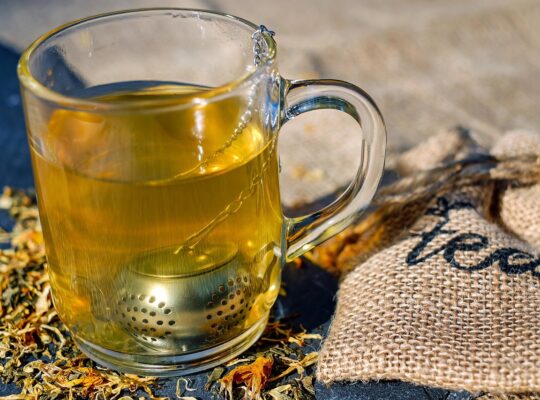
Teas are an easy and enjoyable part of herbal weight loss. They are low in calories and can replace sugary drinks.
- Green Tea: Most researched for potential fat-burning effects.
- Oolong Tea: May increase fat burning and help regulate blood sugar.
- Hibiscus Tea: Tart flavor with possible benefits for metabolism.
- Ginger Tea: Soothing and may curb appetite.
- Rooibos Tea: Caffeine-free with antioxidants.

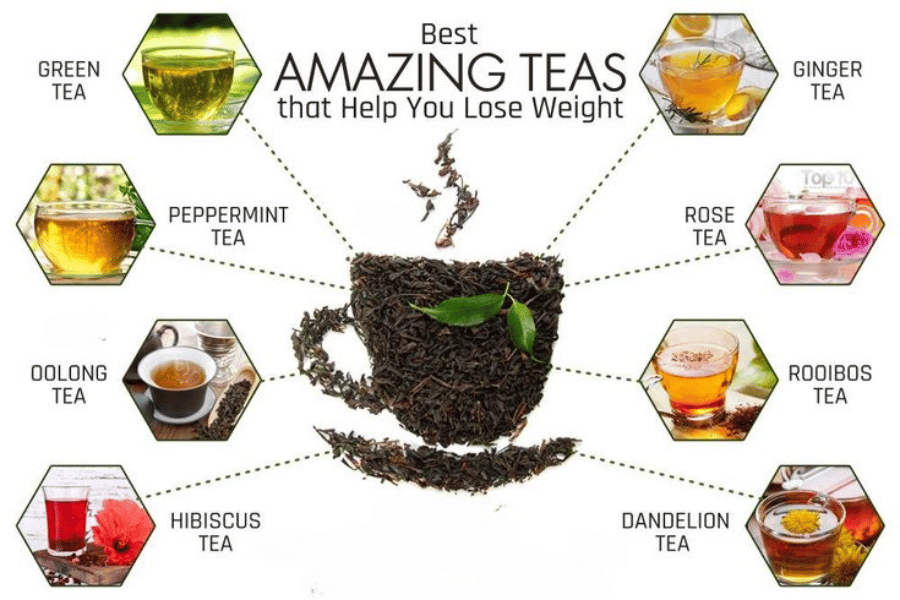
Aim for 2–3 cups daily. Brew properly to enjoy the best flavor and benefits.
Incorporating Herbal Weight Loss into Daily Life
Herbal weight loss should complement, not replace, healthy habits. Here is a practical guide:
Diet Tips:
- Focus on whole foods: vegetables, fruits, lean proteins, whole grains, and healthy fats.
- Use herbs and spices generously in cooking — turmeric in curries, ginger in stir-fries, cinnamon in oatmeal.
Sample Daily Routine with Herbal Support:
- Morning: Warm water with lemon and ginger + green tea.
- Breakfast: Oatmeal with cinnamon and berries.
- Mid-morning: Ginger or hibiscus tea.
- Lunch: Vegetable stir-fry with turmeric and lean protein.
- Afternoon: Green tea or rooibos.
- Dinner: Grilled fish or beans with herbs, side salad.
:max_bytes(150000):strip_icc()/Ginger-Turmeric-Noodle-Soup-FW-Cooks-FT-BLOG1219-243903b5f0b34750a55d56540af4f110.jpg)
Exercise: Combine herbal weight loss with walking, cycling, or strength training. Movement amplifies any metabolic benefits from herbs.
Lifestyle Factors:
- Sleep 7–9 hours nightly.
- Manage stress with yoga or meditation.
- Stay hydrated — many herbs work better with plenty of water.
Recipes to Support Herbal Weight Loss
- Green Tea Smoothie Blend: nd cooled green tea with spinach, banana, yogurt, and a dash of ginger.
- Ginger-Turmeric Golden M: ilk Warm milk with turmeric, black pepper, ginger, and cinnamon.
- Herbal Detox S:alad Mixed greens, cucumber, grated ginger and turmeric, lemon dressing, and protein of choice.
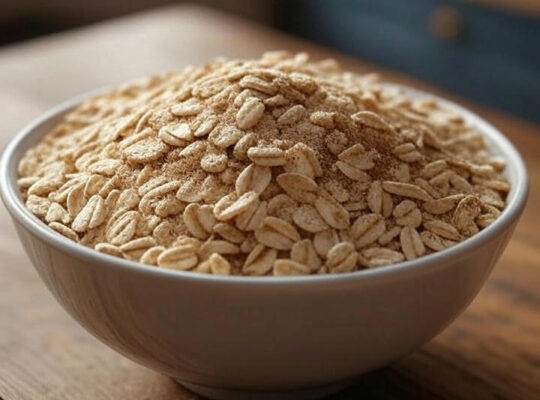
- Psyllium Overnight Oats: Oats soaked with psyllium husk, cinnamon, and berries.
- Spiced Vegetable Soup Simmer carrots, celery, ginger, turmeric, garlic, and lentils.
These simple recipes make herbal weight loss delicious and sustainable.
Potential Side Effects and Safety of Herbal Weight Loss
While many herbs are safe in food amounts, concentrated herbal weight loss supplements can cause digestive upset or interact with medications. Rare risks include liver concerns with high doses of certain extracts. Pregnant women, children, and people with medical conditions should be especially careful.
Buy from reputable sources and start with low doses. Herbal weight loss is not suitable for everyone without professional guidance.
Success Stories and Realistic Expectations
Some people report more energy and reduced bloating when using herbal weight loss alongside lifestyle changes. Focus on gradual progress — 0.5–1 kg per week is healthy and maintainable.
Common Myths About Herbal Weight Loss
- Myth: Herbs melt fat overnight. Reality: Changes take time and consistency.
- Myth: All-natural means completely safe. Reality: Herbs can have side effects.
- Myth: Supplements replace diet and exercise. Reality: They offer at most modest support.
Choosing Quality Herbal Weight Loss Products
Look for clear labeling, third-party testing, and no exaggerated claims. Avoid products with hidden ingredients.
Long-Term Approach to Weight Management with Herbs
Sustainable herbal weight loss means building habits you can keep for life. Use herbs to enhance the flavor and enjoyment of healthy foods. Over months, small daily choices create real change.
Conclusion:
Herbal weight loss offers interesting natural options that may provide mild support for metabolism, appetite, and digestion. Popular choices like green tea, ginger, turmeric, and psyllium show some promise, but evidence for dramatic results remains limited.
The best path combines herbal weight loss ideas with nutritious eating, regular physical activity, good sleep, and stress management. Listen to your body, be patient, and seek professional guidance when needed. True health comes from consistent, kind choices.
Disclaimer: This article is for informational and educational purposes only. It is not a substitute for professional medical advice, diagnosis, or treatment. Herbal weight loss approaches can interact with medications or cause side effects. Consult your doctor or a qualified healthcare provider before starting any herbs, supplements, teas, or weight management program, especially if you are pregnant, breastfeeding, have medical conditions, or take prescription drugs. Results vary widely between individuals. The author and publisher are not liable for any outcomes from using information in this article.
FAQs on Herbal Weight Loss
- Is herbal weight loss safe? Many common herbs used in food amounts are generally safe, but concentrated supplements can cause side effects or interactions. Always consult a doctor first.
- How long does it take to see results from herbal weight loss? Any benefits are usually modest and appear gradually over weeks to months when combined with diet and exercise.
- Can I use herbal weight loss without changing my diet? Herbs may offer slight support, but meaningful weight management almost always requires healthier eating habits.
- Which tea is best for herbal weight loss? Green tea is the most researched, followed by oolong and hibiscus. Choose what you enjoy and can drink consistently.
- Are there any herbs to avoid for weight loss? Avoid products with banned ingredients or hidden additives. Be cautious with high-dose extracts if you have liver concerns.
- Do herbal weight loss supplements really work? Evidence shows only small effects at best for most ingredients. They are not a replacement for lifestyle changes.
- Can children or teenagers use herbal weight loss methods? Generally not recommended without medical supervision. Focus on balanced nutrition and activity instead.
References
- Mayo Clinic resources on dietary supplements for weight loss.
- NIH Office of Dietary Supplements factsheets on green tea, ginger, turmeric, and related ingredients.
- Systematic reviews published in nutrition and obesity journals.
- FDA guidance on weight loss products and safety warnings.