
Strength Training Workouts for Diabetes Control
Strength Training Workouts for Diabetes Control offer a simple and powerful way to manage blood sugar levels naturally. Many people with diabetes struggle with high blood sugar, tiredness, and weight issues. But adding strength training can change that. These workouts build muscle, improve insulin use, and help your body handle glucose better. In this easy-to-read guide, you will learn everything about Strength Training Workouts for Diabetes Control. We cover the basics, benefits, safe exercises, full workout plans, nutrition tips, and more. Whether you are new to exercise or have some experience, these ideas can fit your life and support better diabetes control.
:max_bytes(150000):strip_icc()/VWFit-strength-training-for-seniors-3498669-023af1888c24499888a5d1705de3d681.jpg)
Strength Training Workouts for Diabetes Control are not just about lifting heavy weights. They include bodyweight moves, resistance bands, and light dumbbells. You can do them at home or in a gym. The best part? You do not need fancy equipment to start. Studies show that regular strength work helps lower HbA1c levels and reduces the need for extra insulin in many cases. This guide uses simple English so anyone can follow along. Let’s explore how Strength Training Workouts for Diabetes Control can become part of your daily routine for better health.
Understanding Diabetes and the Need for Exercise
Diabetes happens when your body does not make enough insulin or cannot use it well. This leads to high blood sugar, which can cause tiredness, slow healing, and long-term problems like heart issues or nerve damage. Type 2 diabetes is the most common form, and lifestyle changes like exercise play a big role in control.
Regular movement helps your muscles take in glucose from the blood. This lowers sugar levels without always needing more medicine. Aerobic activities like walking are good, but strength training adds something special. It builds muscle mass, and muscles act like a sponge for extra sugar. Strength Training Workouts for Diabetes Control focus on this muscle-building power to give lasting benefits.
Many doctors now suggest combining aerobic exercise with strength work. The American Diabetes Association recommends at least two or three strength sessions each week. This mix improves blood sugar control, supports weight loss, and boosts overall energy. Before you begin any plan, talk to your doctor. They can check if Strength Training Workouts for Diabetes Control are safe for your health level.
Why Strength Training Workouts for Diabetes Control Work So Well
Strength Training Workouts for Diabetes Control stand out because they target the root issues of diabetes. Unlike cardio alone, which burns sugar during the activity, strength training keeps improving insulin sensitivity for hours afterward – sometimes up to 24 hours. This means better blood sugar balance even on rest days.
One key reason is muscle growth. More muscle means your body needs less insulin to move glucose into cells. Research shows that people who do resistance exercises see bigger drops in HbA1c compared to aerobic-only routines in some groups. Strength Training Workouts for Diabetes Control also help reduce belly fat, which is linked to insulin resistance.
Another benefit is better heart health. Diabetes raises heart disease risk, but stronger muscles support a healthier cardiovascular system. You feel more energetic, sleep better, and handle daily tasks with ease. Plus, these workouts can prevent falls by improving balance and bone strength. For families dealing with diabetes, Strength Training Workouts for Diabetes Control create a shared healthy habit that everyone can enjoy together.
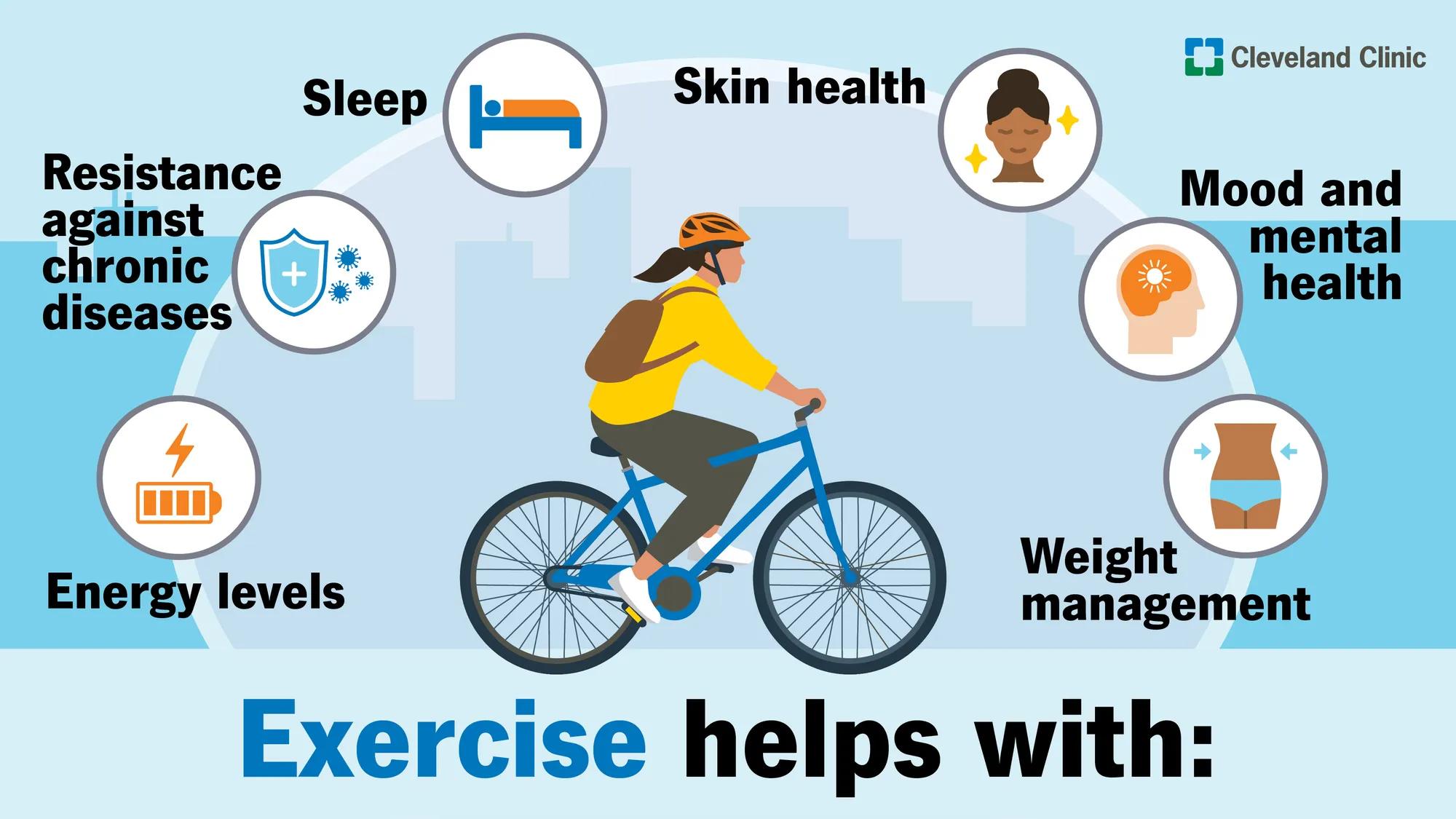
Key Benefits of Strength Training Workouts for Diabetes Control
The benefits of Strength Training Workouts for Diabetes Control go far beyond the gym. Here are some clear ways they help:
First, improved insulin sensitivity. When you lift or push against resistance, your muscles become better at using insulin. This means lower blood sugar spikes after meals. Studies confirm this effect lasts longer than with walking or running alone.
Second, lower HbA1c levels. HbA1c measures average blood sugar over months. Many people see a drop of 0.5% or more after consistent strength training. This small change can reduce medication needs and complication risks.
Third, weight management and fat loss. Strength Training Workouts for Diabetes Control build lean muscle while burning fat. Muscle burns more calories at rest, so you stay in a healthy weight range easier. Less fat around the organs means less inflammation and better diabetes control.
Fourth, stronger bones and joints. Diabetes can weaken bones. Resistance work increases bone density and protects against fractures. It also eases joint pain by strengthening supporting muscles.
Fifth, better mood and energy. Exercise releases feel-good hormones. People report less stress and anxiety, which often trigger blood sugar swings. You sleep deeper and wake up refreshed.
Sixth, reduced risk of heart disease. Stronger muscles support better blood pressure and cholesterol levels. Strength Training Workouts for Diabetes Control lower overall inflammation in the body.
Seventh, long-term blood sugar stability. The effects can last days after a session. This makes daily life more predictable for diabetes management.
Eighth, family involvement and motivation. When the whole family joins Strength Training Workouts for Diabetes Control, it becomes fun and supportive. Kids learn healthy habits early, and everyone stays accountable.
These benefits make Strength Training Workouts for Diabetes Control a smart choice for long-term health.
Getting Started Safely with Strength Training Workouts for Diabetes Control
Safety comes first with Strength Training Workouts for Diabetes Control. Always check with your doctor before starting. They might suggest a stress test or blood sugar guidelines.
Start slow. Begin with bodyweight exercises or light bands. Warm up for 5 minutes with gentle marching or arm circles. Cool down with stretches.
Monitor blood sugar before, during, and after workouts. If it is below 100 mg/dL or above 250 mg/dL, adjust or skip. Carry fast-acting carbs like glucose tabs for lows.
Stay hydrated and wear proper shoes. Listen to your body – stop if you feel dizzy or short of breath. Rest at least one day between sessions to let muscles recover.
Choose a comfortable space at home. You need only a mat, bands, or light dumbbells. Strength Training Workouts for Diabetes Control can fit any schedule – 20 to 40 minutes, two or three times a week is enough to start seeing results.
Beginner Strength Training Workouts for Diabetes Control
Beginner Strength Training Workouts for Diabetes Control are perfect for those new to exercise. Aim for two sessions per week, 30 minutes each. Focus on form over heavy weights.
Here is a simple full-body routine:
- Bodyweight Squats: Stand with feet shoulder-width apart. Lower as if sitting in a chair, then stand. Do 2 sets of 10 reps. This builds leg strength and helps glucose uptake in large muscles.

- Wall Push-Ups: Face a wall, place hands at shoulder height. Bend elbows to lower your chest, then push back. 2 sets of 8-10 reps. Great for chest and arms without floor pressure.
- Seated Rows with Band: Sit on the floor with legs straight. Loop a band around feet and pull handles toward your chest. 2 sets of 10 reps. Strengthens back and improves posture.
- Glute Bridges: Lie on your back, knees bent. Lift hips toward the ceiling, squeeze, then lower. 2 sets of 12 reps. Targets hips and core for better stability.
- Standing Calf Raises: Rise onto toes, then lower. Hold a wall for balance. 2 sets of 15 reps. Strengthens lower legs and supports daily walking.
- Plank Holds: On forearms or knees, hold a straight line for 10-20 seconds. 2 sets. Builds core strength to protect the back.
- Overhead Press with Light Dumbbells: Sit or stand, press weights overhead. 2 sets of 8 reps. Works shoulders safely.

- Bicep Curls: Hold light weights or bands, curl toward shoulders. 2 sets of 10 reps.
Rest 60 seconds between sets. Breathe steadily. These beginner Strength Training Workouts for Diabetes Control build confidence and results fast.
Intermediate Strength Training Workouts for Diabetes Control
Once you feel comfortable, move to intermediate Strength Training Workouts for Diabetes Control. Add light weights or increase reps to 12-15 per set. Sessions last 35-45 minutes, three times weekly.
Sample routine:
- Squats with Dumbbells
- Lunges (walking or stationary)
- Push-Ups on knees or full
- Bent-Over Rows
- Deadlifts with light weights (Romanian style)
- Shoulder Press
- Step-Ups on a low box
- Plank with shoulder taps
These moves hit more muscles and boost calorie burn. Alternate upper and lower body days for recovery. Strength Training Workouts for Diabetes Control at this level can cut blood sugar variability even more.

Advanced Strength Training Workouts for Diabetes Control
Advanced users can try circuit-style Strength Training Workouts for Diabetes Control. Combine moves with little rest for a cardio-strength mix. Use heavier weights or bands with more resistance. Include HIIT elements like 30 seconds work, 15 seconds rest.
Examples: Kettlebell swings (if approved), pull-ups with bands, or weighted step-ups. Always prioritize form to avoid injury. These routines maximize muscle gain and insulin sensitivity for strong diabetes control.
Specific Exercises for Strength Training Workouts for Diabetes Control
Let’s break down more exercises you can mix into any Strength Training Workouts for Diabetes Control plan:
- Lunges: Step forward, lower until both knees bend at 90 degrees. Alternate legs. Builds balance and leg power.
- Resistance Band Pull-Aparts: Hold band at chest height, pull apart. Targets upper back.
- Dumbbell Chest Press: Lie on a bench or floor, press weights up. Works chest and triceps.
- Bird-Dog: On all fours, extend opposite arm and leg. Improves core stability.
- Wall Sit: Lean against wall, slide to 90-degree knee bend. Hold 20-30 seconds.
Each exercise in Strength Training Workouts for Diabetes Control should feel challenging but not painful. Start with 2-3 sets and progress slowly.
:max_bytes(150000):strip_icc()/GettyImages-1194421817-98e975827ad14c588646ae40470bf488.jpg)
Your Weekly Workout Plan for Strength Training Workouts for Diabetes Control
A sample week for Strength Training Workouts for Diabetes Control:
- Monday: Beginner full-body (30 min)
- Tuesday: Light walk or rest
- Wednesday: Intermediate upper body focus
- Thursday: Rest or yoga
- Friday: Lower body and core
- Saturday: Full circuit
- Sunday: Active recovery
Adjust based on your energy and blood sugar readings. Consistency matters more than perfection. Many see big improvements in 4-8 weeks.
Nutrition Tips to Support Strength Training Workouts for Diabetes Control
Food fuels Strength Training Workouts for Diabetes Control. Eat a balanced meal with protein, healthy fats, and low-glycemic carbs 1-2 hours before. After, refuel within 30-60 minutes to help muscle repair and steady blood sugar.
Good post-workout choices: Greek yogurt with berries, grilled chicken with veggies, or a smoothie with spinach and protein powder. Pair carbs with protein to avoid spikes. Stay hydrated – water helps every cell work better.

Track carbs if you use insulin. Strength Training Workouts for Diabetes Control plus smart eating create a powerful team for diabetes management.
Monitoring Blood Sugar During Strength Training Workouts for Diabetes Control
Check levels often. Strength training can lower sugar quickly, so have a plan for lows. Use a continuous glucose monitor if possible. Many people notice steadier readings after a few weeks of consistent Strength Training Workouts for Diabetes Control.

Strength Training Workouts for Diabetes Control: A Family Affair
Strength Training Workouts for Diabetes Control can include the whole family. Kids can do bodyweight moves or play games that mimic exercises. Parents and grandparents join with modified versions. This builds healthy habits together, reduces stress, and makes diabetes management a team effort. Family sessions turn workouts into fun bonding time while supporting better health for everyone.

Success Stories and Tracking Progress
Many people share inspiring results from Strength Training Workouts for Diabetes Control. One woman lost significant weight and lowered her HbA1c by sticking to twice-weekly sessions. Another man reversed prediabetes symptoms through consistent routines and diet.
Track your own progress: weigh weekly, measure waist, note energy levels, and log blood sugar. Take photos every month. Celebrate small wins to stay motivated.
Common Mistakes to Avoid in Strength Training Workouts for Diabetes Control
Skip these errors: jumping in too fast, ignoring blood sugar checks, skipping warm-ups, or comparing yourself to others. Overtraining without rest can raise stress hormones. Always focus on proper form.
Frequently Asked Questions (FAQs)
Q1: How often should I do Strength Training Workouts for Diabetes Control? Aim for 2-3 times per week with rest days in between, as recommended by health experts.
Q2: Can beginners with diabetes start Strength Training Workouts for Diabetes Control? Yes, but get doctor approval and begin with bodyweight moves.
Q3: Will Strength Training Workouts for Diabetes Control lower my blood sugar immediately? It can, but effects often last longer than cardio. Monitor closely.
Q4: Do I need equipment for Strength Training Workouts for Diabetes Control? No. Bodyweight and bands work well at home.
Q5: Is it safe if I have type 1 diabetes? Yes, with careful monitoring and medical guidance.
Q6: How does strength training compare to walking for diabetes? Strength training often shows stronger effects on muscle and long-term sugar control.
Q7: Can kids join family Strength Training Workouts for Diabetes Control? Light versions are great for building habits safely.
Q8: What if I feel low energy during workouts? Check blood sugar, eat a small snack, and shorten the session.
Q9: How long until I see results from Strength Training Workouts for Diabetes Control? Many notice better energy and sugar levels in 4-6 weeks.
Q10: Should I combine with cardio? Yes – the mix gives the best overall diabetes management.
Disclaimer
This article provides general information about Strength Training Workouts for Diabetes Control and is for educational purposes only. It is not medical advice, diagnosis, or treatment. Always consult your healthcare provider before starting any new exercise program, changing your diet, or adjusting medications, especially if you have diabetes or other health conditions. Individual results may vary based on personal health factors. If you experience any unusual symptoms during exercise, stop immediately and seek medical help.
References
- American Diabetes Association. Weekly Exercise Targets. Available at: https://diabetes.org/health-wellness/fitness/weekly-exercise-targets
- American Diabetes Association. Anaerobic Exercise & Diabetes. Available at: https://diabetes.org/health-wellness/fitness/anaerobic-exercise-diabetes
- CDC. Get Active | Diabetes. Available at: https://www.cdc.gov/diabetes/living-with/physical-activity.html
- Abbott. Strength Training Exercise and Diabetes. Available at: https://www.abbott.com/en-us/corpnewsroom/diabetes-care/strength-training-exercise-and-diabetes
- PubMed Study on Strength Training vs Aerobic. Available at: https://pubmed.ncbi.nlm.nih.gov/37493759/
- Diatribe. Benefits of Strength Training for Diabetes. Available at: https://diatribe.org/exercise/benefits-strength-training-diabetes
- WebMD. Strength Training and Diabetes. Available at: https://www.webmd.com/diabetes/strength-training-diabetes
- Additional studies and guidelines from NCBI, ADA, and related health sources as cited inline.
This complete guide to Strength Training Workouts for Diabetes Control gives you the tools to take charge of your health. Start small, stay consistent, and enjoy the benefits with your family by your side. Strength Training Workouts for Diabetes Control can truly transform how you manage diabetes every day.