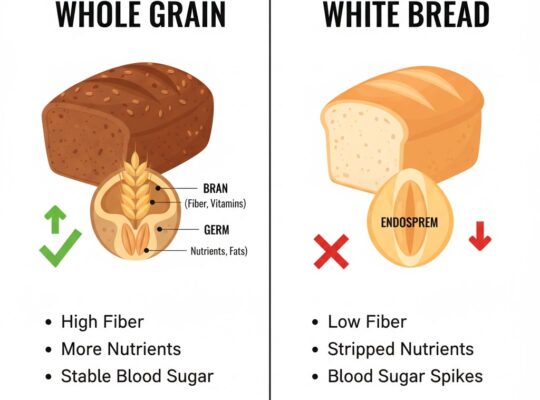
How to Read Nutrition Labels for Diabetes Management
Living with diabetes means paying close attention to what you eat every day. One of the best skills you can learn is how to read nutrition labels for diabetes management. How to read nutrition labels for diabetes management might feel tricky at first, especially with all the numbers and terms on a small package. But once you understand it, you can make smarter choices that help keep your blood sugar steady and support your overall health. In this long, easy-to-follow guide, we will walk through every part of a nutrition label step by step. You will discover why reading nutrition labels for diabetes management is so important for people in India and around the world. We will use simple English, real examples, and practical tips so you feel confident at the grocery store.

How to read nutrition labels for diabetes management starts with knowing that packaged foods come with a special panel called the Nutrition Information Panel (in India, under FSSAI rules) or Nutrition Facts label (in many other countries). These labels tell you exactly what is inside each serving. For someone with diabetes, the focus is often on carbohydrates, sugars, fiber, fats, and sodium because these directly affect blood sugar, energy levels, and heart health.
Many people with diabetes in places like Meerut or other Indian cities buy biscuits, namkeen, juices, and ready-to-eat meals. Learning how to read nutrition labels for diabetes management helps you avoid hidden sugars and oversized portions that can spike your glucose. By the end of this article, you will have read the phrase “how to read nutrition labels for diabetes management” many times because it is the key skill we are building together. Let’s begin.
Why Learning How to Read Nutrition Labels for Diabetes Management Matters So Much
Diabetes changes how your body handles food. When you eat carbs, they turn into glucose and raise your blood sugar. Too much at once can cause highs that feel tiring and, over time, lead to complications. How to read nutrition labels for diabetes management gives you the power to choose foods that fit your daily carb budget, usually set by your doctor or dietitian.
Imagine buying a packet of your favorite Indian snack. Without checking the label, you might eat the whole pack thinking it is “light.” But the label might show 25 grams of carbs per small serving and 8 grams of added sugar. Suddenly, that snack uses up a big part of your meal’s allowance. This is why reading nutrition labels for diabetes management is a daily habit for millions of people living with type 1 or type 2 diabetes.
Studies from health organizations show that people who check labels regularly eat fewer calories and less added sugar. They also manage their weight better and see steadier A1C numbers. In India, the FSSAI now requires bold display of high fat, sugar, and salt on many packs to fight rising diabetes rates. Knowing how to read these warnings is part of how to read nutrition labels for diabetes management.
Another reason is heart health. Many people with diabetes also worry about high blood pressure or cholesterol. Labels show sodium and saturated fats, so you can pick lower options and protect your heart at the same time.
How to read nutrition labels for diabetes management also saves money. You stop buying expensive “sugar-free” items that are not truly helpful once you understand the real numbers. Plus, it builds confidence. No more guessing at parties or while shopping online. You know what fits your plan.
Let’s break it down so you can start practicing how to read nutrition labels for diabetes management today.
Step-by-Step: Understanding the Top of the Label – Serving Size and Servings Per Container
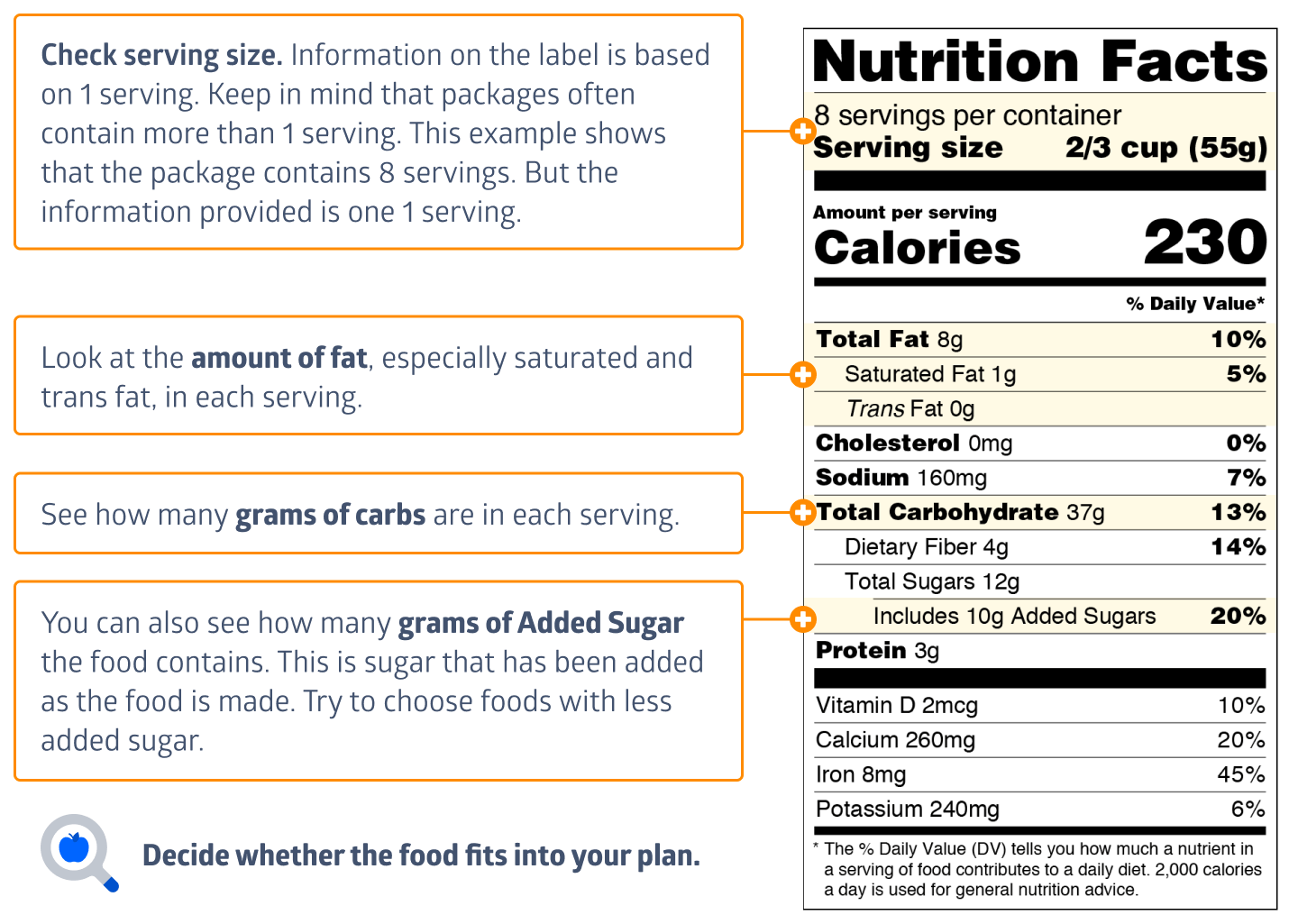
The very first thing you see on almost every label is Serving Size. This is the most important line when you practice how to read nutrition labels for diabetes management. Everything else on the label is based on this one amount.
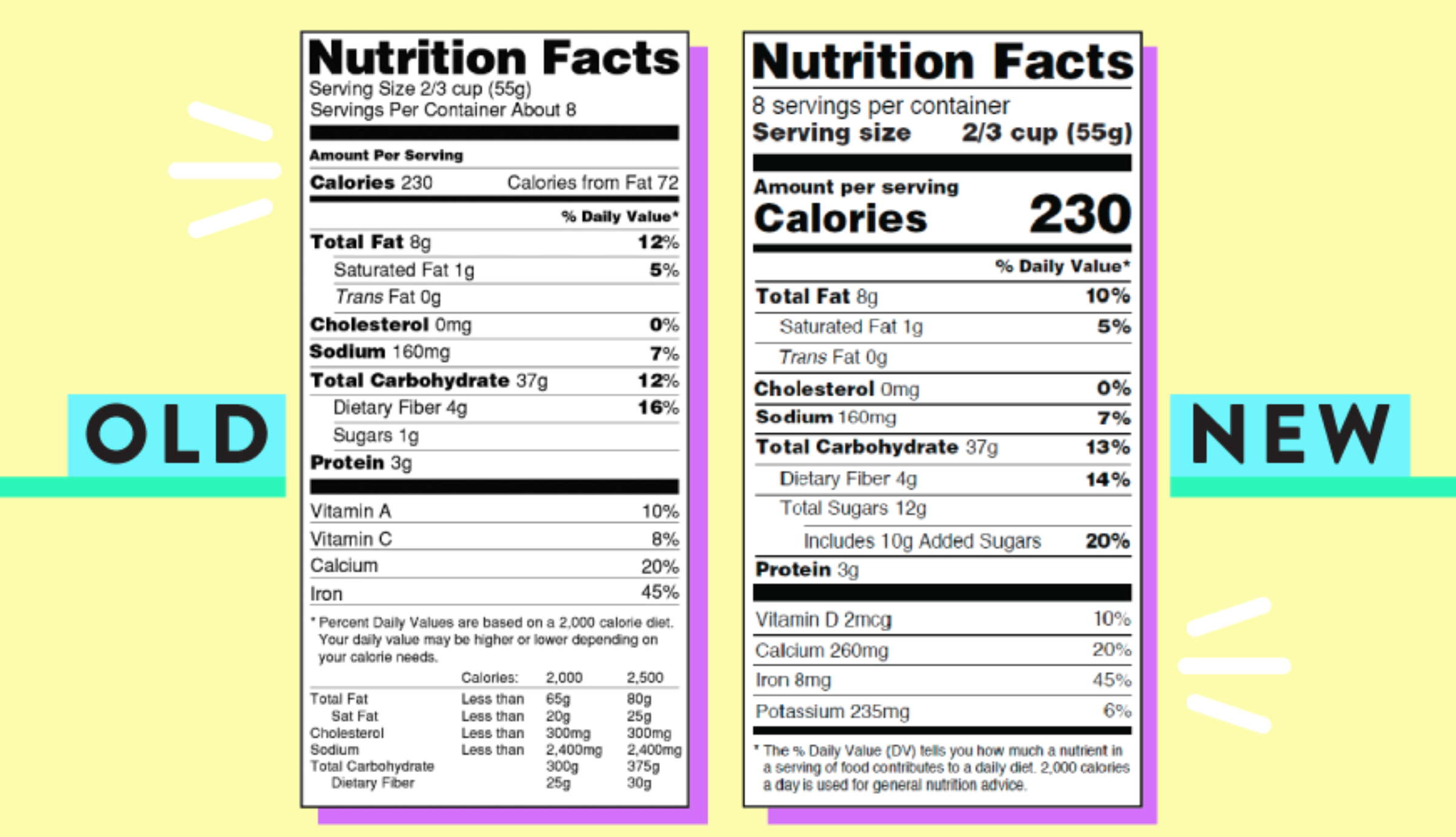
In India, FSSAI rules often show amounts per 100 grams or per serving, plus per pack. In other countries, it might say “2/3 cup (55g)” or “1 biscuit (15g)”. Always compare this to what you actually eat.
Example: A biscuit pack says serving size is 2 biscuits (30g) with 15g total carbs. But you usually eat 4 biscuits. That means you are getting 30g carbs – double the listed amount. This simple check prevents surprise blood sugar spikes.
Next comes Servings Per Container. It tells how many servings are in the whole package. A small juice bottle might say 2.5 servings. If you drink the whole bottle, multiply all numbers by 2.5.
Why does this matter for diabetes? Because portion control is key. Eating more than the serving size multiplies carbs, calories, and sugars. Many people new to reading nutrition labels for diabetes management miss this and wonder why their glucose jumps.
Tip: Use your phone camera to take a picture of the label before buying. At home, measure the serving with a cup or scale until you get used to it. Over time, your eyes will recognize reasonable portions.
How to read nutrition labels for diabetes management becomes easy when you always ask: “Am I eating one serving or more?” This one habit alone can improve your control within weeks.
Calories: How Much Energy Is in Your Food?
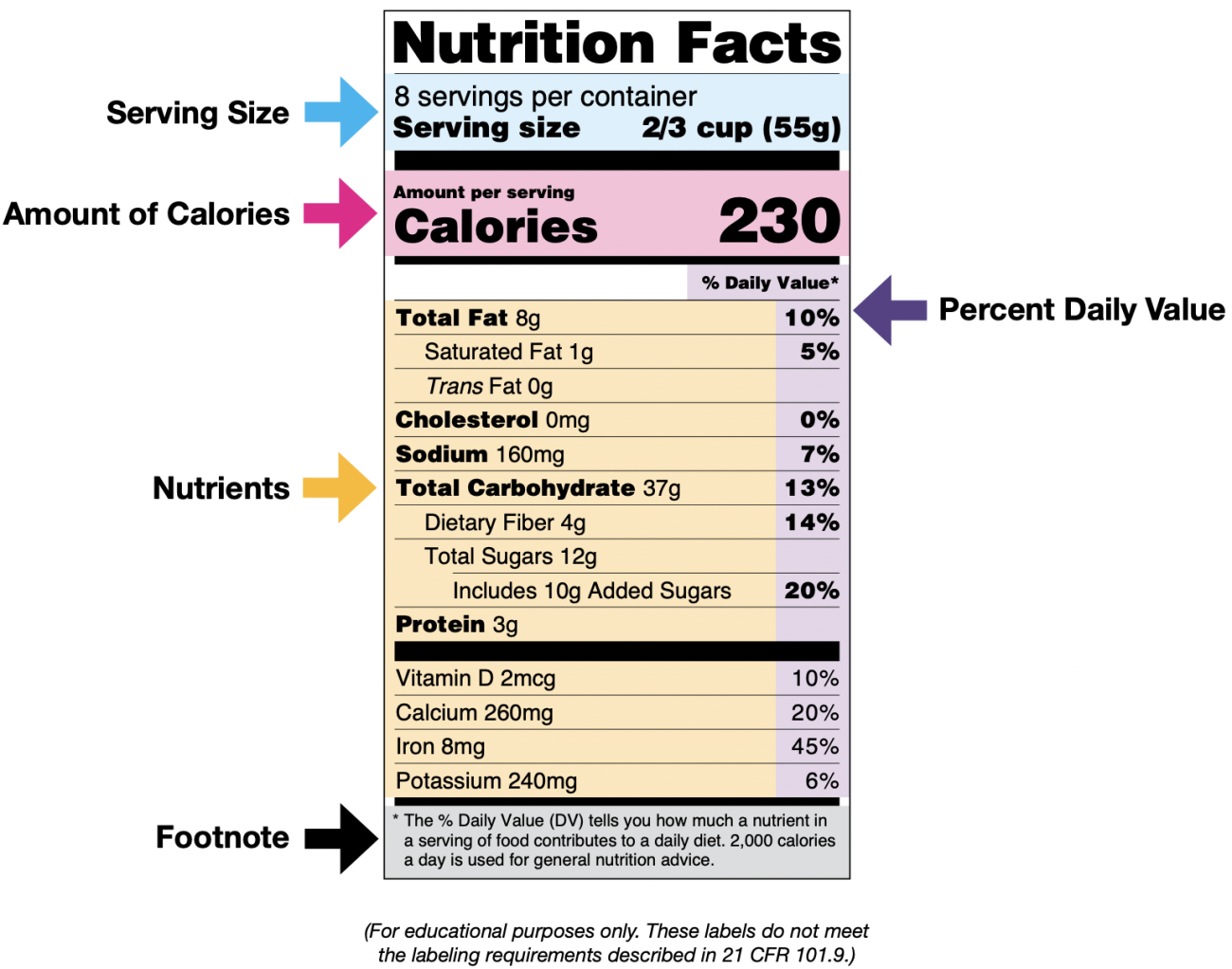
Right below serving size, you will see Calories and Calories from Fat (on older labels). Calories tell you how much energy the food gives.
For diabetes, calories matter if you are trying to reach or keep a healthy weight. Extra weight makes insulin work harder. But do not fear calories – focus on quality too.
A food with 200 calories per serving but loaded with fiber and protein can keep you full longer than 100 calories of pure sugar. When you practice how to read nutrition labels for diabetes management, look at calories alongside carbs.
In India, many snacks are high in calories from refined oils and maida. Checking this helps you balance your plate with home-cooked dal, roti, and veggies.
How to read nutrition labels for diabetes management includes knowing your daily calorie needs. Most adults need 1800–2200 calories, but your doctor will tell you the right number based on age, activity, and medicines.
Total Carbohydrates – The Star for Diabetes Management
This is the section most people with diabetes check first. Total Carbohydrate includes sugars, starches, and fiber. It is listed in grams.
Why is it so important? Carbohydrates raise blood sugar more than protein or fat. One gram of carb generally raises blood glucose by about 3–5 mg/dL, but this varies by person.
When you learn how to read nutrition labels for diabetes management, aim for foods with 15–45g carbs per meal, depending on your plan. Snacks might be 15g or less.
Look at the breakdown:
- Dietary Fiber: This is good! Fiber slows digestion and helps control blood sugar. Aim for 25–30g fiber daily. Foods with 3g or more per serving are excellent.
- Total Sugars: Includes natural sugars (like in milk or fruit) and added sugars.
- Added Sugars: This new line (required in many countries and now highlighted in India) shows sugars added during processing. Try to keep added sugars under 25g per day total. Less than 5g per serving is ideal for diabetes.
Example from a popular Indian biscuit: Total carbs 20g, dietary fiber 1g, total sugars 8g, added sugars 7g. This is high for a small snack. Compare it to a pack of roasted chana: Total carbs 15g, fiber 5g, added sugars 0g. Much better choice!
How to read nutrition labels for diabetes management means subtracting fiber from total carbs sometimes to find “net carbs,” but always count total carbs for accurate insulin or medicine dosing. Many experts still recommend counting total carbohydrates.
Fats, Cholesterol, and Sodium: Supporting Your Heart Health
Diabetes raises heart disease risk, so these numbers matter too.
- Total Fat: Not all fat is bad. Unsaturated fats from nuts and seeds are healthy.
- Saturated Fat and Trans Fat: Limit these. Trans fat should be zero. In India, FSSAI limits trans fat in foods.
- Cholesterol: Keep under 300mg daily.
- Sodium: High salt can raise blood pressure. Aim for less than 2300mg daily; many experts suggest 1500mg for people with diabetes. Look for under 140mg per serving as “low sodium.”
When you practice how to read nutrition labels for diabetes management, choose foods low in saturated fat and sodium to protect your kidneys and heart.
Protein and Vitamins: The Helpful Nutrients
Protein does not raise blood sugar much and keeps you full. Good sources include 5g or more per serving. Indian dals, paneer, and eggs are great.
Vitamins and minerals like Vitamin D, Calcium, Iron, and Potassium are listed with % Daily Value or %RDA in India. Potassium helps regulate blood pressure. Choose foods high in these.
FSSAI labels show %RDA based on a 2000 kcal diet. This makes reading nutrition labels for diabetes management easier in India because you see how much each nutrient contributes to your daily needs.
The Ingredients List: Your Secret Weapon
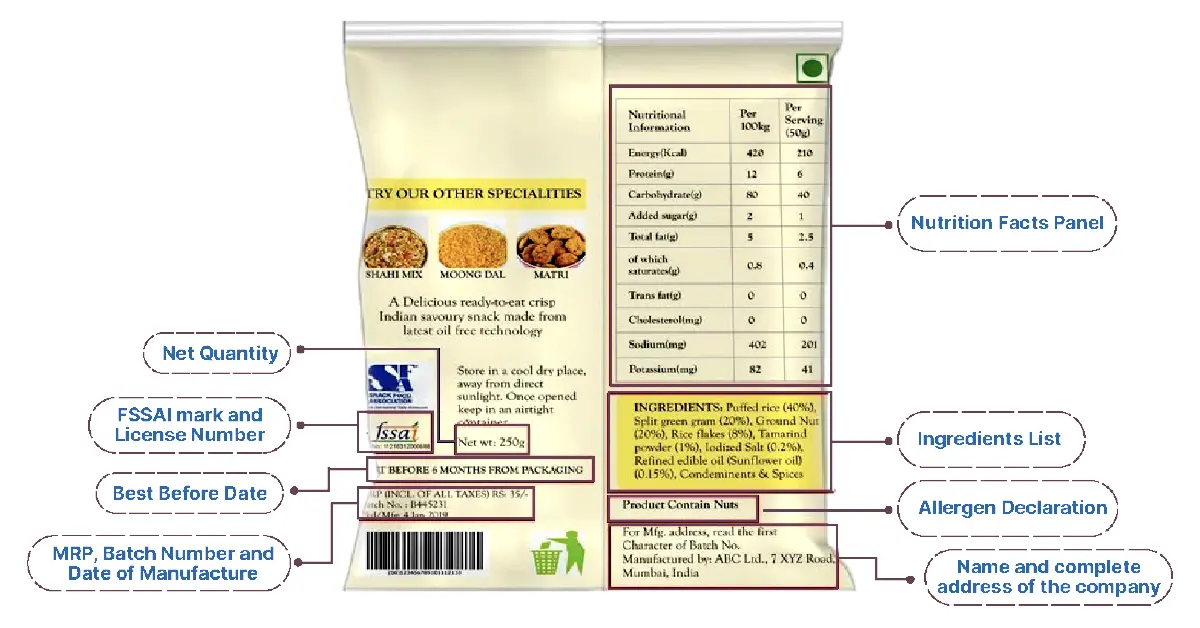
Below the nutrition panel is the ingredients list, ordered from most to least by weight.
When you master how to read nutrition labels for diabetes management, always read this list. Hidden sugars appear as: sugar, jaggery, honey, corn syrup, maltodextrin, high fructose corn syrup, sucrose, glucose, fructose, inverted sugar, etc.
If any of these are in the first three ingredients, the product is likely high in sugar.
Also watch for “hydrogenated oils” (source of trans fat) and long chemical names.
In India, FSSAI requires allergen declaration (nuts, gluten, etc.) and vegetarian/non-veg symbols. This helps people with diabetes who also have food allergies.
Front-of-Pack Labels and Claims in India
Many Indian packs now have bold red or green boxes for high sugar, salt, or fat as per recent FSSAI rules. “High in sugar” means more than 10% of energy from added sugar in some cases.
Claims like “sugar-free,” “low-fat,” or “diabetic friendly” can be misleading. Always check the full panel. “Sugar-free” might still have high carbs from starch.
How to read nutrition labels for diabetes management includes ignoring fancy marketing and trusting the numbers.
Real-Life Examples: Applying How to Read Nutrition Labels for Diabetes Management
Let’s look at three common Indian foods.
- Packaged Fruit Juice: Serving 200ml – Total carbs 25g, added sugars 20g, fiber 0g. Drinking one glass uses up half your daily added sugar. Better choice: whole fruit or water with lemon.
- Namkeen or Mixture: Per 30g serving – 15g carbs, 2g fiber, 1g added sugar, high sodium. Fine in small amounts, but pair with veggies and protein.
- Whole Grain Atta Biscuit vs Regular: Whole grain version shows higher fiber (4g) and lower added sugar. This slows glucose rise.
These examples show why how to read nutrition labels for diabetes management turns shopping into a skill that improves daily life.
Compare old and new labels too. Newer ones have bigger fonts, added sugarsseparatede, and more realistic serving sizes.
Common Mistakes People Make and How to Avoid Them
Many skip the serving size. Others only check calories and ignore carbs. Some believe “no added sugar” means zero carbs.
How to read nutrition labels for diabetes management fixes these. Always check total carbs first, then added sugars, then fiber. Use a notebook or app to log what you learn.
Another mistake: trusting “diabetic” products without checking. They can be expensive and worthless.
Practical Tips for Shopping and Meal Planning
- Take a printed cheat sheet with your carb goals.
- Use apps like MyFitnessPal that scan barcodes.
- Shop the outer aisles of the store first (fresh foods have no labels!).
- Plan meals using the diabetes plate method: half non-starchy veggies, quarter protein, quarter carbs.

- Read labels before buying in bulk.
When eating out, ask for nutrition info if available. Many big chains now provide it.
For Indian home cooking, read labels on packaged spices, oils, and flours too.
Special Considerations for Beverages, Snacks, and HFSS Foods
Drinks are sneaky. A 500ml cold drink can have 50g+ sugar. Check and choose zero-calorie options or infused water.
Snacks like chips or cookies: look for under 15g carbs per small pack and high fiber.
FSSAI now flags High Fat Sugar Salt (HFSS) foods. Avoid frequent use if the label shows high values.
How to Read Nutrition Labels for Diabetes Management with Family and Friends
Teach your family. When everyone understands, meal times become easier. Share what you learn at the dinner table.
Children with diabetes or parents managing it can start early. Make it a game: “Who can find the lowest added sugar?”
Long-Term Benefits of Mastering This Skill
People who practice how to read nutrition labels for diabetes management daily report better energy, fewer doctor visits, and more food enjoyment. It reduces stress because you feel in control.
Over months, you may need less medicine as your numbers improve. Combined with exercise and medicines, it is a complete approach.
Conclusion: Start Today and Keep Practicing
You have now learned a complete system for how to read nutrition labels for diabetes management. We covered serving size, carbs, sugars, fats, ingredients, Indian FSSAI rules, examples, tips, and mistakes. Repeat this process every time you shop, and your confidence will grow.
Remember, how to read nutrition labels for diabetes management is not about perfection. It is about progress. Small better choices every day adds up to big health wins.
Start with one product today. Read its label fully. Compare it to another. You are now on the path to better diabetes control. Keep learning, stay curious, and celebrate every steady blood sugar reading.
How to read nutrition labels for diabetes management will become second nature. Your future self – with more energy and better health – will thank you.
Disclaimer
This article is for educational and informational purposes only. It is not medical advice and does not replace advice from your doctor, endocrinologist, or registered dietitian. Nutrition needs vary by individual, medicine, activity level, and type of diabetes. Always consult a healthcare professional before making changes to your diet or diabetes management plan. Labels can change, and rules may differ by country or brand. The information here is based on general guidelines available as of 2026.
FAQs
- What is the most important part of the label for diabetes? Total carbohydrates and added sugars are the most important because they affect blood glucose the most. Always start there when you practice how to read nutrition labels for diabetes management.
- How do I know if a food is good for diabetes from the label? Look for low added sugars (under 5g per serving), high fiber (3g+), reasonable total carbs for your meal plan, and low sodium. Check the ingredients too.
- Does sugar-free mean it is safe for diabetes? Not always. It may still have high carbs or starches that raise blood sugar. Always check total carbohydrates.
- How does the FSSAI label in India differ from those in other countries? It shows values per 100g/100ml and per serving with %RDA. Bold warnings for high fat, sugar, and salt are now required on many products.
- Should I count net carbs or total carbs? Most diabetes experts recommend counting total carbohydrates for accuracy with insulin or medicine. Fiber helps, butiss it already part of total carbs?
- What if I cannot find fiber listed separately? Some Indian labels may not break it out yet. Focus on total carbs and choose whole-food options when possible.
- Can I use apps to help read labels? Yes! Barcode scanner apps read labels and calculate carbs for you. Great tool while learning how to read nutrition labels for diabetes management.
- How often should I check labels? Every time you buy a new product or notice a package has changed. It only takes 30 seconds once you get used to it.
References
- American Diabetes Association. Reading Nutrition Labels for Diabetes. https://diabetes.org/food-nutrition/reading-food-labels
- U.S. Food and Drug Administration. How to Understand and Use the Nutrition Facts Label. https://www.fda.gov/food/nutrition-facts-label/how-understand-and-use-nutrition-facts-label
- Food Safety and Standards Authority of India (FSSAI). Labelling and Display Regulations. https://fssai.gov.in
- Diatribe Foundation. Decoding Nutrition Labels: A Guide for People With Diabetes.
- Additional sources from government and health organization guidelines on nutrition labeling and diabetes management (2023–2026 updates).