
Benefits of Walking for Diabetes: How Much and When.
Disclaimer: This article is for informational purposes only and is not a substitute for professional medical advice. Always consult your doctor or healthcare provider before starting any new exercise program, especially if you have diabetes. Individual needs vary based on your health condition, medications, and blood sugar levels. The information here is based on general guidelines from reputable sources like the American Diabetes Association (ADA) and scientific studies. Results may differ for each person.
Walking is one of the simplest and most effective ways to stay healthy, especially for people living with diabetes. It costs nothing, needs no special equipment, and you can do it almost anywhere. In this long guide, we will explore everything you need to know about using walking to control blood sugar naturally. We will cover why it works, the right amount, the best timing, practical tips, safety advice, and more. By the end, you will feel ready to start a walking habit that fits your life.
One key topic that many people search for is the Benefits ofwalkingg for Diabetes: How Much and when. This phrase captures the heart of what works best for managing diabetes through daily movement. The Benefits of Walking for Diabetes: How Much and When matter because small changes in your routine can lead to big improvements in your health. We will repeat and explain the Benefits of walking for Diabetes: How Much and when throughout this article, so you can see how it applies to real life.

Image: A person walking briskly in a green park – a perfect example of a daily activity that supports diabetes management.
Understanding Diabetes and the Role of Daily Movement
Diabetes is a condition where your body has trouble using or making insulin, the hormone that controls blood sugar. There are two main types: Type 1 and Type 2. In both cases, high blood sugar over time can damage the eyes, kidneys, nerves, and heart. Many people in places like Meerut, India, and around the world deal with Type 2 diabetes due to busy lifestyles, diet, and genetics.
Exercise, like walking,g helps your muscles use sugar for energy without needing as much insulin. This is why doctors often recommend walking as a first step. It is safe for most people with diabetes and has few risks when done right. Studies show regular walkers have better blood sugar control, lower HbA1c levels (a 3-month average of blood sugar), and fewer complications.
The Benefits of Walking for Diabetes: How Much and When become clear when you look at how movement affects your body every day. The Benefits of Walking for Diabetes: How Much and When include better insulin sensitivity, weight control, and steady energy levels.
Why Walking Works So Well for People with Diabetes
Walking is a moderate aerobic exercise. It gets your heart pumping gently and uses large muscles in your legs. When you walk, your muscles pull sugar from your blood to use as fuel. This lowers blood sugar right away and for hours afterward.
Here are some specific benefits explained in simple terms:
- Lowers Blood Sugar Levels: After a meal, blood sugar rises. A short walk can stop that spike. Research showthat s even 10 minutes of walking soon after eating can keep sugar levels lower than sitting still.
- Improves Insulin Sensitivity: Your body responds better to insulin, so less medicine may be needed over time (always check with your doctor).
- Helps with Weight Loss or Maintenance: Walking burns calories. Losing even 5-10% of body weight can improve diabetes control a lot.
- Boosts Heart Health: Diabetes raises heart disease risk. Walking lowers blood pressure, improves cholesterol, and strengthens your heart.
- Reduces Stress and Improves Mood: Walking releases endorphins (happy hormones). Less stress means better blood sugar because stress hormones can raise sugar.
- Strengthens Bones and Muscles: It keeps you strong and helps prevent falls, which is important as you get older.
- Better Sleep: Regular walkers often sleep better, and good sleep helps control diabetes.
- Lowers Risk of Other Problems: It can reduce the chances of nerve damage, eye issues, and kidney problems.
The Benefits of Walking for Diabetes: How Much and When are backed by science. One review of many studies found that regular walking, especially supervised, can lower HbA1c by about 0.5%. That is a meaningful drop! The Benefits of Walking for Diabetes: How Much and When also help with daily energy and feeling more active.

Image: Glucose meter surrounded by fresh vegetables – showing how walking and healthy eating work together for diabetes.
Scientific Evidence Supporting Walking
Many studies prove these points. For example, a systematic review showed walking improves glucose control, body weight, and blood pressure in people with Type 2 diabetes. Another study found that three 15-minute walks after meals were as good as one 45-minute walk for controlling blood sugar all day.
In one interesting trial, older adults who walked after meals had much better 24-hour blood sugar control. Even short 10-minute walks right after eating worked almost as well as longer ones. Brisk walking (faster pace) lowered diabetes risk more than slow walking.
The ADA says most adults with diabetes should aim for 150 minutes of moderate activity per week. Walking fits perfectly. The Benefits of Walking for Diabetes: How Much and When are not just theory – real people see real changes when they follow these guidelines.
How Much Walking Do You Need? Practical Guidelines
Now let us talk numbers. The Benefits of Walking for Diabetes: How Much and When depend on starting slow and building up.
- Beginners: Start with 10-15 minutes a day, 3-5 days a week. Add 5 minutes each week until you reach 30 minutes.
- General Goal: 150 minutes per week of moderate walking. This can be 30 minutes a day, 5 days a week.
- Step Goal: Many experts suggest 7,000 to 10,000 steps daily. Use a phone or a cheap pedometer to track.
- Split It Up: If 30 minutes at once is hard, do three 10-minute walks. It still counts!
- Intensity: Walk at a brisk pace – you should be able to talk but not sing. This is moderate intensity.
For better results, add 2-3 days of strength training (like light weights or body exercises) each week. But walking alone gives huge benefits.
A sample weekly plan:
- Monday: 30-minute morning walk
- Tuesday: 10-minute walk after breakfast, lunch, and dinner
- Wednesday: 30-minute evening walk
- And so on.
Track your blood sugar before and after walks to see how your body responds. The Benefits of Walking for Diabetes: How Much and When become personal when you measure your own progress.
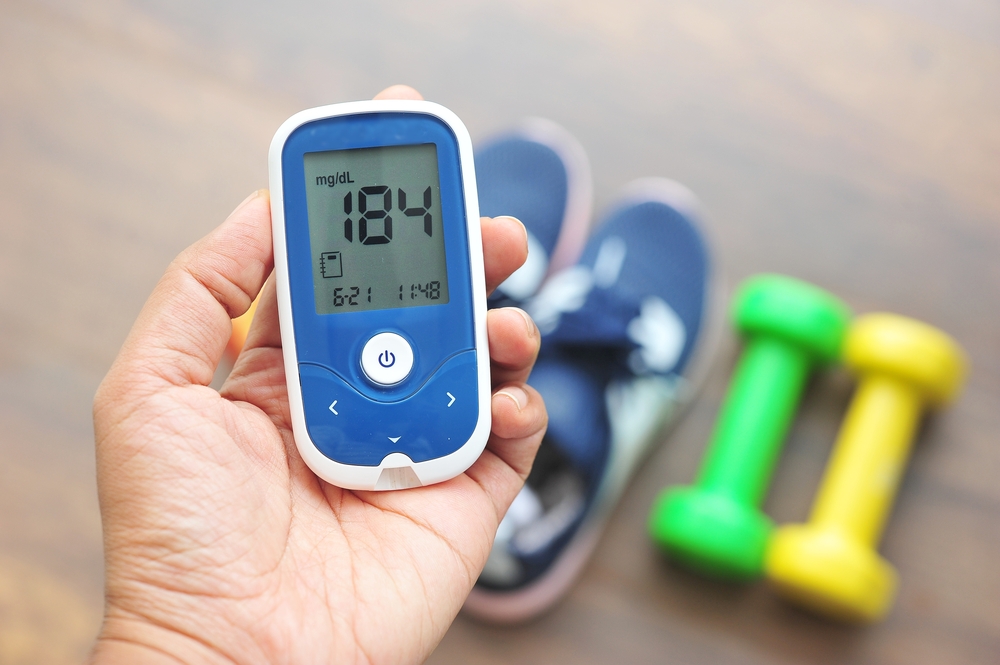
Image: Hand holding a glucose meter showing a reading – important for monitoring during walks.
When Is the Best Time to Walk for Diabetes Control?
Timing matters a lot. The Benefits of Walking for Diabetes: How Much and When shine brightest when you walk at the right moments.
Post-Meal Walking Is Powerful. Blood sugar peaks 60-90 minutes after eating. Walking soon after a meal uses that extra sugar. Studies show:
- 10-15 minutes of walking right after eating lowers the spike.
- Even 5 minutes helps.
- Three short post-meal walks can control blood sugar better than one long morning walk.
Try walking 10-30 minutes after breakfast, lunch, and dinner. This is especially helpful in India, where meals often include rice or roti that raise sugar quickly.
Morning Walking A morning walk can set your day with steady energy and better insulin use all day. It also helps with weight control because it boosts metabolism early.
Evening or Afternoon Walk.ng Some research shows that later-day activity may improve insulin sensitivity more for some people. An after-dinner walk helps digest food and prevents nighttime sugar spikes.
Consistency Over Perfection. The best time is the time you will actually do it! Pick times that fit your schedule and stick to them. Avoid very long gaps between walks – try to move every 30 minutes if you sit a lot.
The Benefits of Walking for Diabetes: How Much and When include choosing times that match your life. Many people find post-meal walks easiest and most effective.

Image: Group of friends and family walking together – social walking makes it fun and sustainable.
Tips to Make Walking a Daily Habit
Here are easy ways to succeed:
- Wear Good Shoes: Choose comfortable, supportive shoes made for walking. Check feet daily for blisters or cuts (important for diabetes).
- Start Slow: Warm up with 2-3 minutes of slow walking. Cool down the same way.
- Stay Hydrated: Drink water before, during, and after walks.
- Use Technology: Apps or fitness trackers count steps and remind you to move.
- Make It Fun: Walk with family, listen to music or podcasts, or explore new parks in Meerut.
- Combine with Diet: Pair walking with balanced Indian meals – more vegetables, dal, and less sugary drinks.
- Track Progress: Keep a simple diary of walks, steps, and blood sugar readings.
For people with diabetes, foot care is key. Wash feet daily, dry well, moisturize (not between toes), and never walk barefoot.
If you take insulin or certain medicines, check your blood sugar before walking. Carry a snack if levels are low.
Safety Precautions and When to Be Careful
Walking is safe for most, but:
- Check with your doctor first.
- Stop if you feel dizzy, chest pain, or very tired.
- Watch for low blood sugar (hypoglycemia) signs like shakiness or sweating.
- In hot Indian weather, walk early morning or evening and wear light clothes.
- People with nerve damage or poor circulation need extra foot checks.
The Benefits of Walking for Diabetes: How Much and When are greatest when you stay safe and listen to your body.

Real-Life Success Stories and Long-Term Benefits
Imagine Rajesh from Uttar Pradesh. He had Type 2 diabetes and high sugar levels. He started with 15-minute post-meal walks. In three months, his HbA1c dropped, he lost weight, and he felt more energetic. Many people share similar stories.
Long-term, consistent walking can reduce medicine needs, prevent complications, and improve quality of life. It also lowers the risk of developing diabetes if you have prediabetes.
Combining Walking with Other Healthy Habits
Walking works best with:
- Balanced meals (plate method: half vegetables, quarter protein, quarter carbs)
- Enough sleep (7-8 hours)
- Stress management (deep breathing)
- Regular doctor visits and blood tests
You can mix walking with yoga or light resistance exercises for even better results.
30-Day Walking Challenge for Beginners
Week 1: 10-15 min walks after main meals Week 2: Increase to 20 min Week 3: Add brisk pace Week 4: Aim for 30 min daily or 150 min total
Track steps and celebrate small wins. The Benefits of Walking for Diabetes: How Much and When come alive when you follow a simple plan.
The Benefits of Walking for Diabetes: How Much and When continue to show up in every study and every success story. The Benefits of Walking for Diabetes: How Much and When remind us that small daily actions add up to big health wins. The Benefits of Walking for Diabetes: How Much and When are not complicated – just consistent effort and smart timing. The Benefits of Walking for Diabetes: How Much and When can change how you feel every single day. The Benefits of Walking for Diabetes: How Much and When encourages you to lace up your shoes today. The Benefits of Walking for Diabetes: How Much and When proves that nature’s simplest exercise is powerful medicine. The Benefits of Walking for Diabetes: How Much and Whenhelpsp thousands of people worldwide manage diabetes better. The Benefits of Walking for Diabetes: How Much and When fit perfectly into busy Indian lifestyles. The Benefits of Walking for Diabetes: How Much and When are supported by science and real results. The Benefits of Walking for Diabetes: How Much and When can be your personal roadmap to better health.
More on Post-Meal Walking Science
Let us dive deeper. One study gave participants glucose and then had them walk for 10 minutes immediately after. Blood sugar levels and peaks were much lower than in people who rested. Another trial compared 10-minute, 30-minute, and no walks after meals. Both walking times worked well, showinthat g even short walks help.
In older adults at risk for diabetes, three 15-minute post-meal walks beat a single 45-minute walk for evening sugar control. This is useful for families who eat together and can walk after dinner.
For Type 1 diabetes, post-meal walking can also help, but you must monitor closely to avoid lows.
Walking for Different Age Groups and Diabetes Types
- Children and Teens with Diabetes: 60 minutes of activity daily, including walking and play.
- Adults: 150 minutes of moderate walking weekly.
- Seniors: Shorter bouts, focus on balance and safety.
- Gestational Diabetes: Walking helps control sugar during pregnancy (with doctor approval).
In India, community walking groups in parks are common and motivating.
Common Myths About Walking and Diabetes
Myth 1: Only intense exercise works. Fact: Moderate walking is very effective. Myth 2: You need a gym. Fact: Parks, streets, or even indoor walking count. Myth 3: More is always better. Fact: Start slow to avoid injury.
Nutrition Tips That Pair Perfectly with Walking
Eat balanced meals with fiber (vegetables, whole grains) before walking. After a walk, have a small healthy snack if needed. Hydration is key in warm climates.
Mental and Emotional Benefits Expanded
Walking outdoors reduces anxiety and depression, common in diabetes. It gives you time to think or connect with nature.
Technology to Enhance Your Walking Journey
Use free apps like Google Fit or pedometers. Some CGM devices (continuous glucose monitors) show in real-time how walking lowers sugar.
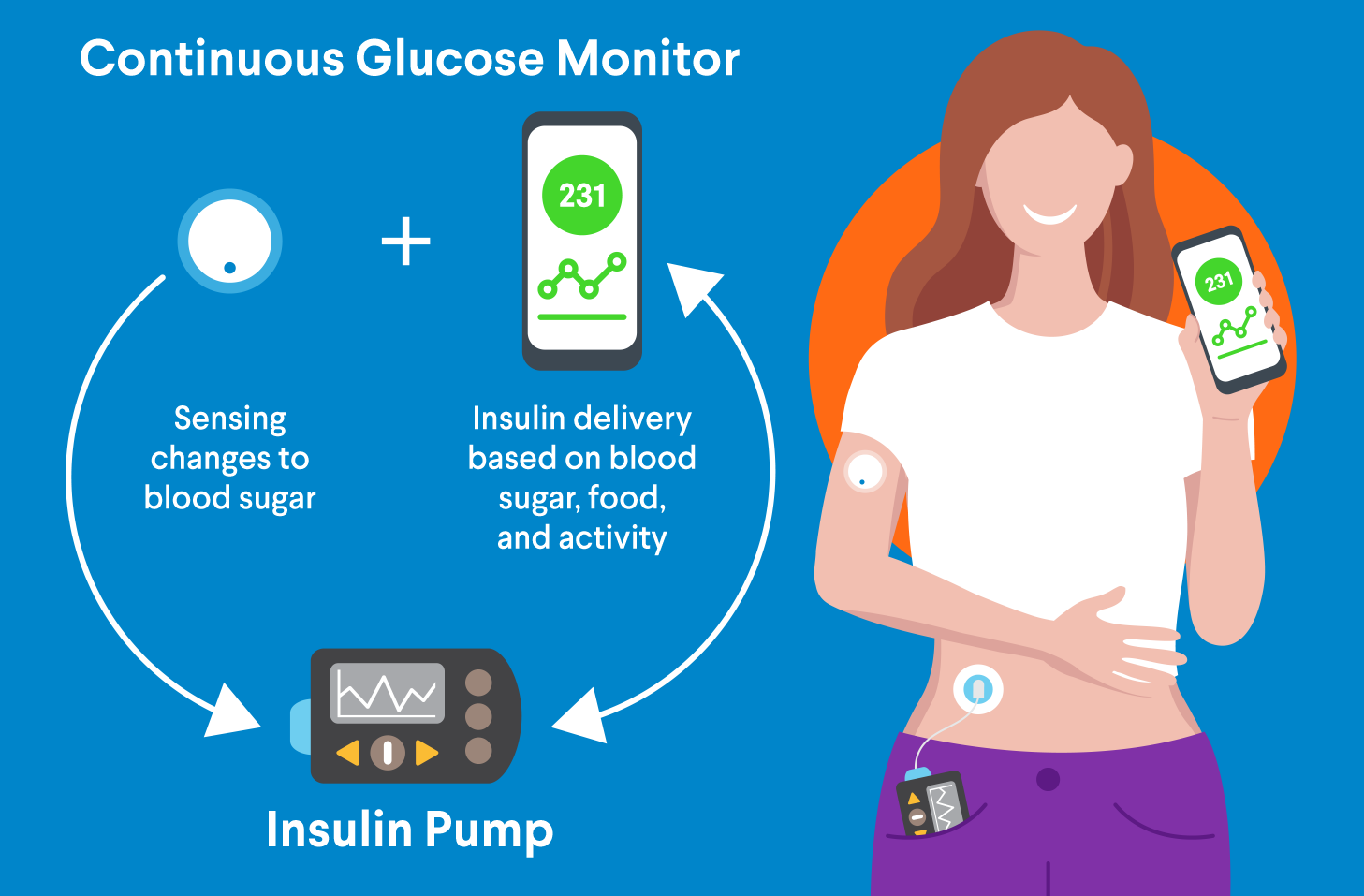
Image: Woman using a continuous glucose monitor – modern tech that pairs well with walking routines.
Overcoming Barriers to Walking
Busy schedule? Walk during lunch break or after TV time. Bad weather? Walk indoors or in a mall. No motivation? Join a friend or family group.
Long-Term Health Gains
Years of regular walking can mean fewer hospital visits, better eyesight, stronger kidneys, and a longer, happier life.
You have now read a detailed guide full of practical advice. Start today with one short walk and build from there. The power is in your steps!
Frequently Asked Questions (FAQs)
- What are the main Benefits of walking for Diabetes: How Much and when? The Benefits of Walking for Diabetes: How Much and When include lower blood sugar, better insulin use, weight control, and heart health. Aim for 150 minutes weekly, with walks after meals for best results.
- How many minutes should I walk each day for diabetes? Start with 30 minutes daily or split into shorter sessions. Follow ADA guidelines for 150 minutes per week.
- Is walking after meals better than morning walks? Yes, post-meal walks (10-15 minutes) are often more effective at controlling sugar spikes.
- Can walking replace medicine for diabetes? No. It supports treatment, but do not stop medicines without doctor advice.
- What if I have foot problems from diabetes? Choose proper shoes, check your feet daily, and get a doctor’s clearance.
- How fast should I walk? Brisk pace – able to talk but not sing.
- Does walking help Type 1 diabetes, too? Yes, but monitor blood sugar carefully.
- Can I walk indoors if it is too hot outside? Absolutely – marching in place or mall walking works.
- How soon will I see benefits? Many notice better energy and sugar control in 1-2 weeks.
- Should I track steps or time? Both are good. Steps help with daily goals like 7,000-10,000.
References
- American Diabetes Association. Benefits of Walking. https://diabetes.org/health-wellness/fitness/benefits-walking
- American Diabetes Association. Diabetes Walking Plan. https://diabetes.org/health-wellness/fitness/diabetes-walking-plan
- Moghetti P, et al. Walking for subjects with type 2 diabetes: A systematic review and meta-analysis. Nutrition, Metabolism and Cardiovascular Diseases, 2020.
- DiPietro L, et al. Three 15-min Bouts of Moderate Postmeal Walking. Diabetes Care, 2013.
- Hashimoto K, et al. Positive impact of a 10-min walk immediately after glucose intake. Scientific Reports, 2025.
- Colberg SR, et al. Physical Activity/Exercise and Diabetes: A Position Statement. Diabetes Care, 2016.
- Jayedi A, et al. Walking speed and the risk of type 2 diabetes. British Journal of Sports Medicine, 2024.
- UCLA Health. Taking a walk after eating can help with blood sugar control.
- Additional studies from PubMed and PMC on walking, glycemic control, and diabetes management.
Start walking today and enjoy the Benefits ofwalkingg for Diabetes: How Much and When in your own life. Your future self will thank you!