
The Complete Guide to Coffee, Tea, and Artificial Sweeteners: Boost Your Health Without the Sugar
In today’s fast-paced world, few rituals bring as much comfort and energy as a steaming cup of coffee or a soothing brew of tea. But when it comes to sweetening these beloved beverages, the debate rages on: sugar or something better? Enter coffee, tea, and artificial sweeteners—a dynamic trio that’s revolutionizing how we enjoy our daily doses of caffeine without the caloric crash. Whether you’re a black coffee purist, a green tea enthusiast, or someone experimenting with low-sugar lattes, understanding the interplay between coffee, tea, and artificial sweeteners can unlock a world of health benefits, flavor innovations, and mindful indulgence.
This comprehensive guide dives deep into the world of coffee, tea, and artificial sweeteners, exploring their individual perks, synergistic effects, and practical applications. We’ll uncover how artificial sweeteners can enhance the natural goodness of coffee and tea, helping you cut calories while amplifying antioxidants and wellness. From reducing the risk of chronic diseases to crafting delicious recipes, coffee, tea, and artificial sweeteners offer a balanced path to better health. Backed by science and real-life insights, this article equips you with everything you need to make informed choices. Let’s brew up some knowledge!
Understanding Artificial Sweeteners: The Sweet Side of Zero Calories
Artificial sweeteners have come a long way since their introduction in the 20th century, evolving from simple sugar substitutes to sophisticated options that mimic sweetness without the spike in blood sugar. At their core, artificial sweeteners are low- or no-calorie compounds designed to provide the taste of sugar—sucrose—while dodging its metabolic downsides. This makes them ideal companions for coffee, tea, and artificial sweetener routines, especially for those managing weight, diabetes, or simply seeking guilt-free pleasure.
There are two main categories: synthetic (artificial) and natural-derived. Synthetic ones include aspartame (found in Equal and NutraSweet), sucralose (Splenda), and saccharin (Sweet’N Low). Aspartame, for instance, is 200 times sweeter than sugar and breaks down into amino acids during digestion, making it suitable for hot beverages like coffee, where heat stability isn’t a massive concern. Sucralose stands out for its heat resistance, perfect for baked goods or hot tea, as it remains stable up to 350°F. Saccharin, the oldest artificial sweetener (discovered in 1879), offers a slightly bitter aftertaste but packs 300-400 times the sweetness of sugar.
On the natural side, stevia (from the Stevia rebaudiana plant) and monk fruit extract provide plant-based alternatives that are 200-300 times sweeter than sugar with zero calories. Erythritol, a sugar alcohol, ferments naturally in fruits and adds a cooling sensation, making it a favorite for iced coffee or chilled teas. These options align seamlessly with coffee, tea, and artificial sweetener pairings, as they dissolve easily and don’t alter the beverage’s pH or flavor profile dramatically.
How do they work? Artificial sweeteners bind to sweet taste receptors on the tongue, tricking the brain into perceiving sweetness without triggering insulin release. This is a game-changer for coffee, tea, and artificial sweetener enthusiasts aiming to lower glycemic impact. Studies show that swapping sugar for these alternatives can reduce daily calorie intake by up to 200-300 calories, aiding weight management. However, not all are created equal—some, like aspartame, degrade in high heat, so opt for sucralose in piping-hot espresso.
When choosing coffee, tea, and artificial sweeteners, consider your needs: diabetics might prefer stevia for its non-glycemic nature, while athletes could lean on erythritol for its minimal digestive disruption. Always check labels, as blends (e.g., Truvia with stevia and erythritol) offer balanced taste. In essence, artificial sweeteners empower you to savor coffee, tea, and artificial sweeteners’ harmony without compromise, blending science with sensory delight.
The Power of Coffee: Health Benefits and How Sweeteners Enhance It
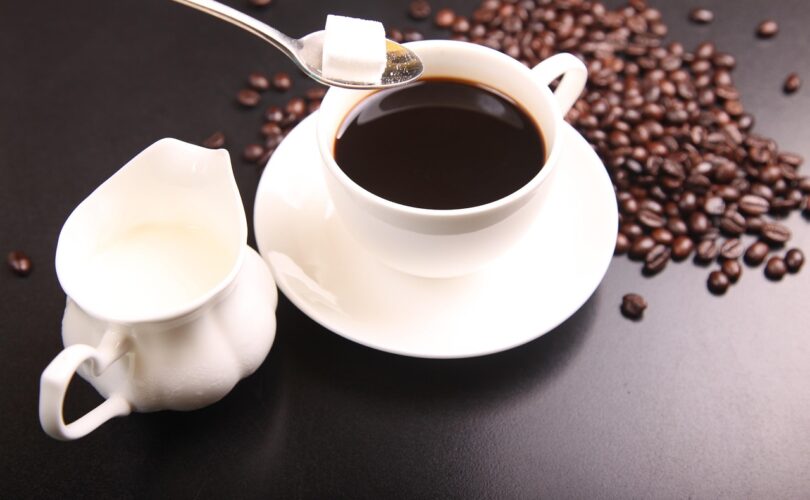
Coffee isn’t just a morning ritual—it’s a powerhouse of bioactive compounds that can supercharge your health. Brewed from roasted Coffea beans, this elixir delivers caffeine, chlorogenic acids, and polyphenols that combat oxidative stress. Regular coffee consumption, say 3-4 cups daily, is linked to a 20-30% lower risk of type 2 diabetes, thanks to improved insulin sensitivity. It also slashes the odds of Parkinson’s disease by up to 25%, as caffeine blocks adenosine receptors, protecting dopamine-producing neurons.
Heart health gets a boost too: antioxidants in coffee reduce inflammation, lowering cardiovascular disease risk by 15-20%. A 2025 study even found that pre-noon coffee drinkers see greater reductions in early mortality from heart issues. Liver lovers rejoice—coffee halves the risk of cirrhosis and fatty liver disease. And for mental sharpness? Coffee enhances focus and mood via dopamine and serotonin modulation.
Now, enter artificial sweeteners: they elevate coffee’s profile by making it accessible without sugar’s 16 calories per teaspoon. Imagine a zero-calorie vanilla latte sweetened with sucralose—same creamy delight, minus the crash. This synergy in coffee, tea, and artificial sweeteners shines for weight control; a study showed sweetener-sweetened coffee users maintained 5-10% more weight loss than sugar users.
Practical tips: For black coffee purists, a dash of stevia highlights coffee’s nutty notes without overpowering. In cold brews, erythritol’s cool finish pairs with citrus twists. Heat-stable options like sucralose work wonders in French press pots, preserving coffee’s robust antioxidants. Coffee, tea, and artificial sweeteners together democratize these benefits, allowing calorie-conscious folks to reap rewards like reduced obesity risk (coffee drinkers are 10% less likely to gain weight).
Cautions? Overdo caffeine (over 400mg/day), and jitters ensue, but sweeteners don’t exacerbate this. In coffee, tea, and artificial sweetener combos, moderation ensures you harness coffee’s longevity perks—up to 10-15% lower all-cause mortality. Whether drip, pour-over, or espresso, coffee sweetened smartly is your ally for vitality.
Tea’s Timeless Treasures: Benefits and Sweetening Smartly
Tea, derived from Camellia sinensis leaves (or herbal infusions), has been a wellness staple for millennia. Green, black, oolong, or white—each variety brims with catechins, theaflavins, and L-theanine for a calm alertness. Drinking 3+ cups daily correlates with 20-30% lower stroke risk, as flavonoids improve vascular function. Green tea’s EGCG shines in cancer prevention, reducing lung and colon risks by up to 30% in high consumers.
Heart health? Tea drinkers enjoy 10-15% fewer cardiac events, thanks to lowered LDL cholesterol. For weight management, tea boosts metabolism by 4-5%, burning an extra 70 calories daily. Brain benefits include reduced dementia risk via anti-inflammatory effects, and black tea stabilizes blood sugar, aiding diabetes control. Herbal teas like chamomile soothe digestion and promote sleep, lowering chronic disease odds.
Artificial sweeteners transform tea from bitter to blissful, especially in iced varieties where sugar overloads calories. Monk fruit’s fruity undertone enhances herbal teas, while aspartame suits hot blacks without altering tannins. In coffee, tea, and artificial sweetener dynamics, this pairing supports low-sugar lifestyles—sweetener-infused teas help maintain weight loss by curbing cravings.
Experiment: Stevia in matcha amplifies umami without bitterness; sucralose in chai lattes preserves spice harmony. For sun teas, xylitol adds subtle mintiness. Coffee, tea, and artificial sweeteners unite to deliver tea’s full spectrum—from oral health (reduced decay risk) to skin glow via antioxidants. With less caffeine than coffee (30-50mg/cup), tea sweetened wisely fosters sustained energy sans jitters.
Combining Coffee, Tea, and Artificial Sweeteners: Recipes and Tips
The magic of coffee, tea, and artificial sweeteners lies in their versatility—endless recipes await. Start simple: A classic Americano sweetened with one packet of stevia (0 calories) retains coffee’s bold essence while curbing sugar urges.
For tea lovers, try Cold Brewed Iced Tea: Steep 4 black tea bags in 8 cups of cold water overnight, add Splenda Stevia Sweetener to taste (about 1/2 cup equivalent), and garnish with lemon. Zero calories, endless refreshment—perfect for summer hydration.
Blended Iced Coffee Delight: Blend 8oz cold water, 2 tsp instant coffee, 1/2 cup skim milk, 1/2 tsp vanilla, and 4 Truvia packets. Freeze into pops or sip chilled—creamy, caffeinated bliss under 100 calories. Pair with a green tea infusion for a hybrid boost.
Sugar-Free Southern Sweet Tea: Boil 2 quarts of water with 4 family-size tea bags, dissolve 4 cups of artificial sweetener (like sucralose) in a gallon pitcher, add tea, and chill. A staple reimagined for health.
Advanced: Keto Bulletproof Coffee—whip 1 cup hot coffee with 1 tbsp MCT oil, 1 tbsp butter, and monk fruit drops. Energizing fats meet sweet subtlety. Or Herbal Dream Tea: Steep chamomile and lavender, sweeten with erythritol for bedtime calm.
Tips for coffee, tea, and artificial sweeteners success: Start low—over-sweetening dulls taste buds. Use liquid drops for even distribution in frothy lattes. Store in airtight containers to preserve potency. For gut health, rotate types to avoid microbiome shifts. These combos not only tantalize but amplify benefits, like enhanced fat oxidation from tea’s catechins in sweetened matcha mochas.
Potential Risks and Safety Considerations for Coffee, Tea, and Artificial Sweeteners
While coffee, tea, and artificial sweeteners promise much, balance is key. Coffee’s caffeine can cause anxiety in sensitive folks (limit to 400mg/day), and unfiltered brews raise cholesterol slightly. Tea’s tannins may hinder iron absorption—space from meals.
Artificial sweeteners draw scrutiny: Observational studies link high intake to 9% higher CVD risk, including strokes. Aspartame’s “possibly carcinogenic” label by IARC sparks debate, but FDA deems it safe under approved limits (50mg/kg body weight daily). Gut disruptions from non-digestible sweeteners like sucralose may alter microbiota, potentially affecting glucose control. Yet, no strong cancer ties exist for moderate use.
In coffee, tea, and artificial sweeteners, risks are minimized with variety—alternate stevia and sugar alcohols. Pregnant individuals: cap aspartame at 18mg/kg. Overall, benefits outweigh risks for most, per NHS guidelines. Consult doctors for personalized advice.
Success Stories: Real People Thriving with Coffee, Tea, and Artificial Sweeteners
Real transformations highlight coffee, tea, and artificial sweeteners’ impact. Take Sarah, a 35-year-old teacher who swapped sugary lattes for stevia-sweetened Americanos. In six months, she shed 25 pounds, crediting the calorie cut (down 300/day) and coffee’s metabolism boost. “My energy soared without crashes—coffee, tea, and artificial sweeteners changed my mornings!”
Mark, battling prediabetes, turned to monk fruit in green teas. His A1C dropped 1.2 points in three months, aligning with tea’s glucose-lowering effects. “Sweet tea without guilt—I’ve avoided meds!”
From Reddit: One user halted stevia in fasting windows, accelerating weight loss by 4 pounds monthly, but another maintained a 15-pound loss via daily Splenda coffees. A 2012 story featured Colby, using sweeteners in coffee to trim calories, sustaining loss post-diet. Mary C. lost 71 pounds with 310 Nutrition shakes and sweetened teas, gaining confidence.
These tales underscore coffee, tea, and artificial sweeteners as tools for sustainable wellness.
Frequently Asked Questions (FAQs) About Coffee, Tea, and Artificial Sweeteners
Q: Are artificial sweeteners safe for daily use in coffee and tea? A: Yes, in moderation—FDA approves them, but limit to recommended doses to sidestep potential gut issues.
Q: Which sweetener best suits hot coffee versus iced tea? A: Sucralose for hot coffee (heat-stable); stevia for iced tea (natural, no aftertaste).
Q: Can coffee, tea, and artificial sweeteners aid weight loss? A: Absolutely—studies show modest losses (5-10%) via calorie reduction.
Q: Do they affect caffeine absorption? A: No, sweeteners don’t interfere with coffee or tea’s energizing effects.
Q: What’s the best natural alternative? A: Monk fruit—zero calories, antioxidant-rich for enhanced tea benefits.
Q: How much coffee or tea with sweeteners is too much? A: 3-4 cups daily maximizes perks without risks.
Disclaimer
This article on coffee, tea, and artificial sweeteners is for informational purposes only and not medical advice. Consult a healthcare professional before dietary changes, especially with conditions like diabetes or pregnancy. Individual results vary; research evolves, so verify with trusted sources.
References
- Mayo Clinic. “Artificial sweeteners and other sugar substitutes.” Jan 10, 2023.
- Harvard Health. “Sugar substitutes: New cardiovascular concerns?” Jan 1, 2023. Link
- Johns Hopkins Medicine. “Facts About Sugar and Sugar Substitutes.” Link
- NHS. “The truth about sweeteners.” Link
- The New York Times. “Are Artificial Sweeteners Safe?” Jul 23, 2024. Link
- MD Anderson Cancer Center. “Artificial sweeteners and cancer: 7 things to know.” Jul 18, 2023. Link
- GoodRx. “What Are Artificial Sweeteners? 6 Dangers of Fake Sugar.” Link
- Banner Health. “The Pros and Cons of Artificial Sweeteners.” Feb 5, 2024. Link
- FDA. “Aspartame and Other Sweeteners in Food.” Feb 27, 2025. Link
- Harvard Health. “Sugar substitutes: New cardiovascular concerns?” Jan 1, 2023. Link (Repeated for emphasis)
- PMC. “The Impact of Artificial Sweeteners on Human Health and Cancer.” Dec 29, 2023. Link
- Cleveland Clinic. “Are Artificial Sweeteners Bad for You?” Apr 20, 2023. Link
- MD Anderson. (As above)
- NYT. (As above)
- NHS. (As above)
- GoodRx. (As above)
- FDA. (As above)
- Center for Research. “Risks of Splenda.” Link
- PMC. (As above)
- Harvard Health. (As above)
- GoodRx. (As above)
- Johns Hopkins. (As above)
- University of Washington. “Q&A: UW expert on the rise and risks of artificial sweeteners.” Jan 22, 2024. Link
- FDA. (As above)
- NHS. (As above)
- NYT. (As above)
- NCI. “Artificial Sweeteners and Cancer.” Aug 29, 2023. Link
- Harvard Health. “Does drinking tea really help health?” Feb 1, 2025. Link
- PMC. “Tea and Health: Studies in Humans.” Link
- Wikipedia. “Health effects of tea.” Link
- WebMD. “Are There Health Benefits to Drinking Tea?” Dec 29, 2024. Link
- AARP. “8 Surprising Health Benefits of Tea.” Oct 18, 2022. Link
- Academy of Nutrition and Dietetics. “The Health Benefits of Tea.” Nov 2, 2022. Link
- Ramsay Healthcare. “Ten Benefits of Drinking Tea.” Link
- Verywell Health. “What Happens to Your Body When You Drink Herbal Tea Every Night.” Published 4 days ago. Link
- UCLA Health. “6 health benefits of drinking black tea.” Nov 14, 2022. Link
- NYT. “Health Benefits of Tea? Here’s What the Evidence Says.” Oct 5, 2015. Link
- Driftaway Coffee. “Different Types of Sweeteners and How They Taste.” Link
- Mayo Clinic. (As above)
- Cleveland Clinic. “The Best (and Worst) Sugar Substitutes.” Jun 14, 2023. Link
- FDA. “How Sweet It Is: All About Sweeteners.” Jun 9, 2023. Link
- WhatSugar. “Sweetener Packet Buying Guide.” Link
- Good Good Brand. “Healthiest Sweetener for Coffee.” Link
- Healthline. “5 Natural Sweeteners That Are Good for Your Health.” Link
- BodyBio. “Guide To Sugar Substitutes & Artificial Sweeteners.” Jul 28, 2023. Link
- GoodRx. “The Best and Worst Sweeteners, Ranked by GI Index.” Link
- Taste of Home. “11 Healthy Coffee Recipes.” Jan 3, 2024. Link
- Facebook. “Sugar-free tea and coffee ideas.” Jan 26, 2025. Link
- Splenda. “Cold Brewed Iced Tea Recipe.” Link
- Truvia. “Blended Iced Coffee Recipe.” Link
- Joy Filled Eats. “Diet Sweet Tea Recipe.” Aug 14, 2023. Link
- Royal Cup Coffee. “Make a Healthier Glass of Sweet Iced Tea.” Apr 27, 2016. Link
- Reddit. “Cold, caffeinated tea recipes.” Nov 2, 2021. Link
- Greg’s Kitchen. “Southern Style Sweet Tea (Diabetic/Sugar Free).” Feb 19, 2014. Link
- YouTube. “3 Easy Coffee Syrup Recipes.” Aug 9, 2025. Link
- Nkechi Ajaeroh. “Homemade Sweet Tea Recipe without Sugar.” May 30, 2021. Link
- Reddit. “Artificial sweeteners – my story.” Jan 28, 2024. Link
- Cancer Research UK. “Can aspartame help with weight loss?” Feb 13, 2019. Link
- CNBC. “I drank Diet Coke daily for 25 years—then stopped.” Nov 8, 2023. Link
- Facebook. “Do artificial sweeteners affect weight loss efforts?” Aug 12, 2023. Link
- CBS News. “Health: Artificial Sweeteners Can Help People Lose Weight.” Jul 9, 2012. Link
- AOL. “I Swapped Coffee for Green Tea.” Feb 12, 2025. Link
- PMC. “The effects of water and non‐nutritive sweetened beverages.” Dec 26, 2015. Link
- CNN. “One-month sugar detox.” Jun 9, 2017. Link
- 310 Nutrition. “Mary C. Overhauled Her Diet.” Jul 3, 2020. Link
- EatingWell. “New Study: Artificial Sweeteners May Help with Weight Loss.” Nov 13, 2025. Link
- Johns Hopkins. “9 Reasons Why (the Right Amount of) Coffee Is Good for You.” Link
- Mayo Clinic. “Coffee and health.” Link
- Rush University. “Health Benefits of Coffee.” Link
- Harvard Health. “Which is healthier: Coffee or tea?” Feb 1, 2025. Link
- NHLBI. “When it comes to the health benefits of coffee, timing may count.” Feb 12, 2025.
- Abbott. “A Closer Look at 3 Health Benefits of Drinking Coffee.” Mar 18, 2025.
- Healthline. “9 Health Benefits of Coffee.” Feb 23, 2023.
- PubMed. “Coffee consumption, health benefits and side effects.”
- Nescafé.. “10 uplifting benefits of coffee.”
- WebMD. “Coffee: Health Benefits, Nutrients, Preparation, and More.” Dec 29, 2024.



[…] However, beneath the vibrant cans and bold promises lies a hidden concern: energy drinks and blood glucose spikes. This phenomenon, where blood sugar levels surge rapidly after consumption, can have serious […]