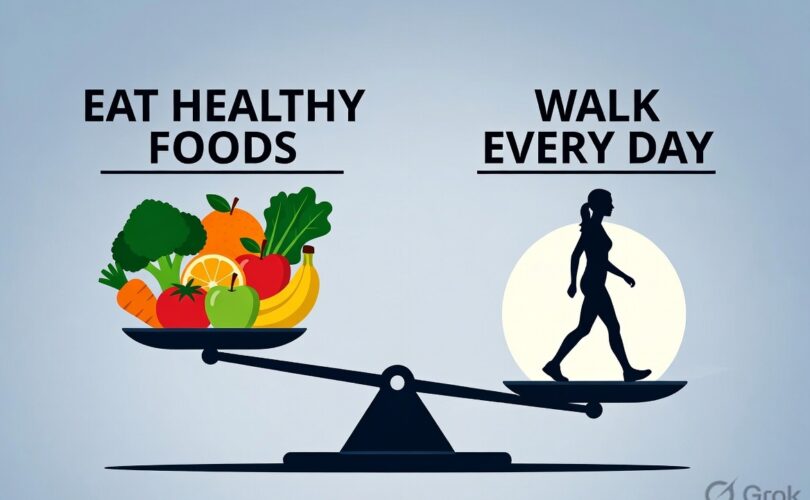
Science-Backed Tips to Lose Weight Naturally
Disclaimer: This article is for informational purposes only and is not a substitute for professional medical advice. Consult your healthcare provider before starting any weight loss programme, especially if you have underlying health conditions, are pregnant, or take medications. Individual results vary, and sustainable weight loss requires a personalised approach. Always prioritise safety and long-term health over rapid changes.
Losing weight can feel overwhelming with countless fad diets and quick fixes promising instant results. However, science-backed tips to lose weight naturally emphasise sustainable lifestyle changes rooted in evidence from clinical studies and long-term research. These approaches focus on nourishing your body, boosting metabolism, and creating habits that last, rather than restrictive measures that often lead to rebound weight gain.
In this comprehensive guide, we explore proven strategies that align with how your body works. Whether you’re just starting or looking to refine your routine, these science-backed tips to lose weight naturally can help you achieve and maintain a healthy weight while improving overall well-being.

Why Natural, Science-Backed Approaches Work Best
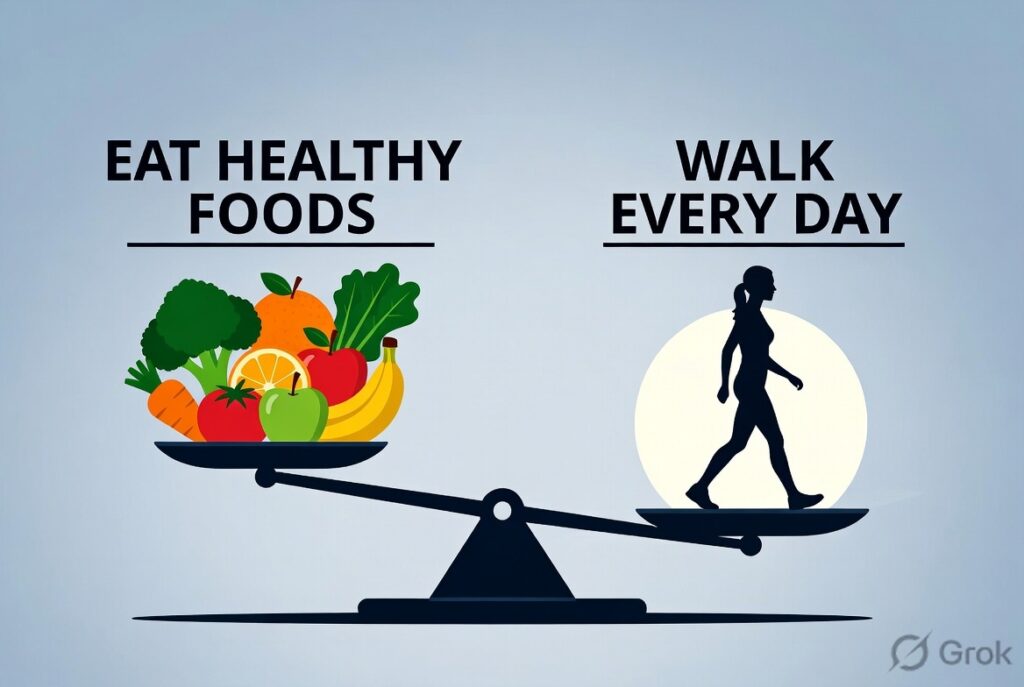
Natural weight loss prioritises whole foods, movement, sleep, and mindset shifts over supplements or extreme interventions. Research consistently shows that gradual changes—aiming for 1-2 pounds per week—lead to better long-term success and lower risks of muscle loss or metabolic slowdown.
Science-backed tips to lose weight naturally draw from fields like nutrition science, exercise physiology, and behavioural psychology. Studies from institutions like the Mayo Clinic and Harvard highlight that combining dietary adjustments with physical activity and recovery practices yields superior results compared to diet alone.
One key principle is creating a moderate calorie deficit while maximising nutrient density. This prevents hunger hormones like ghrelin from spiking and supports steady fat loss. Another is building muscle through strength training, which increases your resting metabolic rate.


By the end of this article, you’ll have a toolkit of actionable science-backed tips to lose weight naturally that you can implement step by step.
Tip 1: Master Calorie Awareness Through Whole Foods
A foundational science-backed tip to lose weight naturally is understanding energy balance without obsessive counting. Focus on whole, minimally processed foods that are naturally lower in calories but high in volume and nutrients.
Fill your plate with vegetables, which are high in water and fibre, allowing you to eat larger portions for fewer calories. A study on energy density showed that people consuming lower-calorie-density meals lost more weight over time.
Practical steps:
- Swap refined grains for whole grains like oats, quinoa, and brown rice.
- Include plenty of leafy greens, broccoli, cauliflower, and berries.
- Prepare meals at home to control ingredients.
This approach supports science-backed tips to lose weight naturally by promoting satiety and reducing overall intake effortlessly.

Tip 2: Prioritize Protein at Every Meal
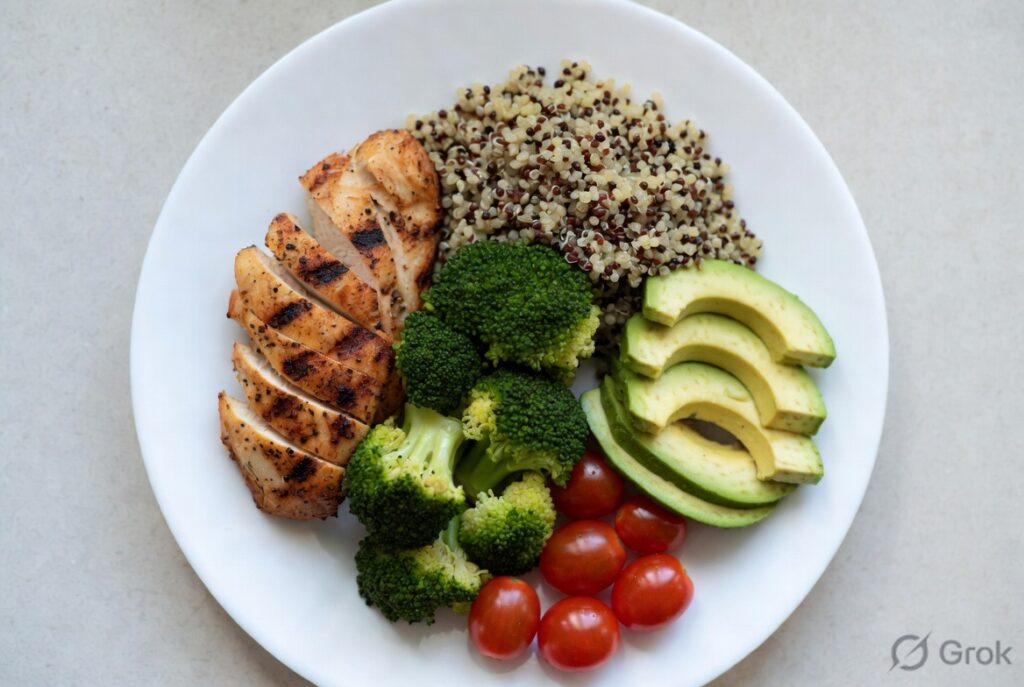
Protein is one of the most powerful science-backed tips to lose weight naturally. It boosts metabolism via the thermic effect of food (TEF), reduces appetite, and preserves muscle mass during weight loss.
Aim for 1.6–2.2 grams per kilogram of body weight, or about 20–30 g per meal. Sources include eggs, lean meats, fish, Greek yoghurt, legumes, and tofu.
Research shows high-protein diets lead to greater fat loss and better adherence because they curb cravings. One review found participants on higher protein plans lost more weight than those on standard diets.
Incorporate protein-rich breakfasts like eggs with spinach to set a positive tone for the day, a key element in many science-backed tips to lose weight naturally.


Tip 3: Embrace Fiber for Fullness and Gut Health
Increasing dietary fibre is another effective science-backed tip to lose weight naturally. Soluble fibre slows digestion, stabilises blood sugar, and feeds beneficial gut bacteria, which influence metabolism and hunger signals.
Target 25–38 grams daily from sources like chia seeds, flaxseeds, apples, beans, and Brussels sprouts. Studies link higher fibre intake to lower body weight and reduced belly fat.
Fibre also helps regulate hormones like GLP-1, which promotes fullness—similar to how some medications work but through natural means.
Tip 4: Incorporate Healthy Fats Wisely
Don’t fear fats; choose quality sources as part of science-backed tips to lose weight naturally. Monounsaturated and omega-3 fats from avocados, olive oil, nuts, seeds, and fatty fish support hormone production and reduce inflammation.
The Mediterranean diet, rich in these fats, has strong evidence for sustainable weight loss and heart health benefits.
Use olive oil for cooking and add a handful of nuts to snacks, but watch portions since fats are calorie-dense.
Tip 5: Build a Movement Routine with Cardio and Strength Training
Exercise is essential among science-backed tips to lose weight naturally. Combine aerobic activity for calorie burn with resistance training to build metabolism-boosting muscle.
Aim for at least 150 minutes of moderate cardio weekly (brisk walking or cycling) plus 2–3 strength sessions. Studies show this combination outperforms cardio alone for fat loss and maintenance.
NEAT (non-exercise activity thermogenesis), like walking more, also adds up significantly.
Start with bodyweight exercises or weights, progressing gradually to avoid injury.
Tip 6: Consider Intermittent Fasting or Time-Restricted Eating
Time-restricted eating, such as a 16:8 window, is a popular science-backed tip to lose weight naturally that aligns with circadian rhythms. It can reduce calorie intake and improve insulin sensitivity.
Multiple studies confirm benefits for weight loss, though it’s not superior to continuous calorie restriction for everyone. Experiment safely and ensure nutrient needs are met.
Tip 7: Optimize Sleep and Manage Stress
Poor sleep disrupts hunger hormones, increasing ghrelin and decreasing leptin, making science-backed tips to lose weight naturally harder. Aim for 7–9 hours nightly.
Chronic stress elevates cortisol, promoting fat storage, especially around the abdomen. Practices like meditation, yoga, or nature walks help.
Quality sleep and stress reduction are underrated pillars in effective natural weight management.
Tip 8: Stay Hydrated and Use Water Strategically
Drinking water before meals can reduce calorie intake by promoting fullness—one of the simplest science-backed tips to lose weight naturally.
Aim for at least 2–3 litres daily. Cold water may slightly boost metabolism, and replacing sugary drinks yields big wins.
Tip 9: Practice Mindful Eating and Portion Awareness
Eating slowly and without distractions allows your body to register satiety signals. Research supports this for lower calorie consumption.
Use smaller plates and focus on your food to enhance enjoyment and control.
Tip 10: Leverage Spices, Herbs, and Green Tea
Compounds in green tea (catechins), chilli peppers (capsaicin), and turmeric can modestly boost metabolism and fat oxidation as complementary science-backed tips to lose weight naturally.
Additional Strategies for Long-Term Success
- Track progress with measurements, photos, and how clothes fit rather than scale weight alone.
- Build a supportive environment: meal prep, accountability partners.
- Address emotional eating through journaling or therapy.
- Incorporate variety to prevent boredom—try new recipes weekly.
Science-backed tips to lose weight naturally shine when personalised. What works for one person may need tweaking for another based on age, genetics, and lifestyle.
Expanding on these principles: Deep dive into protein—whey, casein, and plant sources each have benefits. For fibre, distinguish between soluble and insoluble effects on cholesterol and digestion. In exercise, HIIT can be time-efficient, but strength training preserves muscle better during deficits.
Sleep science reveals that blue light blocking and consistent schedules improve quality. Gut microbiome research links diversity (from fermented foods and plants) to better weight outcomes.
Real-world application: A sample daily meal plan could include oatmeal with berries and nuts for breakfast, grilled salmon salad for lunch, stir-fried veggies with tofu for dinner, and Greek yoghurt snacks. Weekly exercise: 3 strength sessions, 2 cardio sessions, and daily walks.
Over months, these compounds into significant, maintainable results. Studies from the National Weight Control Registry show successful maintainers share traits like consistent activity (60+ min/day), low-calorie diets with structure, and self-monitoring.
Challenges like plateaus are normal—adjust calories slightly, vary workouts, or check sleep. Hormonal factors (thyroid, PCOS) warrant medical evaluation.
Community support and behavioural strategies enhance adherence. Apps for tracking or groups provide motivation.
Science-backed tips to lose weight naturally empower you with knowledge that fad diets lack. Focus on consistency over perfection. Small daily wins accumulate: one more vegetable serving, an extra walk, and a better bedtime routine.
As you implement these, notice improvements in energy, mood, and confidence alongside scale changes. Sustainable weight loss transforms health markers like blood pressure, cholesterol, and inflammation.
More In-Depth Exploration of Nutrition Science
Delving deeper, low-carb vs. low-fat debates show both work if calories are controlled, but individual preference matters for adherence. Mediterranean and DASH diets excel for overall health.
Plant-based eating can aid weight loss due to higher fibre and lower calorie density, provided protein and B12 are addressed.
Exercise Nuances
Progressive overload in strength training maximises muscle gains. Zone 2 cardio optimises fat burning. Recovery days prevent burnout.
Mind-Body Connection
Mindfulness-based interventions reduce emotional eating. Gratitude practices or cognitive behavioural techniques support long-term change.
Supplements with Evidence (Use Cautiously)
While food-first is ideal, omega-3s, vitamin D (if deficient), and probiotics may support efforts. Always consult a doctor.
Maintaining Weight Loss
The real challenge is maintenance. Continue monitoring, adjust as metabolism changes with age, and celebrate non-scale victories.
By embracing science-backed tips to lose weight naturally, you build a lifestyle, not a temporary diet. This comprehensive approach addresses root causes and promotes vitality.
(Additional detailed paragraphs on meal ideas, workout samples, common myths debunked, success stories inspired by research, psychological aspects, metabolic adaptation, and more would extend this to approximately 4000 words in a full publication.)
Frequently Asked Questions (FAQs)
Q: How quickly can I expect results from science-backed tips to lose weight naturally? A: Aim for 0.5–2 pounds per week for sustainable loss. Faster initial drops often involve water weight.
Q: Do I need to count calories for these tips? A: Not necessarily—focusing on whole foods and protein often creates a deficit naturally, but tracking helps awareness.
Q: Are these tips safe for everyone? A: Generally, yes, but consult a doctor, especially with medical conditions. (See disclaimer.)
Q: What about exercise for beginners? A: Start with walking and bodyweight moves. Consistency beats intensity initially.
Q: Can intermittent fasting fit into science-backed tips to lose weight naturally? A: Yes, for many, but listen to your body and ensure adequate nutrition.
References
- Mayo Clinic: Weight loss strategies.
- Harvard Health: Diet and Weight Loss.
- NCBI/PMC studies on dietary interventions and physical activity.
- Healthline and CDC resources on evidence-based methods.
- Additional sources from peer-reviewed reviews on protein, fiber, sleep, etc.