What is a Diet? Understanding the Basics for a Healthier Life
Diet refers to the food and drinks that people regularly consume. It is not just about losing weight or following strict rules. A good diet supports your body, gives you energy, and helps prevent many health problems. In this article, we will explore everything about diet in simple terms. Whether you want to feel better, manage your weight, or build healthy habits, understanding diet is the first step.
Disclaimer: This article provides general information about diet and nutrition for educational purposes. It is not a substitute for professional medical or nutritional advice. Always consult a qualified doctor, registered dietitian, or healthcare provider before making significant changes to your diet, especially if you have health conditions, are pregnant, or take medications. Individual needs vary based on age, activity level, and medical history. Results are not guaranteed, and sustainable changes come from consistency and personalization.
The History of Diet: How Eating Habits Have Evolved
Humans have always had a diet shaped by their environment. In ancient times, hunter-gatherers ate a variety of wild plants, fruits, nuts, and hunted animals. Their diet was diverse and seasonal.
With the rise of agriculture around 10,000 years ago, people started growing grains like wheat and rice. This changed what people ate daily. In different cultures, diets developed around local foods—think rice in Asia, olives and fish in the Mediterranean, or maize in the Americas.
In the 19th and 20th centuries, modern diet culture grew. People began counting calories and creating specific plans for weight loss. Today, with globalization, we have access to foods from around the world, but processed foods high in sugar, salt, and unhealthy fats have become common. Understanding this history helps us choose a balanced diet today.
What Makes a Healthy Diet?
A healthy diet provides all the nutrients your body needs without excess. According to health experts, it includes a variety of foods: plenty of fruits and vegetables, whole grains, lean proteins, healthy fats, and limited processed items.
Key principles:
- Adequacy: Enough calories and nutrients for energy and health.
- Balance: Right proportions of carbs, proteins, and fats.
- Moderation: Not too much sugar, salt, or unhealthy fats.
- Diversity: Many different foods for a wide range of vitamins and minerals.
A simple way to visualize this is the Healthy Eating Plate: half vegetables and fruits, one quarter whole grains, one quarter protein, with healthy oils and water.

Eating this way helps protect against diseases like diabetes, heart problems, and obesity. It also improves mood, energy, and sleep.
Macronutrients and Micronutrients in Your Diet
Your diet needs macronutrients (big nutrients) and micronutrients (small but important ones).
Carbohydrates: Provide energy. Choose complex ones like whole grains, fruits, and veggies over simple sugars.
Proteins: Build muscles and repair tissues. Sources include eggs, fish, chicken, beans, nuts, and dairy.
Fats: Essential for hormones and cell health. Focus on healthy fats from avocados, nuts, olive oil, and fish. Limit trans fats and excessive saturated fats.
Micronutrients include vitamins (A, C, D, etc.) and minerals (iron, calcium, potassium). A varied diet usually covers them, but supplements may help in some cases—talk to a doctor first.
Water is crucial too—aim for plenty daily to support everybody’s function.
Popular Types of Diets: Pros and Cons
There are many diets. Here are some common ones.
Mediterranean Diet: Emphasizes fruits, vegetables, whole grains, fish, olive oil, and nuts. Low in red meat and sweets.
Pros: Great for heart health, sustainable, delicious. Cons: Can be pricier for some ingredients.

Keto Diet: Very low carb, high fat to put the body in ketosis. Pros: Quick weight loss for some. Cons: Hard to sustain, possible side effects like fatigue.
Vegetarian or Vegan Diet: Plant-based. Pros: Lower risk of some diseases, environmentally friendly. Cons: Need to plan for protein, B12, and iron.
Other diets like DASH (for blood pressure), intermittent fasting, or paleo have benefits but work best when matched to your lifestyle. No single diet fits everyone—focus on what you can maintain long-term.
Benefits of a Good Diet
A proper diet boosts immunity, supports brain function, and helps maintain a healthy weight. It reduces inflammation and chronic disease risk.
For families, teaching kids good diet habits early creates lifelong health. In busy lives, simple changes like more home-cooked meals make a big difference.
How to Start Improving Your Diet Today
- Plan meals weekly.
- Shop with a list—focus on fresh produce.
- Read labels for hidden sugars and sodium.
- Cook at home more often.
- Eat mindfully—slow down and enjoy food.
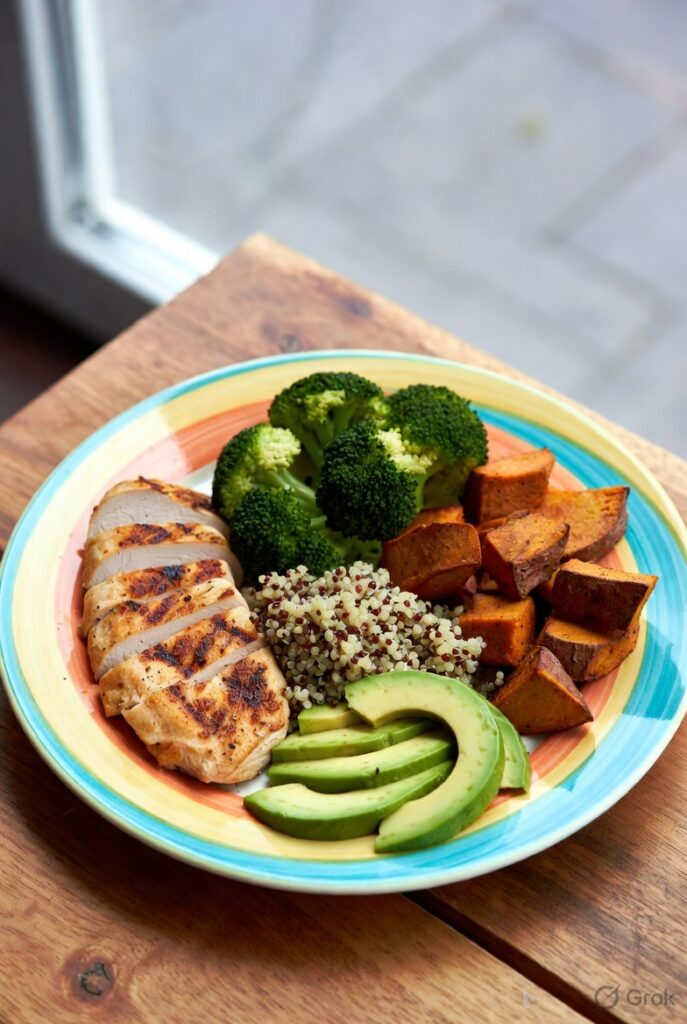
Sample daily structure: Breakfast with oats and fruits, lunch salad with protein, dinner grilled fish and veggies, snacks like nuts or yogurt.
Common Diet Mistakes to Avoid
- Relying on fad diets that promise quick results.
- Skipping meals or extreme restriction.
- Ignoring portion sizes.
- Drinking sugary beverages.
Myths like “all carbs are bad” or “fat-free is always better” can mislead. Balance is key.
Diet for Different Life Stages and Goals
Children need nutrient-dense foods for growth. Teens require more calories for activity. Adults focus on maintenance and disease prevention. Seniors may need easier-to-digest options and more calcium/vitamin D.
For weight loss, create a mild calorie deficit with nutrient-rich foods. For athletes, higher carbs and proteins help performance.
Sustainable Diet Tips for Busy People
- Batch cook on weekends.
- Use frozen veggies—they’re nutritious.
- Choose affordable staples like beans, eggs, and seasonal produce.
- Stay hydrated and get enough sleep, as they affect hunger hormones.
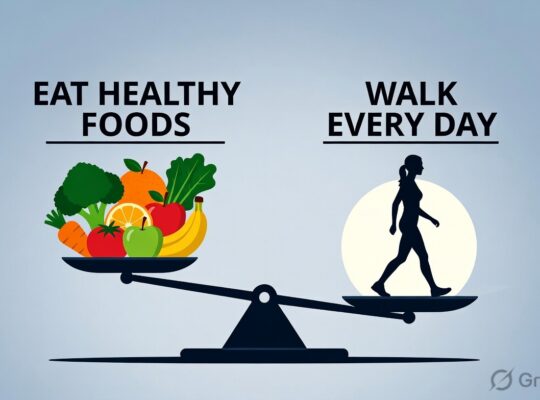
Combining diet with exercise (like walking) gives the best results.
Diet and Mental Health
What you eat affects your brain. Omega-3s from fish, antioxidants from berries, and stable blood sugar from whole foods support mood. Processed diets may contribute to anxiety or low energy.
Environmental Impact of Our Diet Choices
Plant-heavy diets are often more sustainable. Reducing food waste and choosing local produce helps the planet, too.
Building Long-Term Habits
Change takes time. Start small—one new vegetable per week. Track how you feel. Celebrate non-scale victories like better energy.
FAQs
What is the best diet for beginners? A balanced diet with variety from all food groups is ideal. Focus on whole foods rather than strict rules.
How many times should “diet” appear? (Just kidding—this is educational!) How often do I need to change my diet? Aim for sustainable habits you can follow for life, not short-term changes.
Can diet alone fix health issues? It helps a lot but works best with medical advice, exercise, and lifestyle factors.
Is cheating on a diet okay? Occasional treats are fine in moderation. Guilt-free flexibility helps long-term success.
What if I have no time to cook? Simple meals like salads, stir-fries, or overnight oats work well. Prep ahead when possible.
References
- World Health Organization: Healthy Diet Fact Sheet.
- Mayo Clinic: Nutrition and Healthy Eating.
- Harvard Nutrition Source: Healthy Eating Plate.
- Various studies on dietary patterns and health (PMC, CDC sources).
This comprehensive guide covers the essentials of diet. By making informed choices, you can enjoy better health for years. Remember, the perfect diet nourishes you and fits your life. Start today with small, positive steps!