

Medication Adherence: Making It Fun for Kids
Medication adherence refers to how consistently patients take their prescribed medications as directed by healthcare providers. For children, medication adherence can be particularly challenging due to factors like taste aversion, fear, forgetfulness, or resistance. However, medication adherence is crucial for effective treatment, especially in chronic conditions such as asthma, epilepsy, diabetes, ADHD, or cancer, where poor adherence can lead to uncontrolled symptoms, hospitalizations, or long-term complications.
Making medication adherence fun for kids transforms a potentially stressful routine into an engaging activity. By incorporating play, rewards, games, and positive associations, parents and caregivers can significantly improve medication adherence in children. This approach reduces anxiety, builds cooperation, and helps kids view taking medicine as part of a positive experience rather than a chore. In this comprehensive guide, we’ll explore why medication adherence matters, common hurdles, practical fun strategies, real success stories, and more.
Why Medication Adherence Matters for Children
Medication adherence ensures that medications reach therapeutic levels in the body to control symptoms and prevent disease progression. In children with chronic illnesses, consistent medication adherence can mean the difference between stable health and frequent flare-ups. For instance, in asthma, poor medication adherence to controller inhalers often leads to emergency visits. In epilepsy, missed doses increase seizure risk. In diabetes, inconsistent medication adherence affects blood sugar control and long-term outcomes like nerve damage or eye issues.
Studies show that only about 50% of children adhere properly to regimens, highlighting the need for innovative approaches. When medication adherence improves through engaging methods, children experience better health, fewer doctor visits, and enhanced quality of life. Parents also benefit from reduced stress and stronger bonds with their kids during treatment.
Common Challenges in Pediatric Medication Adherence
Children face unique barriers to medication adherence compared to adults. Young kids may struggle with unpleasant tastes, textures, or swallowing pills. Fear of side effects, needles, or the unknown can cause resistance. Adolescents might forget doses amid school or social activities, or rebel due to perceived loss of control.
Other challenges include complex regimens (multiple daily doses), forgetting amid busy family schedules, and parental concerns about side effects leading to unintentional non-adherence. Language barriers, low health literacy, and socioeconomic factors also play roles. These issues often result in incomplete treatment courses, antibiotic resistance in infections, or worsening chronic conditions.
Recognizing these challenges is the first step toward solutions. Making medication adherence fun addresses many of these barriers by shifting focus from obligation to enjoyment.
The Power of Fun in Improving Medication Adherence
Fun-based techniques leverage child psychology to reduce fear and build positive associations. Play therapy, rewards, and gamification make medication adherence less intimidating. Role-playing with toys normalizes the experience, while rewards reinforce good habits. Storytelling turns medicine into an adventure, and apps add interactive elements.
Research supports this: Play reduces procedural anxiety and boosts cooperation. Gamified approaches increase self-efficacy and motivation. By making medication adherence enjoyable, caregivers empower kids to take ownership of their health.


Creative Ways to Make Medication Adherence Fun for Kids
1. Reward Systems and Sticker Charts
One of the simplest ways to boost medication adherence is through rewards. Sticker charts track successful doses, with prizes after milestones (e.g., a small toy after a week). This positive reinforcement motivates kids without pressure.


Tips: Personalize charts with the child’s name and favorite themes. Start small—stickers for each dose—and build to bigger rewards like park trips. Praise effort, not perfection.
2. Play and Role-Playing
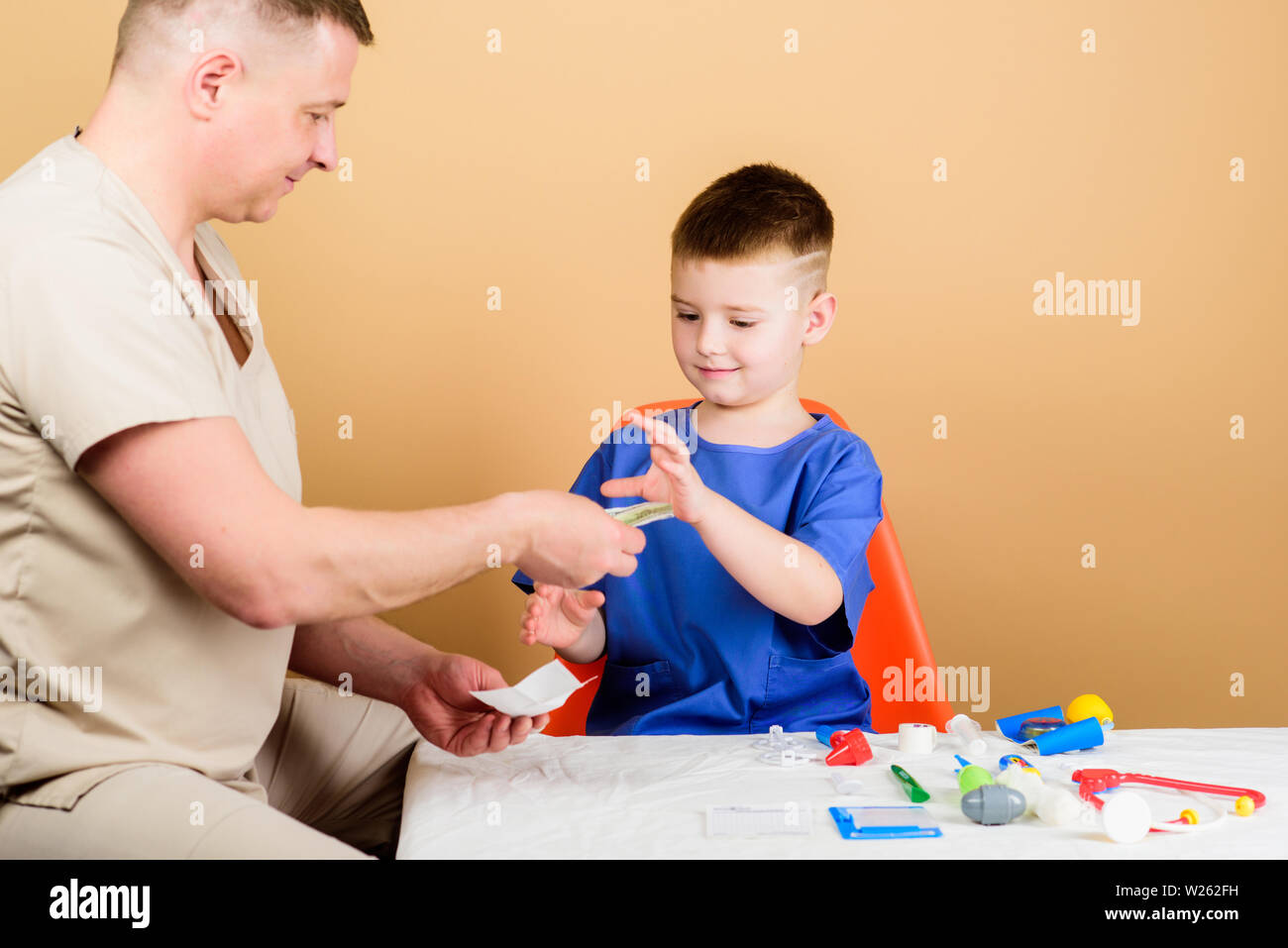
Pretend play demystifies medicine. Give stuffed animals “medicine” using toy syringes or cups. Role-play doctor visits where the child is the doctor. This reduces fear and makes real medication adherence feel familiar.
Incorporate medical toys: stethoscopes, bandages, and pretend kits encourage exploration. Combine with routines—play “hospital” before doses.

3. Storytelling and Superhero Themes
Turn medicine into stories: “This syrup gives your superheroes power to fight germs!” Create ongoing tales where the child and characters battle illness together. This builds emotional connection and purpose.
For older kids, discuss how medicine helps them play sports or focus in school. Explaining the “why” boosts intrinsic motivation.
4. Gamification with Apps and Digital Tools
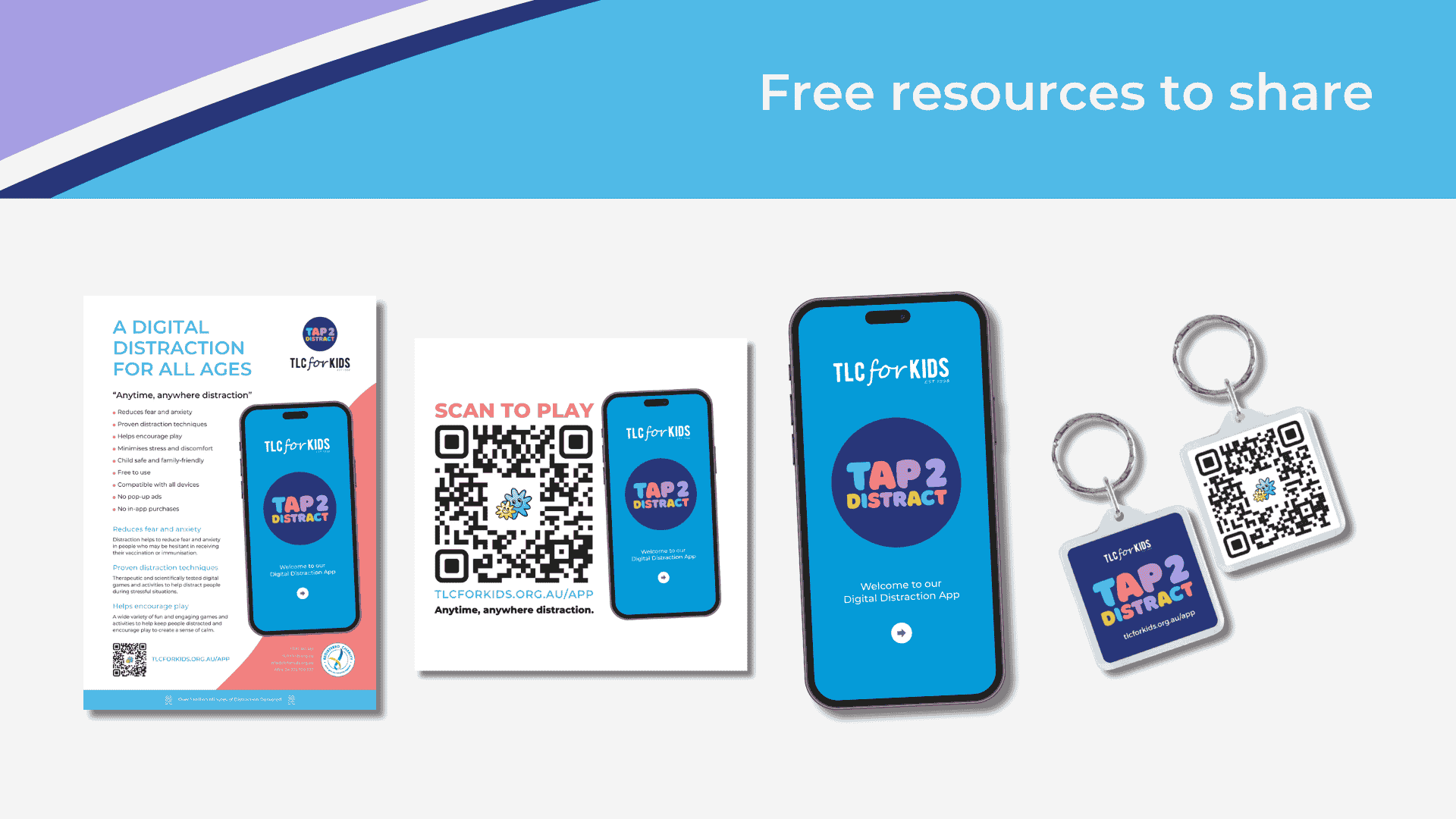
Apps make medication adherence interactive. Gamified reminders award points or virtual rewards. Some use augmented reality or mini-games tied to doses.
Examples include apps with virtual pets that “thrive” when kids adhere, or distraction games during administration. These appeal to tech-savvy kids and track progress.

5. Making Taste and Swallowing Fun
Mask bad tastes: Mix liquids with chocolate syrup, applesauce, or smoothies (with pharmacist approval). For pills, practice with candies of increasing sizes—M&Ms to Tic Tacs—building confidence.
Freeze pills briefly or coat with a chocolate shell. Use flavored gel caps or special pharmacy flavorings. Turn swallowing practice into a game with cheers or dances.
6. Consistent Routines with Fun Twists
Link doses to daily fun: After brushing teeth or before bedtime stories. Add music, silly dances, or favorite drinks as chasers. Consistency reduces resistance; fun elements make it anticipated.
Stay positive—praise successes and avoid punishment. Choices (flavor, cup) give control.
Success Stories: Real-Life Examples of Fun Approaches to Medication Adherence
Re-Mission Video Game for Cancer Patients
In a landmark study, the Re-Mission video game helped young cancer patients. Teens battled virtual cancer cells while learning about treatment. Results showed increased medication adherence, better knowledge, and higher self-efficacy. Kids who played adhered more to antibiotics and oral chemotherapy, demonstrating gamification’s power.
Pets vs Onco Serious Game
This virtual pet game, based on motivation theory, targeted children with cancer. Kids cared for pets while learning self-care and adherence. Post-intervention, treatment intention rose significantly, especially in younger kids. Caregivers reported reduced stress and better outlooks. Older children gained cancer knowledge. This highlights how fun digital tools enhance medication adherence.
Parent Anecdote: Sticker Chart Success
Many parents report success with charts. One family used a chart for ADHD medication—stickers led to outings. The child, initially resistant, began reminding parents of doses, turning medication adherence into a proud routine.
These examples show that fun methods work across ages and conditions.
Additional Tips for Parents
- Consult pharmacists for flavoring or alternatives.
- Involve schools for doses.
- Monitor side effects and adjust with doctors.
- Use reminders (alarms, pillboxes).
- Be patient—progress takes time.
When to Seek Professional Help
If resistance persists, consult pediatricians or psychologists. Behavioral therapy or play therapists help with severe cases. Non-adherence may signal underlying issues needing support.
Disclaimer
This article provides general information and is not a substitute for professional medical advice. Medication adherence strategies should be discussed with your child’s healthcare provider. Always follow prescribed instructions, check for interactions, and seek immediate help for adverse reactions.
FAQs
What if my child refuses medicine? Stay calm, offer choices, and use fun methods. Consult your doctor if refusal continues.
Are rewards bad for medication adherence? No—rewards reinforce habits. Transition to intrinsic motivation over time.
Can apps really improve medication adherence? Yes—gamified apps increase engagement and reminders.
How do I teach pill swallowing? Practice with candies progressively. Use techniques like deep breaths and water chasers.
Is it safe to mix medicine with food? Only with pharmacist approval to avoid altering effectiveness.
At what age can kids start self-managing? Varies—teens often handle with guidance; younger ones need supervision.
References
- American Academy of Family Physicians (AAFP). Promoting Medication Adherence in Children. https://www.aafp.org/pubs/afp/issues/2006/0901/p793.html
- AdhereTech. Improving Pediatric Medication Adherence with Play-Based Techniques. https://adheretech.com/improving-pediatric-medication-adherence-with-play-based-techniques
- Children’s Mercy. Helping Your Child Take Medicine. https://www.childrensmercy.org/your-visit/before-you-arrive/what-to-expect/helping-your-child-take-medicine
- CHOC Children’s. 7 Easy Ways to Help Your Child Take Medications. https://health.choc.org/7-easy-ways-to-help-your-child-take-medications
- PMC. Evaluating a serious game to improve childhood cancer patients’ treatment adherence. https://pmc.ncbi.nlm.nih.gov/articles/PMC9630903