

Family Meal Planning with Juvenile Diabetes in Mind
Living with juvenile diabetes, also known as type 1 diabetes in children, requires careful attention to nutrition to maintain stable blood sugar levels. Family meal planning with juvenile diabetes in mind becomes essential for supporting the child’s health while keeping meals enjoyable and nutritious for everyone. This approach ensures the entire family eats balanced, diabetes-friendly foods without making the child feel isolated or restricted.
Family meal planning with juvenile diabetes in mind emphasizes carbohydrate counting, portion control, and incorporating nutrient-dense foods. By focusing on whole foods, proteins, healthy fats, and fiber-rich options, families can help manage blood glucose effectively. This guide explores practical strategies, meal ideas, and tips to make family meal planning with juvenile diabetes in mind manageable and sustainable.

Understanding Juvenile Diabetes and Its Impact on Nutrition
Juvenile diabetes occurs when the body’s immune system attacks insulin-producing cells in the pancreas, requiring lifelong insulin therapy. Unlike type 2 diabetes, it is not caused by diet or lifestyle, but nutrition plays a critical role in management. Meals directly affect blood glucose levels because carbohydrates break down into glucose, raising blood sugar.
Family meal planning with juvenile diabetes in mind helps stabilize these levels by matching carbohydrate intake to insulin doses. Consistent meal timing, balanced nutrients, and awareness of glycemic index (how quickly foods raise blood sugar) are key. Involving the whole family promotes healthy habits and reduces the emotional burden on the child.
Key Principles of Family Meal Planning with Juvenile Diabetes in Mind
Effective family meal planning with juvenile diabetes in mind follows these core principles:
- Carbohydrate Counting: Count grams of carbs in foods and match them to insulin. Tools like nutrition labels, apps, or dietitian guidance help. For children, carb needs vary by age, activity, and growth.
- Balanced Plate Method: Fill half the plate with non-starchy vegetables, one-quarter with lean protein, and one-quarter with whole grains or starchy foods. Add a small fruit or dairy portion if needed.
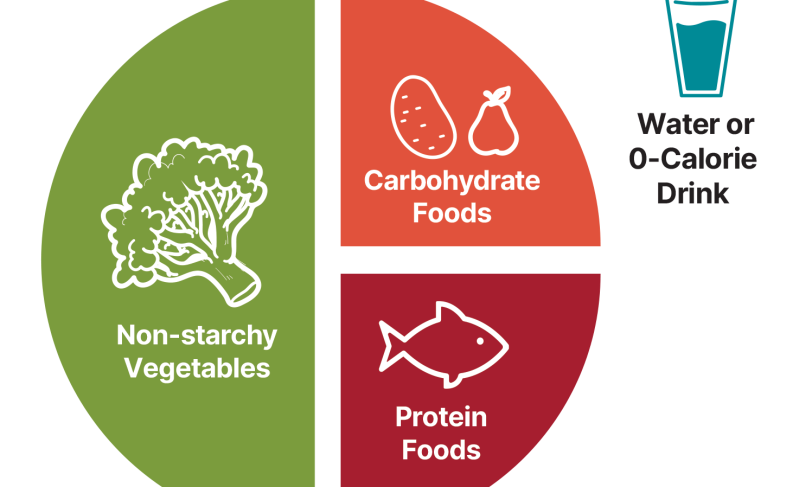
- Pairing Carbs with Protein and Fat: Pairing carbohydrates with protein and healthy fats slows glucose absorption, preventing spikes.
- Low-Glycemic Index Foods: Choose foods that raise blood sugar slowly, like whole grains, legumes, and most vegetables.
- Regular Meals and Snacks: Consistent timing prevents lows and highs. Include snacks with protein and fiber.
Grocery Shopping Tips for Family Meal Planning with Juvenile Diabetes in Mind
Smart shopping supports family meal planning with juvenile diabetes in mind. Read labels for total carbohydrates, not just sugars. Choose “no added sugar” canned fruits and low-sodium vegetables. Focus on fresh produce, lean proteins, whole grains, and healthy fats like avocados and nuts.
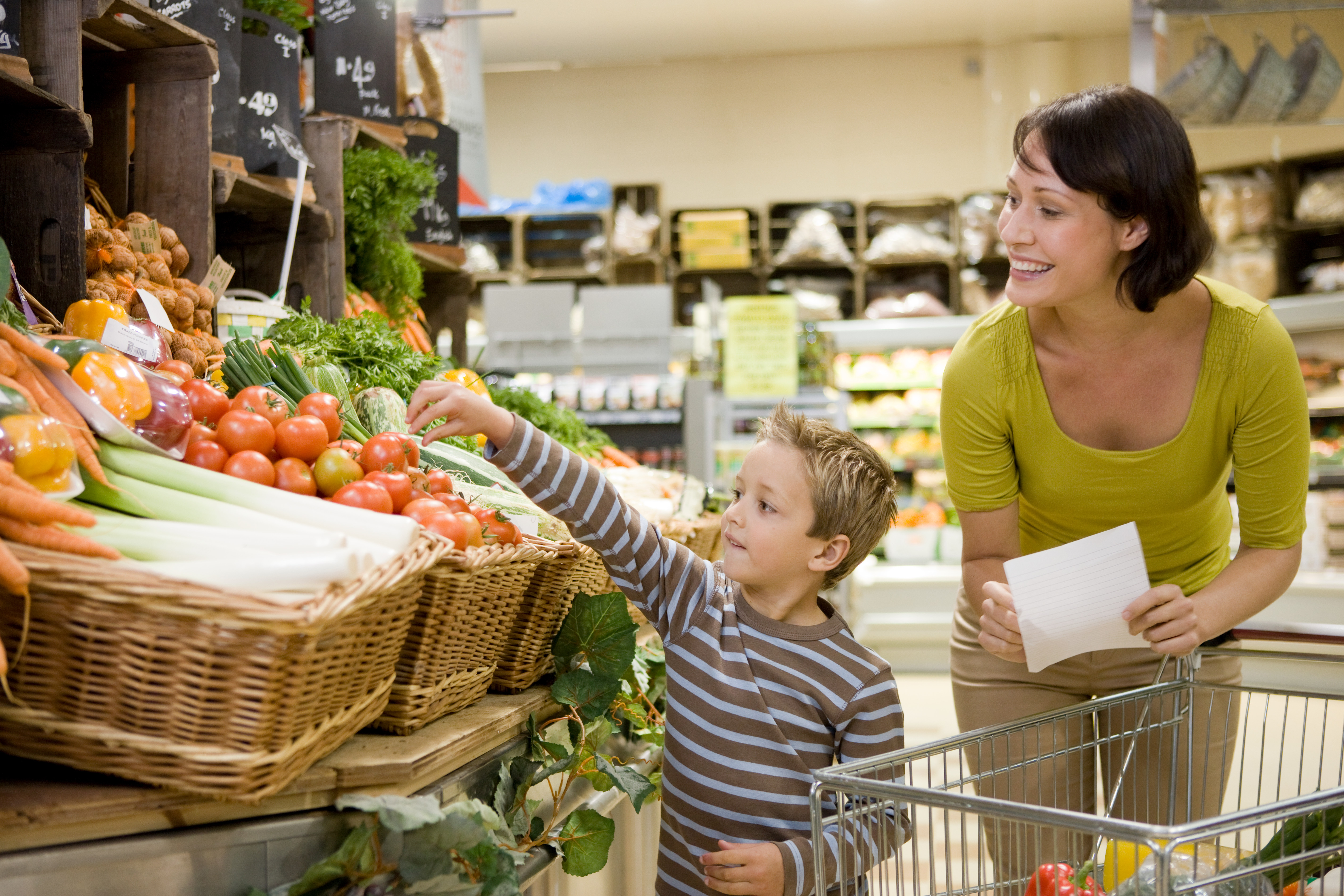
Involve children in shopping to build positive associations with healthy foods. Stock up on easy options like Greek yogurt, eggs, and veggie sticks for quick meals.
Breakfast Ideas for Family Meal Planning with Juvenile Diabetes in Mind
Breakfast sets the day’s tone. Aim for balanced carbs, protein, and fats.
- Oatmeal with berries and nuts: Use steel-cut oats (lower GI), top with fresh berries and almonds.
- Greek yogurt parfait: Layer plain Greek yogurt with low-GI fruits and chia seeds.
- Veggie omelet with whole-grain toast: Eggs with spinach, tomatoes, and a slice of whole-wheat bread.
- Smoothie: Blend spinach, protein powder, berries, and unsweetened almond milk.
These options provide sustained energy while fitting into family meal planning with juvenile diabetes in mind.
Lunch Ideas for Family Meal Planning with Juvenile Diabetes in Mind
Packable lunches keep blood sugar steady at school.
- Turkey and veggie wrap: Whole-grain tortilla with turkey, lettuce, avocado, and cucumber.
- Quinoa salad: Quinoa with chickpeas, feta, cucumbers, and olive oil dressing.
- Bento-style box: Hard-boiled eggs, carrot sticks, cheese cubes, and apple slices.
Use low-GI bread and pair carbs with protein.
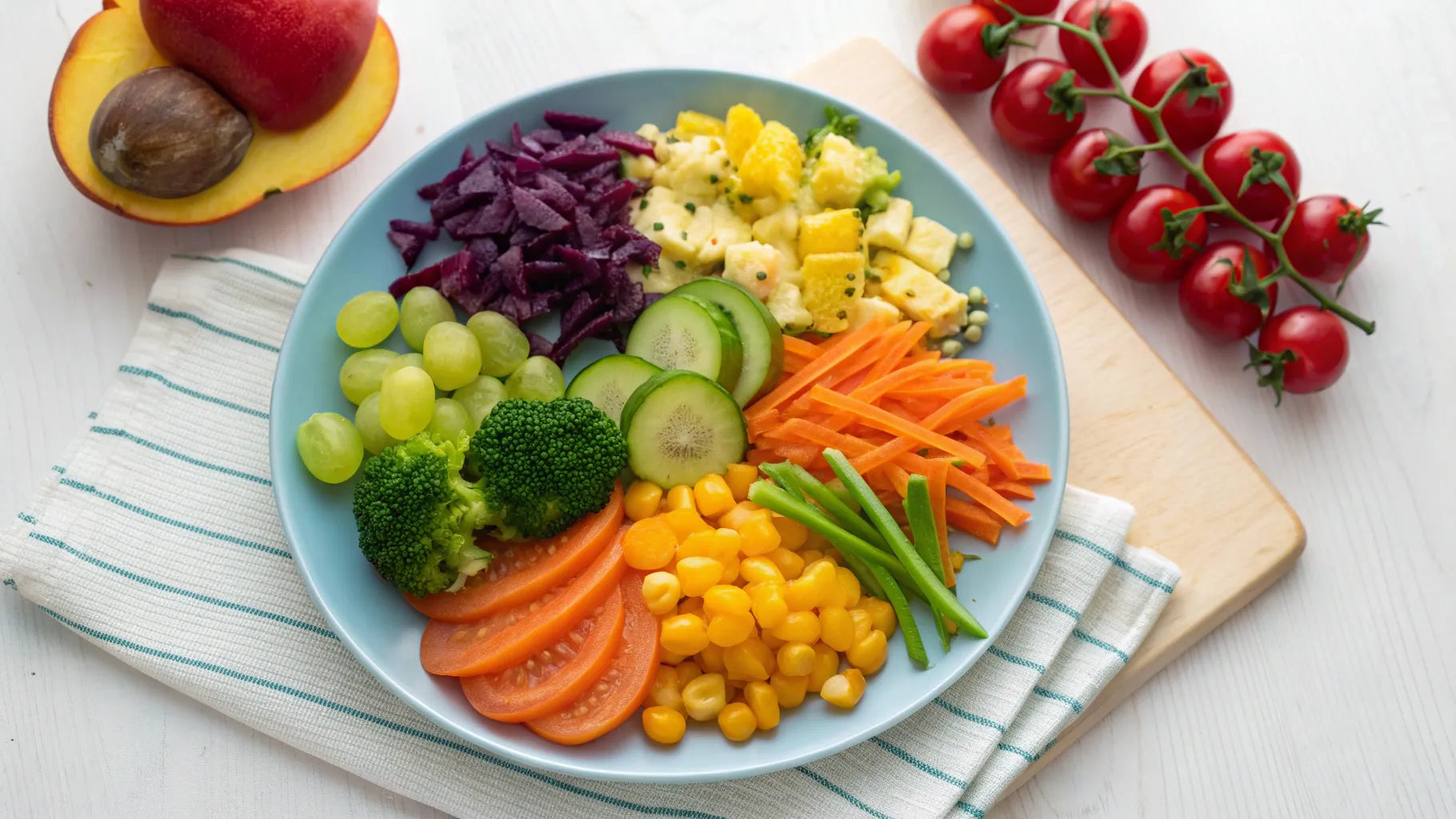
Dinner Ideas for Family Meal Planning with Juvenile Diabetes in Mind
Family dinners strengthen bonds and allow carb counting together.
- Grilled chicken with roasted vegetables and brown rice: Lean chicken, broccoli, zucchini, and a small portion of brown rice.
- Salmon with sweet potato and salad: Baked salmon, baked sweet potato wedges, and mixed greens.
- Stir-fry with tofu or lean beef: Vegetables like bell peppers and snap peas over cauliflower rice.
These meals are flavorful and adaptable for the whole family.
Snack Ideas for Family Meal Planning with Juvenile Diabetes in Mind
Snacks prevent lows between meals.
- Apple slices with peanut butter
- Cheese and whole-grain crackers
- Veggie sticks with hummus
- Greek yogurt with a few berries
Choose snacks with protein and fiber for stability.
:max_bytes(150000):strip_icc()/low-glycemic-index-diet-snack-and-dessert-ideas-2616575-primary-recirc-45e08160df374f50a7e4b8a09168e52c.jpg)
Success Stories: Real Families Thriving with Juvenile Diabetes Management
Many families succeed through consistent family meal planning with juvenile diabetes in mind.
One child, diagnosed at age 8, struggled initially with blood sugar swings. His family worked with a dietitian to implement carb counting and balanced plates. By involving him in meal prep, he gained confidence. Now active in sports, his A1C improved significantly through steady nutrition.
Another story involves a young girl who felt left out at family gatherings. Her parents adapted recipes, swapping high-carb sides for veggies. Family meals became inclusive, helping her maintain stable levels and enjoy social events.
A teenager’s family focused on whole foods and portion awareness. With support, he managed diabetes effectively, participating in school activities without restrictions.
These examples show how family meal planning with juvenile diabetes in mind fosters resilience and health.
Disclaimer
This article provides general information on family meal planning with juvenile diabetes in mind and is not a substitute for professional medical advice. Diabetes management is highly individualized. Always consult a pediatric endocrinologist, registered dietitian, or certified diabetes educator before making dietary changes. Insulin adjustments should only be made under medical supervision.
Frequently Asked Questions (FAQs)
Can children with juvenile diabetes eat sweets occasionally? Yes, in moderation, with proper insulin dosing and carb counting. Occasional treats fit into a balanced plan.
How do I handle birthday parties or holidays? Plan: Check carb content, adjust insulin, and bring diabetes-friendly alternatives to share.
Is the same meal plan suitable for all ages? No. Carb needs vary by age, growth, and activity. Work with a dietitian for personalization.
What if my child refuses healthy foods? Involve them in choices and preparation. Start small and pair new foods with favorites.
How does exercise affect meal planning? Activity lowers blood sugar, so monitor levels and adjust carbs or insulin accordingly.
References
- American Diabetes Association (diabetes.org)
- Nemours KidsHealth (kidshealth.org)
- Children’s Health Network
- Breakthrough T1D resources
- Cleveland Clinic and other pediatric diabetes centers
Family meal planning with juvenile diabetes in mind empowers families to prioritize health while enjoying meals together. With patience and support, children can thrive. Consult healthcare professionals for tailored guidance